









Introduction
This guide explains the safest tools, skin-friendly techniques, area‑specific routines, and aftercare steps to help you groom your chest, underarms, back, groin, legs, and other sensitive zones with less irritation. Whether you prefer trimming, shaving, or a combination routine, you’ll learn how to achieve smooth, comfortable, skin-safe results.
TL;DR / Quick Answer - What’s The Quickest Way to Groom Your Body Safely?
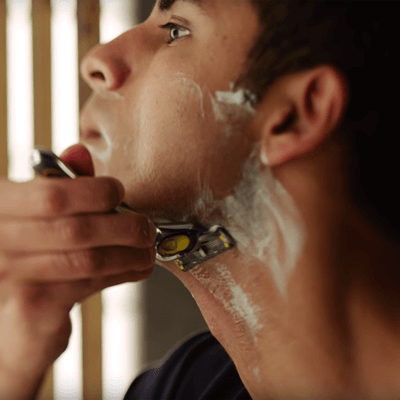
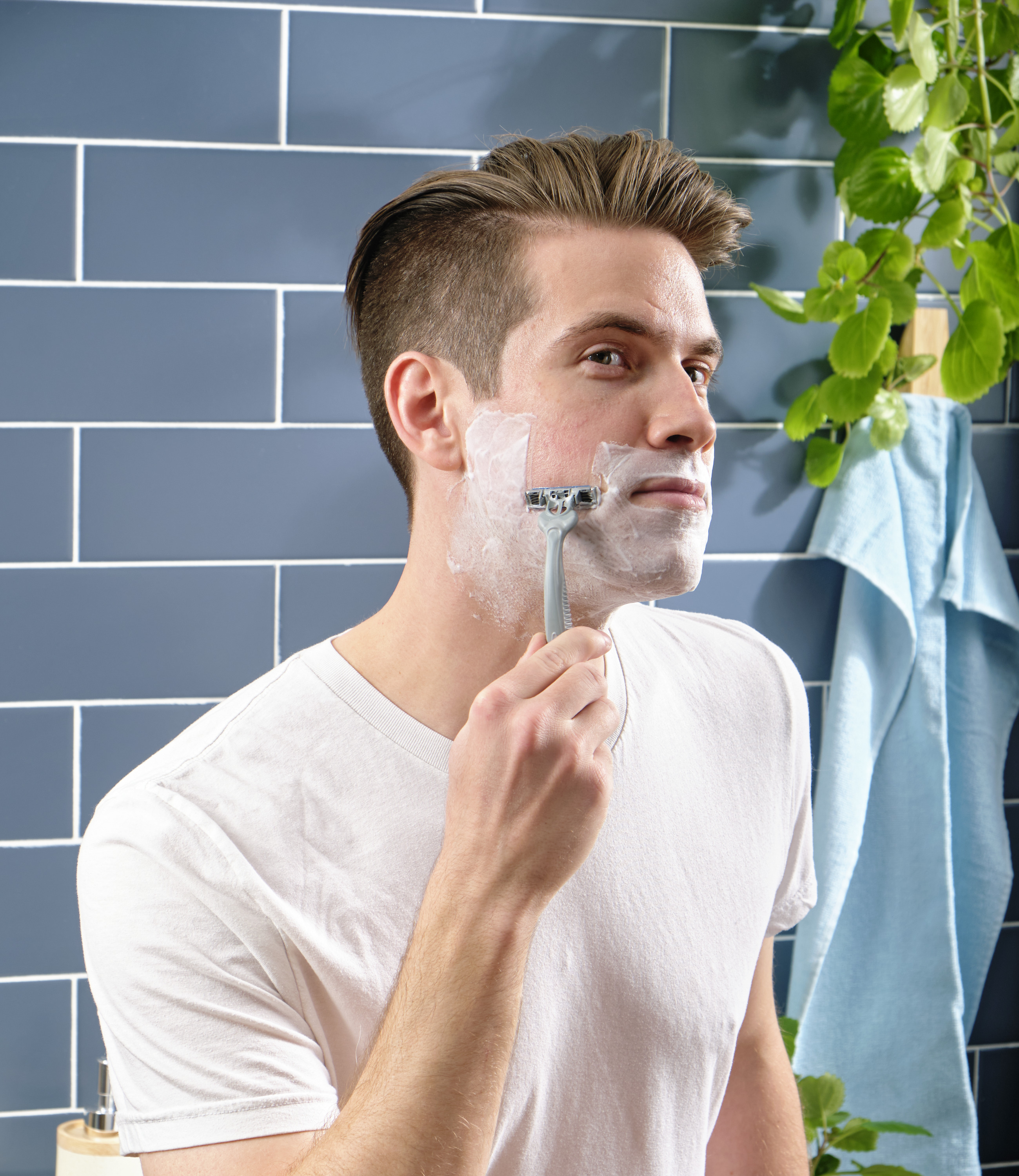
The safest way to groom your body is to trim long hair first, soften skin with warm water and shave gel, then shave gently with the grain. Finish with a cool rinse and an alcohol‑free moisturizer.
Quick steps:
- Use a guarded trimmer, flexible razor, shave gel, and alcohol-free balm.
- Trim bulk hair for control and less tugging.
- Warm water softens hair and skin.
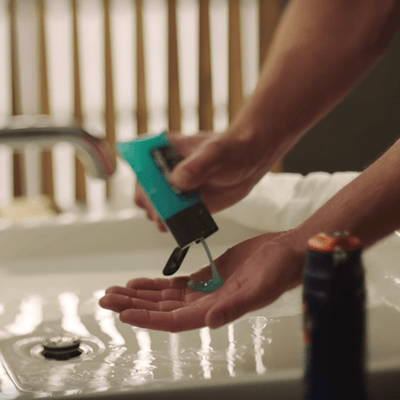
- Apply shave gel generously for glide.
- Shave gently with short, with the grain strokes.
- Rinse blades frequently.
- Cool rinse, pat dry, moisturize.
- Adjust technique based on body area, hair type, and skin sensitivity.
What Is Manscaping and Why Is Male Body Grooming So Popular?
Manscaping refers to trimming or removing male body hair below the neck to improve hygiene, comfort, appearance, and confidence.
A few reasons it’s grown so popular:
- Driven by hygiene, comfort, confidence and social factors
- Reduces sweat trapping and odor
- Makes deoderants and skincare more effective
- Enhances aesthetics and overall self-presentation
- Minimizes friction during exercise
- Increased availability of better grooming tools designed for the body
- Partner preference often plays a role
Grooming below the neck needs proper body specific tools because body hair is thicker and grows in multiple directions, and sensitive skin can get irritated by face razors or beard tools.
Pro Tip:
“Start with trimming and only shave areas you want smooth trimming alone is lower maintenance and reduces irritation. maintenance and reduces irritation.”
What Tools Do You Need for Body Grooming?
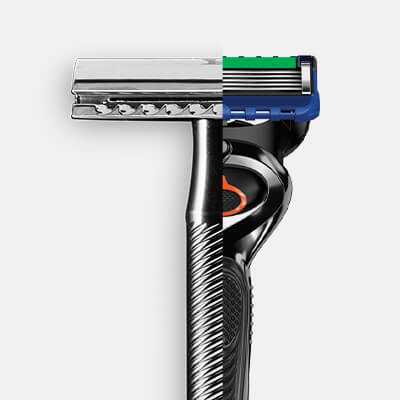
Use body specific tools, because facial razors and trimmers are not engineered for thicker, multidirectional body hair or elastic skin.
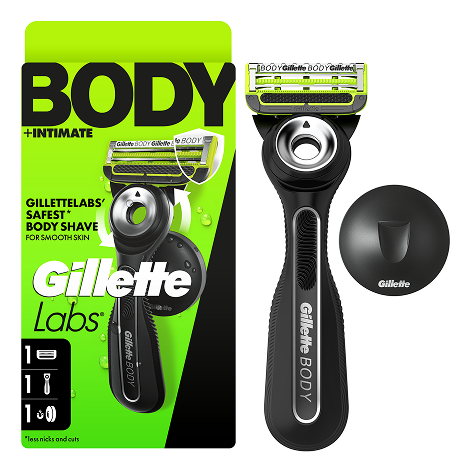
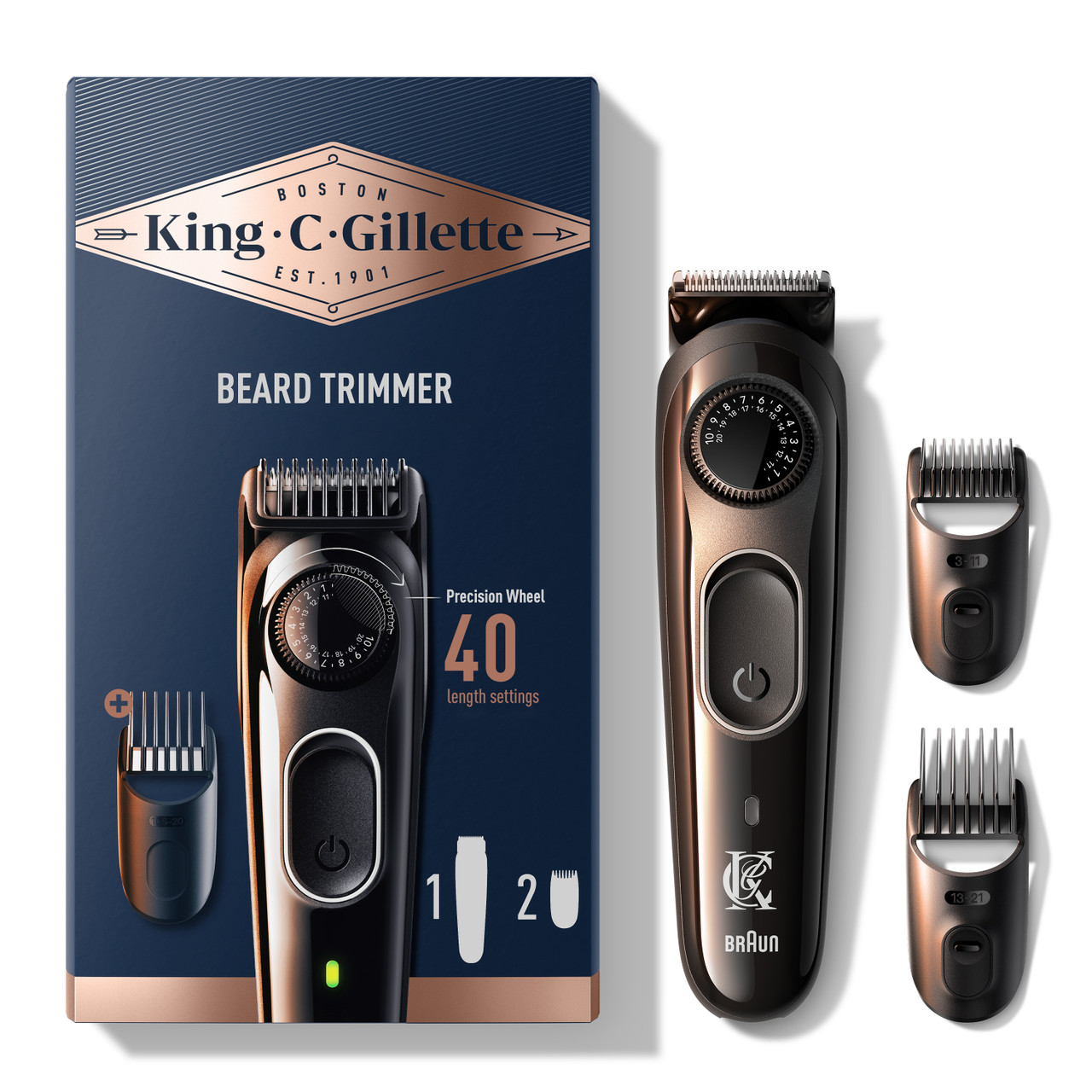
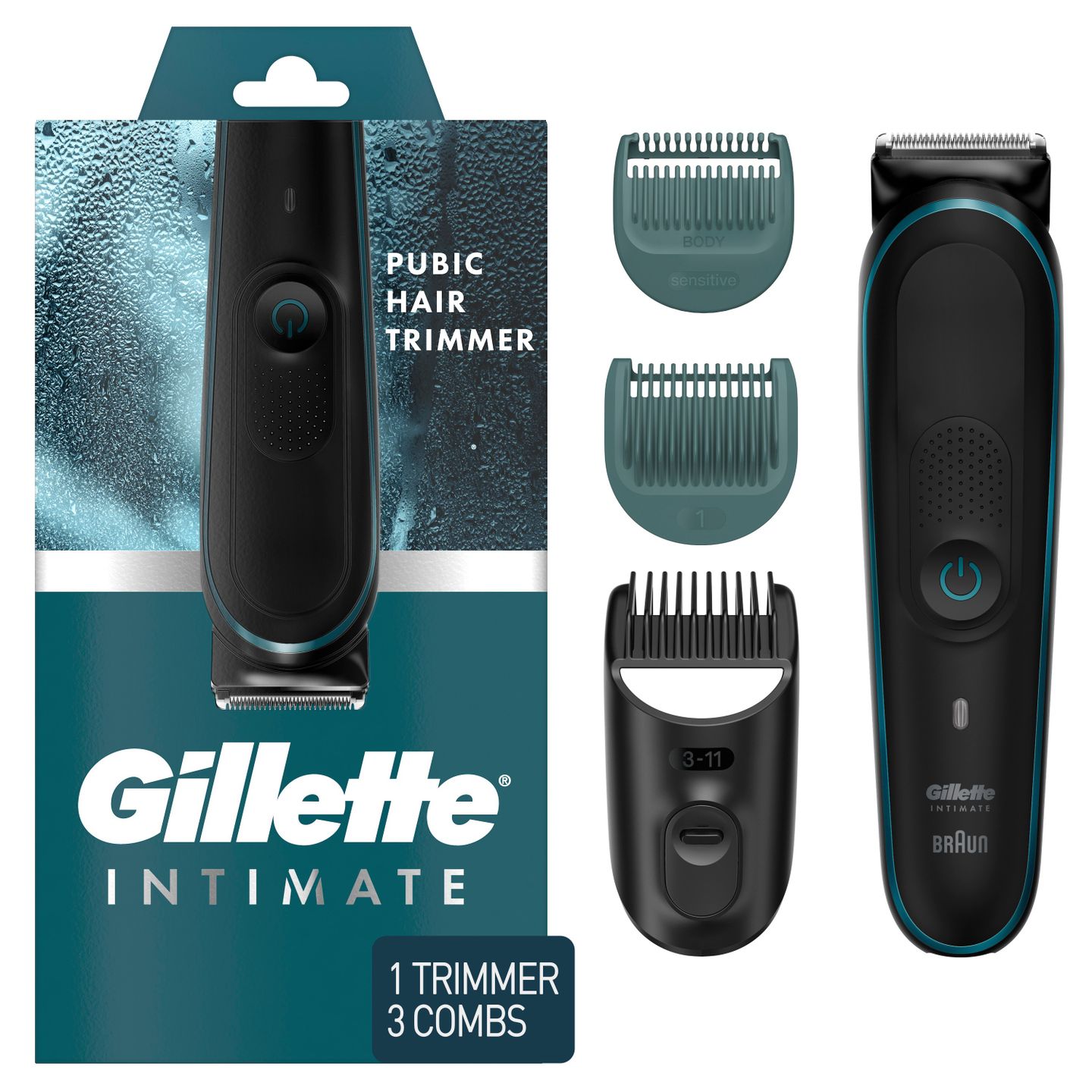
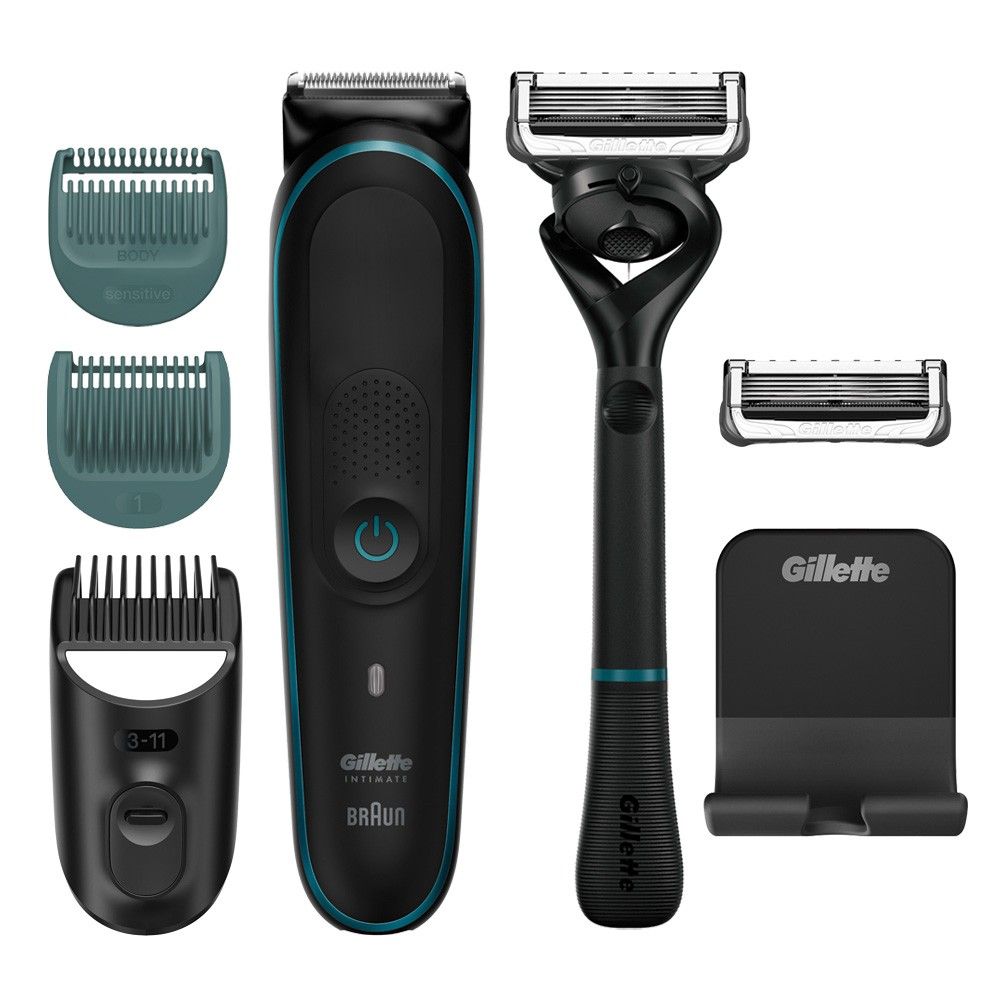
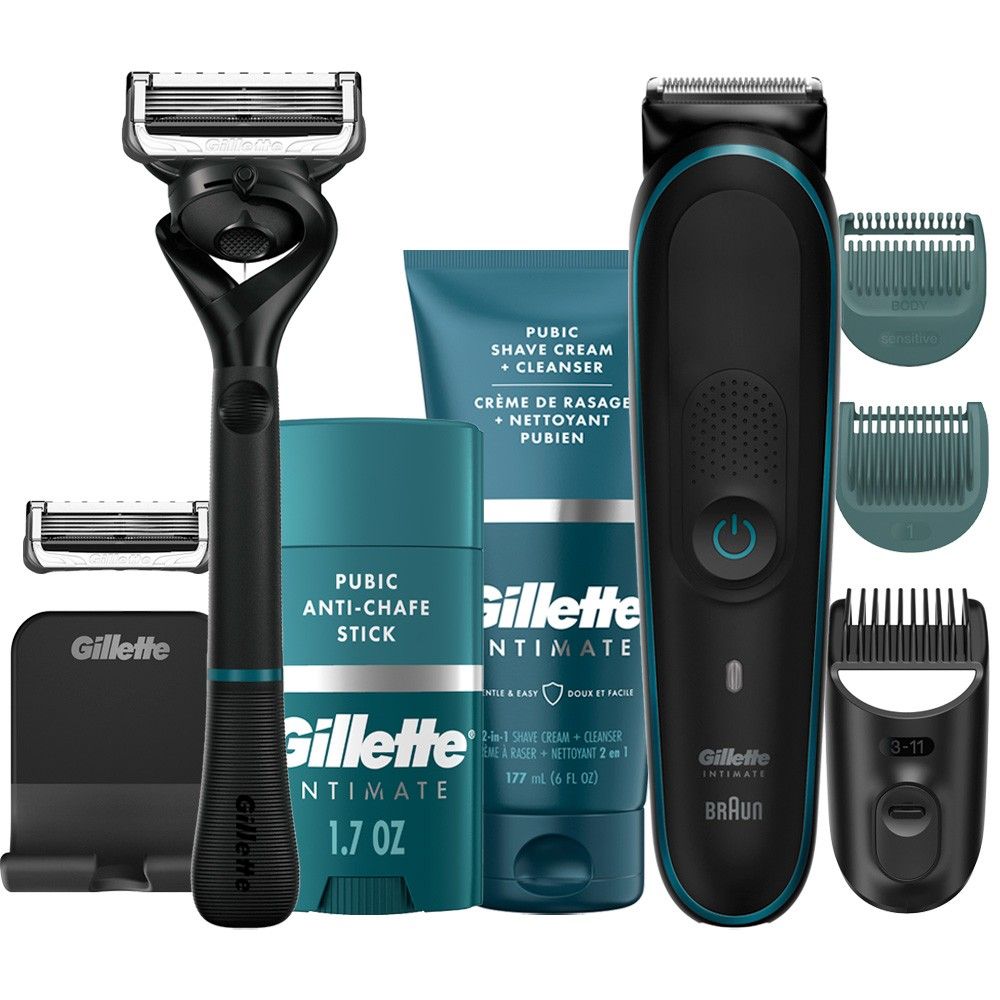
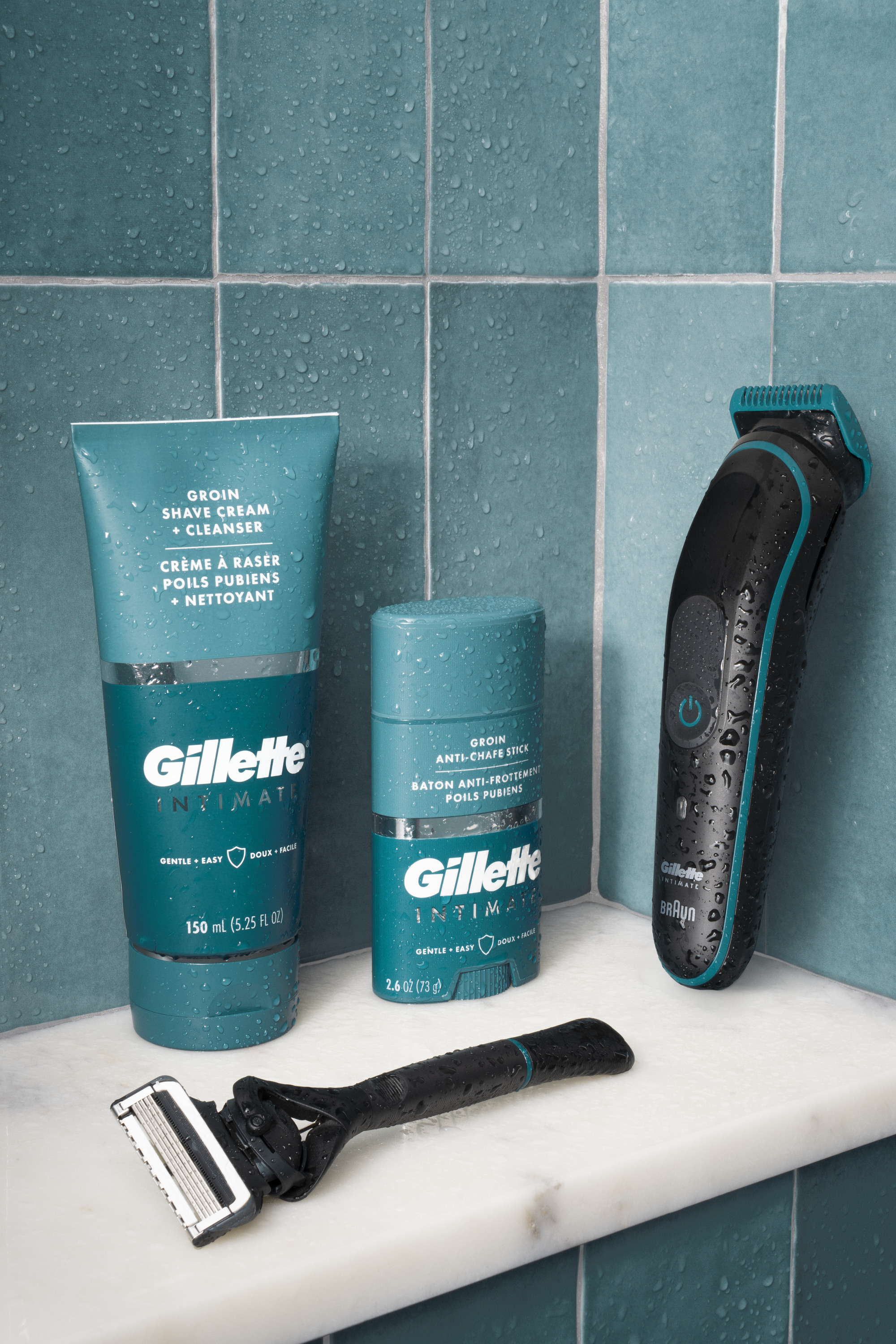
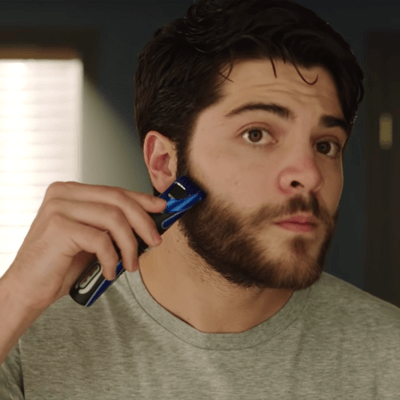
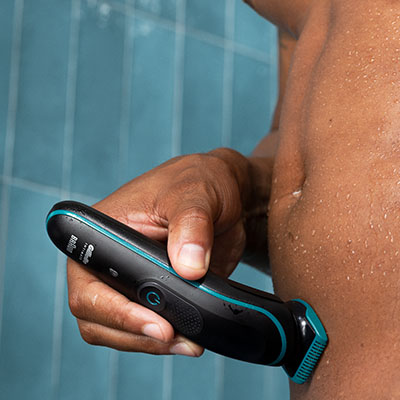
- Body Trimmer: Gillette INTIMATE™ Pubic Hair Trimmer—guarded, skin first control for intimate areas, doubles as a safe pre-shave trimmer for dense body hair
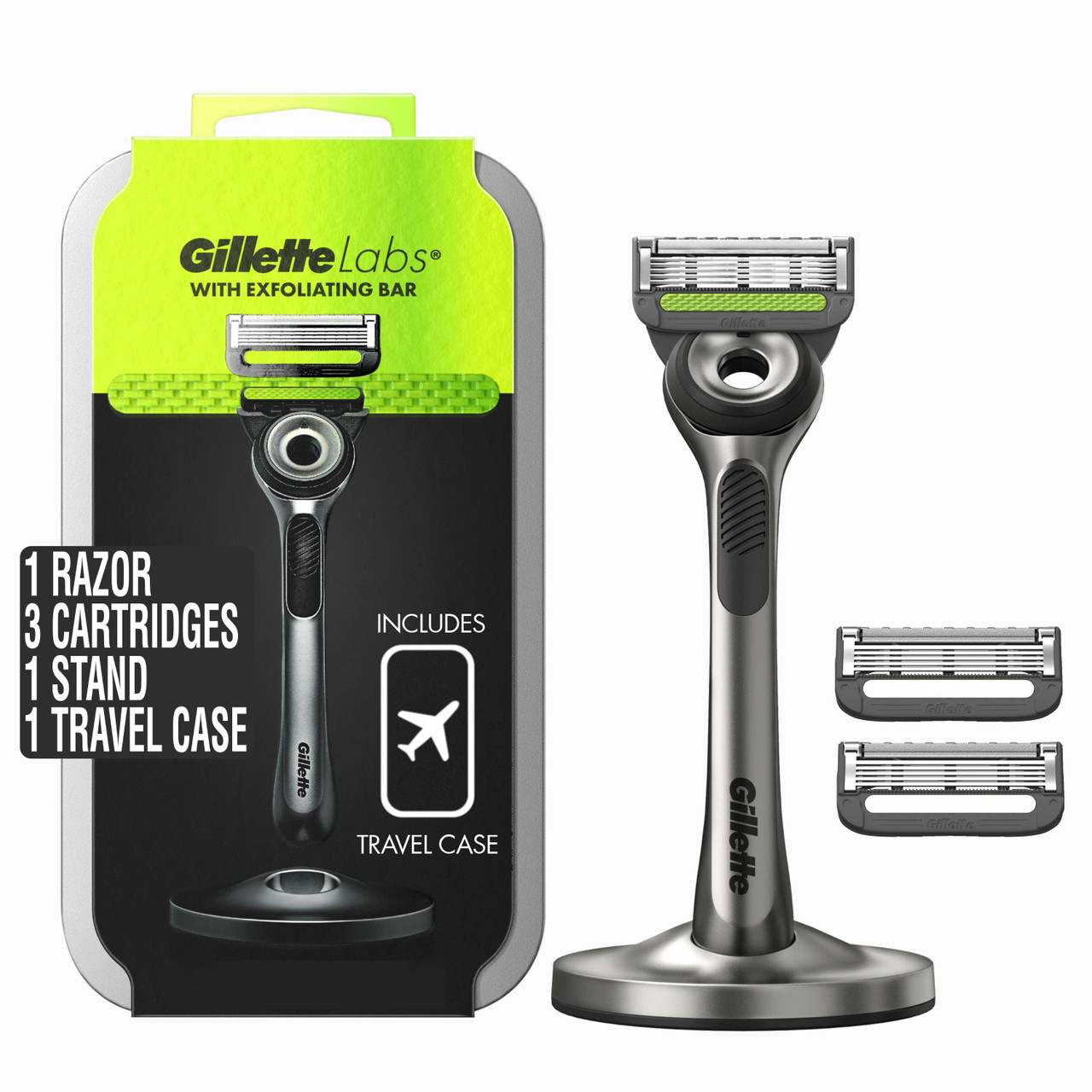
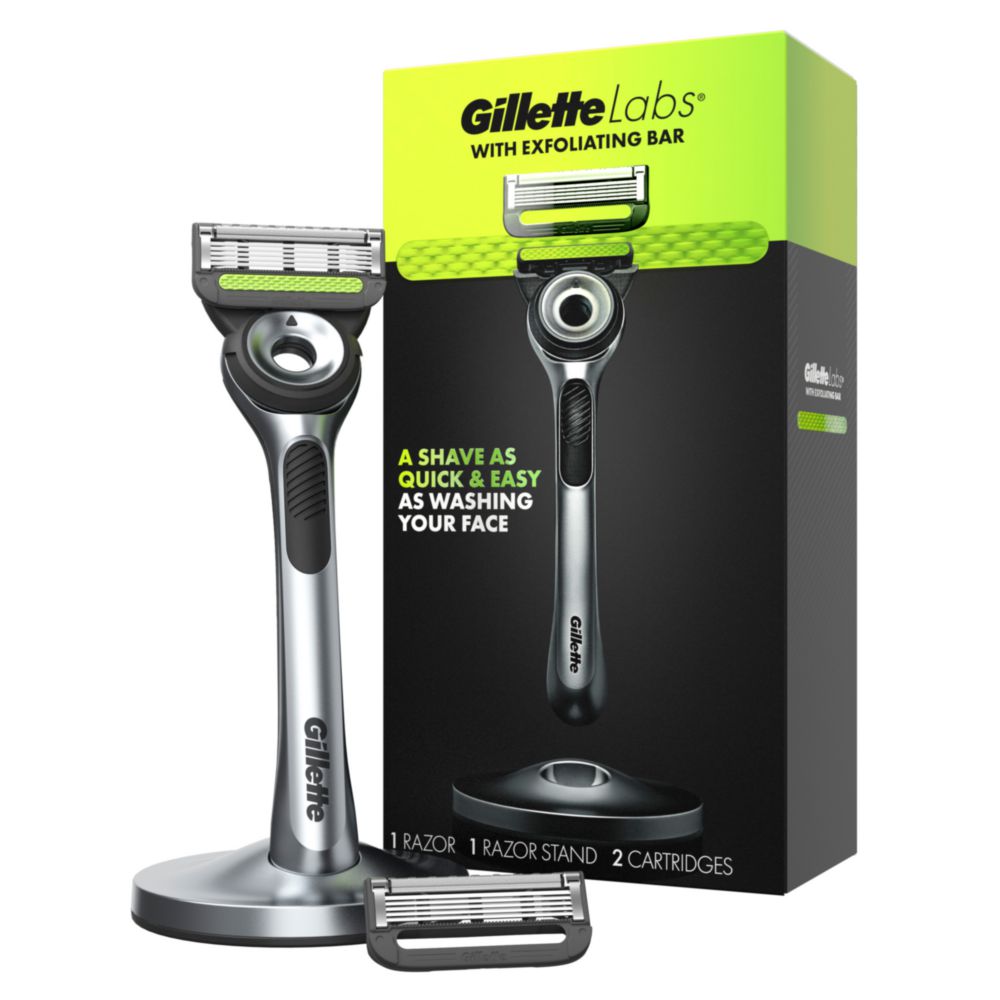
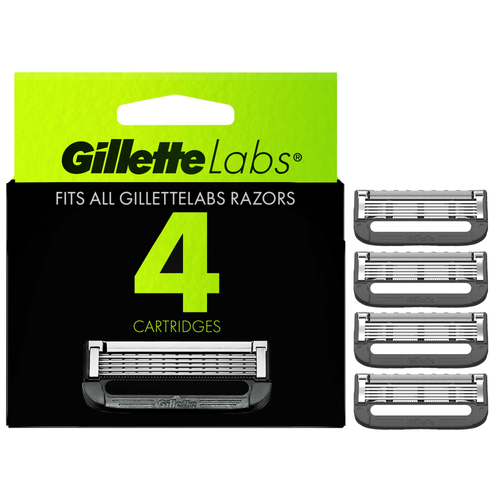
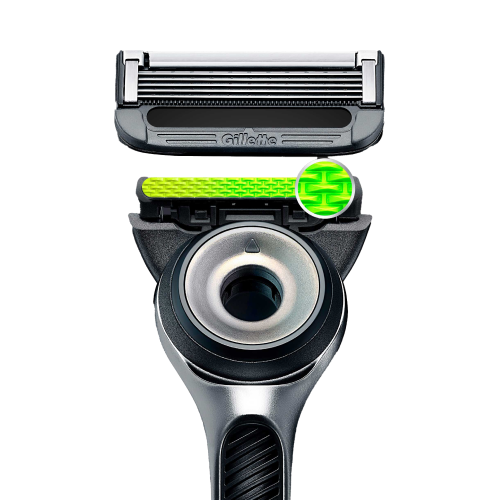
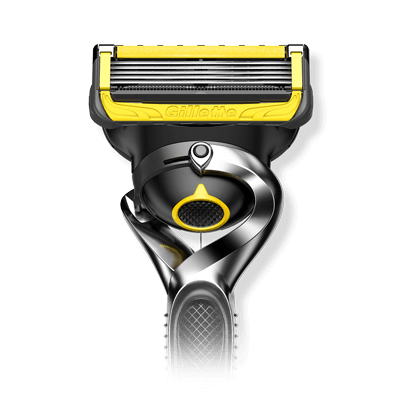
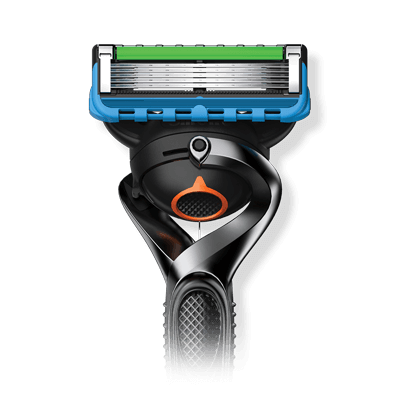
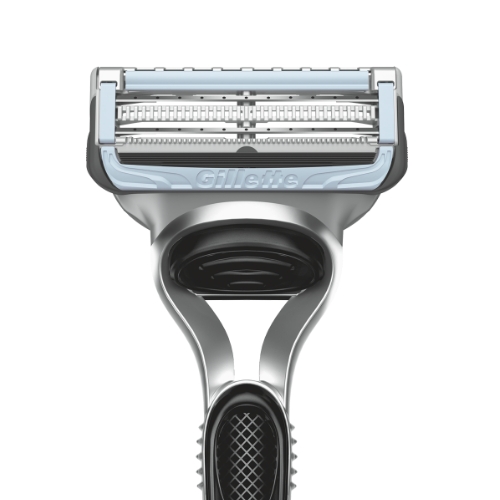
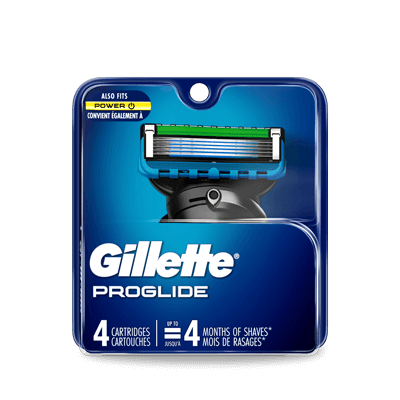
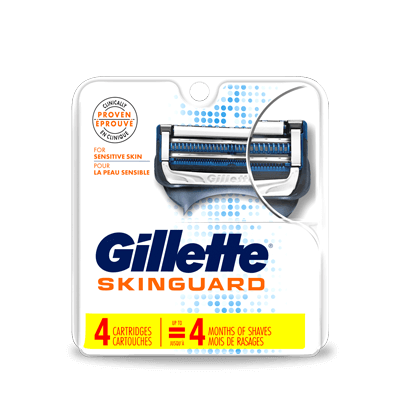
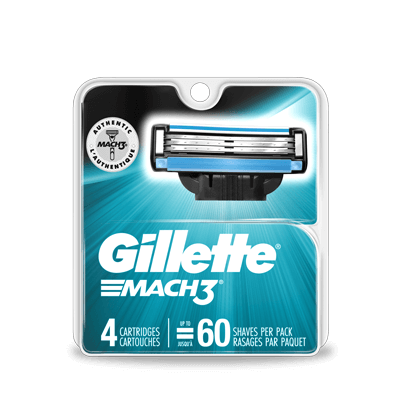
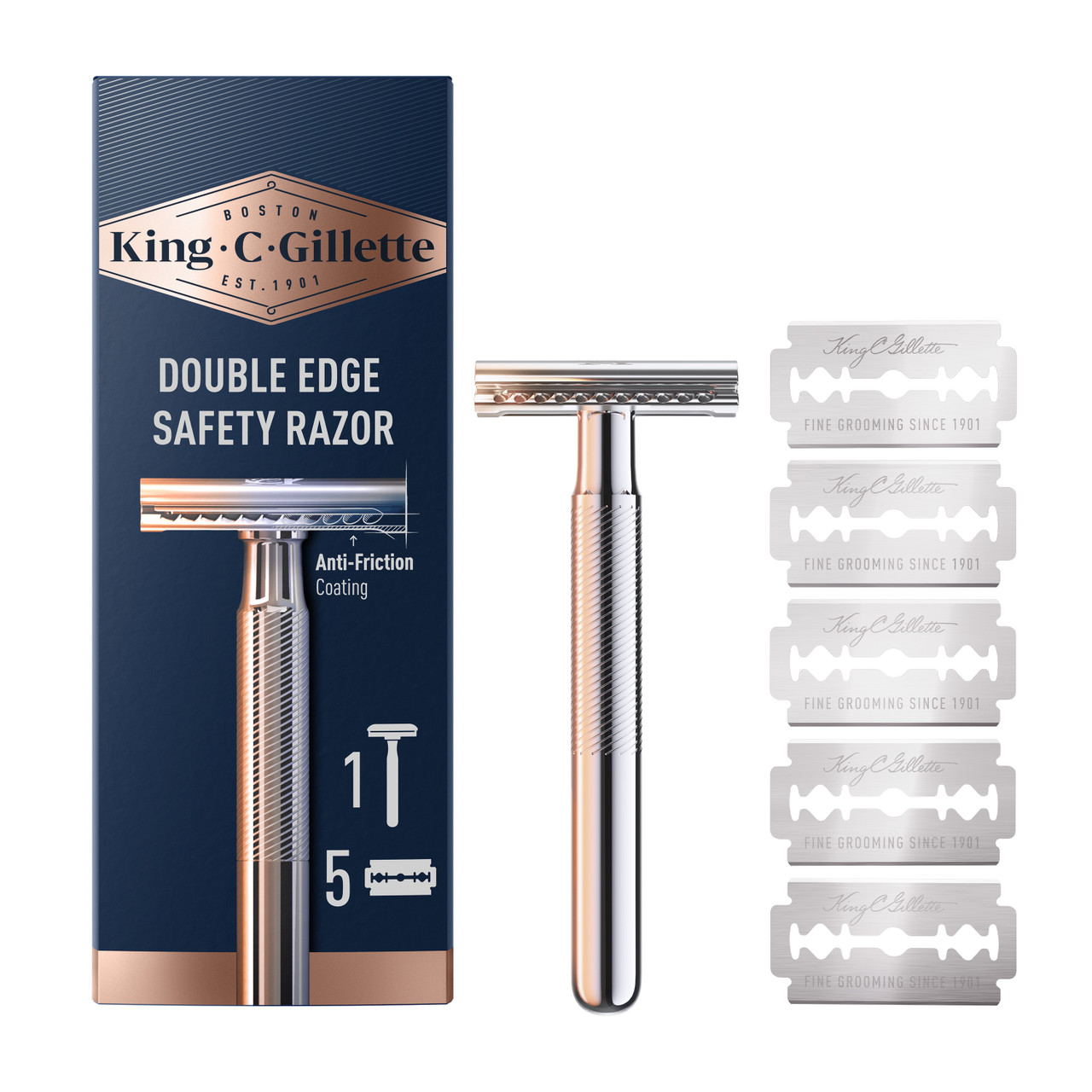
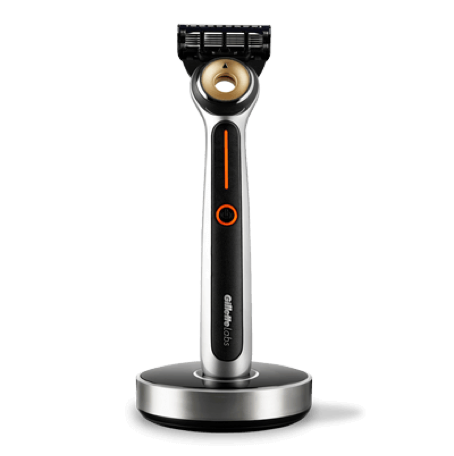
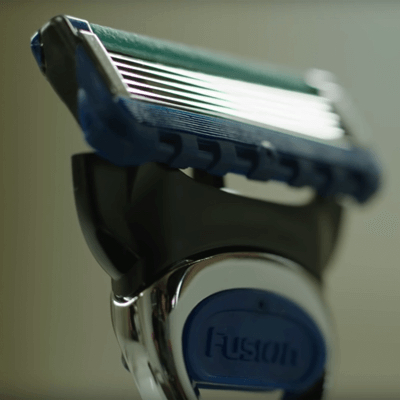
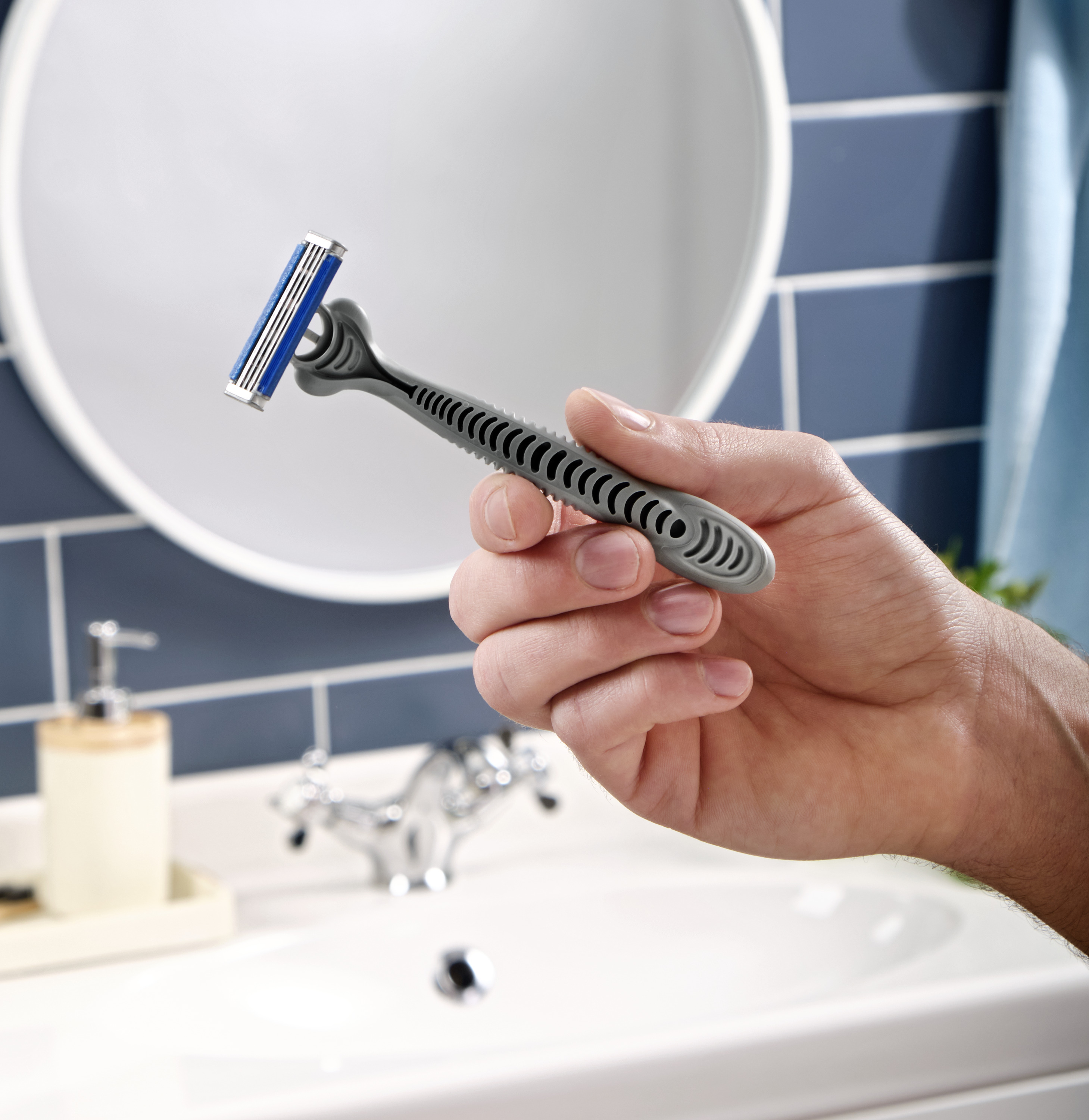
- Manual Razor for a Close Finish
- Shaving Gel/Cream: GilletteLabs Rapid Foaming Shave Gel for cushion & glide.
- Aftercare: Alcohol‑free balm or soothing moisturizer to calm and support the skin barrier.
- Optional: Gentle exfoliator; pubic anti-chafe stick for high friction days.
Essential Body Grooming Principles Every Man Should Know
Whether you’re new to manscaping or refining your approach, these foundational principles help ensure smoother results with less irritation over time.
Step 1
Establishing a Routine
A steady grooming routine keeps hair manageable and skin comfortable, making each session quicker and reducing irritation. Groom during or after a shower to soften hair, and maintain regular upkeep for smoother, easier results.
Why it matters: Soft, lifted hair reduces pulling and ingrown.
Step 2
Choosing the Right Grooming Tools
Body and intimate areas require purpose‑built tools to manage thicker hair and sensitive skin with better control—use dedicated body and intimate trimmers for longer hair, body razors for a smoother finish, and adjustable‑length trimmers for added convenience.
Why it matters: The right tools match body contours and hair thickness for safer grooming.
Step 3
Shaving with the Grain vs. Against
Shaving with the grain is the safest way to minimise irritation, razor bumps and ingrowns. Start with the grain, avoid going against the grain on sensitive areas, and use light pressure with a sharp blade.
Why it matters: Minimizes irritation and razor bumps.
Step 4
Exfoliation Before Grooming
Exfoliating before grooming removes dead skin and lifts hairs so blades glide more smoothly, helping prevent clogged blades and reducing ingrown hairs.
Why it matters: It lifts trapped hairs and removes dead skin so the razor glides smoothly and helps prevent ingrowns.
Step 5
Moisturising After Grooming
Post-grooming care is essential for calming freshly shaved skin. Apply a soothing, alcohol‑free moisturizer or balm immediately after grooming to reduce redness, dryness, and irritation. Choose gentle, fragrance-free formulas to support skin recovery.
Why it matters: It soothes skin and prevents post- shave dryness or irritation.
Step 6
Hygiene & Tool Maintenance
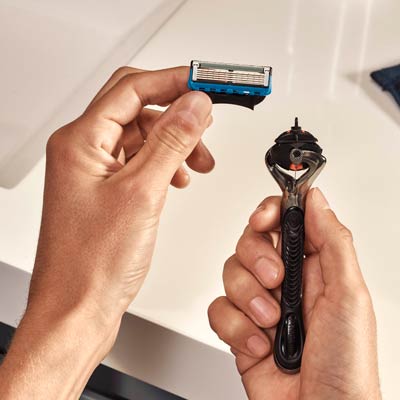
Keeping grooming tools clean ensures safer, more effective results. Rinse tools thoroughly after each use, allow razors and trimmers to dry fully, and replace blades regularly to prevent dullness, tugging, and hygiene issues.
Why it matters: It keeps tools hygienic and sharp, preventing irritation, tugging, and ineffective shaving.
Common Manscaping and Body Grooming Mistakes to Avoid
Avoiding common grooming mistakes makes your routine safer, smoother, and more comfortable. Issues like razor burn, tugging, or irritation usually come from prep, tools, or pressure—so keeping these basics in mind helps protect sensitive skin and ensures better results every time.
- Using face razors on the body: Facial razors aren't designed for thicker, multi directional body hair and can increase nicks and irritation.
- Shaving dry skin: Skipping hydration leads to drag, razor burn, and ingrowns. Always soften hair with warm water first.
- Skipping warm up prep: Grooming without a shower or pre-soak makes coarse body hair harder to cut and increases discomfort.
- Using too much pressure: Body skin, especially underarms and the groin, is elastic and easily irritated. Let the razor glide instead of pushing down.
- Shaving with dull blades: Dull cartridges tug, skip, and create micro cuts. Replace blades as soon as you feel resistance.
- Ignoring aftercare: Freshly shaved skin needs soothing. Skipping moisturizer can lead to dryness, itch, and redness.
Pro Tip:
“If you feel your razor dragging, don’t force it, rinse it, re-lather, or switch to a fresh cartridge for comfort and safety.”
How to Handle the Most Common Men’s Body Grooming Problems
Most body grooming problems come from pressure, blade condition, or skipped prep—and small adjustments usually fix them quickly.
- If you’re dealing with ingrown hairs → Exfoliate gently before grooming and shave strictly with the grain. Avoid chasing closeness on day one, as over-shaving increases the risk of trapped hairs.
- If you notice razor burn → Ease up on pressure, switch to a fresh blade, and use more shave gel to improve glide and reduce friction.
- If hair feels like it’s tugging → Use a longer guard and trim more slowly before shaving. Removing bulk first helps the razor glide smoothly.
- If your skin feels dry afterward → Switch to a fragrance-free moisturiser and keep sessions shorter to reduce irritation on sensitive areas.
How Do You Take Care of Your Skin After Body Grooming?
Good aftercare keeps freshly groomed skin calm, hydrated, and irritation free, helping it stay smooth and comfortable long after shaving.
- Cool rinse: Use cool water to calm the skin and reduce any posts-have warmth or sensitivity.
- Pat dry (don’t rub): Gently press the skin dry with a clean towel to avoid friction on newly shaved areas.
- Apply a fragrance-free moisturizer: Hydrate immediately to help restore the skin barrier and prevent dryness or itchiness.
- Use anti-chafe products if needed: Ideal for groin, inner thighs, or any area where skin may rub during workouts or daily movement.
- Clean and dry grooming tools: Rinse blades and trimmer heads thoroughly, then let them air dry to prevent buildup and keep future shaves hygienic.
Pro Tip:
“Always moisturize within the first 60 seconds after shaving, your skin absorbs hydration best when it’s still damp.”
How Should Men Groom Different Body Areas?
Each body area has its own sensitivity, hair pattern, and angles, so your technique should adjust slightly for comfort and better results. Here’s a quick, practical guide to approaching the most common zones of men.
Note:
“Avoid shaving over active irritation, cuts, or bumps.”
How to Shave Pubic Hair for Men?

Shaving the pubic area starts with trimming to reduce hair length, then softening the skin and hair with warm water. Apply shave gel and use light, short strokes with the grain. Rinse, then apply a fragrance free moisturizer to keep the skin calm. For safety, wash your hands and tools, use a sharp dedicated pubic razor, avoid sharing tools, and never shave over cuts or irritated skin.
Key points: trim first, soften hair, use gel, shave with the grain using short strokes, moisturize afterward.
For a complete step-by-step guide, read our full article on How to Shave Your Pubic Hair Safely.
Pro Tip:
“Shave in small sections instead of sweeping long strokes, it gives more control.”
How to Shave Your Chest?

Chest grooming is about controlling hair density and following its natural growth. Trim first to avoid tugging, soften the area with warm water, apply shave gel for smoother glide, then shave using light downward strokes. If your skin allows, finish with a gentle across the grain pass.
Hydration afterward is key — freshly shaved chest skin can feel tight or itchy without a soothing moisturizer.
Key points: trim first, soften hair, shave with the grain, moisturize immediately.
For a complete step-by-step guide, read our full article on How to Shave Your Chest Hair.
How to Shave Under Your Arms?

Underarm grooming needs a flexible approach since hair grows in different directions. Lift your arm to stretch the skin, apply a thin layer of shave gel, and use light strokes in multiple directions to avoid tugging. After shaving, rinse well, pat dry, moisturize, and wait before applying deodorant if your skin is sensitive.
Key points: multidirectional growth, thin gel layer, light strokes, hydrate afterward.
For a complete step-by-step guide, read our full article on How to Shave Your Underarms.
How to Shave Your Back?

Back grooming is tough because of reach, so use a long handle tool or get help. Trim first, soften the skin, apply shave gel, then shave with long, gentle strokes and rinse often. Finish by moisturizing to keep skin calm.
Key points: use a long reach tool, trim first, soften skin, gentle strokes, moisturize.
For a complete step-by-step guide, read our full article on How to Shave Your Back Safely.
How to Shave Your Head?

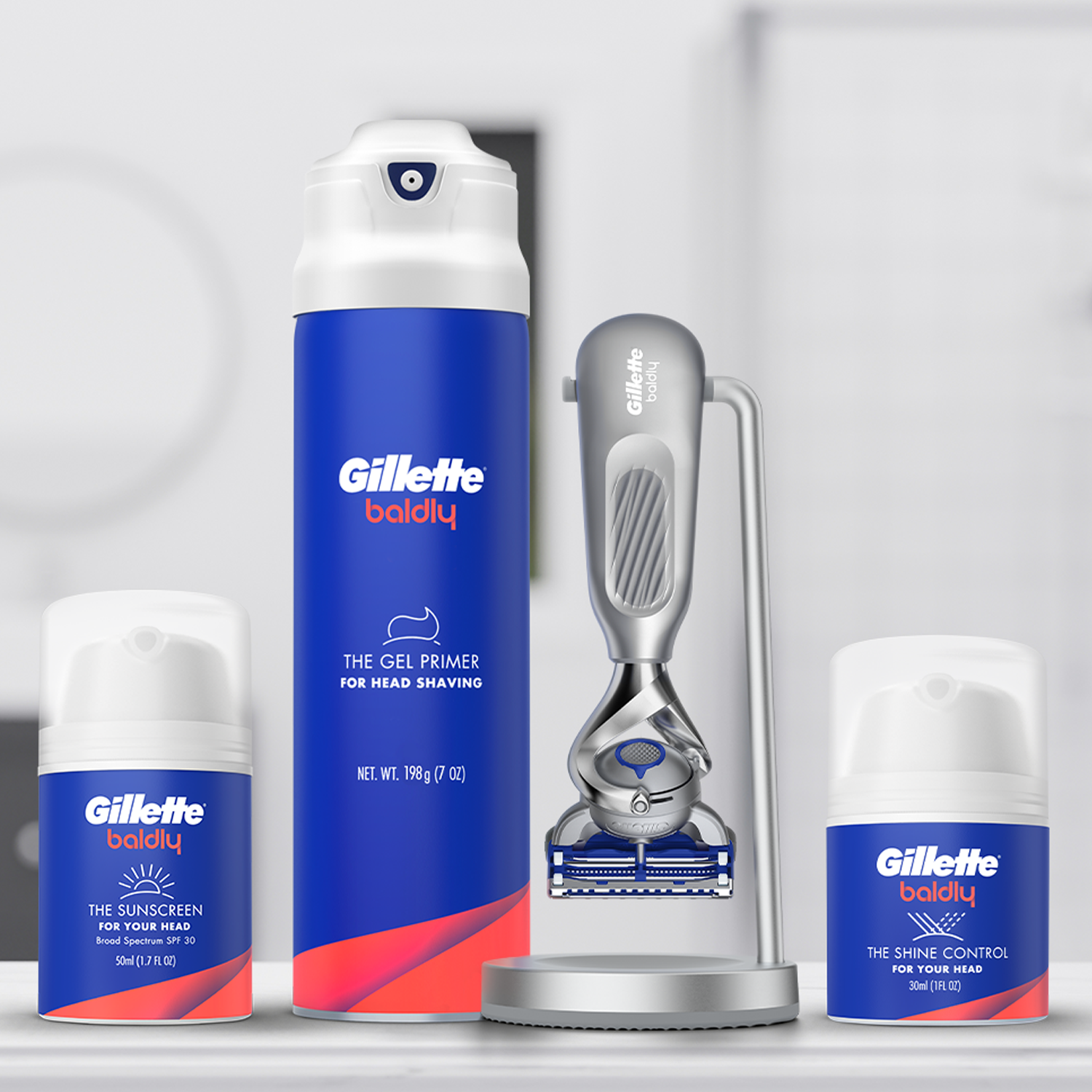
Head shaving works best when the hair is trimmed evenly first. A warm shower softens the scalp, and shave gel helps the razor glide smoothly over curves. Use light, controlled strokes and take extra care around the crown and nape, then finish with a soothing balm to keep the scalp hydrated and irritation free.
Key points: trim first, soften hair, controlled strokes, soothe with balm.
For a complete step-by-step guide, read our full article on How to Shave Your Head.
How To Cut Your Own Hair?
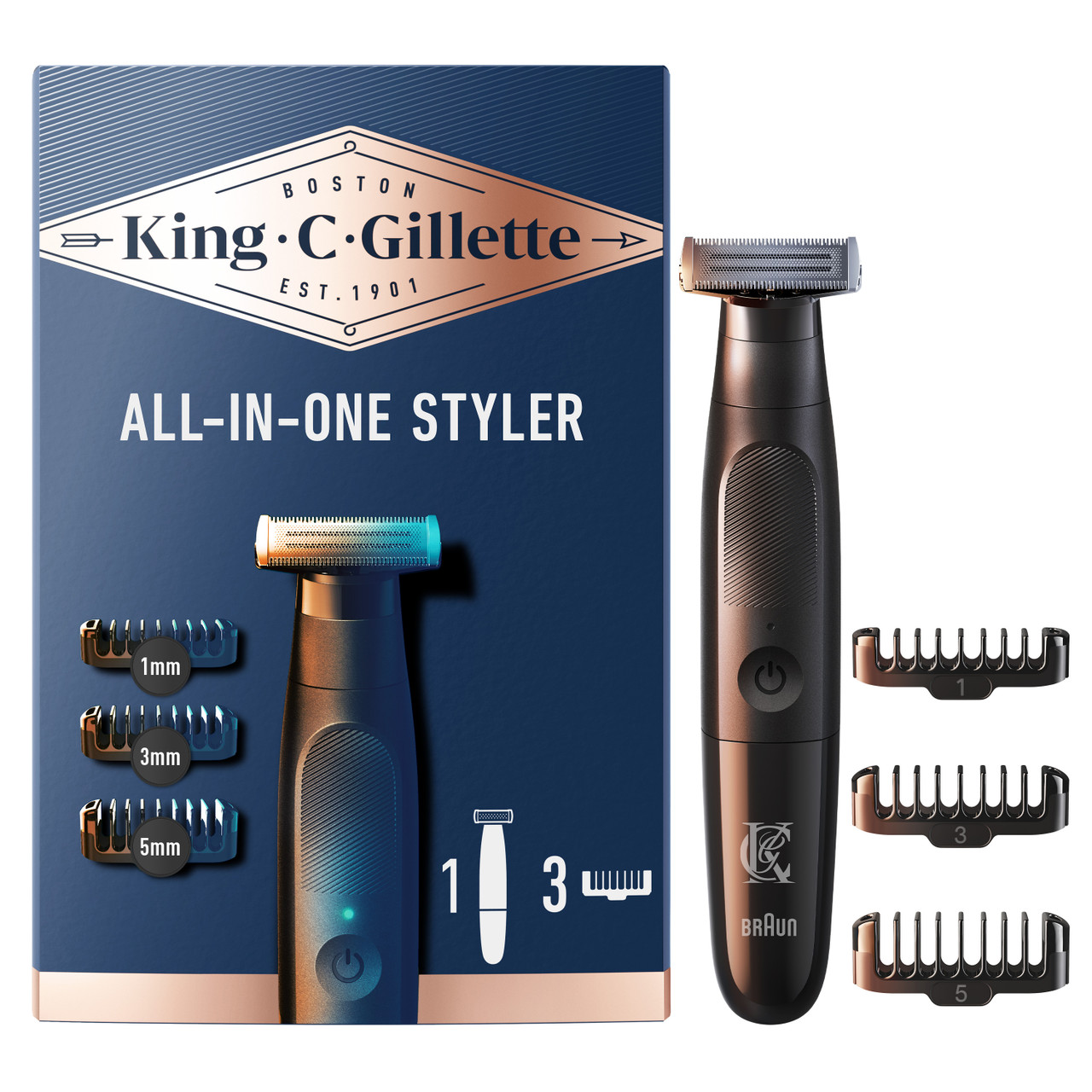
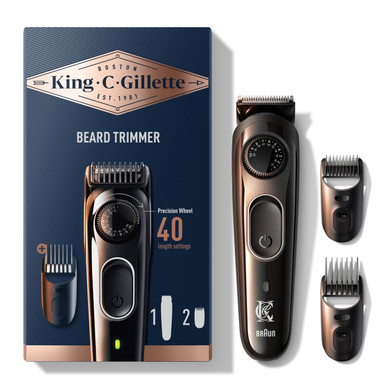
- The Buzz Cut: The buzz cut is a classic, low-maintenance style that’s easy to achieve with the King C. Gillette all-in-one Styler. Use one guard all over for an even finish; clean up the neckline and around the ears.
- The Fade Cut: The fade haircut gradually shifts from short at the neckline to longer at the crown and can be done at home with the King C. Gillette all-in-one Styler. Keep the top longer and blend downward with shorter guards, using patience and multiple mirror angles for an even finish.
Grooming Tips Based on Your Skin Type or Hair Texture
Every man’s skin and hair are different, so small adjustments can make grooming noticeably more comfortable.
For sensitive skin:
- Sensitive skin needs gentle techniques, light pressure, and plenty of lubrication to minimise irritation.
- Use tools designed for sensitive areas and apply extra shave gel while shaving with lighter strokes.
For coarse or curly hair:
- Coarse or curly hair tangles easily, so trim first to reduce tugging and ingrowns.
- Shave slowly with the grain and avoid repeat passes to minimize irritation.
For preventing ingrown hair:
- Shave with gentle, controlled strokes
- Exfoliate before grooming
- Use post-shave soothing products
How to Adjust Your Grooming and Manscaping for Your Lifestyle or Occasion
Your grooming routine should flex with your schedule, activity level, and upcoming events. Small timing and technique shifts help keep your skin calm and your grooming results consistent.
For gym or active days:
- Trim sweat prone areas regularly to reduce friction and odor.
- Skip full shaves before workouts and cleanse skin afterward to prevent irritation prone areas regularly to reduce friction and odor.
For dates or special occasions:
- Groom 24–48 hours before so any minor redness settles.
- Exfoliate beforehand and moisturize afterward.
For seasonal changes:
- Groom more often in warm weather and use lighter moisturizers in summer.
- Switch to richer creams during winter to combat dryness.
What Are the Biggest Manscaping Myths?
There’s a lot of information, and misinformation, out there about body grooming. Let’s set the record straight by tackling some of the most common manscaping myths and realities.
FAQs on Men’s Body Grooming & Manscaping
-
Should I exfoliate before or after body grooming?

Exfoliate before grooming to lift trapped hairs and help the razor glide more easily. Then exfoliate again 24–48 hours after shaving to prevent ingrown hairs and keep skin smooth.
-
Does body grooming include pubic hair?

Yes—pubic grooming is part of full body manscaping. Dedicated body groomers and razors are specially designed to protect sensitive skin in this area and help reduce irritation.
-
Is it better to trim body hair wet or dry?
Trim dry, since guards work more consistently on dry hair. Shave wet, ideally after a warm shower when hair is soft and skin is clean for a smoother, more comfortable finish.
-
Can I use the same trimmer for my body and face?
It’s best to keep them separate for hygiene and performance. For intimate areas, always use tools made specifically for body grooming.
-
How Do Men Trim Stomach Hair?
To trim stomach hair, men should start with clean, dry skin. Use a trimmer with an adjustable guard, such as the King C. Gillette all-in-one Styler to achieve your desired hair length. Trim in the direction of hair growth using slow, even strokes. For a smoother look, Men can follow up with a dedicated body razor and a moisturising shave gel or cream, making sure to shave with the grain to minimize irritation.
-
Do body grooming tools cause ingrown hairs?
Using body groomers and razors designed specifically for sensitive skin and body hair, can help minimize the risk of ingrown hairs. To further reduce the chance, exfoliate before grooming to clear away dead skin, always use clean, sharp blades, and avoid shaving too closely or repeatedly over the same area.
-
Is it okay to shave body hair every day?
Yes—if your skin handles daily shaving without redness or irritation, it’s perfectly fine. Many men prefer shaving every other day or doing quick spot tidying to keep the skin balanced.
-
How often should a man manscape his groin?
Trim weekly or every two weeks depending on growth. If you shave the groin, leave recovery days between sessions and moisturize afterward to protect the sensitive skin.
-
Does body grooming make hair grow back thicker?
No—shaving does not alter the thickness, rate, or color of your regrowth. Hair simply feels thicker because the shaved edge is blunt, not tapered.
-
What’s the best way to avoid body odor when grooming body hair?
Keep hair shorter in high sweat zones, especially underarms and groin, then cleanse thoroughly and dry completely afterward. Anti-chafe products can also help reduce friction and odor on active days.
Was this article helpful?

