











Introduction
TL;DR / Quick Answer - What’s the Fastest, Safest Way to Shave Your Back?
The fastest, safest way to shave your back is to prep the hair, use a lubricating shave gel, and shave with gentle, controlled strokes.
- Soften hair in a warm shower
- Trim long or dense areas first
- Apply shave gel for glide
- Shave with the grain using a body razor
- Work section by section; reapply gel
- Rinse thoroughly and moisturize
Can You Shave Your Back by Yourself?
Yes — most people can shave their back on their own with the right tools and a steady, step-by-step approach. Even though it might seem like something that requires another person, today’s grooming tools make solo back shaving much more realistic.
Extended-reach trimmers, ergonomic body razors, and lubricating shave gels allow you to safely move the razor across hard-to-reach areas with better control. Getting help can make touch ups easier, but it isn’t necessary — with proper preparation and technique, you can achieve a smooth, comfortable back shave entirely on your own.

What Tools and Products You’ll Need to Shave Your Back at Home
To shave your back safely, choose tools designed for reach, control, and skin protection:
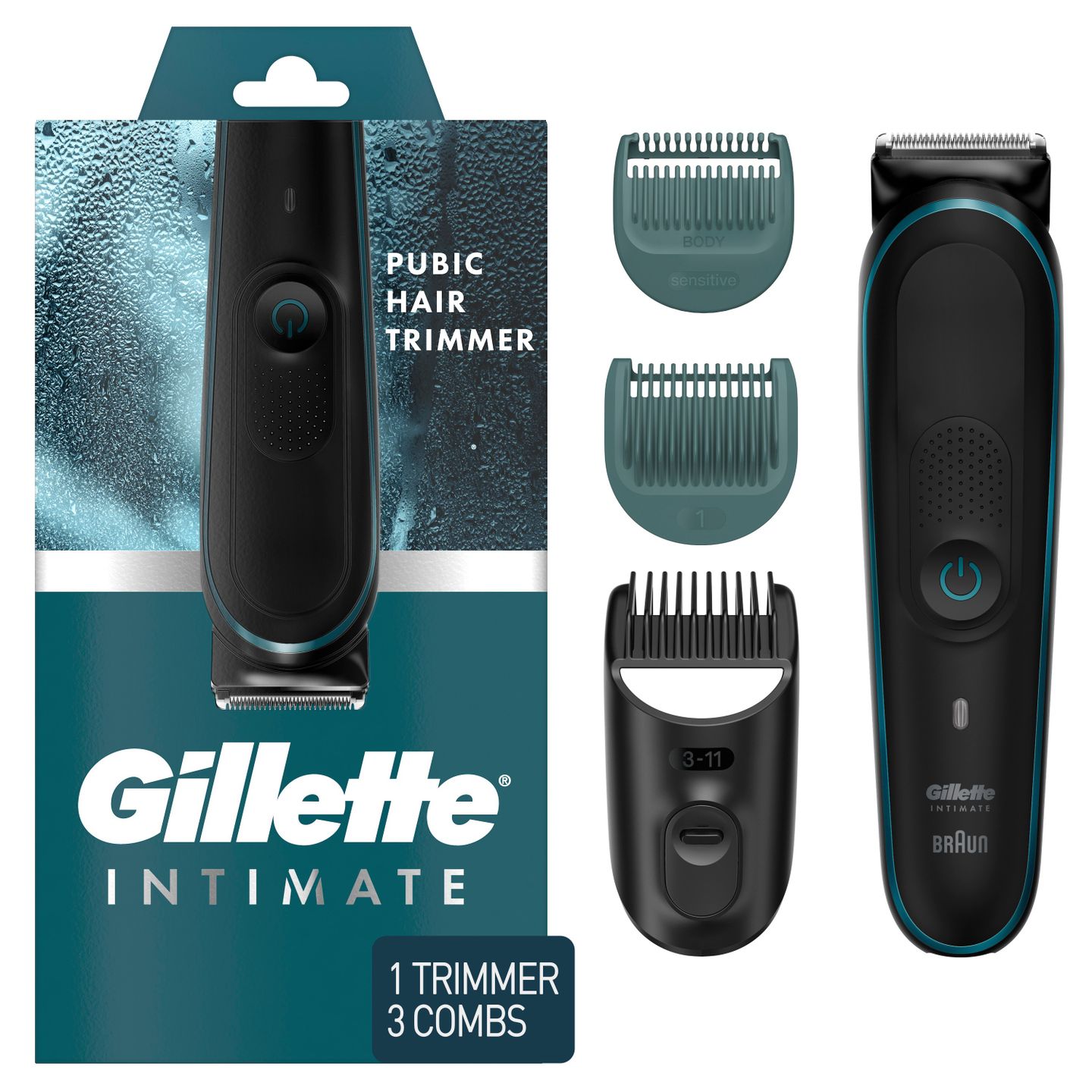
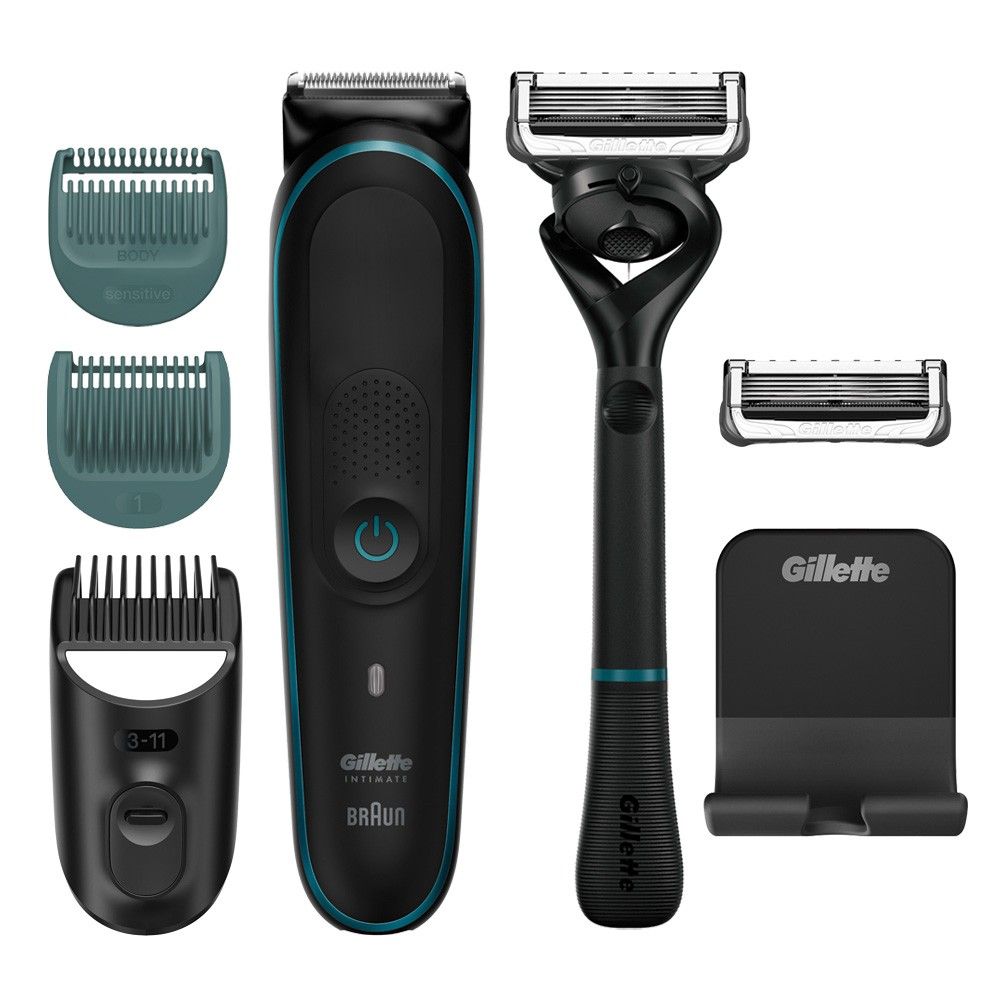
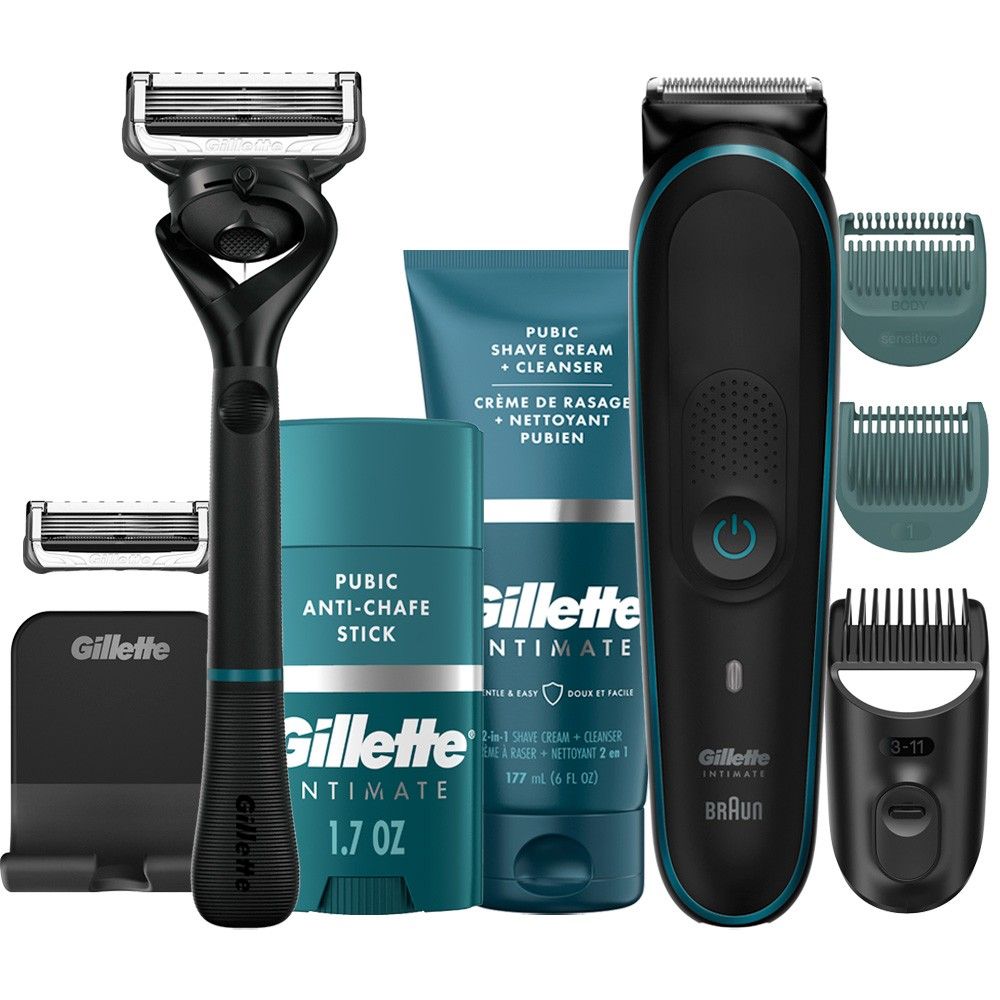
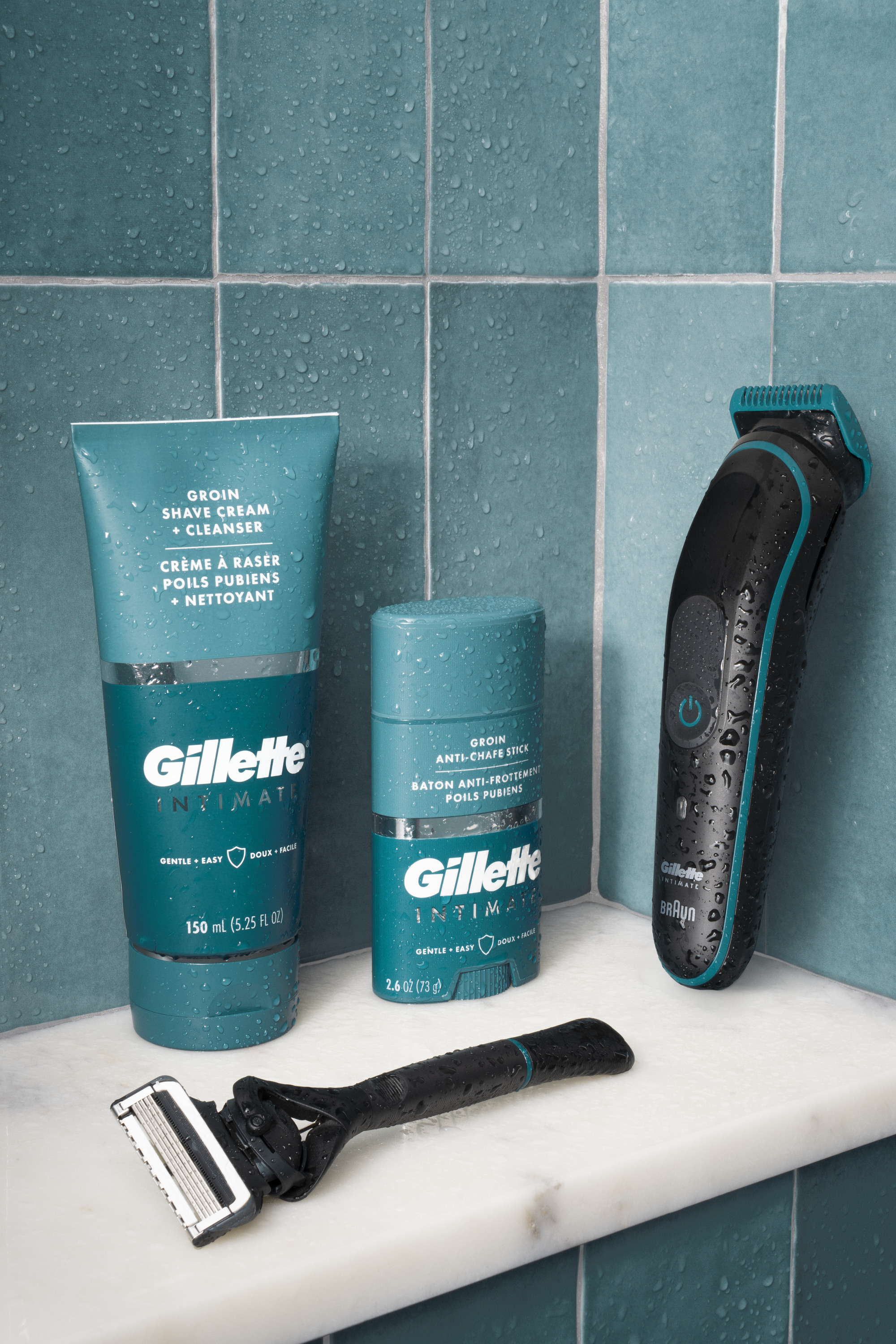
- Long reach body/back trimmer – Helps shorten long or thick back hair before shaving. A good option is the Gillette INTIMATE™ Pubic Hair Trimmer, which is gentle and cordless.
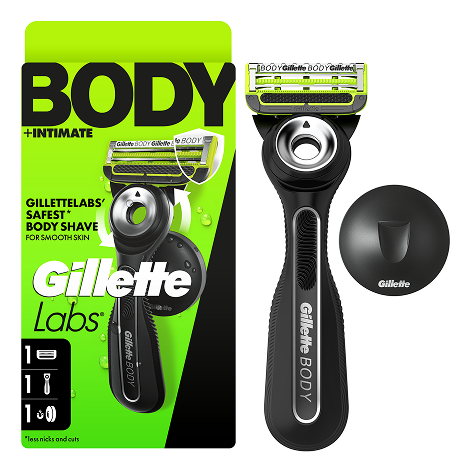
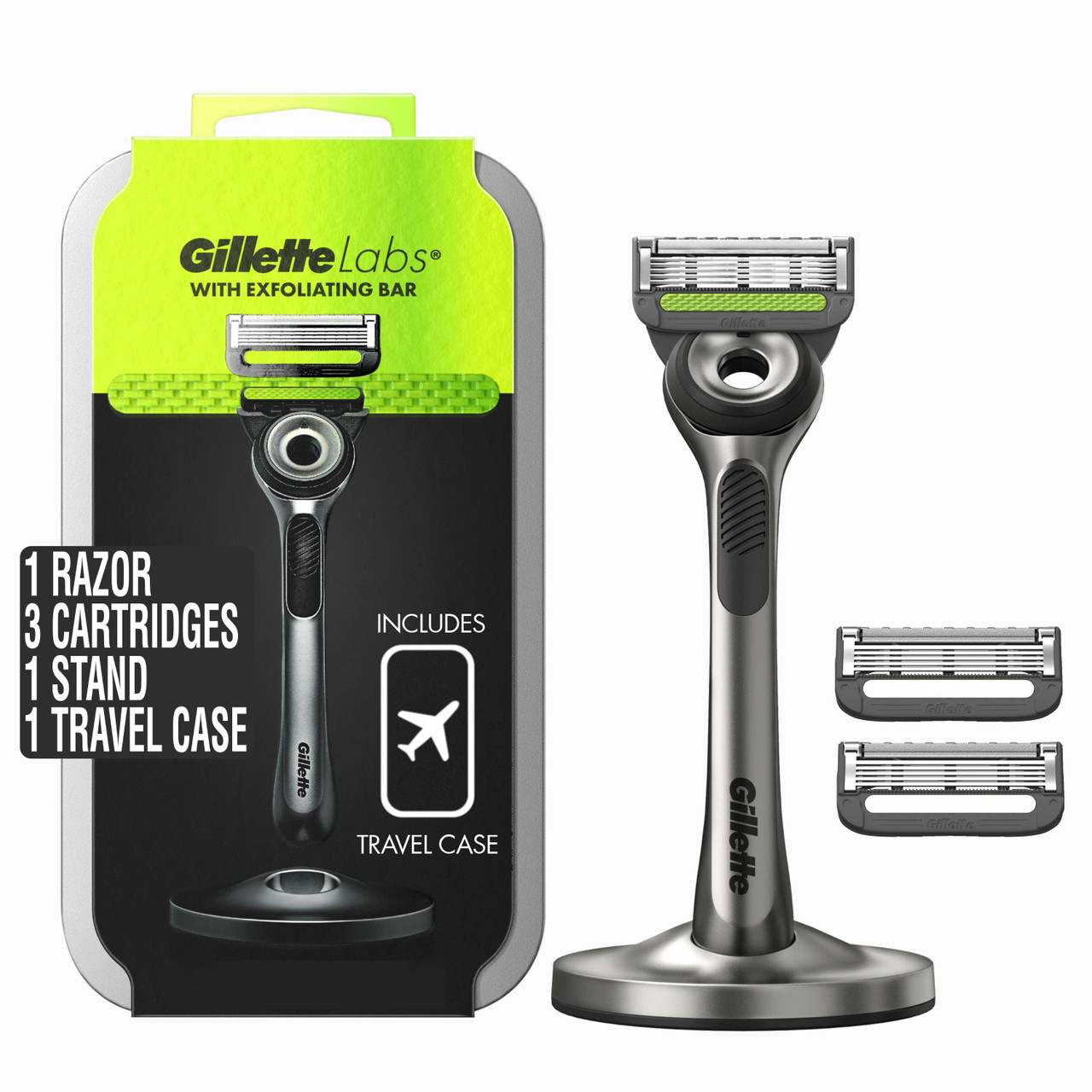
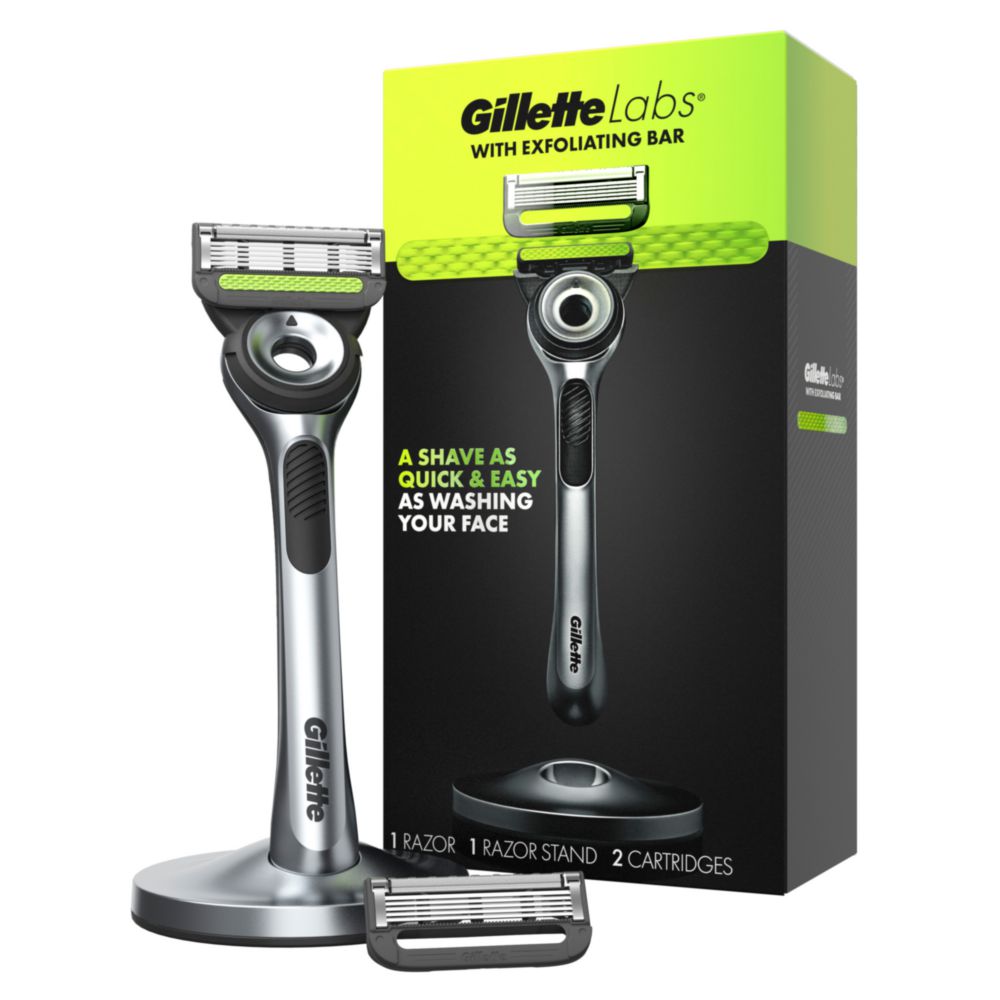
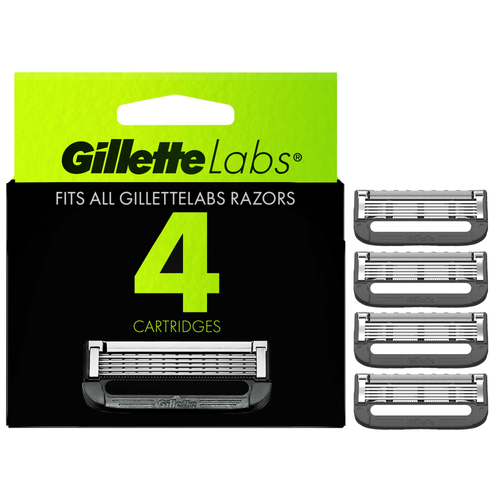
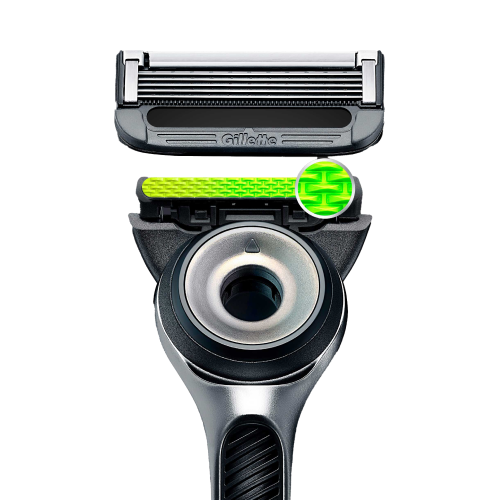
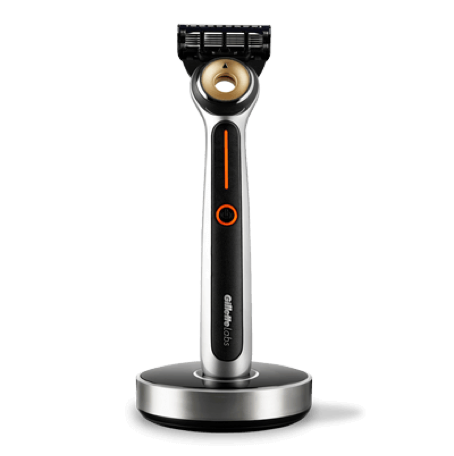
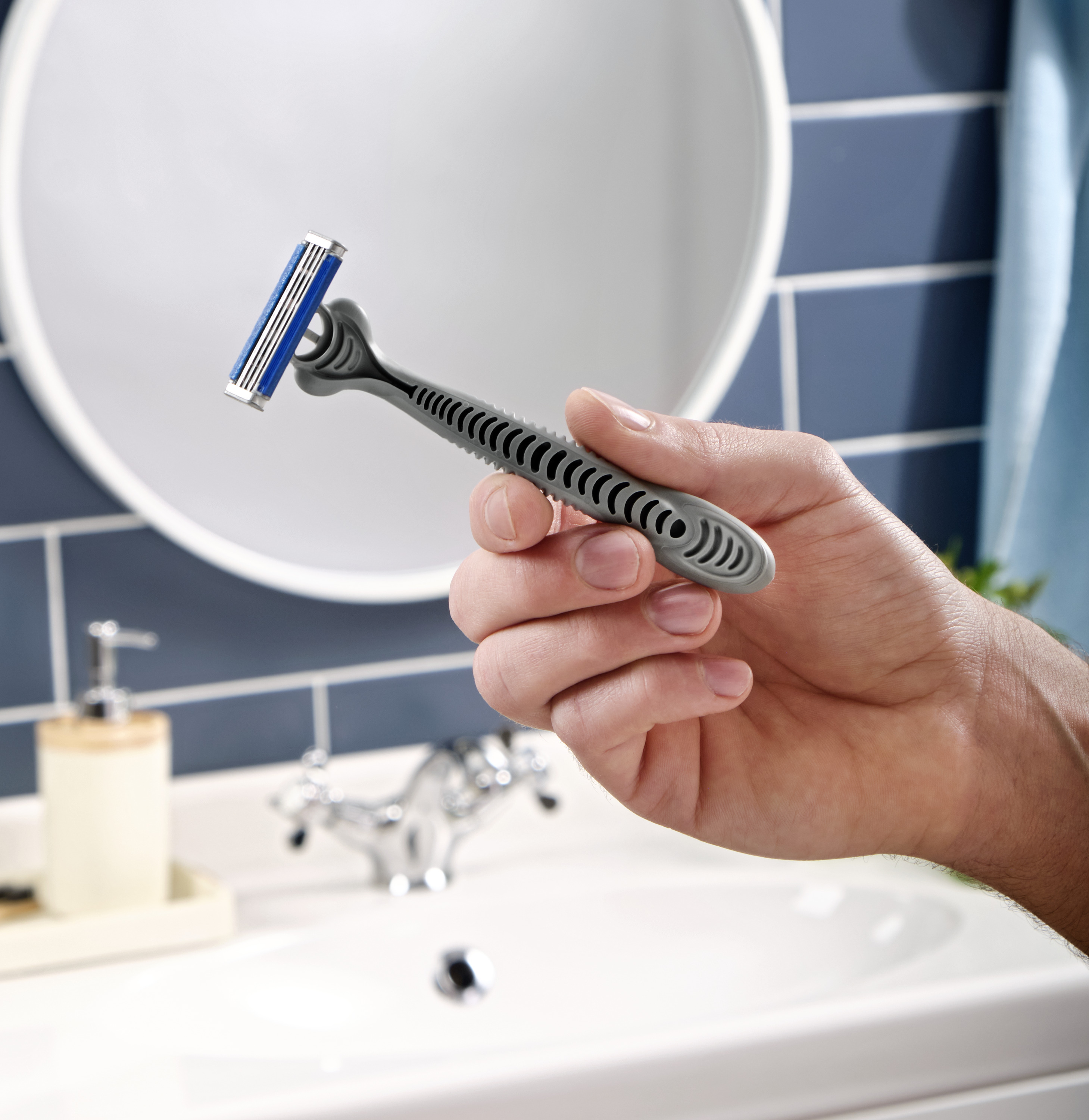
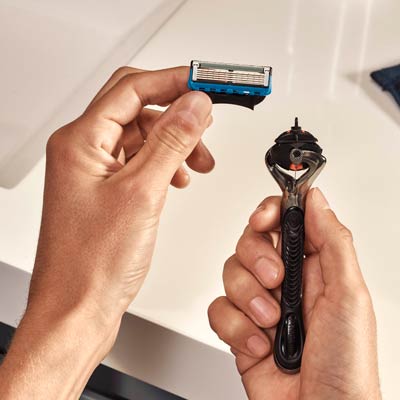
- Body razor with a non‑slip, ergonomic handle – Ensures better grip and smoother, safer strokes on larger areas. The GilletteLabs Body + Intimate Razor is designed for controlled passes, helping deliver a comfortable and precise body shave.
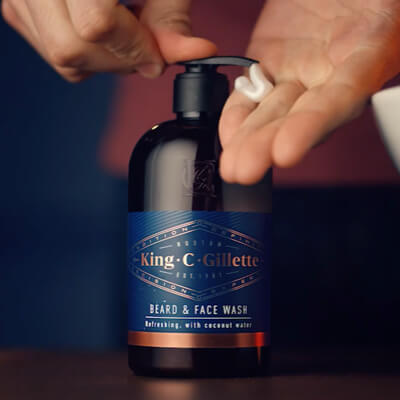
- Shave gel or cream – Use a lubricating gel (not bar soap or foam) to reduce friction. Gillette’s Intimate Shave Cream + Cleanser helps soften hair and protect sensitive skin.
- Warm shower, clean towel, and a fragrance-free moisturizer – Warm water softens hair, and a gentle moisturizer helps calm the skin after shaving.
- Optional tools – A dual mirror setup improves visibility, and an exfoliating cloth or scrub (2–3× weekly) helps prevent ingrown hairs.
Together, these tools allow you to trim bulk hair safely, shave with better control, and protect sensitive skin during and after shaving.
How Do You Shave Your Back Safely? (Step-by-Step Guide for Men)
Follow these clear, safety first steps for the smoothest results.
Step 1
Soften Your Back Hair in a Warm Shower
A warm shower is the easiest way to prep your back. Spend 2–3 minutes allowing steam to soften the hair. While in the shower, lightly exfoliate to remove dead skin that can trap stray hairs or contribute to ingrown hairs later.
Why it matters: Warm water softens coarse back hair, opens pores, and reduces tugging.
Step 2
Trim Longer Back Hair Before Shaving
If your back hair is long or thick, start by trimming with a body specific trimmer like Gillette INTIMATE™ Pubic Hair Trimmer. Aim to cut the hair down to a manageable length (a few millimeters). This makes the shave significantly smoother and helps minimize irritation.
Why it matters: Prevents razor clogging and reduces pulling.
Step 3
Apply a Protective Layer of Shaving Gel or Cream
Avoid dry shaving. Apply a generous amount of shaving gel to every section you plan to shave. A gel formula helps the razor glide more smoothly over large surface areas and reduces the risk of razor burn.
Why it matters: Proper lubrication reduces friction and protects the skin barrier.
Step 4
Shaving Technique
Use the Right Back Shaving Technique
- Shave with the grain (in the direction of hair growth)
- Keep pressure light
- Use short, steady strokes
- Work in manageable sections
- Rinse your razor after every few strokes
- Reapply gel when moving to a new area
If reaching the middle of your back is difficult, try reaching over your shoulder or up from your lower back. Go slowly to maintain control.
Why it matters: Technique determines comfort, closeness, and skin safety.
Step 5
Rinse and Pat Your Back Dry
Use warm water to rinse away shaving gel, loose hair, and buildup. Pat dry gently with a clean towel—never rub, as freshly shaved skin is more prone to redness.
Why it matters: Rinsing removes residue and prevents post-shave irritation.
Step 6
Moisturize to Soothe and Protect Skin
Apply an alcohol-free moisturizer or soothing aftershave balm. Hydrating the area helps restore the skin barrier and keeps your back comfortable throughout the day.
Why it matters: Hydration prevents redness, itchiness, and irritation.
Pro Tip:
“If you’re new or have sensitive skin, do one pass with the grain only.”
Mistakes to Avoid When Shaving Your Back
To keep your skin calm, prevent razor burn, and avoid accidental nicks, steer clear of these common back shaving mistakes: shaving mistakes:
- Dry shaving your back
Dry shaving dramatically increases friction, which leads to redness, razor burn, and painful tugging. Always soften hair with warm water and apply a lubricating shave gel or cream before you begin. - Using a face razor instead of a body razor
Face razors aren’t designed for the length, density, or surface area of back hair. They can clog quickly, slip in hard-to-reach areas, and cause irritation. Opt for a body specific razor or a long handle back shaver for safer, more controlled strokes. - Pressing too hard while shaving
Applying extra pressure doesn’t give a closer shave — it causes cuts, razor burn, and uneven strokes. Let the blade glide with light, steady pressure, allowing the razor design and lubrication to do the work. - Skipping the trimming step when hair is long
If your back hair is thick or long, shaving it immediately will clog your razor, cause pulling, and increase irritation. Trim the hair down to a few millimeters first using a body trimmer to create a smoother, easier shave. - Shaving directly over acne, raised moles, or irritated skin
Going over textured or inflamed skin is one of the fastest ways to get cuts. Shave around raised areas and use a guarded trimmer when precision is needed. If skin is irritated, let it calm before shaving. - Rushing through the shave
Back shaving requires patience and control. Fast, sweeping strokes lead to missed patches and increased irritation. Slow, short, with the grain strokes help ensure a safer, more even shave.
How Can Men Prevent Irritation, Razor Bumps, and Ingrown Hairs When Shaving Their Back?
Irritation, razor bumps, and ingrown hairs are usually caused by poor prep, dull blades, or shaving against hair growth—and all are preventable with the right routine.
To keep your back smooth and irritation free, follow these prevention essentials:
- Exfoliate 2–3 times per week
Regular exfoliation removes dead skin that can clog pores and trap hairs. Use a gentle scrub or exfoliating cloth—especially the day before shaving. - Always trim long hair first
Long, dense back hair tugs and clogs blades. Trimming it down to a short, even length helps your razor glide instead of pulling. - Use a lubricating shave gel
A high quality shave gel (not foam, bar soap, or water alone) reduces friction and keeps your skin protected throughout each stroke. - Shave with the grain
Always shave in the direction of hair growth. This lowers your risk of razor bumps, redness, and ingrown hairs. - Replace dull blades regularly
Dull blades force you to press harder and make repeated passes—both major causes of irritation. - Moisturize immediately after shaving
Hydrating the skin restores its barrier, reduces redness, and prevents dryness. - Avoid tight clothing right after shaving
Compression shirts, backpacks, and friction-heavy fabrics can irritate freshly shaved skin. Choose loose, breathable clothing for a few hours. - Don’t shave over breakouts, moles, or irritated spots
Shave around these areas or use a trimmer for precision. Avoiding broken or raised skin prevents cuts and inflammation.
Troubleshooting Guide: What Should You Do If Something Goes Wrong While Shaving Your Back?
Most shaving issues can be corrected quickly with a small adjustment in technique, sharper tools, or targeted aftercare.
- If the razor tugs → Trim shorter or switch to a sharper blade
Tugging means the hair is too long or the blade is dull. A quick trim or blade change will restore smooth gliding. - If irritation appears → Apply a calming, fragrance-free balm free balm
Look for soothing moisturizers designed to calm redness. Give your skin a day or two to recover. - If you miss a patch → Re-wet, reapply gel, and shave gently
Never dry shave a missed spot—moisture and lubrication prevent razor burn. - If redness persists → Give your skin a recovery break
Skip shaving for 48–72 hours, moisturize daily, and avoid friction until your skin settles. - If your razor clogs → Rinse more frequently between strokes
Back hair is thick; rinse every few strokes and shorten your passes to prevent buildup.
Aftercare: How Do You Care for Your Skin After Shaving Your Back?
Aftercare is just as important as shaving—it helps skin recover, stay smooth, and avoid bumps.
Aftercare essentials:
- Apply a fragrance-free moisturizer free moisturizer
Hydrating immediately after shaving helps calm the skin and prevents dryness. - Avoid sweating or friction for a few hours
Exercise, hot tubs, backpacks, and tight shirts can irritate freshly shaved skin. - Wear loose, breathable clothing
Let the skin breathe to prevent heat and sweat buildup. - Exfoliate lightly after 48 hours
A gentle exfoliation once the skin has recovered helps prevent ingrown hairs. - Hydrate the skin regularly
Daily moisturizing strengthens the skin barrier and keeps it comfortable. - Keep your razor clean and dry
Rinse thoroughly after each use and allow your tools to dry completely to prevent buildup and bacteria.
FAQs About Back Shaving Guide for Men
-
How often should men shave their back?

This depends on hair growth and personal preference. If you like a consistently smooth feel, shaving every two to four days works well. For general upkeep, weekly shaving is usually sufficient.
-
Which is better for men’s back hair: shaving, waxing, or laser?

Shaving is the easiest and most affordable at home option. Waxing lasts longer, while laser offers the longest term reduction but requires multiple professional sessions.
-
Is it better to shave your back wet or dry?
Wet shaving is much safer because warm water softens the hair and reduces tugging. Shave gel also improves glide and helps prevent irritation.
-
Do you shave up or down on your back?
Shave with the direction of hair growth to reduce razor burn and ingrown hairs. This makes the shave smoother and gentler on the skin.
-
Is it okay to use a facial razor on your back?
You can, but it’s not ideal—face razors clog quickly and aren’t designed for wide, hard to reach areas. A body razor or long reach back shaver is much safer.
-
What should I do if I have acne or moles on my back?
Shave around raised or irritated spots to avoid cuts. If an area is sensitive or bumpy, use a trimmer instead of a blade.
-
What should I do if I miss a spot while shaving my back?
Never dry shave a missed patch. Re-wet the area, apply fresh shave gel, and make a few gentle strokes to touch it up.
-
Which shaving gel is best for preventing back irritation?
Choose a lubricating, fragrance-free shave gel designed for sensitive skin. Look for formulas that provide long glide and reduce friction over large areas.
-
What tools help reach the middle of your back when shaving?
A long handle back shaver or an extended-reach body razor works best. A dual mirror setup also improves visibility for safer strokes.
-
Does shaving your back make the hair grow back thicker?
No—shaving doesn’t change the thickness, speed, or density of hair growth. It may feel coarser initially only because the cut ends are blunt.
Was this article helpful?

