









Introduction
TL;DR / Quick Answer - What’s the Fastest Way to Prevent and Treat Razor Bumps & Ingrown Hairs?
For smooth, razor bump & ingrown hair free skin, follow this routine:
- Hydrate and gently exfoliate before shaving.
- Use a fresh sensitive-skin razor with an alcohol-free gel.
- Shave with the grain using short, light strokes.
- Rinse with cool water and apply an alcohol-free soothing balm.
- If razor bumps & ingrown hairs appear pause shaving, moisturize daily, and use a wet/dry electric trimmer until skin calms.
Essential Tools and Products to Prevent Razor Bumps & Ingrown Hair
To achieve a smooth, irritation free shave and minimize razor bumps (pseudofolliculitis barbae), stock your shaving kit with these proven essentials:
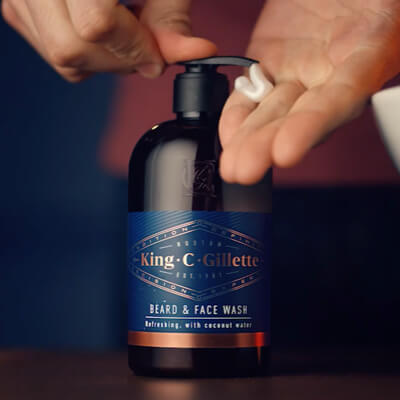
- Gentle Cleanser (Pre-Shave Prep): Use SkinGuard Face Scrub to cleanse and gently exfoliate for smoother shaving.
- Mild Exfoliant: Low‑strength chemical exfoliants help lift dead skin and reduce ingrown hairs.
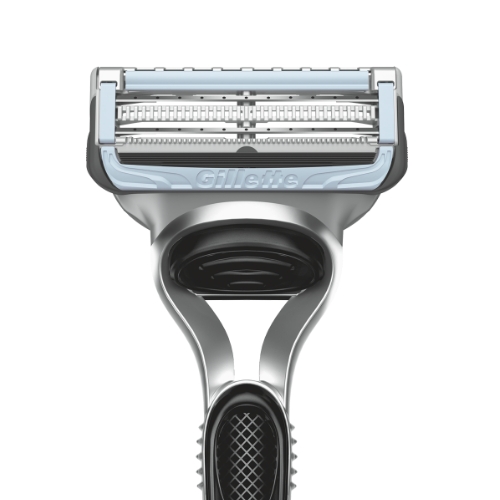
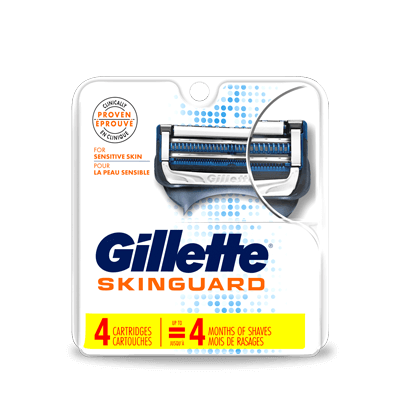
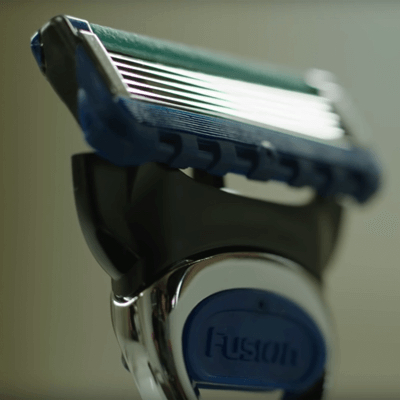
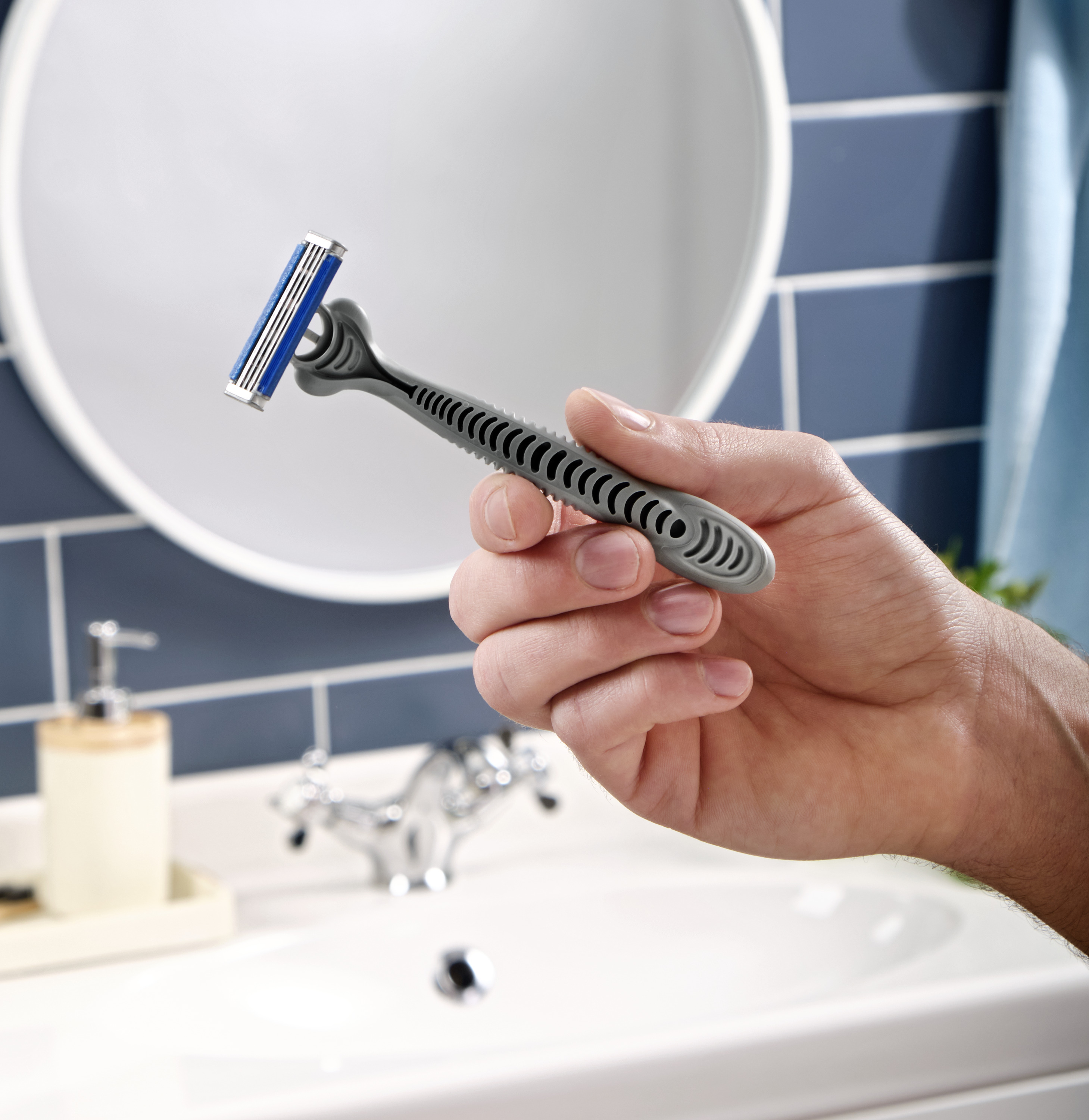
- Sensitive Skin Razor with Fresh Blades: The Gillette SkinGuard Sensitive Skin Razor with two blades and an irritation defence bar minimizes tugging and razor bumps. You can replace blades frequently (SkinGuard razor blades refills available separately).
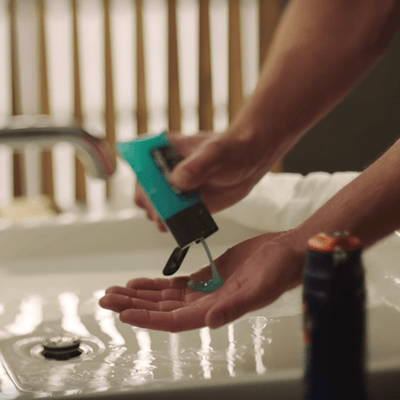
- Alcohol-free shave gel: For high glide and reduced friction, use quality Shave Gel and if you specifically need alcohol-free then GilletteLabs Rapid Foaming Shave Gel is formulated with no alcohol, dyes, or parabens, and cools to soothe while protecting from shaving irritation.
- Post-shave soothing balm or lightweight moisturizer (alcohol-free): Helps calm skin and support the barrier after shaving.
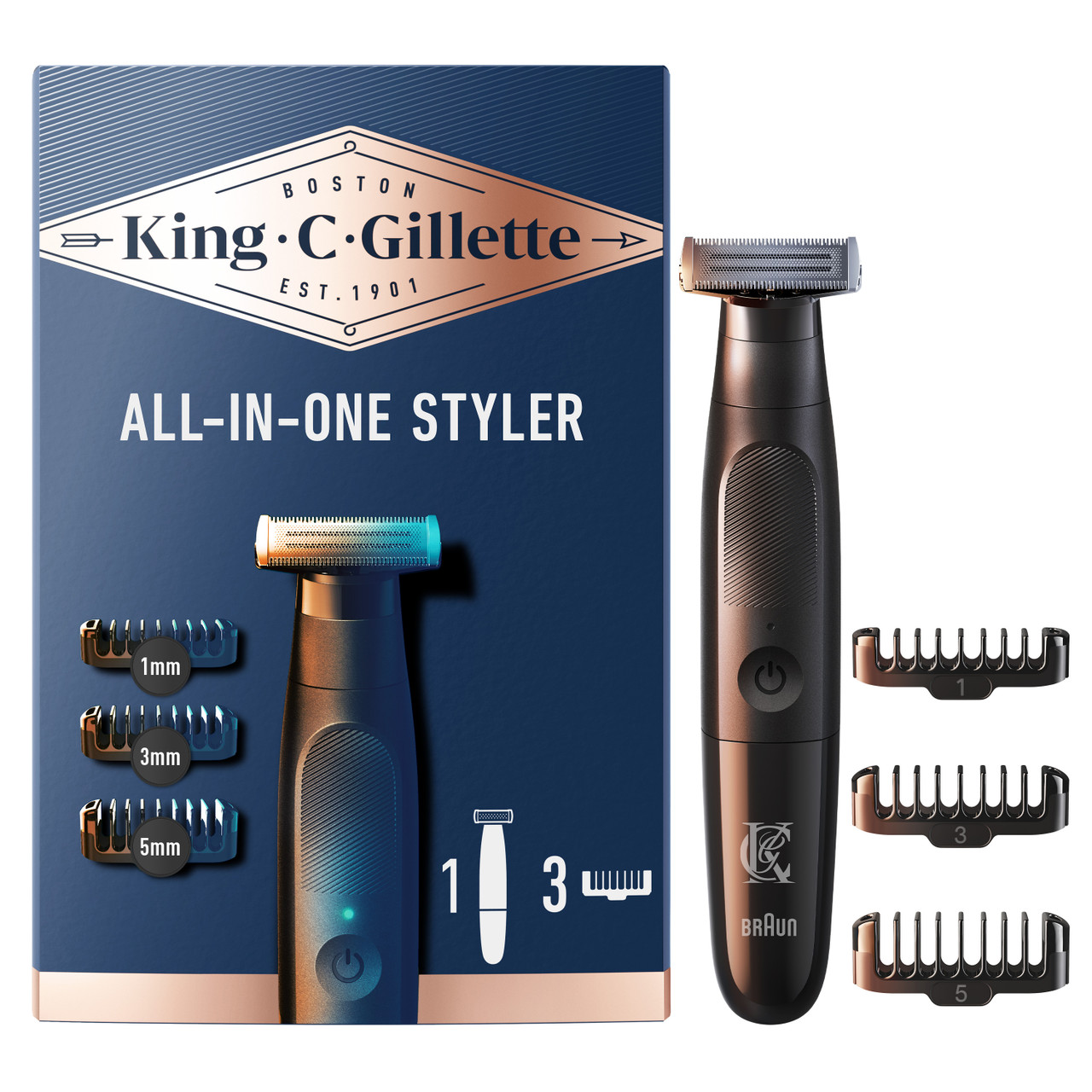
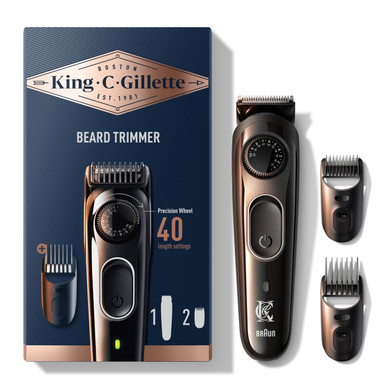
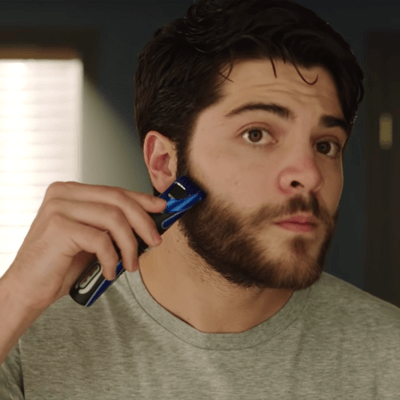
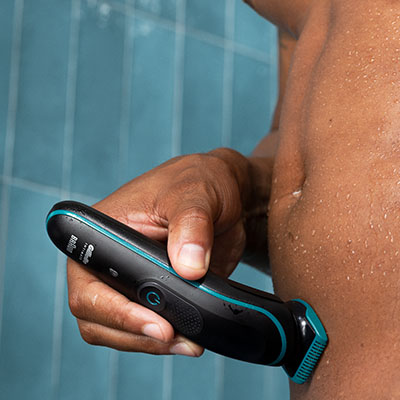
- Optional: Wet/Dry Electric Trimmer (Low Irritation Grooming): King C. Gillette All in One Styler is a 100% waterproof, cordless multi styler with 3 combs—ideal for maintaining stubble or trimming when you want to avoid a close shave.
What Are Razor Bumps and Ingrown Hairs?
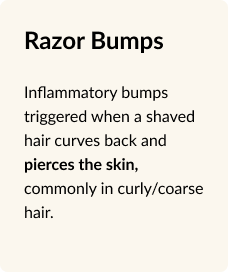
Razor bumps occur when shaved hairs curl back and penetrate the skin or become trapped just beneath the surface, causing inflammation, tenderness, and sometimes discoloration.
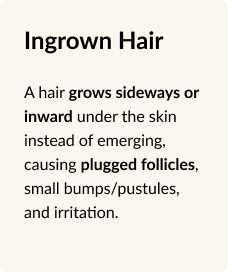
They are more common with curly or coarse hair and very close shaves. Ingrown hairs, on the other hand, develop when a hair grows sideways or inward under the skin instead of emerging normally. This can lead to small bumps or pustules, itching, and localized irritation, often worsened by dry skin or buildup around the follicle.
What Are the Common Symptoms & Where Do They Occur
- Common symptoms include clusters of raised tender bumps, visible redness, itching, and sometimes dark post inflammatory marks.
- They occur most commonly on the neck/jawline, armpits, bikini line, and legs—areas with frequent shaving and curved hair growth.
Razor Bumps vs Ingrown Hair vs Razor Burn
Why Do Razor Bumps & Ingrown Hairs Happen?
Razor bumps & ingrown hairs occur due to a combination of genetics, hair type, and shaving habits. Curly or coarse hair is more likely to re‑enter the skin, and improper shaving techniques can increase the likelihood of irritation. Shaving with typical face razors deliver a very close shave!
Hair can retract below the skin, also known as hysteresis. This is great for a close face shave, but not always in the sensitive body areas where ingrown hairs are more likely.
-
Because of Hair Type & Genetics:
Razor bumps and ingrown hairs often start with a genetic tendency toward curly or coarse hair. These hair types have irregular shafts that naturally curve back toward the skin after shaving, making them more likely to re-enter the surface and trigger inflammation. This is why razor bumps and ingrown hairs are more common in individuals with tightly curled hair. If you suspect severe or persistent symptoms, consulting a dermatologist is always recommended.
-
Shaving Habits That Cause Razor Bumps:
Beyond genetics, certain shaving practices can increase your risk:
- Multi-directional hair growth on the neck means some hairs naturally curve or spiral. Shaving against the grain too early or aggressively cuts hair too close, making it easier for tips to pierce the skin. These hairs are much more likely to become ingrown.
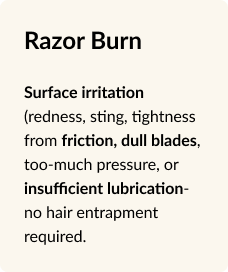
- Using dull blades and applying heavy pressure causes tugging and angled cuts that increase the risk of ingrown hair.
- Skipping hydration and exfoliation leaves hair dry and resistant, leading to more pulling and irritation during shaving.
- Making multiple passes without re-lathering adds friction and trauma to the skin surface.
- Wearing tight clothing and experiencing friction after shaving can trap hairs and worsen irritation.
When hair is dry, it’s harder for the razor to cut cleanly, which can result in angled tips that easily penetrate back into the skin. Proper preparation hydration, exfoliation, and use of sharp blades help reduce these risks.

How Do You Prevent Razor Bumps & Ingrown Hairs — Step-by-Step Guide
Preventing razor bumps requires proper prep, gentle technique, and consistent aftercare. Following a grain‑first routine and using sensitive‑skin products helps minimize irritation and keeps skin smooth.
Pro Tip:
“Map hair growth directions (grain) with your fingers before shaving—especially on the neck and jawline.”
Step 1
Prepare Your Skin
Cleanse your skin to remove oil and dirt, then hydrate with warm water to soften the hair.
Why it matters: Soft, hydrated hair is easier to cut and reduces the chance of razor bumps.
Step 2
Use the Right Tools
Use a fresh Gillette SkinGuard Sensitive Skin Razor, paired with GilletteLabs Rapid Foaming Shave Gel (alcohol‑free) for high glide and protection.
Why it matters: The right razor and gel reduce friction, tugging, and ingrown hairs.
Step 3
Shave With Gentle Technique
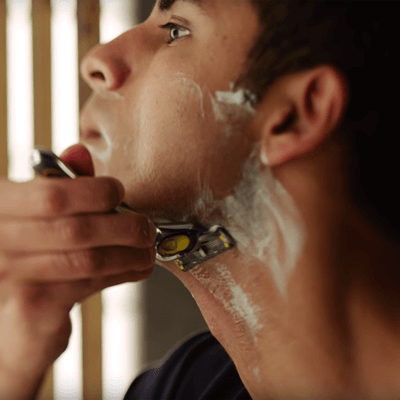
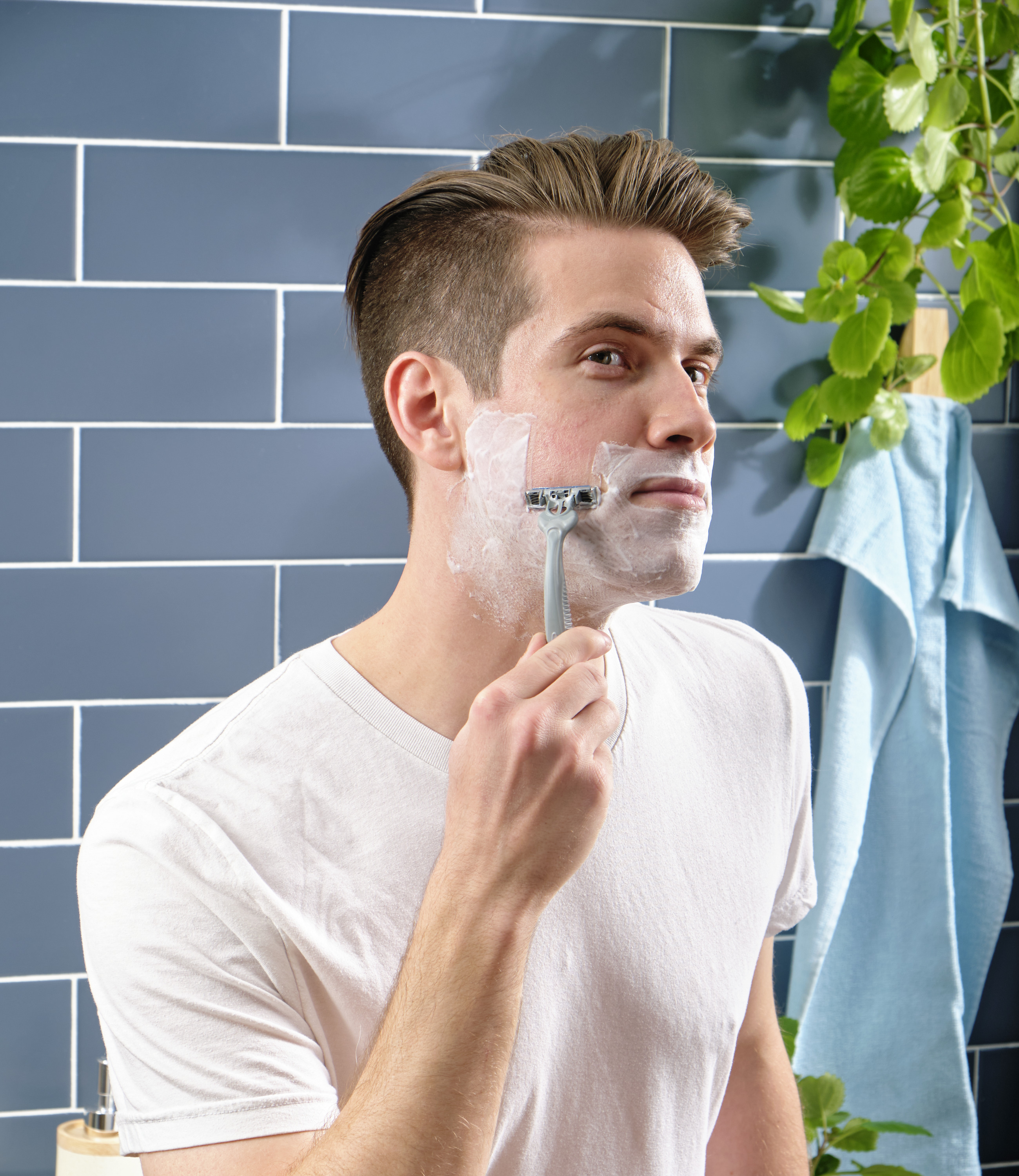
Shave with the grain using light pressure and short strokes. Reapply gel before a second pass and avoid shaving against the grain on the neck.
Why it matters: Gentle, grain‑first shaving prevents sharp hair tips that curl back into the skin.
Step 4
Follow Proper Post‑Shave Care
Rinse with cool water, then apply an alcohol‑free soothing balm and a light moisturizer.
Why it matters: Cooling and hydrating skin immediately helps prevent irritation and bumps.
Step 5
Adjust Shaving Frequency
Give your skin rest if it becomes irritated. Consider wet/dry electric trimmers to keep a neat look with lower risk.
Why it matters: Reducing friction allows skin to heal and prevents recurring bumps.
How Do You Treat Razor Bumps by Area?
Different areas of the body react differently to shaving friction, so treatment must be tailored. Focusing on grain patterns, gentle technique, and minimizing irritation helps soothe bumps no matter where they occur.
Here’s how to prevent bumps where you shave most often.
Razor Bumps on Neck & Jawline (High Risk)
The neck and jawline have curved, uneven surfaces that cause blades to cut hair at inconsistent angles. This makes it easier for freshly cut hairs to become trapped or grow inward.
- Map the grain carefully before shaving as this area often has irregular hair growth.
- Keep strokes short and gentle to minimize irritation.
- Avoid tight collars immediately after shaving to reduce friction.
- Use across-the-grain passes only if tolerated; never shave against the grain here to prevent razor bumps.
Razor Bumps on Legs, Armpits, Pubic Area
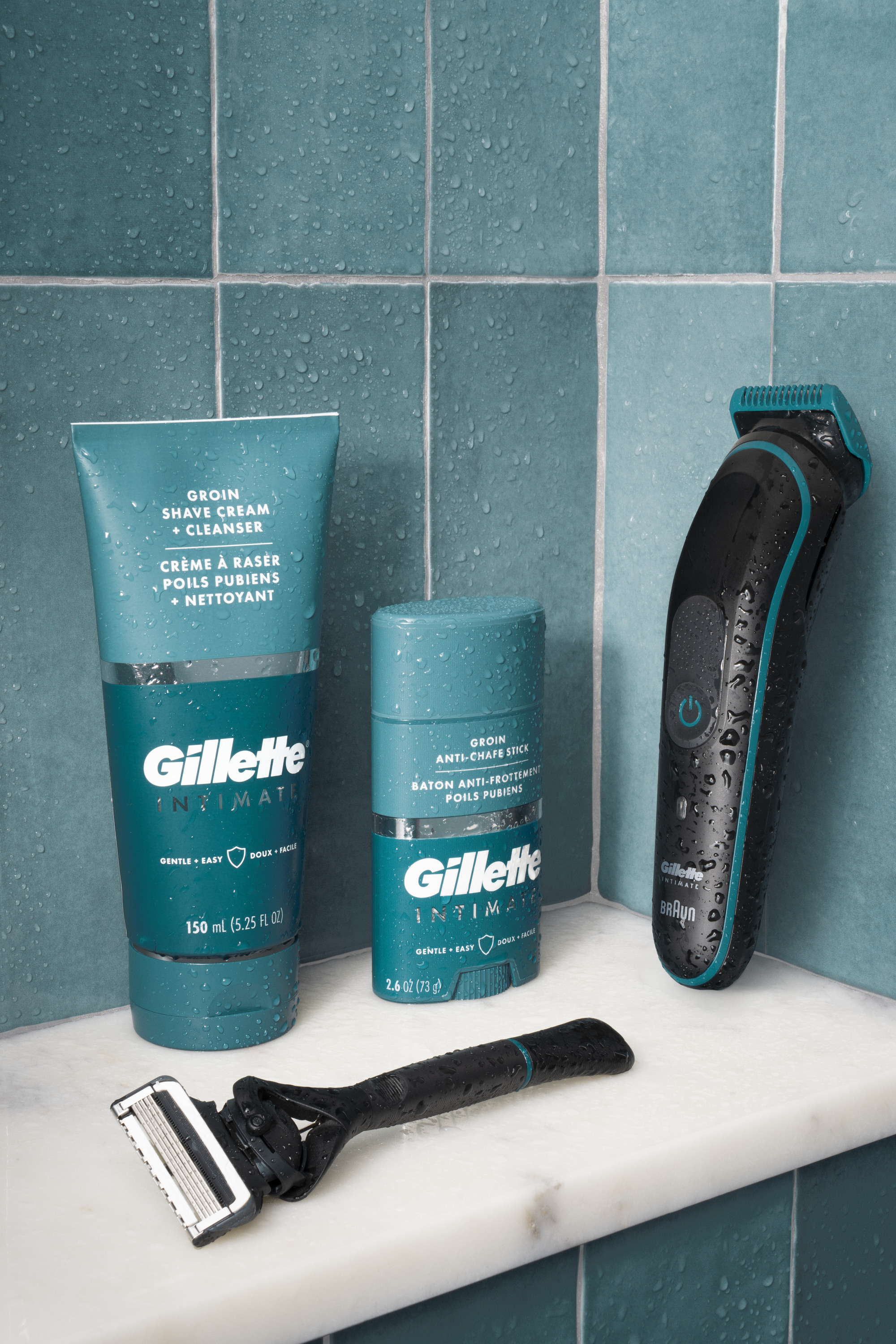
Sensitive zones such as underarms, chest, back, and intimate areas are prone to ingrown hair due to:
- Curlier, thicker hair
- Hard-to-reach shaving angles
- Extra friction and sensitive skin
Using ergonomic, body-specific tools help maintain safety and reduce ingrown hair risk.
- Exfoliate gently pre-shave to remove dead skin and reduce ingrown hair.
- Apply a high-glide shaving gel for smooth razor movement.
- Post-shave, minimize irritation with breathable fabrics.
- Pause shaving on irritated areas until bumps resolve to avoid worsening the condition.
Razor Bumps on Sensitive or Darker Skin
- Prioritize prevention to reduce risks of hyperpigmentation or keloid formation.
- Use low-strength chemical exfoliants if suitable for your skin type.
- Stick to with-the-grain passes and choose alcohol-free aftercare for soothing.

What Are the Common Shaving Mistakes Lead to Razor Bumps & Ingrown Hair?
Razor bumps often stem from preventable shaving errors like shaving too closely, skipping prep, or using dull blades. Avoiding these mistakes keeps your skin healthier and more resilient.
- Shaving Against the Grain Too Early or Too Often: This increases the risk of ingrown hairs and irritation, especially on sensitive areas like the neck and jawline.
- Using Dull Blades and Pressing Hard: A dull razor tugs at hair instead of cutting cleanly, causing micro-tears and bumps. Always replace blades regularly.
- Skipping Hydration and Exfoliation: Dry skin and dead cells trap hair beneath the surface. Pre-shave hydration and gentle exfoliation help prevent razor bumps.
- Not Re-Lathering Between Passes: Each pass without fresh lubrication increases friction and irritation. Always reapply shaving cream or gel before going over the same area.
- Wearing Tight Clothing Immediately Post-Shave: Tight fabrics create irritation and trap sweat, worsening irritation and bumps. Opt for breathable clothing after shaving.

How to Manage Razor Bumps, Infection, and Dark Marks: Quick Fixes
Managing bumps and irritation quickly prevents them from worsening or leaving marks. With the right adjustments and gentle care, most shaving‑related issues can be resolved at home.
- If razor bumps persist for more than 1–2 weeks → Switch to a sensitive-skin razor or electric trimmer, reduce frequency, and apply soothing balm daily.
- If you see pus or increased pain (possible infection) → Stop shaving, cleanse gently, use a topical antiseptic, and consult a dermatologist.
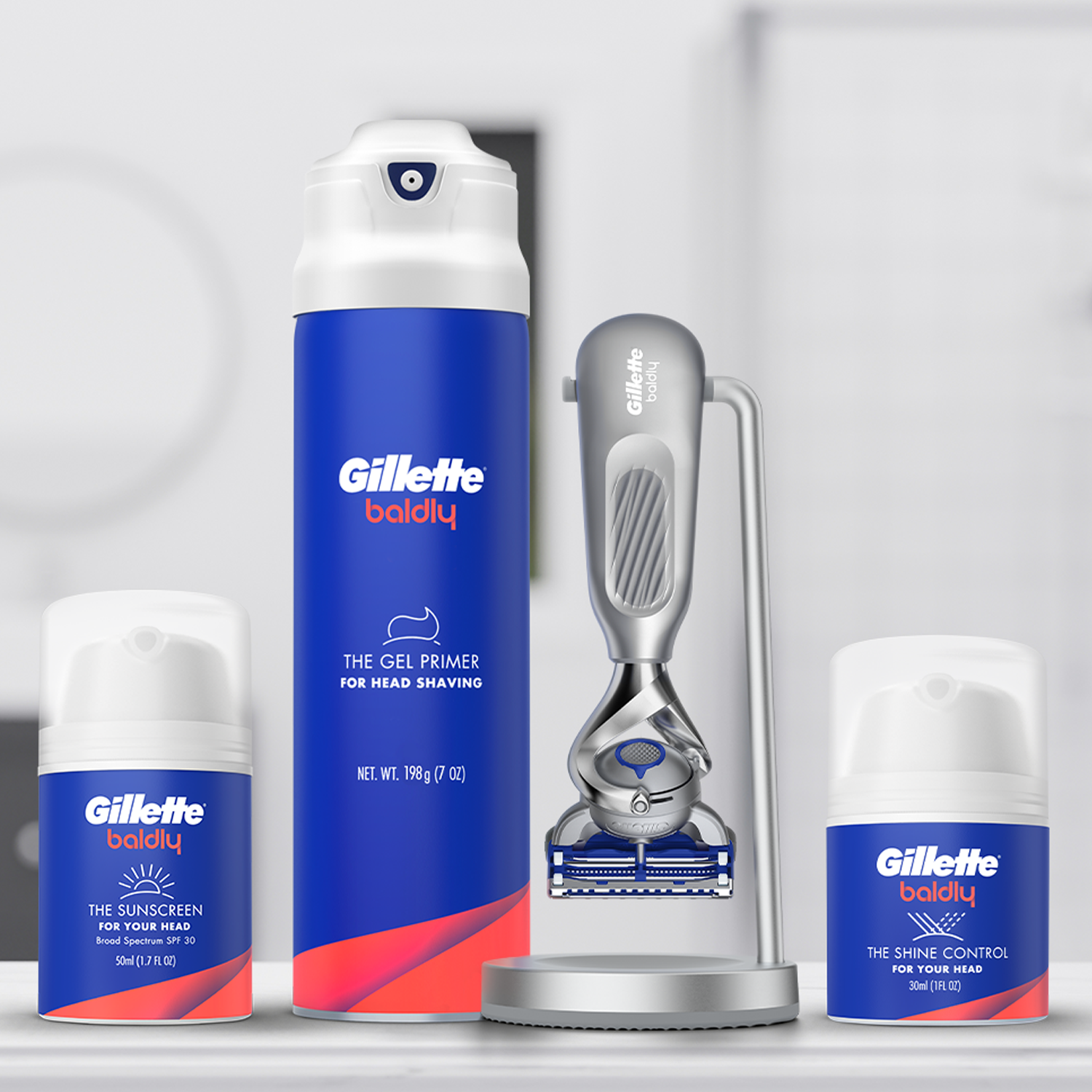
- If dark marks develop → Use Sunscreen lotion daily and consider derm recommended brightening agents and avoid further irritation.
When to See a Dermatologist?
Seek professional care for non-resolving bumps, infection, scarring, or persistent hyperpigmentation. A dermatologist can advise on targeted topicals, procedures, and alternative hair removal options tailored to your skin type.
Pro Tip:
“Persistent bumps or signs of infection require professional care—don’t delay consulting a dermatologist.”
Aftercare: How Should You Care for Skin After Shaving to Prevent Bumps & Ingrown Hair?
Proper aftercare is essential to keep your skin smooth and prevent irritation or razor bumps. Follow this simple checklist:
- Moisturize morning and night to maintain hydration and support skin barrier recovery.
- Avoid tight clothing over freshly shaved areas to reduce irritation.
- Use soothing gels with calming ingredients like aloe vera or niacinamide for added comfort.
- Gently exfoliate 2–3 times per week to prevent ingrown hairs (skip this step if skin is actively irritated).
- Apply sunscreen lotion daily on exposed areas to protect against dark marks and post-shave pigmentation.
FAQs on Razor Bumps & Ingrown Hair
-
Are razor bumps the same as ingrown hairs?

Not exactly. Razor bumps often occur because of ingrown hairs, but the term refers to the inflammation and raised bumps that result when hair curls back into the skin.
-
How do you get rid of razor bumps & ingrown hairs fast?

Pause shaving for a few days, apply a cool compress, use an alcohol-free soothing balm, and gently exfoliate when the skin calms down.
“GilletteLabs Rapid Foaming Shave Gel is alcohol-free and designed to soothe irritation.”
-
How long do razor bumps last if I stop shaving?
Most razor bumps resolve within a few days to two weeks, depending on severity and how well you care for the skin.
-
Does shaving against the grain cause razor bumps?
Yes, especially on curly or coarse hair. Always shave with the grain first, then re-lather for any second pass if needed.
“Gillette SkinGuard Razor is designed to minimize tug and irritation when shaving with the grain.”
-
Can razor bumps lead to infection?
Yes. If bumps become painful, swollen, or pus-filled, stop shaving and consult a dermatologist. Use a gentle cleanser and topical antiseptic in the meantime.
-
What’s the best razor for preventing razor bumps?
A sensitive-skin razor with minimal blade pressure works best.
“Gillette SkinGuard Sensitive Razor is specifically engineered to reduce irritation and prevent razor bumps.”
-
Do electric shavers reduce razor bumps?
Often, yes. Foil wet/dry electric shavers can be gentler on the skin, especially around the neck and jawline.
-
Is exfoliation safe for sensitive skin prone to razor bumps & ingrown hair?
Yes—gentle exfoliation 2–3 times weekly helps prevent ingrown hair. Avoid harsh scrubs and skip exfoliation on irritated skin.
-
Can certain shaving creams help prevent bumps and pimples during shaving?
Absolutely. Alcohol-free, high-glide gels reduce friction and irritation. GilletteLabs Rapid Foaming Shave Gel is a great option for razor bumps & pimple prone skin.
-
Why do razor bumps happen more on the neck and jawline?
Hair in these areas grows in multiple directions and tends to curl, making them high-risk zones for ingrown hair and razor bumps.
Was this article helpful?

