







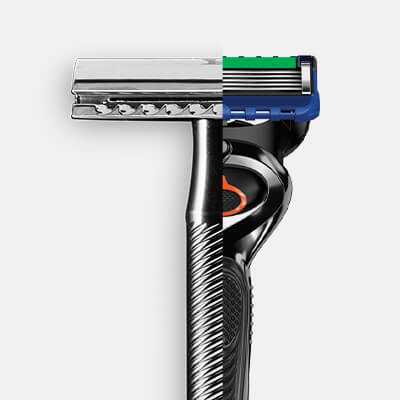






Introduction
TL;DR / Quick Answer: Wet vs Dry Shaving — Which One Fits Your Routine?
Wet shaving is best for a closer, smoother finish, while dry shaving is better for speed and convenience. The right choice depends on your skin type, time, and grooming needs.
- Wet shaving delivers a closer, smoother finish but requires more prep time
- Dry shaving is faster and more convenient, especially for busy mornings or travel
- Sensitive skin often prefers wet shaving with proper prep
- Dry shaving works well for quick daily maintenance
- When switching methods, allow about 30 days for your skin to adapt
Wet Shaving vs Dry Shaving: What's the Difference?
The difference between a dry shave and a wet shave lies in how the hair is prepared and cut. Wet shaving hydrates and softens hair before cutting it close to the skin with a blade, while dry shaving trims hair using an electric shaver without water or lather.
Wet shaving focuses on comfort and closeness, while dry shaving prioritizes speed and ease. This difference affects how smooth the skin feels afterward and how soon stubble becomes noticeable.
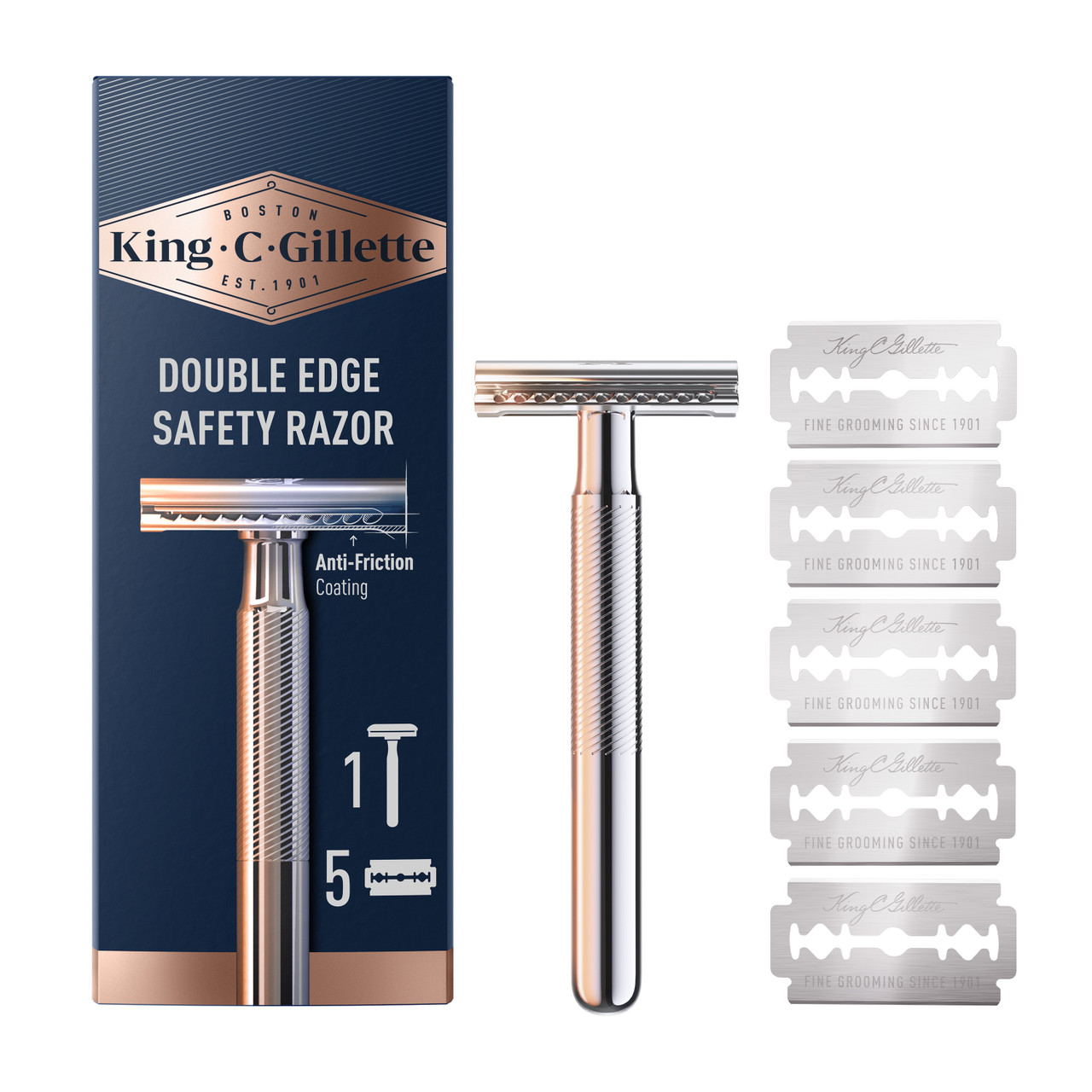
Razors
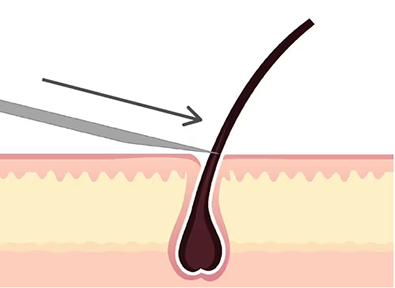
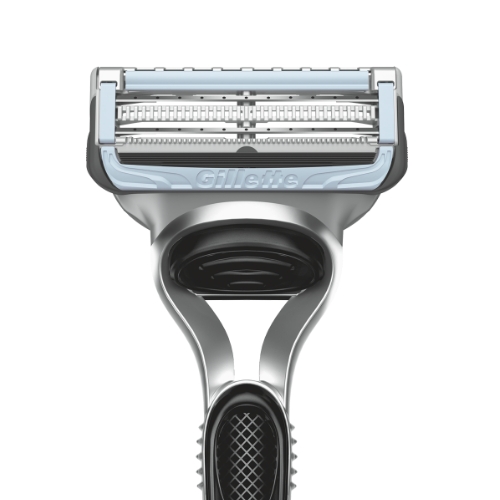
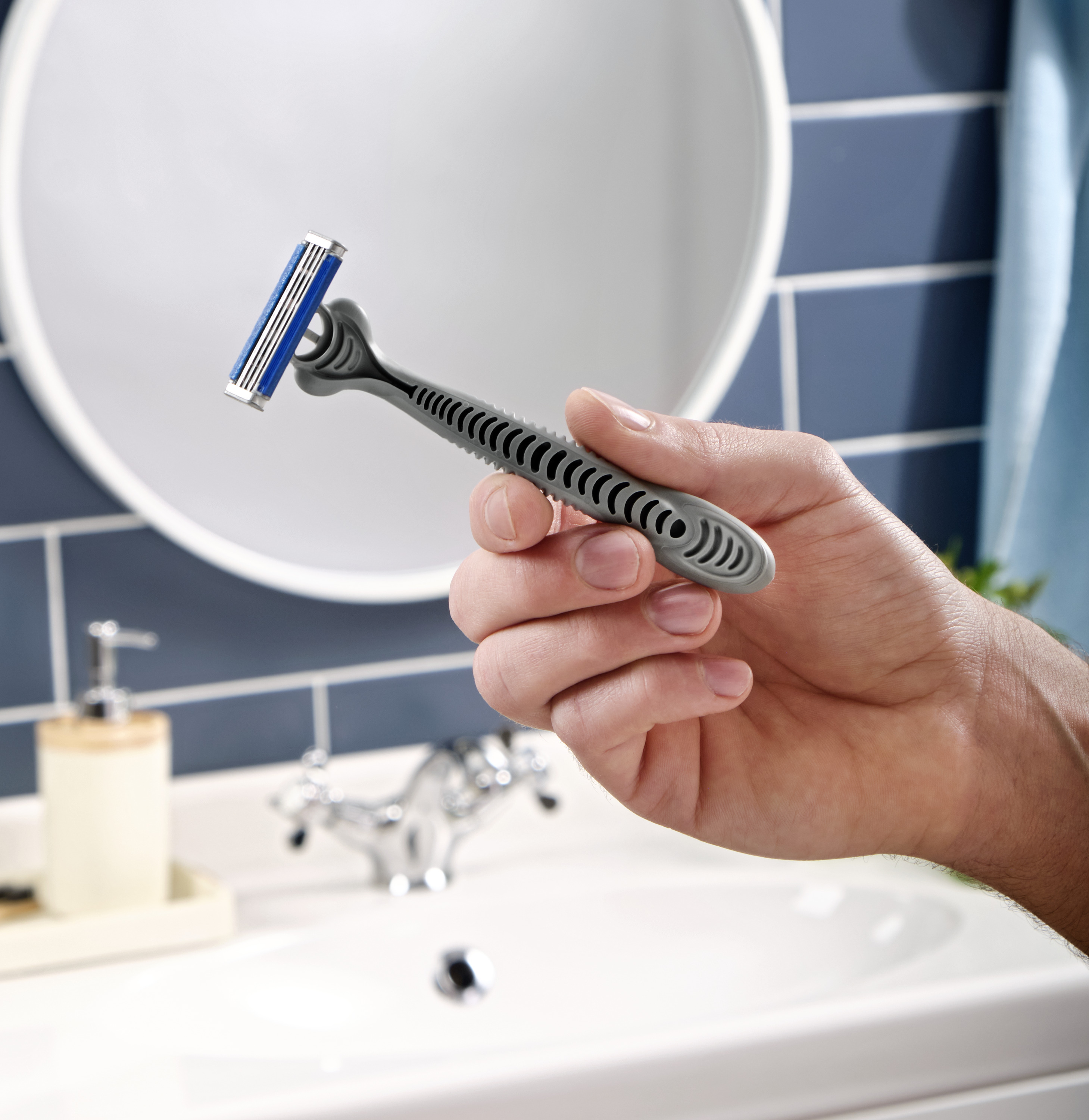
In blade shaving, the hair of the beard is cut with a single stroke of the blade.
Electric Shaver
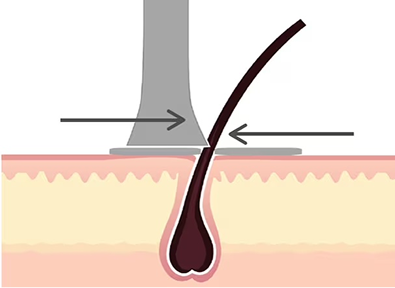
With an electric shaver, the hair is cut between two blades like the motion of scissors.
Comparison Overview
How Wet and Dry Shaving Actually Work
Wet and dry shaving work differently at a mechanical level, which explains the difference in results. Each method cuts hair using a distinct approach designed for specific grooming needs.
How Does Wet Shaving Work?
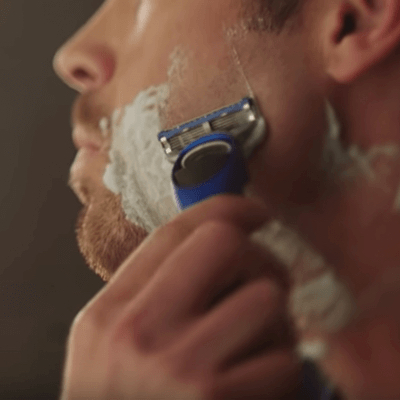
Wet shaving uses a multi-blade razor combined with water and shaving gel or cream. The blades lift and cut hair close to the skin's surface, often producing a smoother finish.
- Warm water softens hair
- Shave gel improves glide
- Multiple blades cut hair progressively
- Final result feels smoother for longer
This blade action is often described as hysteresis that helps explain why wet shaving delivers the closest shave.
How Does Dry Shaving Work?
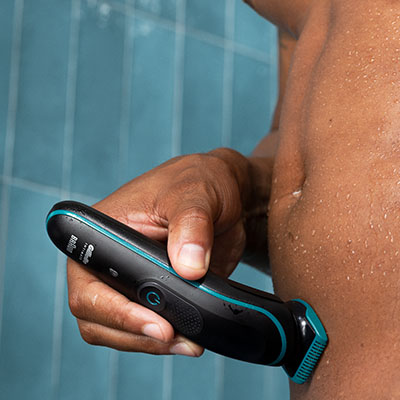
Dry shaving uses an electric shaver that cuts hair between a protective foil or rotary head and an internal cutting blade.
- Hair is captured through perforations
- Cutters move beneath the surface
- Skin is protected from direct blade contact
- Designed for speed and convenience
Because hair is trimmed slightly above skin level, dry shaving may feel less smooth immediately after but is easier on tight schedules.
What Tools Do You Need for Wet and Dry Shaving?
The tools you use play a major role in comfort, results, and skin health. Wet and dry shaving each require different essentials.
Wet Shaving Kit Essentials
Wet shaving requires tools that hydrate facial hair and protect skin during direct blade contact, helping deliver a closer and more comfortable shave. Using the right products improves glide, reduces friction, and minimizes irritation.
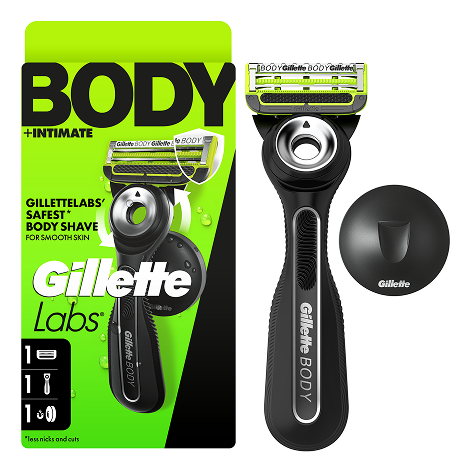
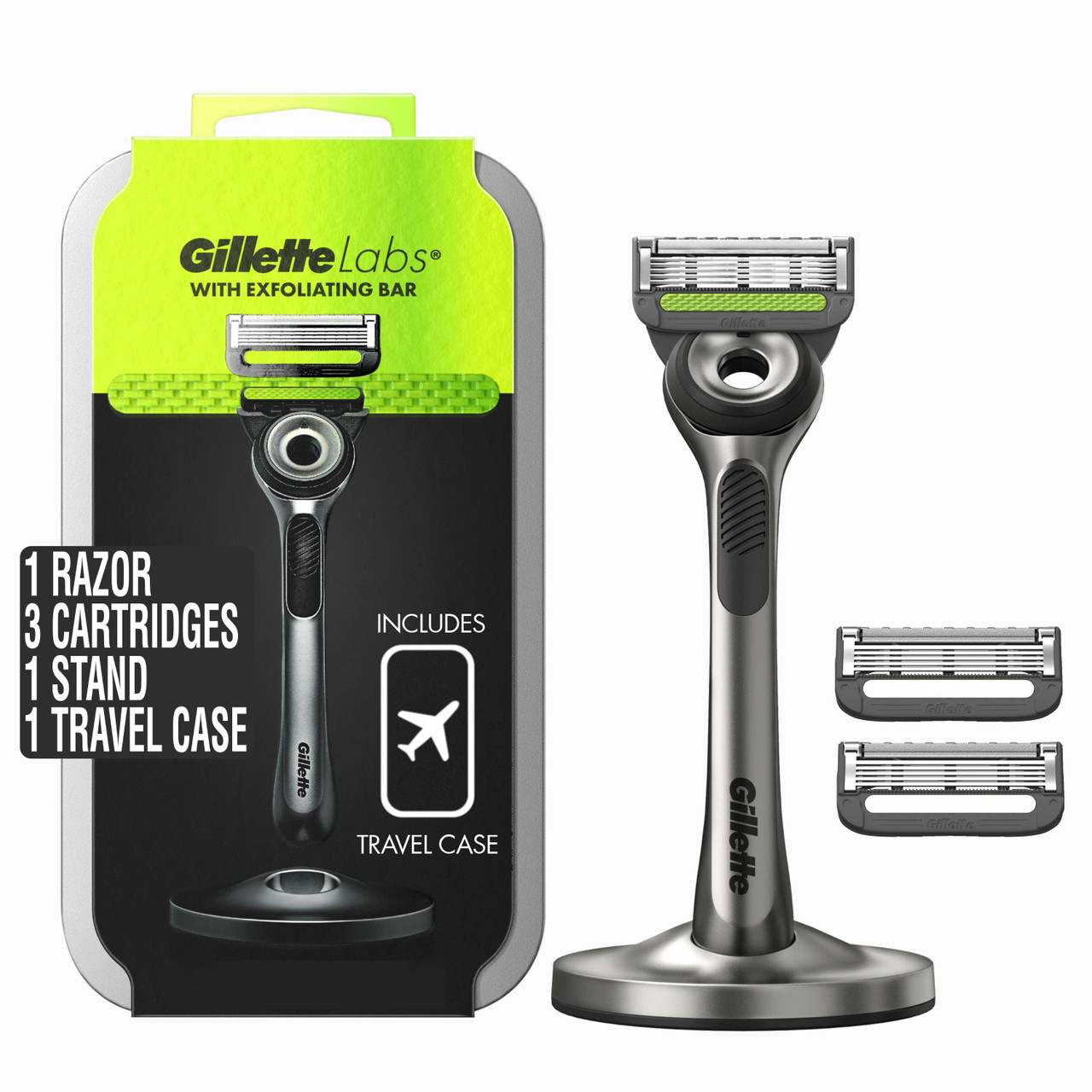
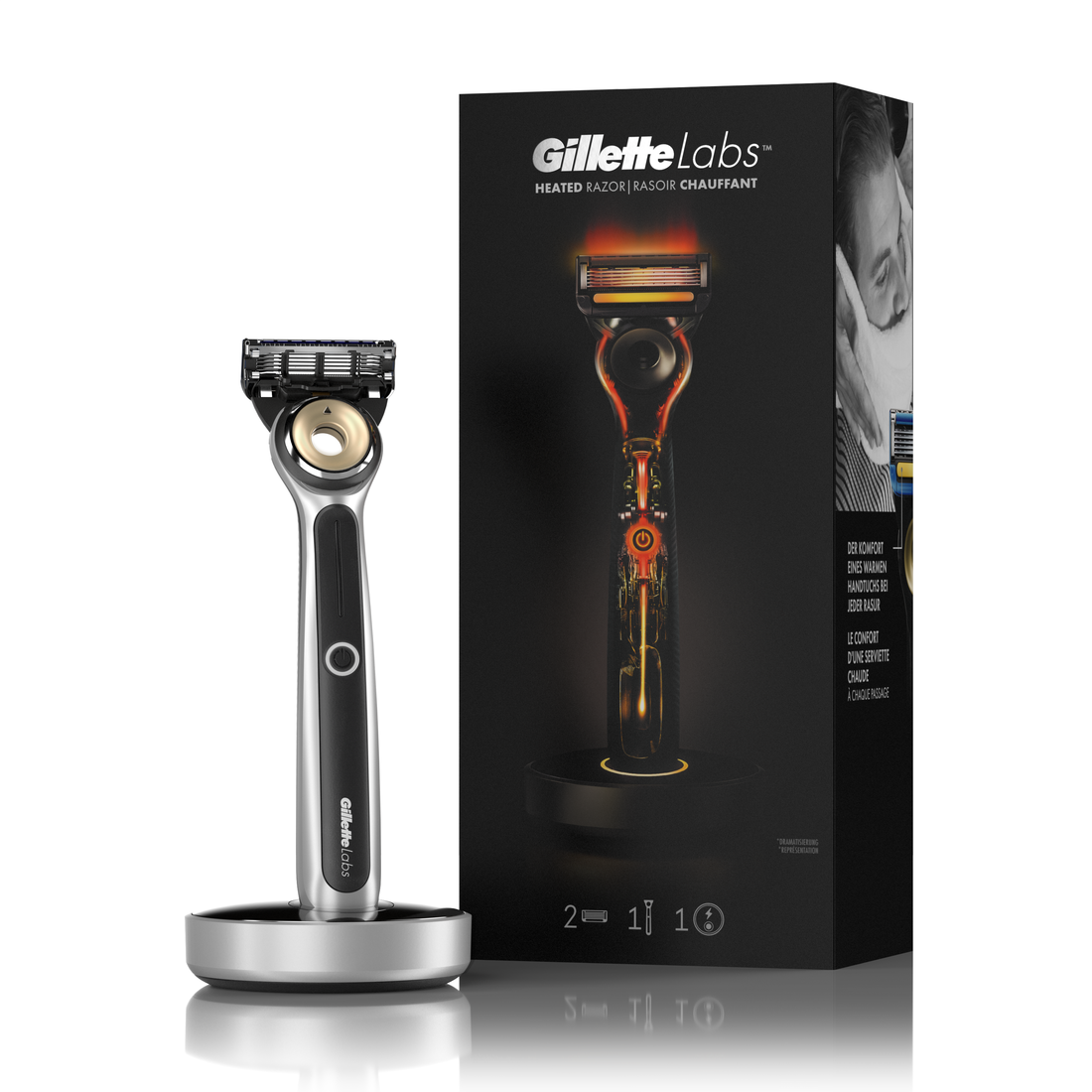
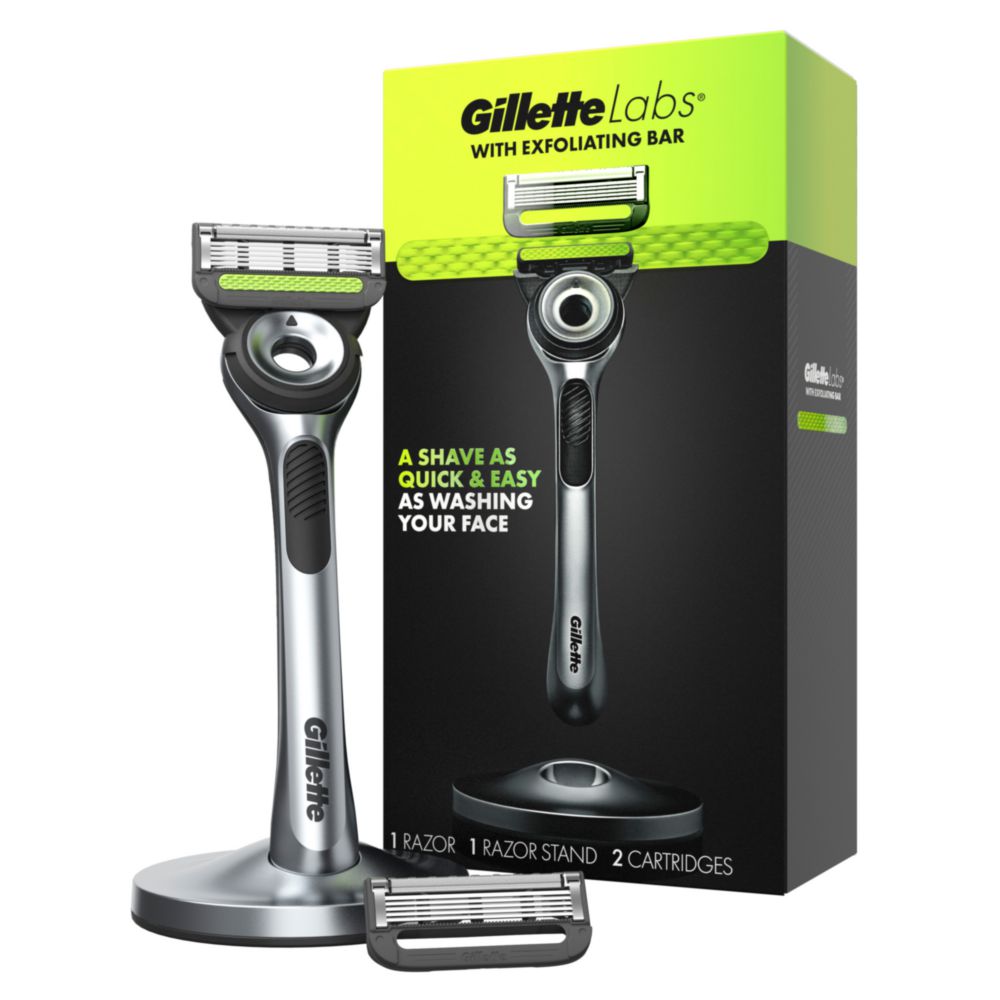
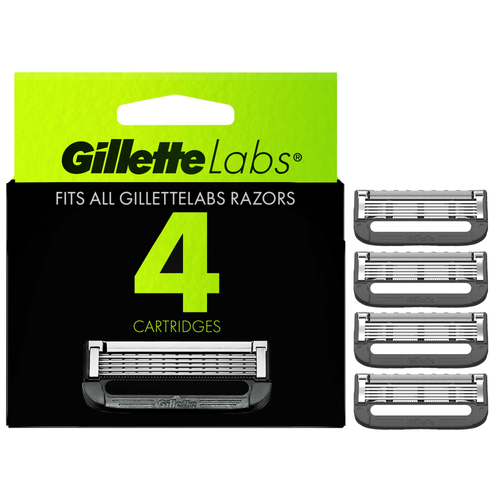
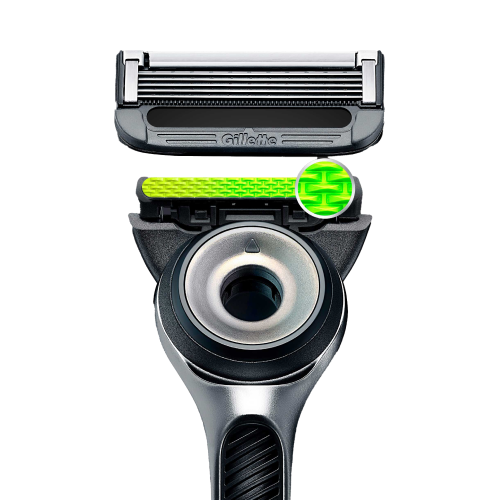
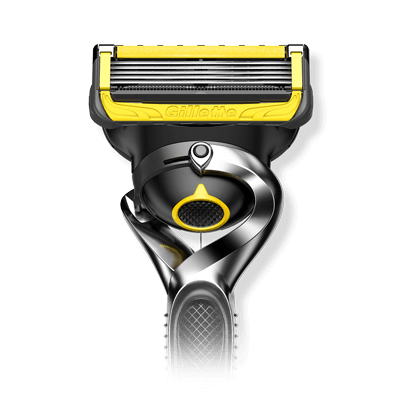
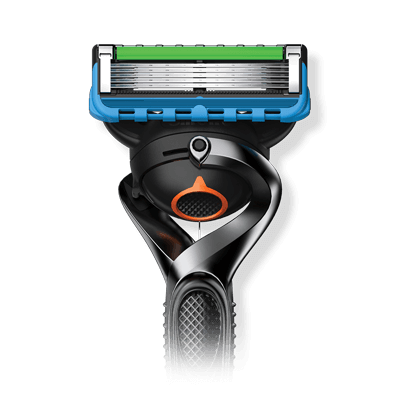
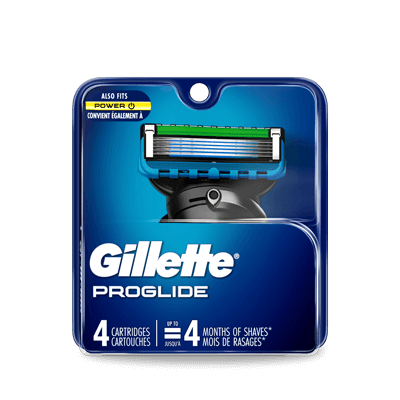
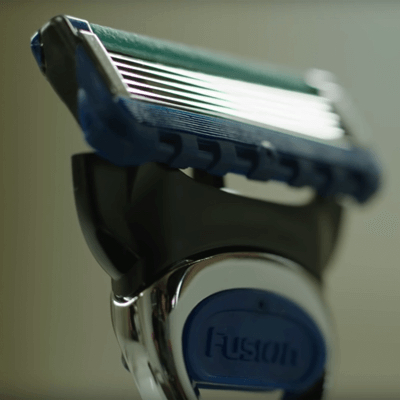
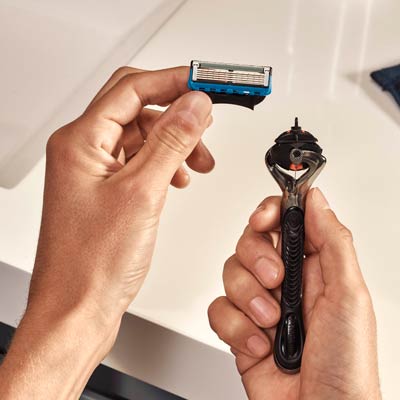
- Manual razor: A multiblade cartridge razor such as Gillette Fusion5 or Gillette Fusion5 ProGlide, designed with antifriction blades and a precision trimmer for detailed areas
- Shave gel or cream: GilletteLabs Rapid Foaming Shave Gel provides lubrication and cushioning to help the blade glide smoothly over the skin
- Warm water access: Softens hair and prepares skin before shaving
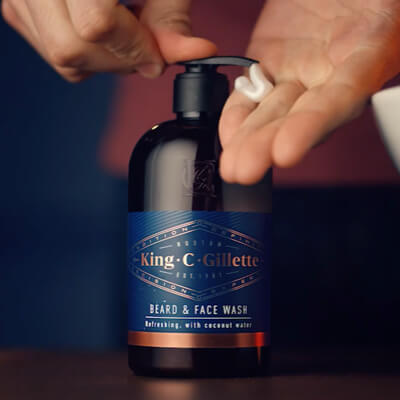
- Preshave face wash: Cleanses skin and removes oil so the razor can maintain consistent contact
- Alcohol-free aftershave or moisturizer: Helps restore hydration and calm freshly shaved skin
Dry Shaving Kit Essentials
Dry shaving relies on electric tools designed for speed and convenience while minimizing direct blade to skin contact. The right setup helps maintain comfort and consistent performance.
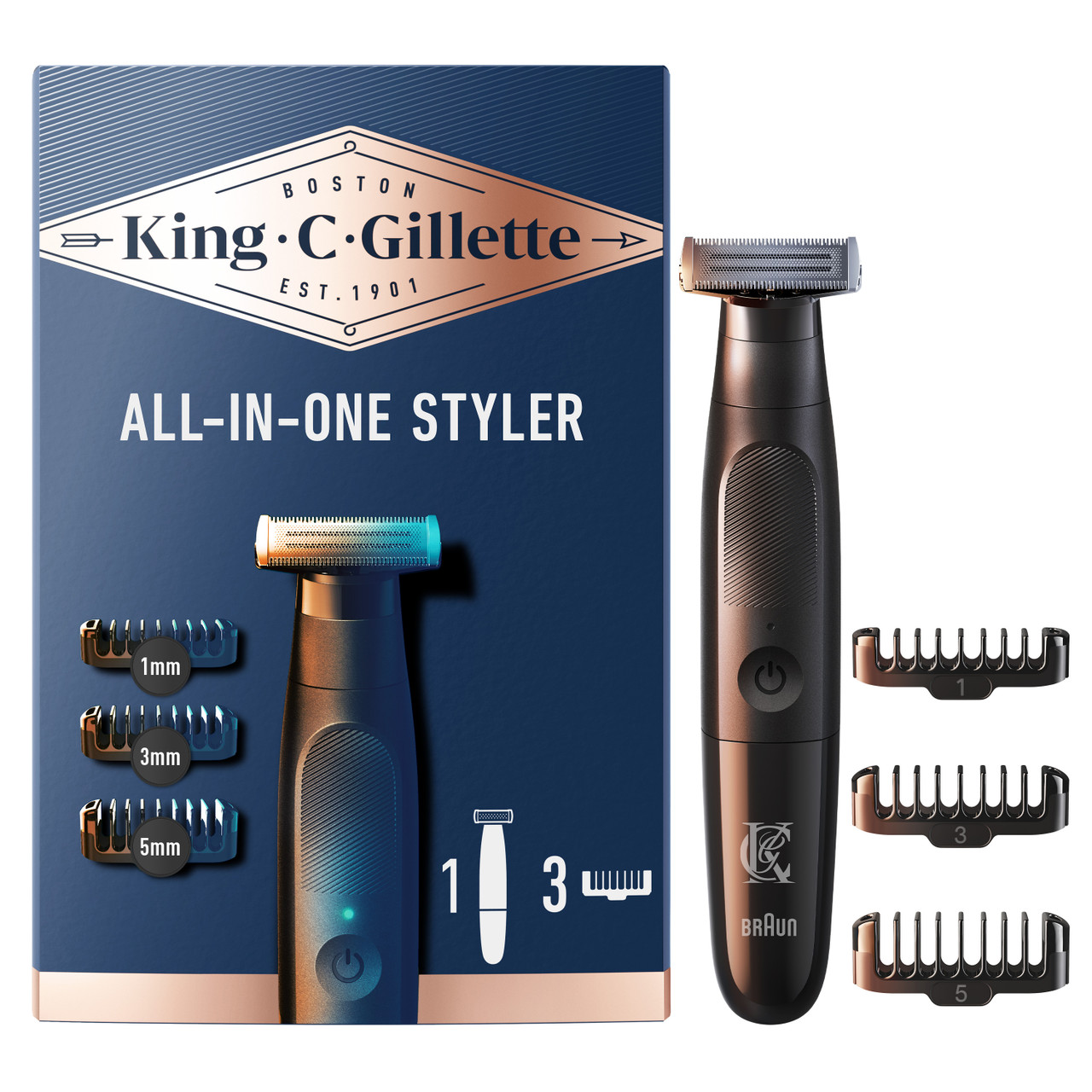
- Electric shaver: A foil or rotary electric shaver, used on clean, dry skin for quick, low prep grooming
- Aftershave balm or moisturizer: Helps offset dryness and keeps skin comfortable after shaving
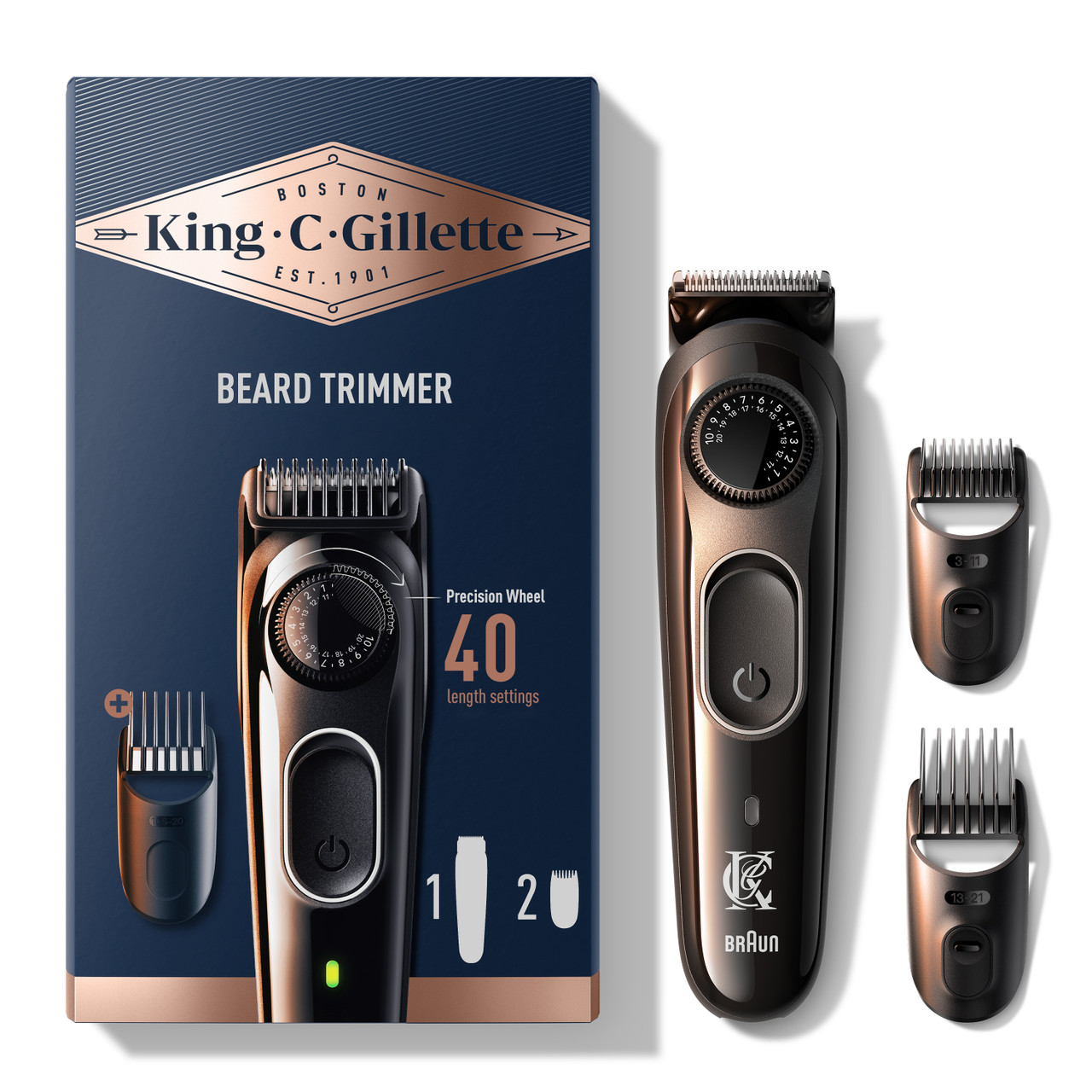
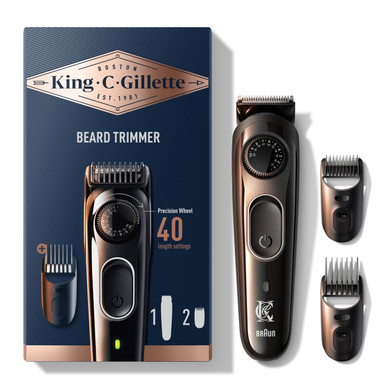
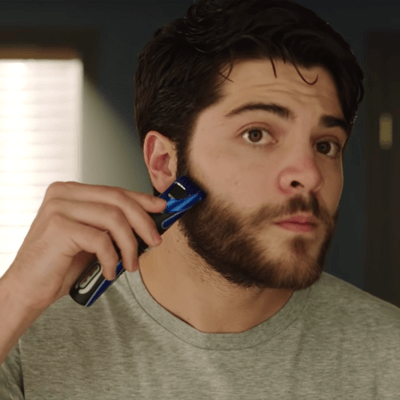
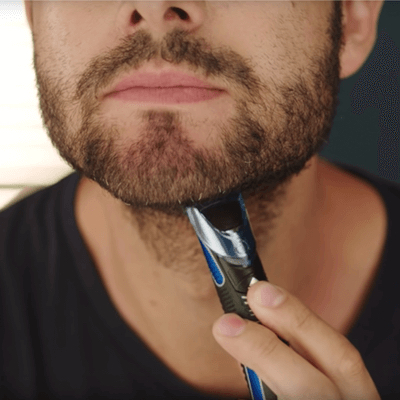
- Optional trimmer: A beard trimmer such as the King C. Gillette Beard Trimmer can be used to manage longer stubble before shaving or for grooming between shaves
- Fully charged device: Ensures even cutting power and reduces tugging
Pro Tip:
Electric shavers require regular cleaning, lubrication, and timely replacement of foils or cutters for optimal performance.
The Basics of Wet Shaving: Step-by-Step Guide
Wet shaving refers to shaving with a blade razor using water and a lubricating shave product such as gel or cream. This method focuses on hair softening, skin protection, and precision cutting for a closer finish.
STEP 1
Prepare with warm water
Warm water hydrates facial hair and softens the outer cuticle, making each strand easier to cut. This step reduces resistance, limits tugging, and prepares the skin for blade contact.
Why it matters: Softens hair and reduces resistance, making cutting easier and more comfortable.
Step 2
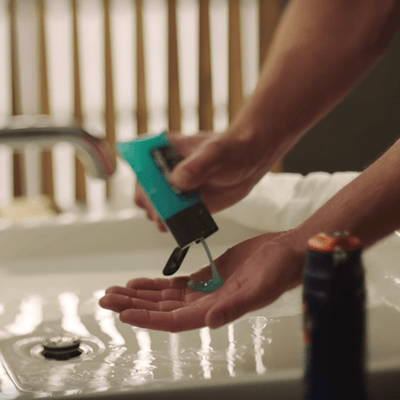
Apply shave gel or cream generously
A rich layer of shave gel or cream creates lubrication between the razor and skin. This barrier minimizes friction, helps the blade glide smoothly, and protects against nicks and irritation.
Why it matters: Adds lubrication and skin protection, reducing friction and irritation.
Step 3
Shave with light strokes (with the grain first)
Shaving in the direction of hair growth reduces irritation and ingrown hairs. Light pressure allows the blade to cut efficiently without damaging the skin surface.
Why it matters: Minimizes razor burn and helps prevent ingrown hairs.
Step 4
Rinse the blade often
Frequent rinsing removes hair, cream and skin debris that can clog blades. Clean blades deliver more consistent cutting and reduce the need for repeated passes.
Why it matters: Keeps blades clear so each stroke cuts evenly without dragging.
Step 5
Finish with a cool rinse and moisturize
Cool water calms freshly shaved skin and helps reduce redness. A moisturizer restores hydration and supports the skin barrier after shaving.
Why it matters: Calms the skin and restores moisture after shaving.
Blade Shaving and the Hysteresis Effect
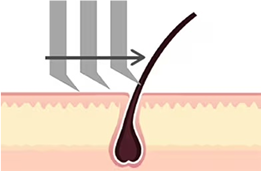
Razors use what is called the “hysteresis”, meaning the blade lifts the hair from the follicle before cutting it.
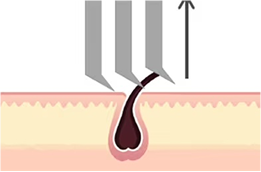
Modern multiblade razors position additional blades in a precise sequence, so the lifted hair is cut and then retracts below the skin's surface.
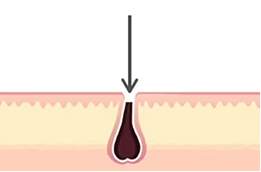
When precisely engineered, this creates a close shave while maintaining comfort.
What Are the Mistakes to Avoid When Wet Shaving?
- Skipping warm water preparation: Warm water softens facial hair and prepares the skin; skipping this step leaves hair stiff and increases blade resistance, which can cause tugging and irritation.
- Pressing too hard on the razor: Excess pressure does not improve closeness; it increases the chance of cuts, razor burn, and post-shave redness.
- Shaving against the grain too early: Shaving against the grain (Going against hair growth) in the first pass can lead to ingrown hairs and discomfort, especially for sensitive or acne prone skin.
- Using dull or dirty blades: Worn or unclean blades pull at hair instead of cutting cleanly, increasing irritation and uneven shave results.
- Skipping post-shave moisturizing: Freshly shaved skin loses moisture quickly; skipping hydration can lead to dryness, tightness, and sensitivity.
Wet Shaving Problems? Here's How to Fix Them
- If you want extra closeness → Add a gentle second pass only after applying fresh lather to maintain lubrication and reduce friction.
- If ingrown hairs appear → Shave with the grain using lighter pressure and avoid stretching the skin while shaving.
- If irritation occurs → Shorten stroke length, reduce pressure, and finish with an alcohol-free soothing balm to calm the skin.
How to Care for Your Skin After a Wet Shave?
- Rinse with cool water: Cool water helps calm the skin and reduce redness caused by blade contact.
- Pat skin dry (don't rub): Gently drying prevents unnecessary friction on freshly shaved skin.
- Apply alcohol-free moisturizer: Restores hydration and supports the skin barrier without causing stinging.
- Avoid heavy fragrance immediately after shaving: Freshly shaved skin is more sensitive and can react to strong scents.
The Basics of Dry (Electric) Shaving: Step-by-Step Guide
Dry shaving uses an electric razor without water or lather. This method prioritizes speed, convenience, and reduced risk of cuts.
STEP 1
Trim longer stubble first (if needed)
Pre trimming prevents tugging and allows the shaver to cut evenly.
Why it matters: Shorter hair is easier for electric shavers to cut, reducing tugging and patchy results.
Step 2
Start on clean, dry skin
Dry skin ensures proper foil contact and consistent cutting performance.
Why it matters: Dry skin helps the shaver grip each hair properly, improving efficiency and reducing irritation.
Step 3
Use the correct motion (based on shaver type)
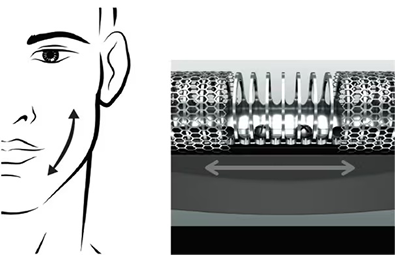
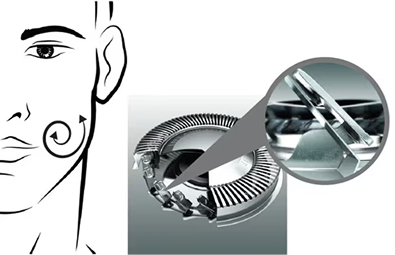
Move the electric shaver in the motion it’s designed for: straight, side‑to‑side strokes for foil shavers and small, circular passes for rotary shavers.
Why it matters: Matching the motion to the shaver design ensures the blades cut effectively with fewer passes.
Step 4
Apply steady, even pressure
Electric shavers rely on skin elasticity rather than blade pressure. Excess force increases irritation without improving closeness.
Why it matters: Light, consistent pressure protects skin while allowing the shaver to work as intended.
Step 5
Moisturize immediately after shaving
After you finish shaving, apply a lightweight, alcohol‑free moisturizer to the skin right away. This helps restore comfort by adding back moisture that shaving removes, leaving the skin smooth, soft, and comfortable.
Why it matters: Hydration calms the skin, reduces dryness, and restores comfort after friction from the shaver.
How Electric Shavers Cut Hair
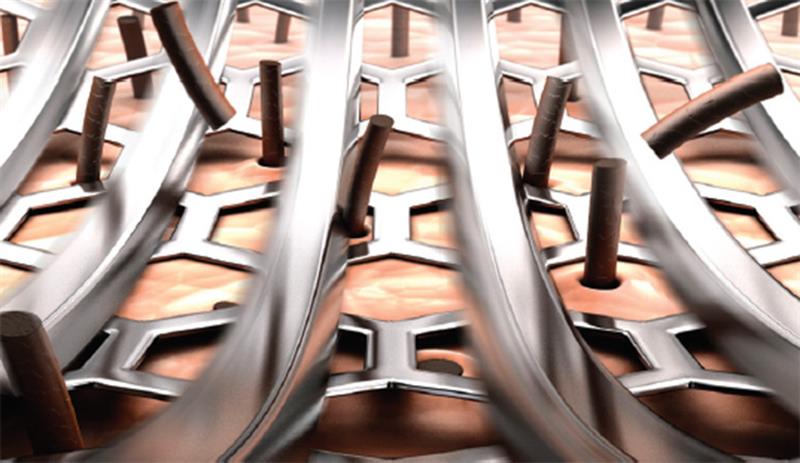
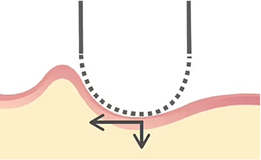
An electric shaver uses a thin perforated foil and an undercutter moving rapidly beneath it.
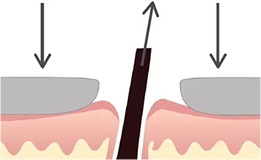
The shaver presses the skin slightly, using elasticity to expose hair through the foil holes
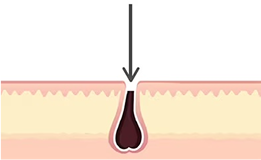
After cutting, hair retracts below the skin surface, creating a smooth feel
Rotary vs Linear (Foil) Electric Shavers: What's the Difference?
There are two basic types of electric shaving systems: rotary and linear. Both systems use a foil that stays in contact with the skin while a blade (the “undercutter”) moves beneath it. All Braun shavers are linear foil shavers. The main difference between the two systems is the direction in which the undercutter moves.
Rotary Electric Shaving
Linear Electric Shaving
What Are the Mistakes to Avoid When Dry Shaving?
- Shaving on irritated or overly dry skin: Electric shavers work best on calm, healthy skin. Shaving over irritation can worsen redness and discomfort.
- Using the wrong motion for your shaver type: Foil shavers require straight strokes, while rotary shavers need circular movements. Incorrect motion reduces efficiency and increases repeat passes.
- Pressing too hard: Applying excess pressure does not improve closeness and often leads to heat buildup, razor burn, and skin sensitivity.
- Skipping cleaning and lubrication: Hair and debris buildup reduce cutting performance and cause tugging; regular cleaning keeps the shaver working smoothly.
- Ignoring replacement schedules: Worn foils or cutters lose sharpness over time, resulting in uneven shaving and increased irritation.
Dry Shaving Fixes: How to Solve Common Electric Shaver Problems?
- If neck irritation occurs → Reduce the number of passes, use lighter pressure, and apply moisturizer immediately after shaving.
- If closeness feels lacking → Slow down your strokes and use smaller, controlled movements to allow the shaver to capture more hair.
- If tugging happens → Trim longer hair first or replace worn foils or cutters to restore cutting efficiency.
How to Care for Your Skin After an Electric Shave?
- Apply moisturizer right away: Hydrating immediately after shaving helps calm the skin and prevent dryness or tightness.
- Clean and dry the shaver after use: Removing hair and moisture prevents bacterial buildup and preserves cutting performance.
- Lubricate foils or cutters as recommended: Proper lubrication reduces friction and extends the life of shaving components.
- Replace cutting parts on schedule: Timely replacement ensures consistent results and minimizes irritation over time.
Which Shaving Method Is Right for You?
- Choosing between wet and dry shaving isn't about which method is better overall — it's about what fits your skin, routine, and expectations best.
- Choose wet shaving if closeness is your top priority: Blade shaving cuts hair closer to the skin and delivers a smoother finish, especially when you're willing to invest time in preparation and post-shave care.
- Choose dry shaving if speed and convenience matter most: Electric shaving works well for quick, low mess routines and is ideal for busy mornings or frequent touch-ups.
- If you have sensitive skin: Wet shaving often works better when paired with proper technique, lubrication, and fewer passes, helping reduce irritation and razor bumps.
- If you're switching between methods: Skin typically needs around 30 days to adapt, so allow time before judging results or making adjustments.
Conclusion: Wet Shaving vs Dry Shaving — Final Takeaway
Wet shaving offers maximum closeness and smoothness when done with proper preparation, while dry shaving delivers speed and convenience with minimal setup. Neither method is universally better; the best choice depends on your skin type, schedule, and grooming goals. With the right technique and aftercare, both shaving methods can be effective, comfortable, and skin friendly.
FAQs on Wet Shaving vs Dry Shaving
-
Is wet shaving really closer than dry shaving?

Yes. Wet shaving cuts hair closer to the skin because the blade lifts and cuts hair more precisely, especially when paired with warm water and shaving gel.
-
Is wet shaving or dry shaving better overall?

Neither is universally better. Wet shaving is ideal for closeness and smoothness, while dry shaving excels in speed, convenience, and minimal setup. The right choice depends on skin type and routine.
-
Foil vs rotary electric shaver — how do I choose?
Choose foil shavers for straight strokes, daily shaving, and sensitive skin. Choose rotary shavers if you have longer hair growth and shave around facial contours like the jaw and neck.
-
Should I shave wet or dry with an electric razor?
It depends on the shaver. Wet/dry electric shavers support both methods, while dry only models should never be used with water to avoid damage.
-
Can I wet shave with a foil shaver?
Yes, as long as the foil shaver is rated for wet use. Wet shaving with a foil shaver can improve glide and help reduce irritation for sensitive skin.
-
How long does skin adaptation take when switching shaving methods?
Skin typically requires about 30 days to adjust when switching between wet shaving and dry shaving methods.
-
Why does dry shaving feel prickly sooner than wet shaving?
Dry shaving usually cuts hair slightly above the skin surface, allowing stubble to become noticeable sooner compared to the closer cut of wet shaving.
-
What causes shaver burn and how do I avoid it?
Shaver burn is caused by friction, excess pressure, or repeated passes. It can be avoided by using light pressure, proper technique, and moisturizing immediately after shaving.
-
Do multi-blade razors increase irritation?
Not necessarily. Multi-blade razors are designed to reduce tugging and increase smoothness, but excessive pressure or poor prep can still cause irritation.
-
What is "hysteresis" in multi-blade razors?
Hysteresis refers to how a blade gently lifts hair before cutting it, allowing the hair to retract below the skin surface for a closer, smoother shave.
Was this article helpful?

