








Introduction
Glossary: Shaving Directions (ATG / WTG / XTG)
WTG — With the Grain:
Shaving in the same direction your hair grows. Easiest on the skin.
XTG — Across the Grain:
Shaving perpendicular to hair growth. A middle step for closeness.
ATG — Against the Grain:
Shaving in the opposite direction of hair growth. Closest finish, highest irritation risk.
TL;DR / Quick Answer – What’s the Safest Way to Shave Against the Grain Without Irritation?
Prep properly, use the right tools, and follow a gradual approach for minimal irritation:
- Start with warm water and a protective shave gel.
- Use a fresh multi-blade razor for smooth strokes.
- Apply the three-pass method: with the grain → across → against (only if needed).
- Keep pressure light and rinse the blade often.
- Finish with a cool rinse, alcohol-free aftershave, and soothing moisturizer.
What are the Tools You’ll Need for Against the Grain (ATG) Shaving
Using the right tools is essential for minimizing irritation during an ATG shave. Fresh blades, protective shave gel, and alcohol‑free aftercare work together to keep skin comfortable. To shave against the grain safely and minimize irritation, make sure you have these essentials:
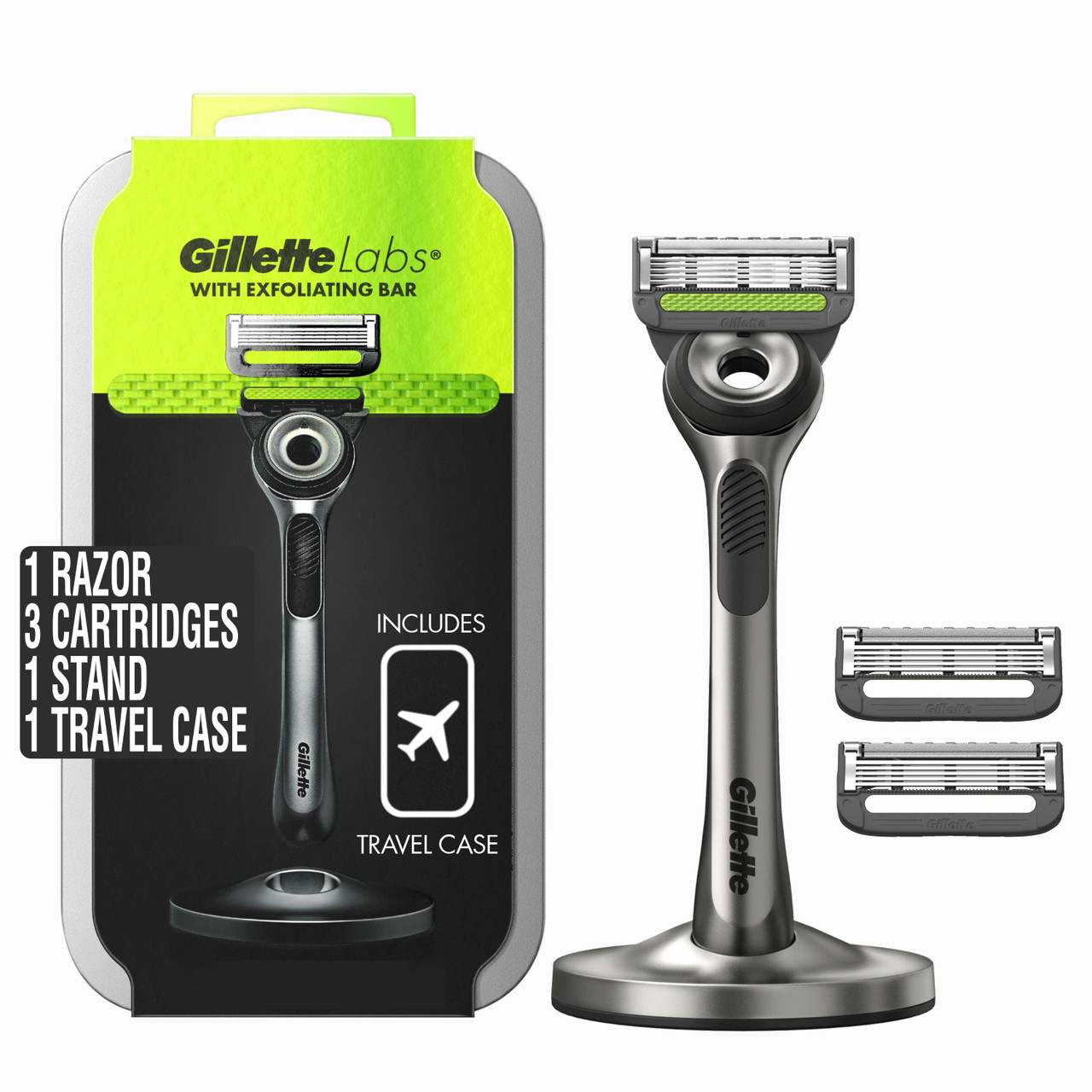
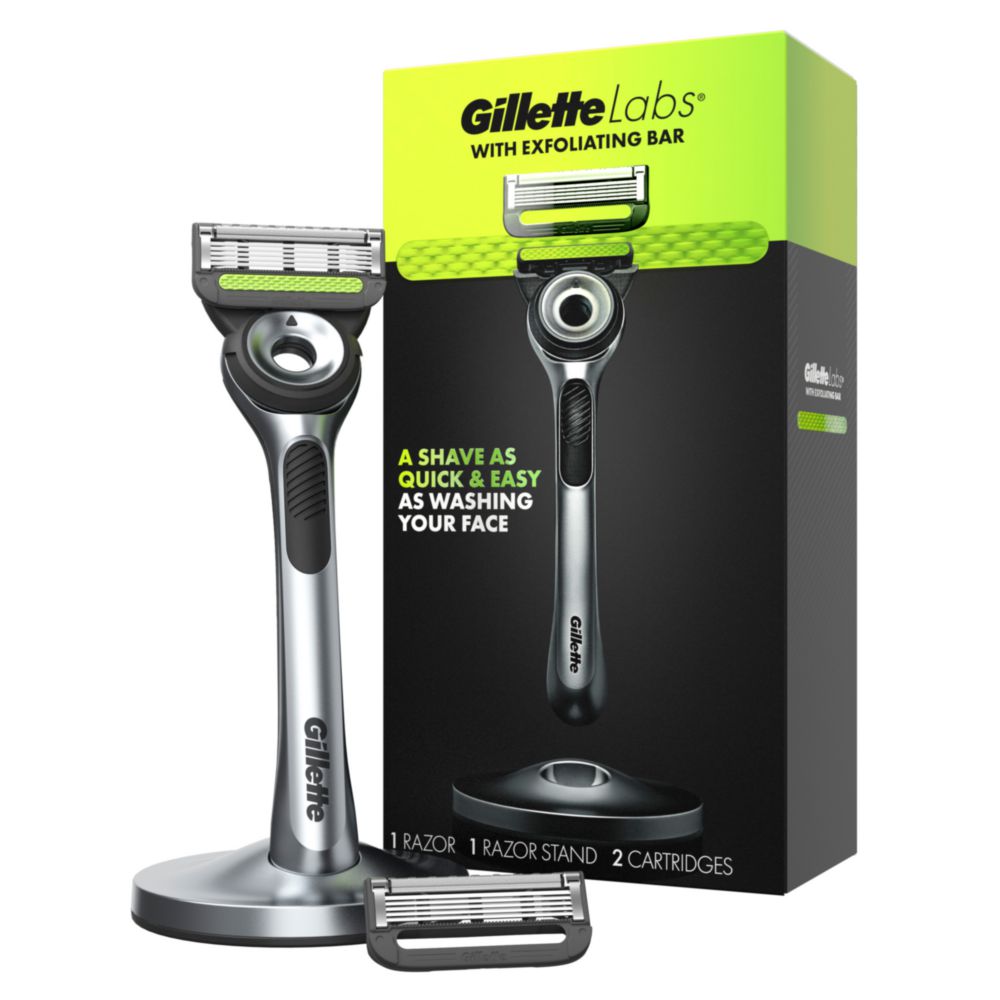
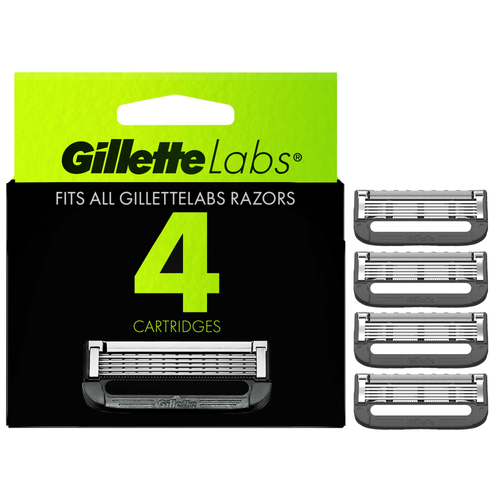
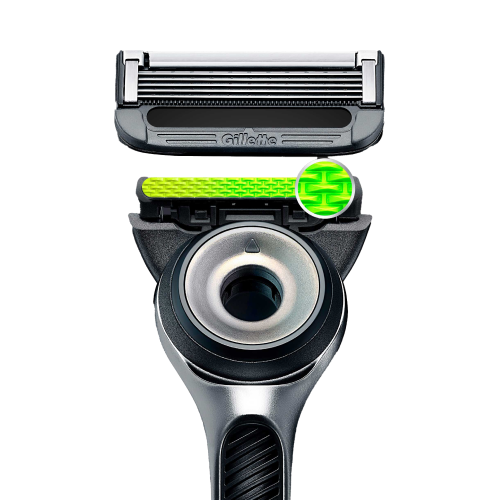
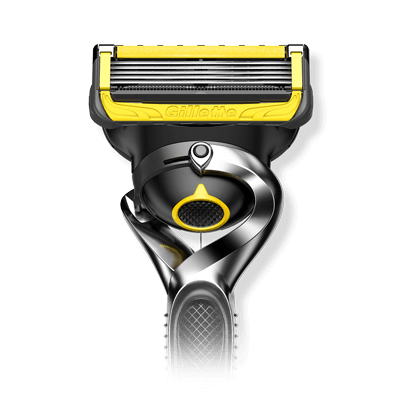
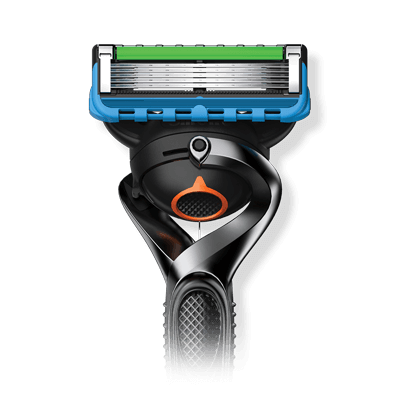
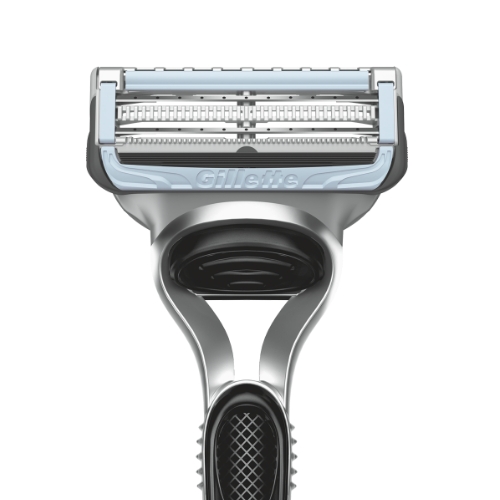
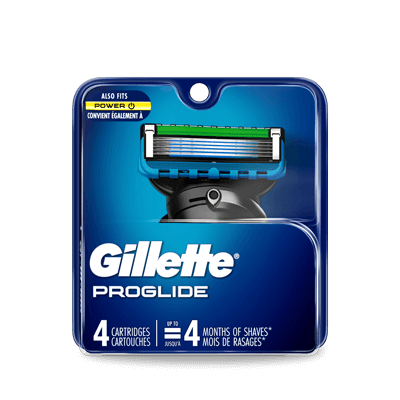
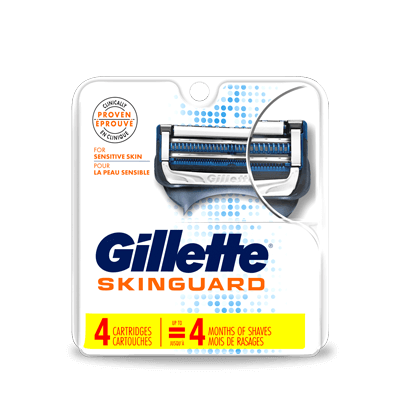
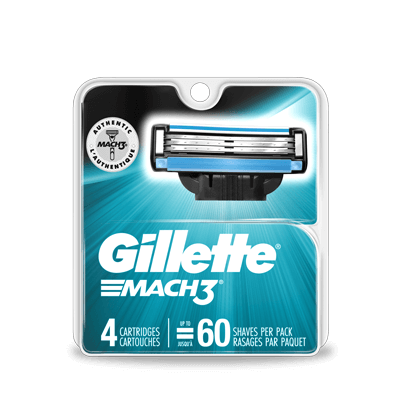
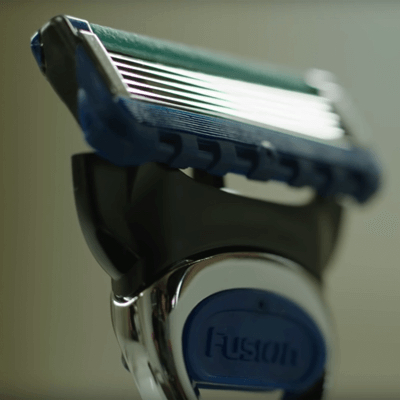
- Fresh Multi-Blade Razor – Gillette ProGlide razor or SkinGuard razor recommended for smooth, controlled strokes.
- Quality Shave Gel – GilletteLabs Rapid Foaming Shave Gel for superior cushion and glide.
- Warm Water for Prep – Softens hair and opens pores for easier shaving.
- Alcohol-Free Aftershave – Soothes and hydrates without the sting.
- Moisturizer for Sensitive Skin – Locks in comfort and prevents post-shave dryness.
What Does “Against the Grain” Mean in Shaving?
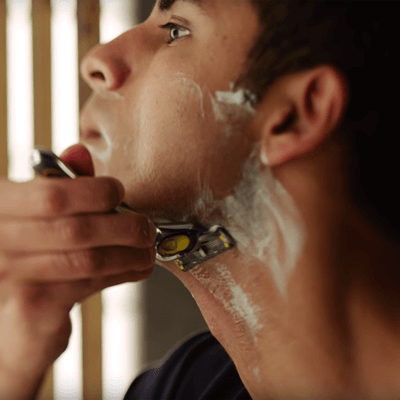
Shaving against the grain means shaving in the opposite direction of hair growth, which produces the closest finish but carries more irritation risk. Knowing what ATG means helps you decide when and how to use it safely.
What Are the Benefits and Risks of Shaving Against the Grain?
ATG Shaving: Benefits vs. Risks
When Should You Avoid Shaving Against the Grain?
Some skin types and conditions make ATG shaving more likely to cause irritation or razor bumps. Knowing when to avoid ATG helps protect sensitive or inflamed skin from unnecessary discomfort. You can skip ATG (against the grain) shaving if:
- You have sensitive skin prone to irritation.
- You frequently experience razor bumps or ingrown hairs.
- You have active irritation, acne, or breakouts in the shaving area.
If any of the above apply, stick to with the grain (WTG) or across the grain (XTG) for comfort and skin safety.
How Do You Prepare Before Shaving Against the Grain?
Proper prep softens hair and protects your skin from the added intensity of ATG strokes.
-
Cleanse and hydrate your skin to remove dirt and soften hair.
Hydrate for at least three minutes, ideally during a hot shower—to reduce the force required to cut hair by up to 70%. -
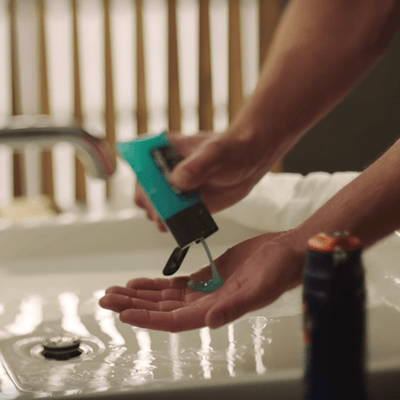
Apply warm water and shave gel generously for maximum cushion and glide.
A quality option like GilletteLabs Rapid Foaming Shave Gel helps protect against irritation, nicks, and cuts, and softens hair for a comfortable, close shave. - Use fresh blades to reduce tugging and friction during the shave.
How to Map Your Beard Grain?
Mapping your beard grain ensures you shave in the correct sequence: with, across, then against. Understanding your hair’s direction reduces irritation and helps you control the closeness of each pass.
- Run your fingers across stubble to feel the direction of hair growth.
- Check multiple areas—cheeks, jawline, and neck often differ.
- Grain often changes direction, so map carefully before shaving. You can also rub your hand or a credit card across your face—the direction where you feel resistance indicates the ATG direction.
Pro Tip:
“Use your fingers or even a credit card to feel resistance—this indicates the ATG direction.”
What is Multi-Pass Shaving Method?
The multi-pass shaving method is a technique that delivers a close shave while minimizing irritation by shaving in stages rather than going straight against the grain. Here’s how it works:
Step 1 – First Pass: With the Grain (WTG)
Start by shaving in the same direction as your hair growth. This is the gentlest pass and helps remove the bulk of the hair without stressing your skin.
Step 2 – Second Pass: Across the Grain (XTG)
Next, shave sideways to the hair growth direction. This pass gets you closer without the high risk of irritation that comes from going directly against the grain.
Step 3 – Third Pass: Against the Grain (ATG)
Finally, if your skin tolerates it, shave in the opposite direction of hair growth for the ultimate smooth finish.
Pro Tip:
“Before this pass, reapply shave gel or foam to restore lubrication and protect your skin.”

Area-Specific Tips for Shaving Against the Grain
Different areas of your face require different techniques for safe ATG shaving.
Follow these Do’s and Don’ts:
-
Cheeks
✅ Do: Use light, controlled strokes for smooth results.
❌ Don’t: Rush through this area—precision matters.
-
Jawline
✅ Do: Stretch the skin gently to create a flat surface.
❌ Don’t: Press hard—this increases irritation risk.
-
Neck
✅ Do: Proceed with extra caution; use short strokes.
❌ Don’t: Over-shave—multiple passes can cause razor burn.
-
Upper Lip
✅ Do: Keep strokes gentle and minimal for comfort.
❌ Don’t: Make multiple aggressive passes—one is enough.
Common Mistakes to Avoid While Shaving Against the Grain
ATG shaving is unforgiving if you skip prep or use dull tools. Avoiding these mistakes helps prevent razor burn, bumps, and unnecessary inflammation.
- Skipping proper prep like hydration and shave gel.
- Using dull blades that tug and scrape.
- Applying too much pressure, which increases friction.
- Making multiple aggressive passes without re-lathering for protection.
Troubleshooting: Quick Fixes for ATG Shaving Issues
ATG problems like redness and bumps can often be solved with small adjustments to technique or shaving frequency. Quick fixes help restore comfort while protecting your skin barrier.
- If redness: Apply a cool compress and a soothing gel.
- If bumps: Pause shaving and exfoliate gently after 48 hours.
- If persistent irritation: Switch to with-the-grain only until skin heals.
Aftercare When You Shave Against the Grain
Proper post-shave care is essential to prevent irritation and keep skin healthy.
Follow this quick checklist:
- Rinse with cool water to calm the skin.
- Apply an alcohol-free aftershave to soothe without sting.
- Use a hydrating moisturizer to restore the skin barrier and lock in comfort.
FAQs on Shaving Against the Grain
-
Is it better to shave with or against the grain?

Shaving with the grain (WTG) is gentler and reduces irritation, making it ideal for sensitive skin. Shaving against the grain (ATG) gives a closer shave but increases the risk of razor burn and ingrown hairs. If you choose ATG, always prep properly and use a multi-pass method.
-
Do I supposed to shave upwards or down?

It depends on your hair growth pattern. Some areas grow downward, others sideways or upward. Always map your beard grain first by feeling the direction of stubble. Shave with the grain initially, then across, and only go against if your skin tolerates it.
-
Which way is shaving against the grain?
Against the grain means shaving in the opposite direction of hair growth. For example, if your hair grows downward on your cheeks, shaving upward is ATG.
-
Does shaving against the grain promote hair growth?
No. Shaving direction does not affect hair growth rate or thickness—it only impacts closeness and irritation risk.
-
Why do barbers shave against the grain?
Barbers often shave ATG for an ultra-close finish, but they use professional prep techniques, hot towels, and high-quality tools to minimize irritation.
-
What are the disadvantages of shaving against the grain?
ATG shaving can cause razor burn, redness, and ingrown hairs, especially on curly or coarse hair. It also increases irritation on sensitive skin.
-
Can ATG shaving cause razor bumps?
Yes. Shaving against the grain increases the chance of ingrown hairs, which can lead to razor bumps—particularly on curly or thick hair types.
-
Is ATG shaving safe for sensitive skin?
Not recommended. Stick to with-the-grain (WTG) or across-the-grain (XTG) passes for comfort and reduced irritation.
-
How do I know my beard grain direction?
Run your fingers across stubble to feel the direction of growth. Where you feel resistance, that’s against the grain. Check multiple areas—cheeks, jawline, and neck often differ.
-
Should I use multi-pass shaving every time?
Only if your skin tolerates it. Start with WTG, assess comfort, and proceed to XTG or ATG if needed. Always reapply shave gel before each pass.
Was this article helpful?

