










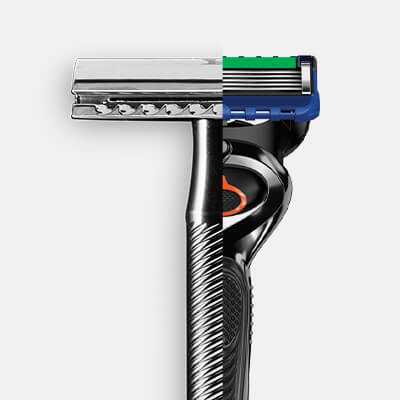






Introduction
TL;DR / Quick Answer - What's the Quickest Way to Shave Sensitive Skin Without Irritation?
For a smooth shave on sensitive skin, hydrate first, apply a cushioning shave gel, use a sharp low-pressure razor, rinse the blade often, avoid repeat passes, and finish with cold water and a calming, alcohol-free moisturizer.
Key Steps:
- Hydrate skin with warm water or steam before shaving.
- Use a moisture-rich shave gel designed for sensitive skin.
- Choose a low-pressure razor (SkinGuard, single blade, or gentle manual).
- Shave with the grain using light, short strokes.
- Rinse the blade frequently to maintain glide.
- Finish with cold water with alcohol-free, calming balm.
- Avoid going over the same spot repeatedly.
This approach reduces friction, protects the skin barrier, and minimizes razor burn on sensitive skin.
What Tools You'll Need for a Sensitive-Skin-Friendly Shave
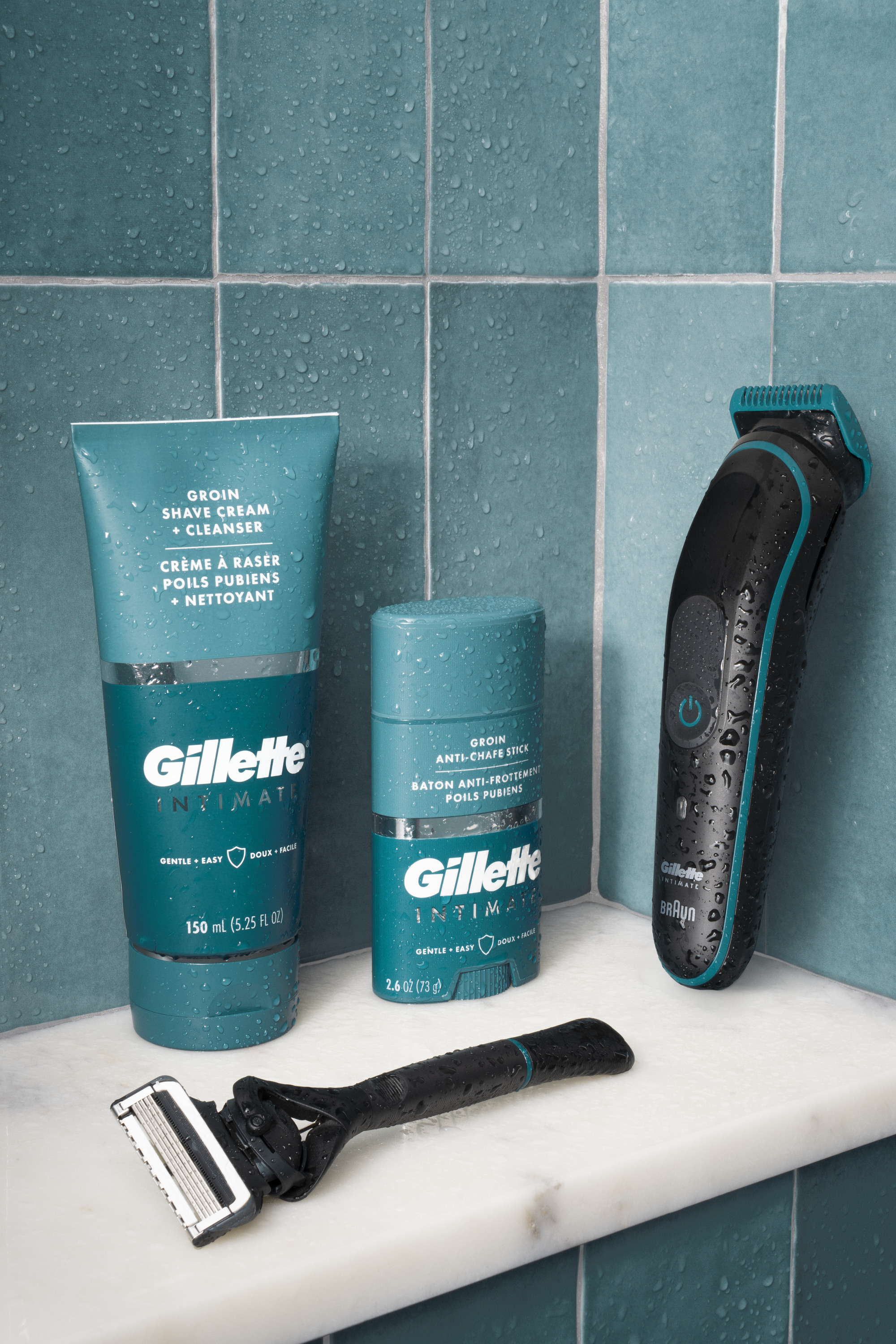
These tools are designed to reduce pressure, friction, and repeated blade contact—three main triggers for irritation on sensitive skin. To reduce friction and help your razor glide smoothly, you’ll need moisturizing shave products, gentle razor options, warm water for prepping hair, and soothing aftercare to calm the skin.
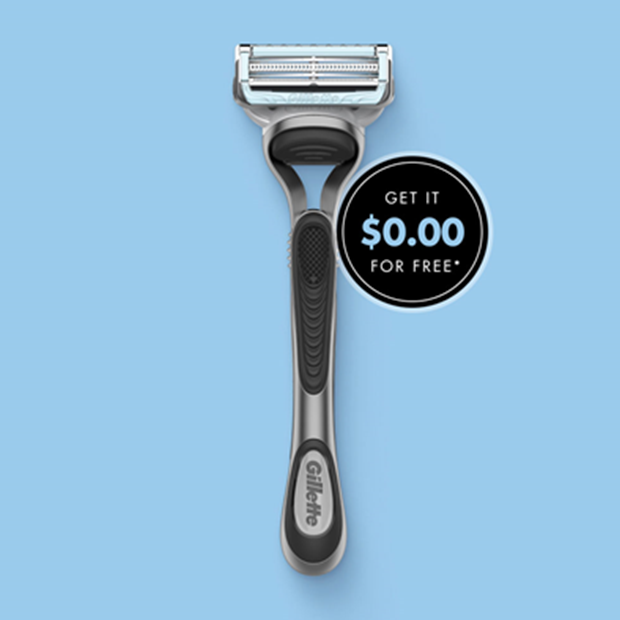
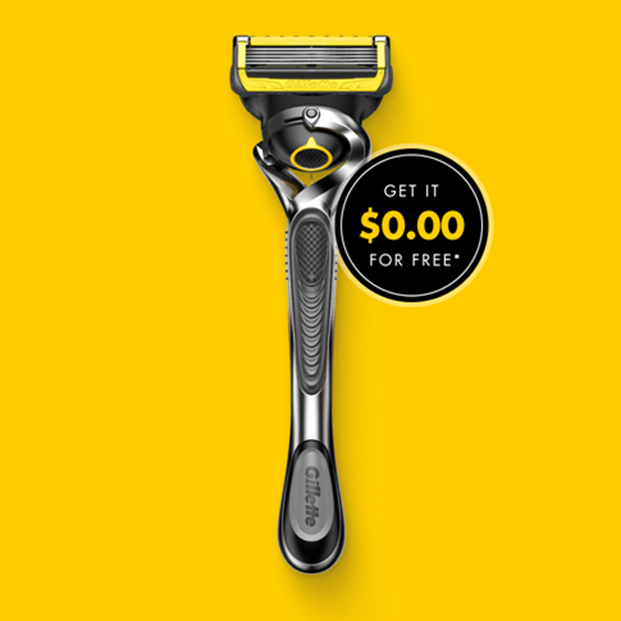
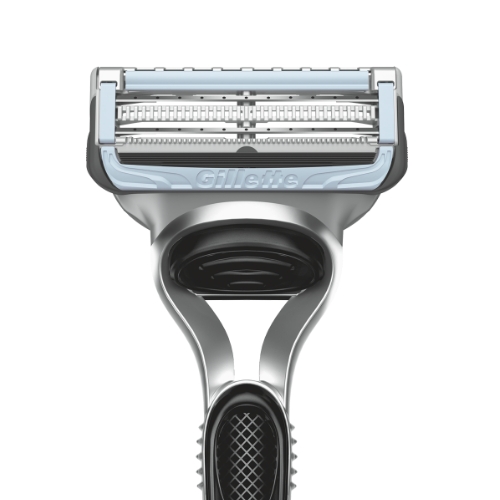
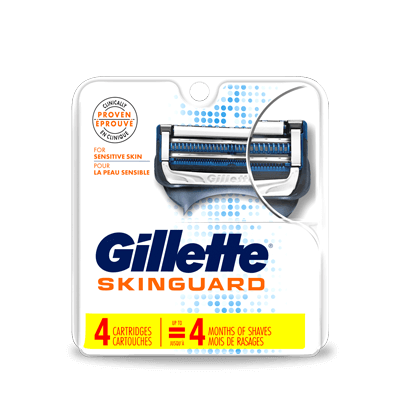
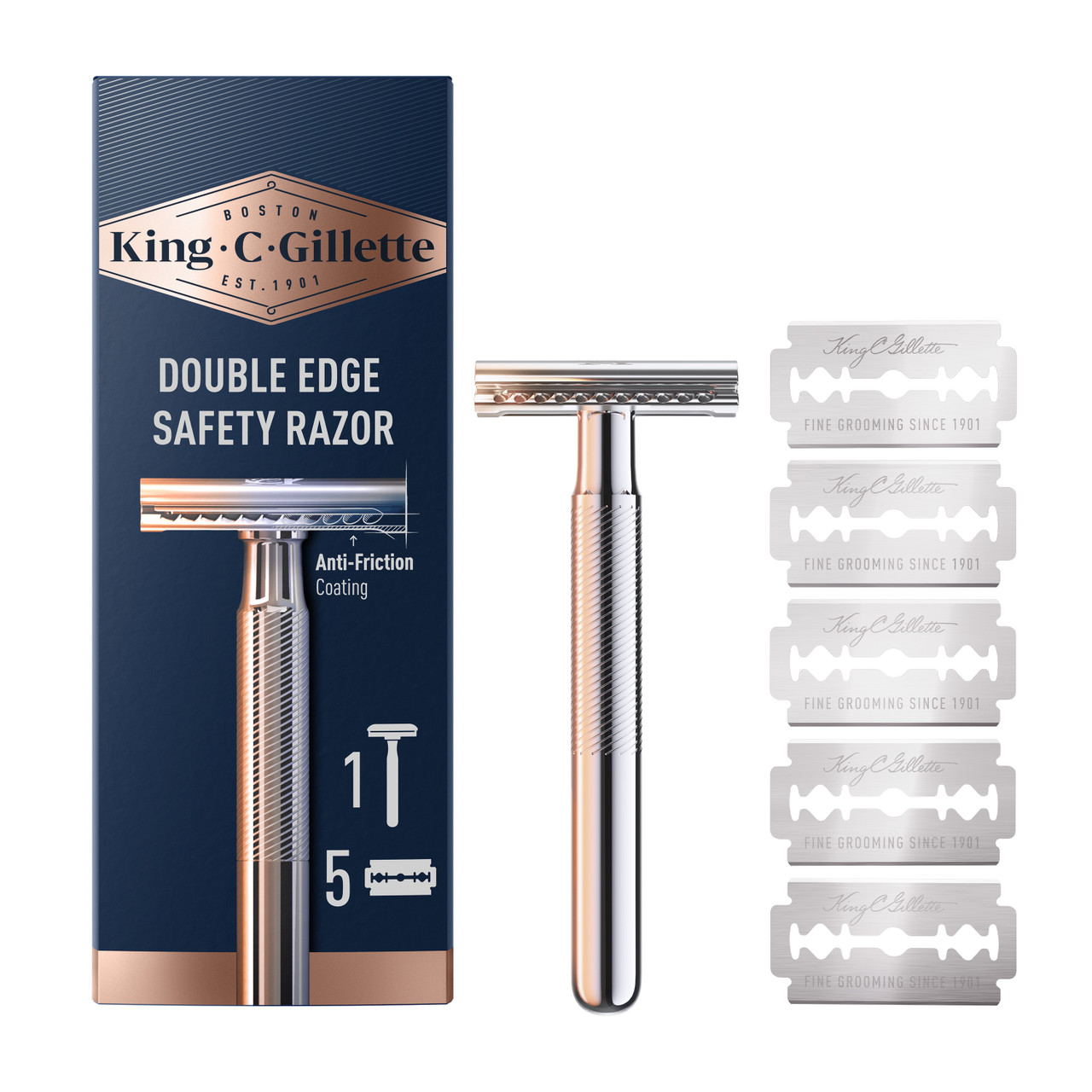
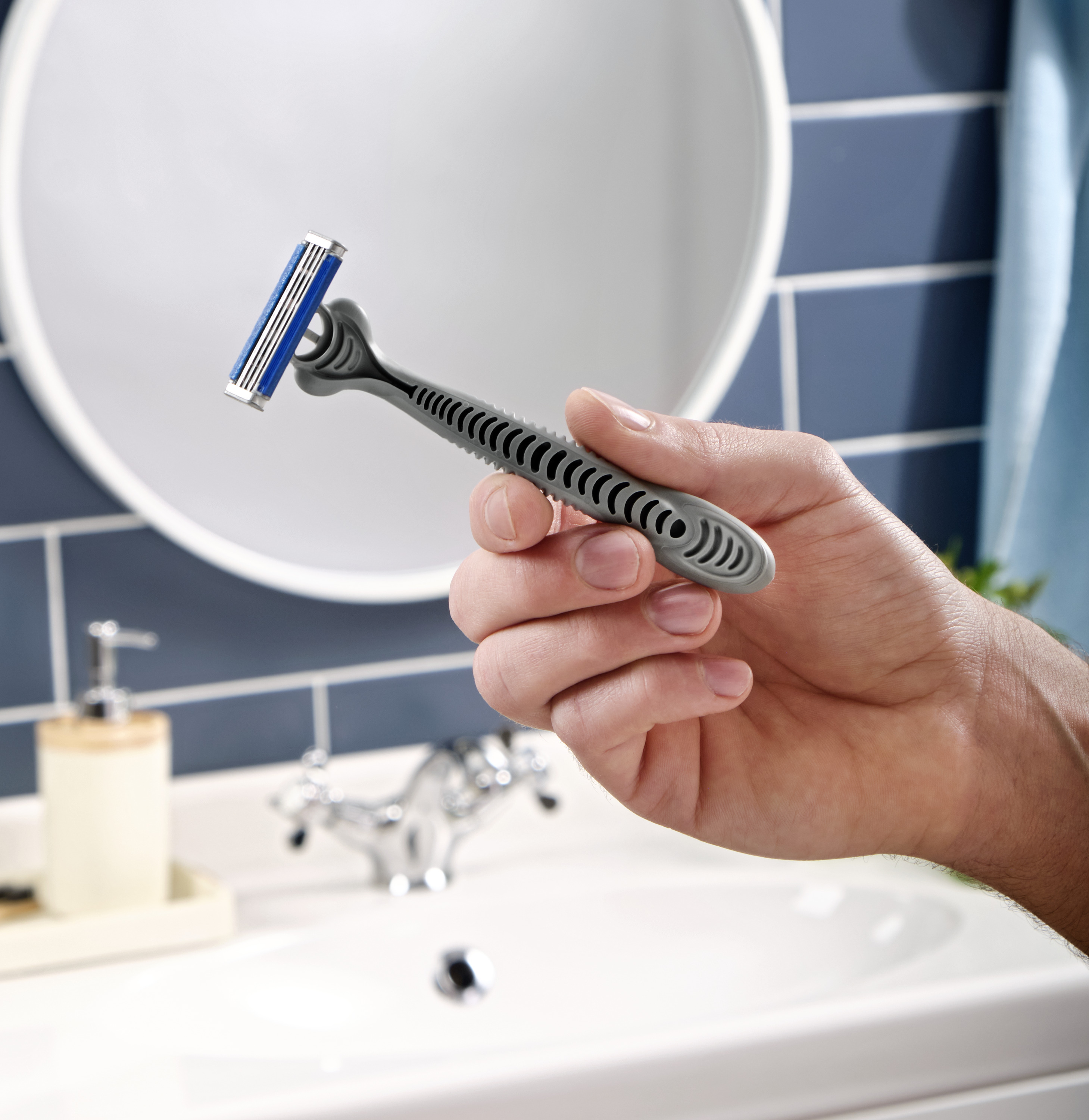
- A sensitive-skin-friendly razor (Gillette SkinGuard, single blade manual, or foil electric):
These razors minimize pressure on the skin and reduce tugging, making them ideal for preventing irritation — especially when choosing the best razor for sensitive skin such as the Gillette SkinGuard razor. - Moisturizing shave gel or cream:
A rich, cushiony gel or cream creates a protective barrier between the blade and your skin, improving glide and reducing friction. - Warm water or steam for softening hair:
Warm water hydrates and softens the hair, making it easier to cut and lowering the risk of pulling or razor burn. - Cold water rinse for post-shave calming:
A cool rinse helps reduce redness by tightening pores and soothing freshly shaved skin. - Alcohol-free post-shave balm:
This calms irritation without the sting of alcohol and helps restore the skin barrier with gentle hydration. - Optional: Pre-shave oil for extra glide:
A few drops under your shave gel add slip and reduce drag, especially helpful for coarse or dry hair. - Optional: Gentle exfoliant used one day before shaving:
Light exfoliation removes dead skin so the razor can glide more smoothly and helps prevent ingrown hairs — just avoid exfoliating right before shaving.
How Do You Shave Sensitive Skin with Less Irritation? (Step-by-step Guide)
Irritation decreases dramatically when you soften hair, hydrate skin, use a razor that reduces pressure, shave gently in the direction of growth, and follow with soothing post-shave care. Technique matters more than blade count — sharp, clean blades paired with good aftercare prevent bumps and redness.
This sensitive skin shaving routine focuses on preparation, precision, and recovery to reduce irritation at every stage of the shave.
Step 1
Properly Prepare Your Skin
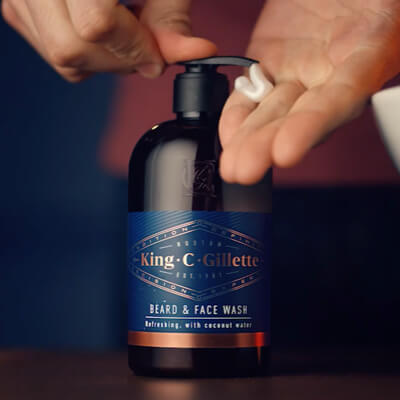
Use a face wash or facial scrub to help soften facial hair before you shave. You also should hydrate skin with warm water for at least three minutes to further soften your facial hair and make it easier to cut.
Why it matters: Softer hair minimizes tugging, pulling, and early irritation during the first strokes.
Pro Tip:
Shave immediately after a warm shower — your hair is at its softest and easiest to cut.
Step 2
Start With the Right Tools
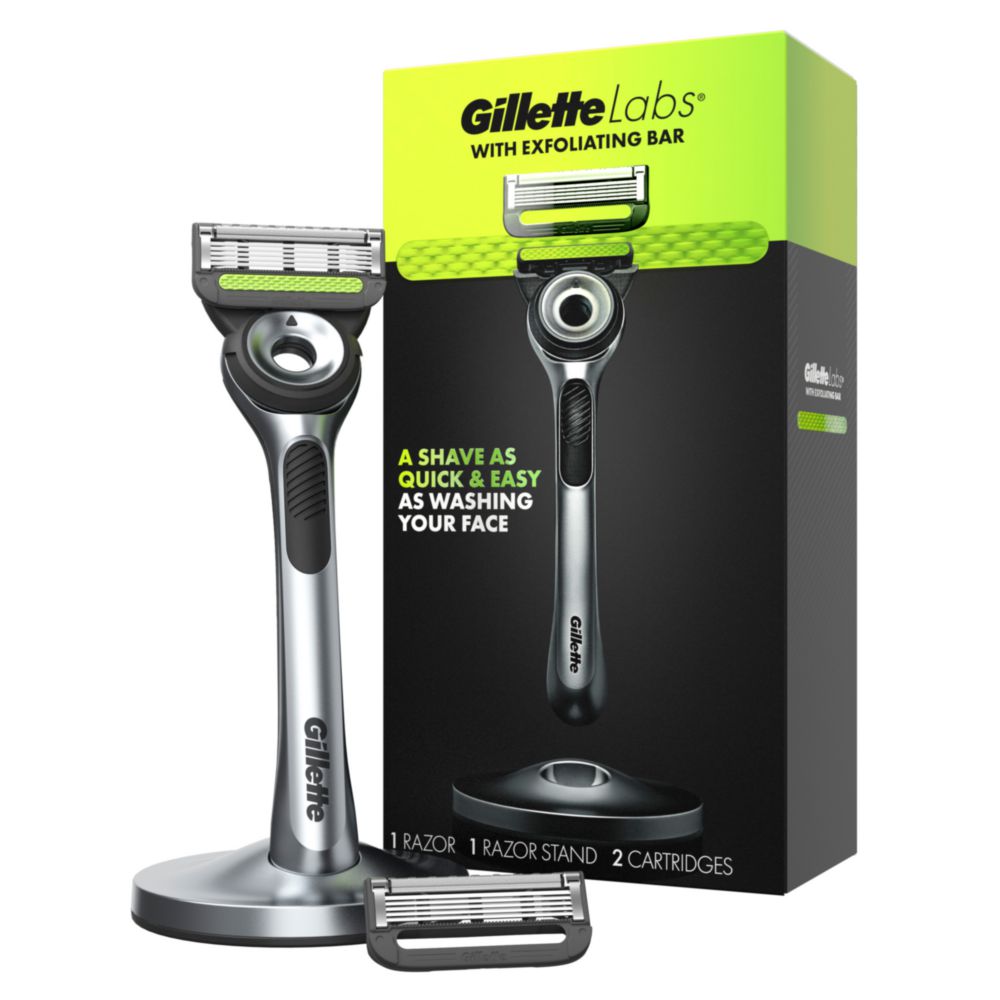
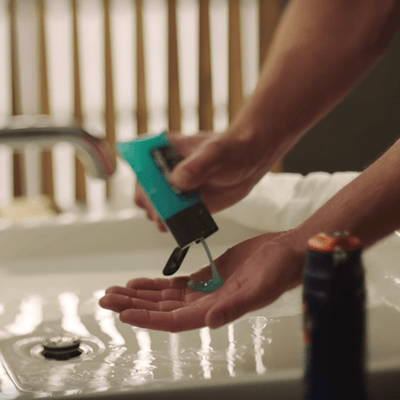
Use a non-drying, dermatologist-tested shave gel, such as GilletteLabs Rapid Foaming Shave Gel, to soften hair and help defend your skin against nicks and cuts. Also, use an advanced multi-blade razor that has blades spaced closer together, such as the SkinGuard Sensitive Skin Razor, to help reduce pressure on each blade for a close, comfortable shave.
Why it matters: Proper lubrication with reduced blade pressure keeps the skin protected from microcuts.
Step 3
Check Your Blades
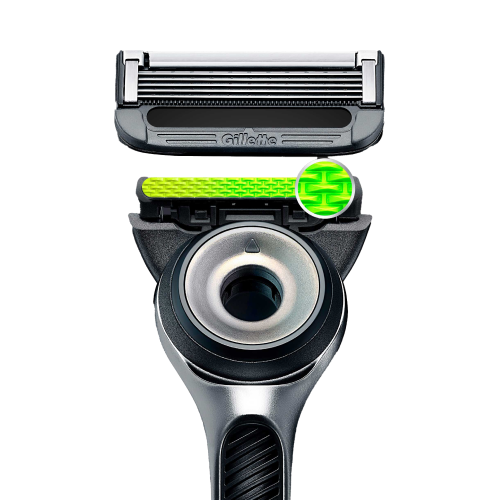
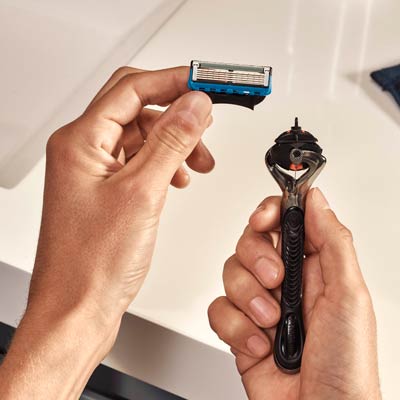
Dull blades can lead to nicks and irritation. Change your blade when you experience tugging or discomfort. Or try a razor that features an indicator strip that will fade when the blades begin to dull.
Why it matters: Sharp blades glide smoothly and help prevent razor burn and discomfort.
Step 4
Use Good Technique
Shave with light, gentle strokes. Your razor should do the work, not you. Start shaving with the grain (in the direction of hair growth). Then, if necessary, go against the grain for an even closer shave.
Why it matters: Gentle, grain aligned shaving minimizes irritation and risk of ingrown hair.
Pro Tip:
If your skin reacts easily, stop after the first with‑the‑grain pass. A single gentle pass is often enough for sensitive skin and reduces post‑shave irritation.
Step 5
Save the Coarse Areas for Last
Shaving your upper lip and around your mouth at the end of your shave will give the shave gel more time to soak in, further softening your facial hair and making it easier to cut. Also, a single blade is really useful for shaving the tricky places, such as under your nose.
Why it matters: Extra soak time reduces drag on the densest, coarsest hair.
Step 6
Rinse Your Blade Frequently
Rinsing the blade often throughout your shave prevents buildup on the blade edges and cartridge and will result in better glide and more comfort.
Why it matters: Clean blades move more smoothly and maintain consistent glide.
Step 7
Protect Your Face and Neck
After shaving, rinse skin with cool water and pat it dry. Then use a hydrating aftershave lotion to cool and moisturize your skin.
Why it matters: Cooling reduces redness; moisturization restores the skin barrier to avoid delayed irritation.
Mistakes to Avoid With Sensitive Skin
Sensitive skin reacts strongly to small mistakes even minor pressure or a dull blade can dramatically increase irritation.
Avoid these common triggers:
- Pressing too hard with the razor
- Using dull or unclean blades
- Shaving dry or with minimal lubrication
- Going over the same area repeatedly
- Applying alcohol-based aftershaves
- Shaving against the grain
- Exfoliating immediately before shaving
- Using products with fragrance, menthol, or strong ingredients
What Should You Do If You Still Get Irritation or Razor Burn?
Most irritation can be fixed by adjusting your shave direction, changing blades, improving lubrication, or switching to gentler tools.

- If you get redness immediately after shaving: Your skin is reacting to heat and friction, so calm it quickly with a cold compress followed by an alcohol-free soothing balm.
- If you develop razor bumps: Your hair is curling back into the skin, so shave only with the grain and switch to a low-pressure SkinGuard-style razor.
- If your skin feels tight or dry: Your shave lacked moisture, so use a richer shave cream and apply a hydrating post-shave moisturizer.
- If you notice ingrown hair: Dead skin is trapping new hair, so exfoliate gently 24 hours after shaving to release trapped hair.
- If your neck gets irritated: You're over shaving a sensitive area, so reduce passes and avoid stretching the skin while shaving.
- If you have active acne: Raised pimples can get cut or irritated, so shave around them and avoid passing the razor directly over bumps.
- If irritation continues: Your skin may need a gentler approach, so shave less frequently or switch to an electric shaver made for sensitive skin.
How to Keep Sensitive Skin Calm After Shaving
Cooling and hydrating the skin immediately after shaving reduces inflammation and helps maintain a healthy, irritation resistant barrier. Follow with a barrier‑supporting moisturizer (ceramides, glycerin, niacinamide) to support barrier repair on sensitive skin.
Post-Shave Aftercare:
- Rinse with cold water.
- Apply an alcohol-free balm.
- Follow with a barrier-supporting moisturizer.
- Avoid touching or scratching the area.
- Skip workouts and sweating for 1 hour
- Replace blades every 3-5 shaves for sensitive skin and 5-7 shaves for average skin.
FAQs on Shaving Sensitive Skin for Men
-
How often should I shave if I have sensitive skin?

Shaving 2–3 times a week is ideal, but you can shave daily if you use an ultra-gentle technique and a low irritation razor.
-
What type of razor works best for sensitive skin?

A low-pressure razor like Gillette SkinGuard, a single blade razor, or a gentle foil electric shaver works best for reducing irritation.
-
Should I shave with or against the grain?
Always shave with the grain if you have sensitive skin to minimize tugging, redness, and razor bumps.
-
Can I shave every day with sensitive skin?
Yes — daily shaving is possible if you use a gentle razor, light pressure, and proper lubrication to protect your skin.
-
Why does my neck always get irritated?
Neck irritation happens because the hair grows in multiple directions and is often shaved with too much pressure or repeated passes.
-
How do I prevent razor bumps?
Use light pressure, shave in the direction of hair growth, exfoliate gently 24 hours after shaving, and choose Gillette SkinGuard razor to reduce friction.
-
Is wet shaving or dry shaving better for sensitive skin?
Wet shaving is generally gentler because it softens hair and reduces friction, while sensitive skin electric shavers can minimize irritation for some people.
-
When should I replace my blades?
Replace your blades every 5-7 shaves or immediately when you feel tugging, pulling, or reduced glide.
-
Should I exfoliate if I have sensitive skin?
Yes, but exfoliate the day before shaving, not right before, to avoid additional irritation.
-
What should I apply after shaving to reduce irritation?
Use an alcohol-free soothing balm followed by a lightweight moisturizer to calm, hydrate, and protect sensitive skin.
Was this article helpful?

