










Introduction
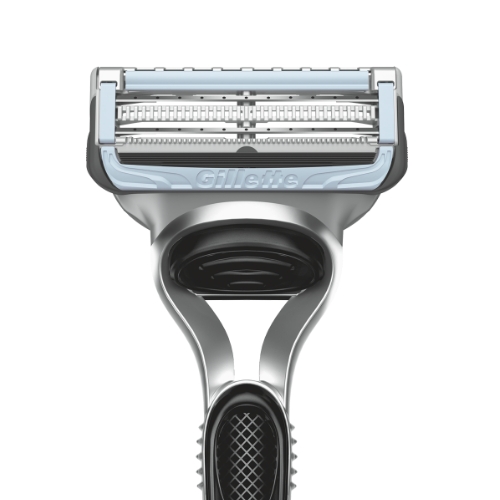
You may think that men who cut themselves are being careless, but often the opposite is true. Many nicks occur because men press too hard in an attempt to get a closer shave. Gillette’s advanced razor technology helps distribute pressure away from the blades, reducing the likelihood of shaving cuts.
TL;DR / Quick Answer - Preventing Shaving Cuts at a Glance
Most shaving cuts happen due to dull blades, excess pressure, or poor preparation. Smart technique and the right tools prevent nicks effectively.
For a nick‑free shave:
- Hydrate skin before shaving
- Use protective shave gel
- Shave with the grain using light strokes
- Keep blades sharp and rinse often
- Finish with alcohol‑free moisturizer
What You’ll Need — Recommended Gillette Tools & Products
A safer, smoother shave starts with choosing tools that minimise pressure, protect the skin, and deliver effortless glide.
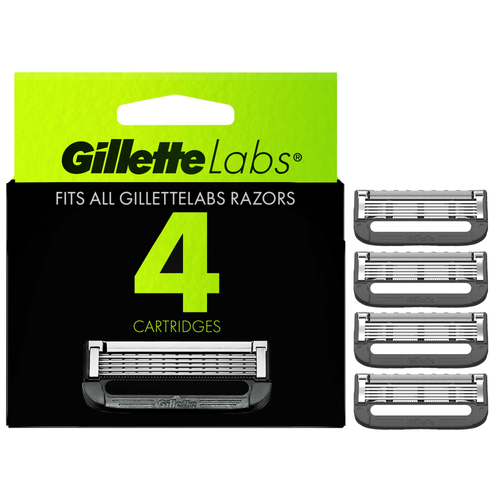
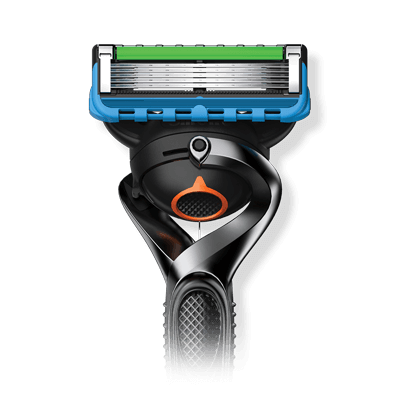
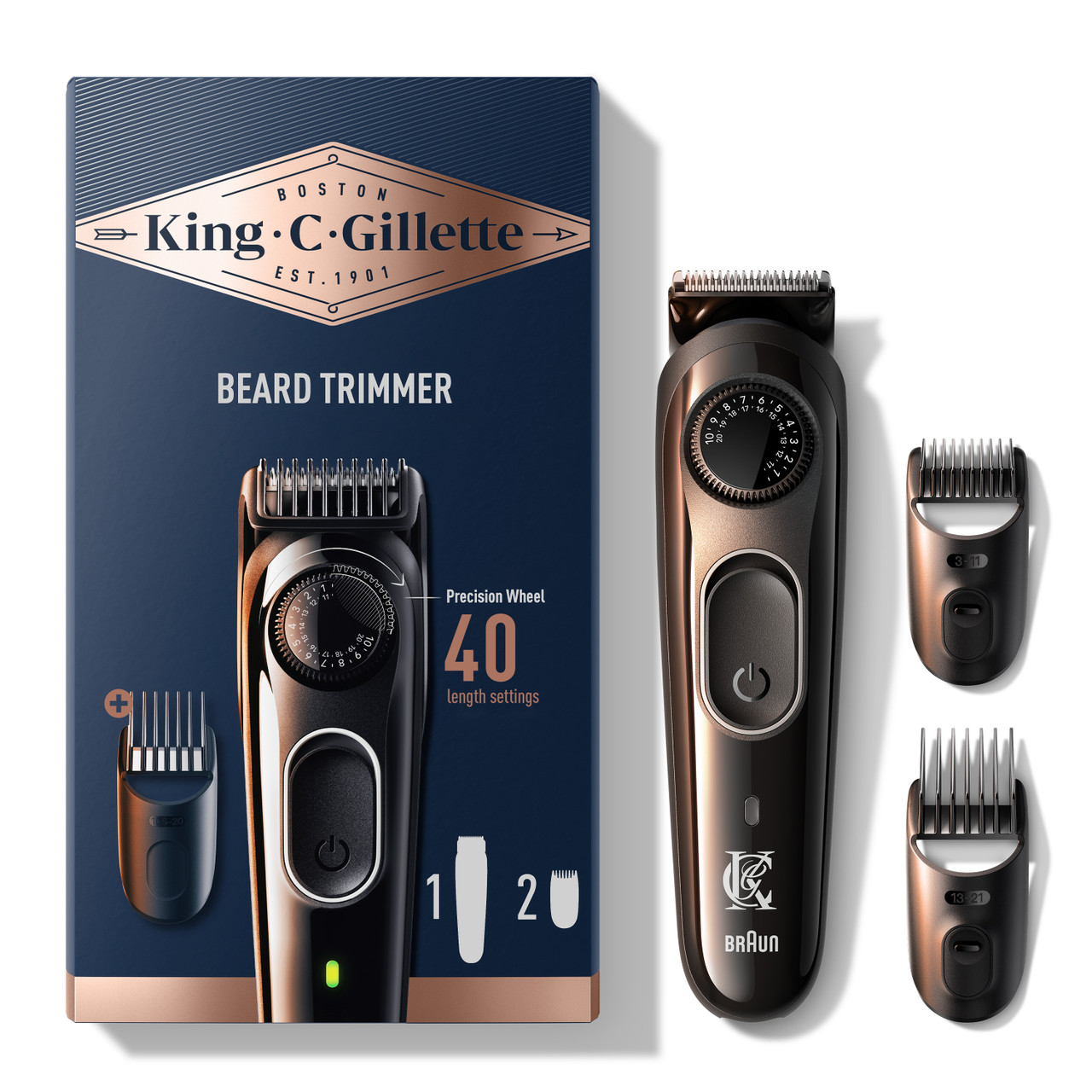
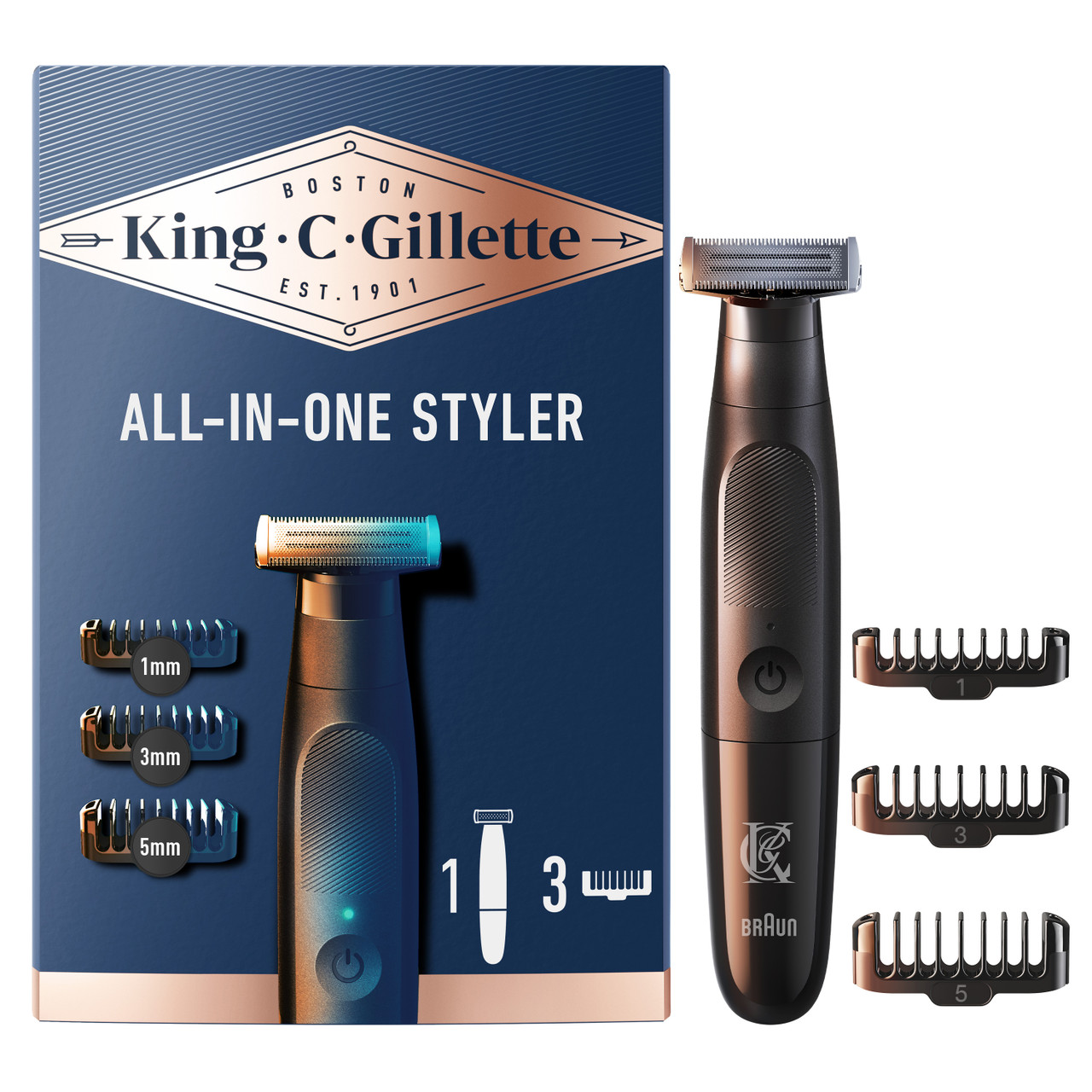
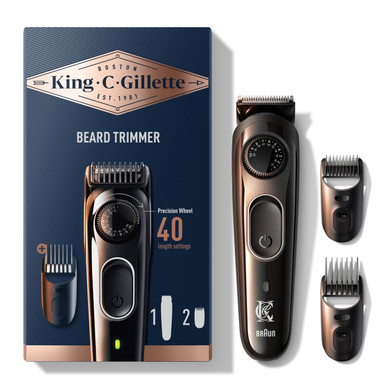
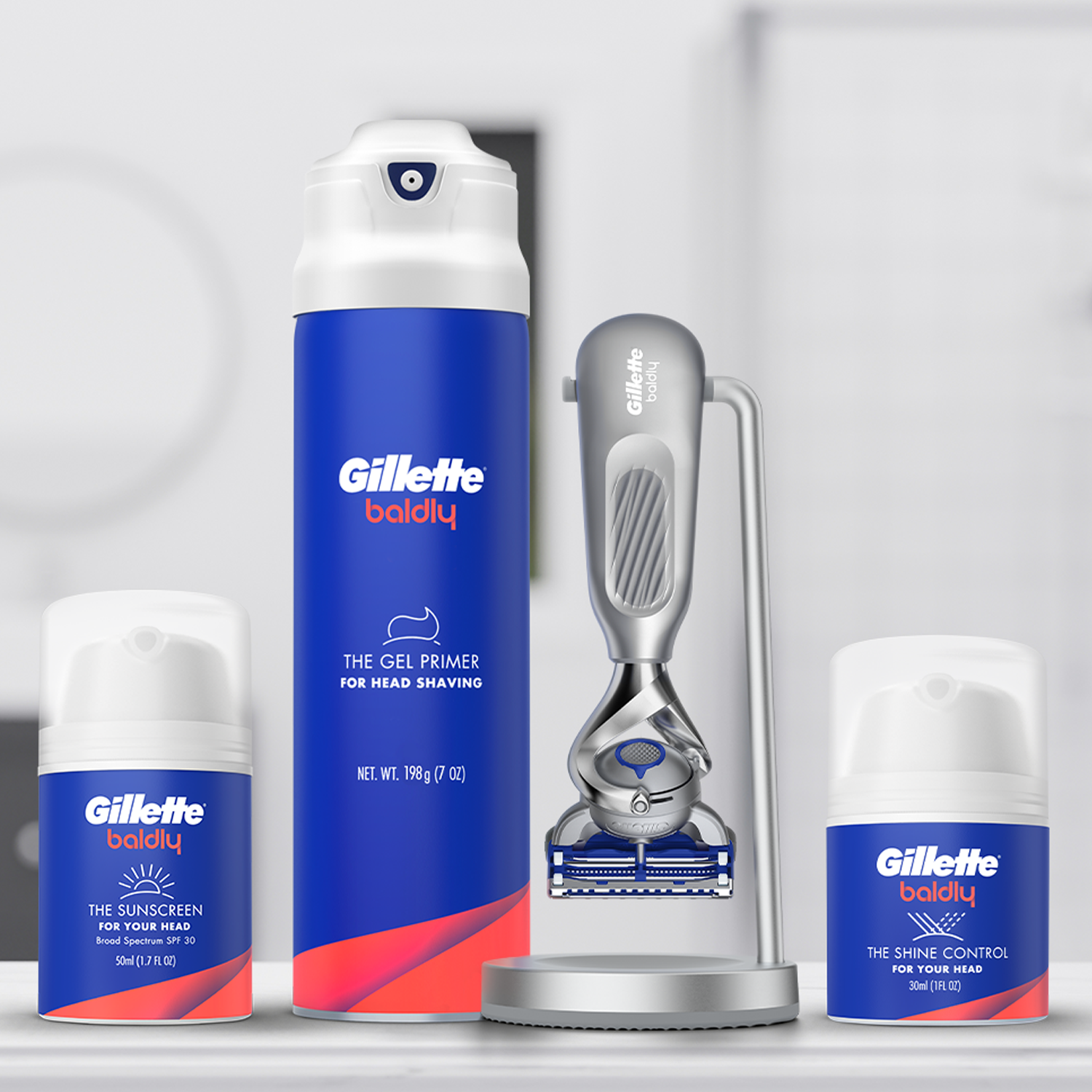
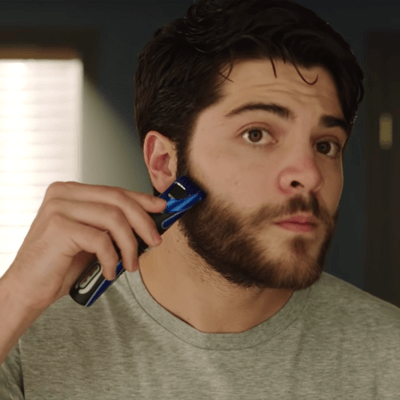
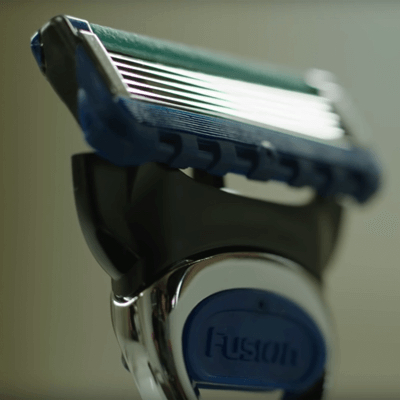
- For precision work and tricky areas, you can use razors like the Gillette Fusion5 or the King C. Gillette All‑in‑One Styler, which help maintain control and accuracy.
- A 5‑blade cartridge helps distribute pressure evenly across the skin, reducing tugging and irritation.
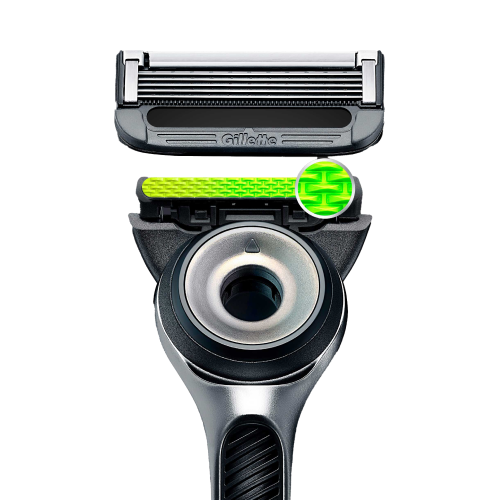
- Front‑pivot, multi‑blade razors are ideal for reducing skin bulging, allowing the blades to cut hair cleanly and safely.
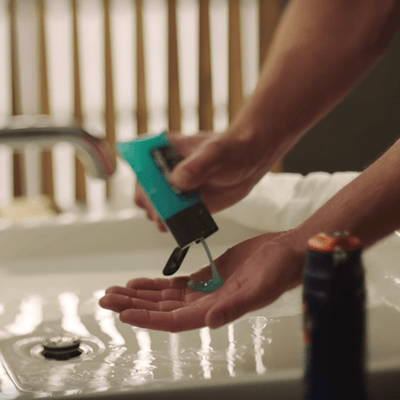
- To enhance lubrication and protect sensitive skin, opt for a quality shaving gel, such as GilletteLabs Rapid Foaming Shave Gel.
- Keep a styptic pencil on hand to quickly stop bleeding from any small nicks or cuts
Why Razor Design Matters — Front Pivot & Multiblade Advantage
How your razor and its blades interact with your skin and hair while you shave has a lot to do with how they have been designed.
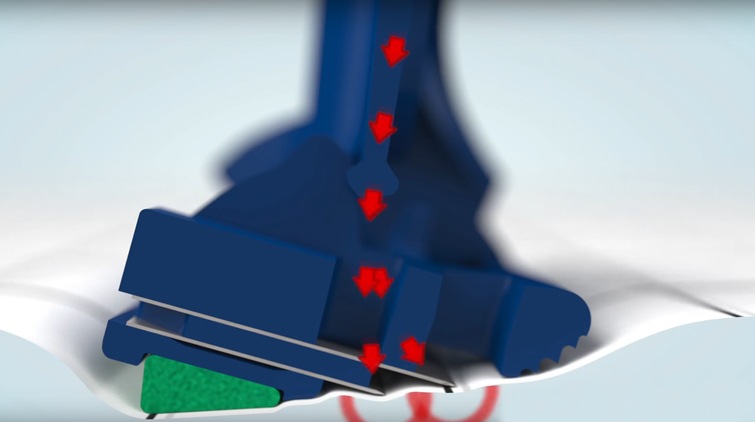
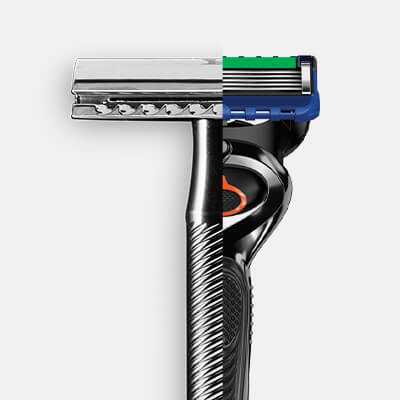
The downward pressure applied to your razor blades while shaving causes the soft skin underneath the razor to ripple and bulge between the blades of the razor’s cartridge.
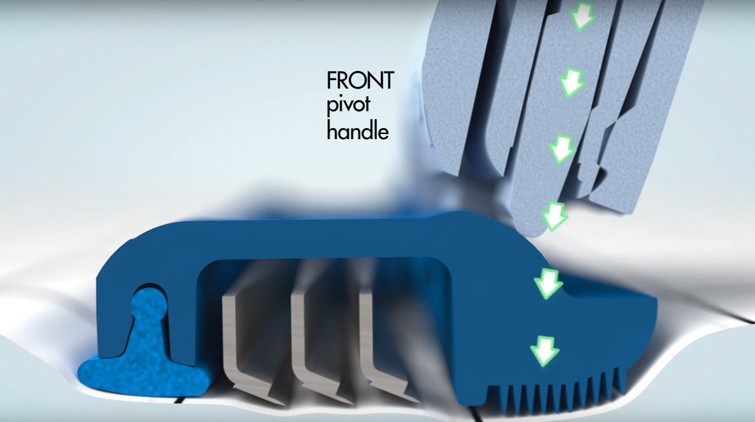
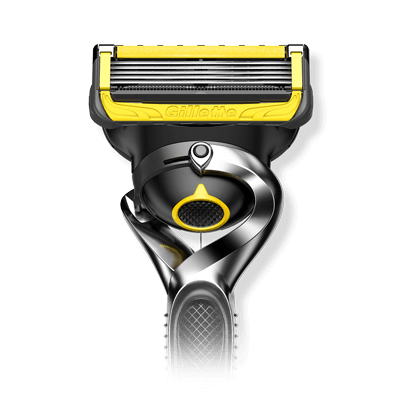
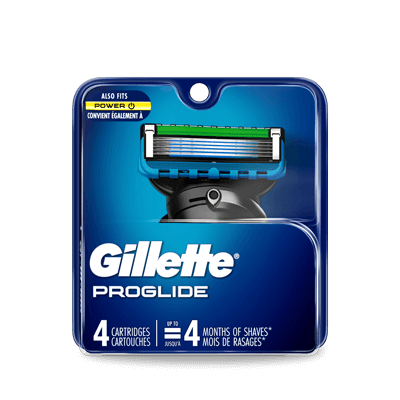
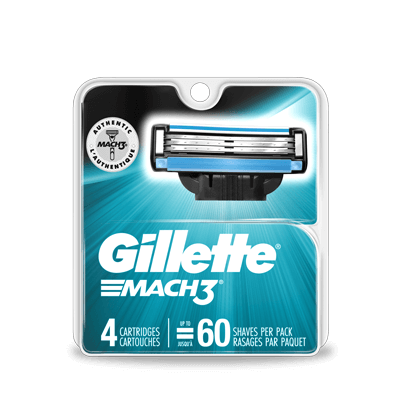
A razor with a center-mounted handle transfers all of that downward pressure directly to the blades, increasing the likelihood of shaving cuts and nicks. On the other hand, a razor with a front pivot handle, like those found on many Gillette razors such as Mach 3 and Fusion5 moves the load away from the blades and onto the Microfins.
Moreover, multi-blade razors spread the downward pressure from your hand more evenly across your skin.
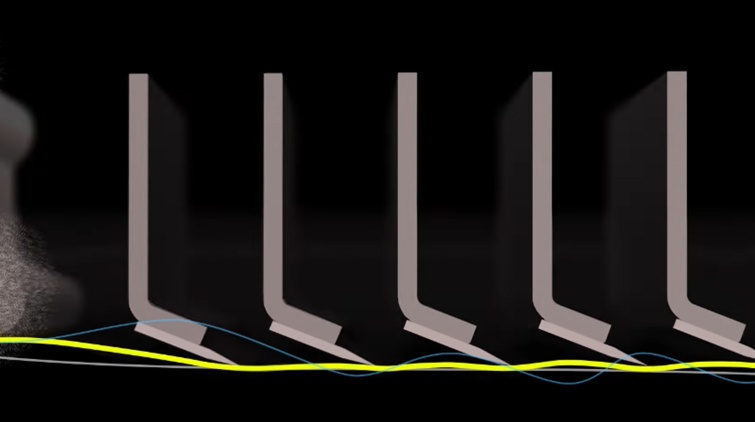
More blades in your razor’s cartridge, when spaced at the right distance apart, spread the load more evenly across the blade area, resulting in less bulging of the skin between the blades –the result: lower risk of shaving cuts. For example, a 5-blade razor cartridge (such as that on the Gillette Fusion5 ProShield) reduces skin bulging by more than 30%, compared to Gillette’s 3-blade cartridge, Mach3.
Smaller bulges mean a more even skin surface. As a result, the shave is close, comfortable, and you are less likely to cut yourself.
How to Shave Without Nicks & Cuts — Step-by-Step Guide
You can shave without nicks and cuts by preparing your skin properly, using a sharp blade, and applying light, controlled strokes. Gentle technique and good lubrication reduce friction and help the razor glide safely over the skin. Here are the steps:
Step 1
Hydrate skin
Shower first or apply a warm compress for 2–3 minutes to soften hair and relax the skin, making it easier for the blade to cut cleanly.
Pro Tip:
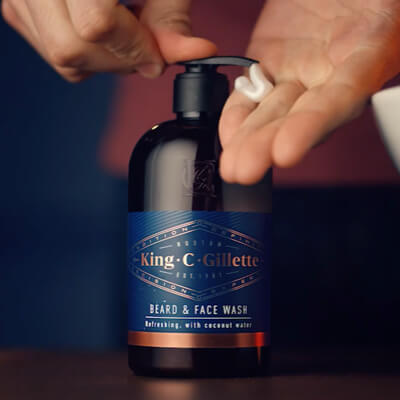
“Add a gentle face wash to remove oils that can block shaving gel glide.”
Step 2
Apply shaving gel
Spread an even layer of shaving gel to create a cushioning barrier that reduces friction and helps you track where you’ve already shaved.
Step 3
Use a sharp blade
Replace razor cartridges every 5–7 shaves, or sooner if you feel tugging. Sharp blades cut cleanly and reduce the risk of accidental cuts.
Step 4
Shave with the grain first
Begin shaving in the direction of hair growth. Once your skin is comfortable, you can shave across or against the grain if needed for extra closeness.
Step 5
Apply light pressure
Let the weight of the razor do the work. Pressing too hard increases skin bulging and raises the risk of nicks.
Step 6
Use short strokes
Short strokes improve control around facial contours and help prevent accidental over‑shaving.
Step 7
Rinse blades often
Rinse your razor frequently to clear hair and gel buildup that can cause drag and uneven cutting.
Step 8
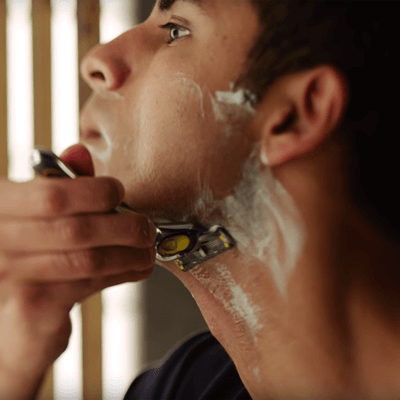
Be careful around chin & neck
Slow down on curved or sensitive areas. Gently stretch the skin with your free hand to create a flatter shaving surface.
What Are Some Common Mistakes That Cause Cuts While Shaving?
Most shaving cuts happen due to poor technique or rushed preparation rather than the razor itself. Dull blades, excess pressure, skipped prep, and shaving against the grain too early are the most common causes.
Shaving cuts trace back to one of four behaviours.
- Using dull blades — more pull, less cut → more nicks and irritation.
- Pressing too hard — increases skin bulging between blades.
- Skipping prep — dry hair resists cutting; friction rises.
- Going against the grain too early — lifts edges, increases snag risk.

Troubleshooting — What Should You Do If You Get Cuts?
If you get a shaving cut, focus on stopping the bleeding first, calming the skin next, and adjusting your routine to prevent repeat injuries. Most minor nicks heal quickly with proper care.
Treat, calm, then adjust your routine.
- If you get a minor nick → Rinse with cool water and dab with a styptic pencil to stop bleeding.
- If irritation occurs → Switch to alcohol-free balm and pause any against the grain passes until calm.
- If cuts keep happening → Change cartridges more frequently, recheck prep (hydration and gel) and lighten pressure.
Aftercare Steps to Soothe and Protect Your Skin
Proper aftercare helps calm freshly shaved skin, reduce irritation, and lower the risk of future cuts. Using gentle, alcohol‑free products supports faster recovery and comfort.
Aftercare prevents irritation, razor burn, and repeat cuts. So, follow this routine.
- Rinse with cool water to calm the skin
- Use an alcohol-free moisturizer or soothing balm
- Use gentle antiseptic if needed
- Treat accidental cuts with a styptic pencil or alum block
FAQs — How to Prevent Nicks & Cuts While Shaving
-
What causes nicks and cuts while shaving?

Typically: dull blades, too much pressure, poor prep, and going against the grain too soon—all increase the risk of razor nicks and shaving cuts.
-
How can I prevent cuts when shaving my face?

Hydrate, use a cushioning gel, shave with the grain, take short light strokes, and choose front pivot, multiblade razors for better pressure distribution.
-
Is shaving with the grain better for avoiding nicks?
Yes. Start with the grain; if needed, do a gentle across the grain pass. Save against the grain for last—only if skin is calm and properly prepped.
-
How often should I replace my razor blade to reduce cuts?
About every 5–7 shaves, or sooner if you feel tugging, skipping, or see dullness.
-
Does shaving cream/gel really help prevent nicks and irritation?
Yes. It hydrates hair and adds lubrication to reduce friction and improve glide, helping prevent cuts while shaving.
-
What’s the best technique for shaving sensitive areas like the neck and chin?
Use short, light strokes with minimal pressure; stretch the skin gently and rinse the blade frequently.
-
Can rushing through a shave increase the risk of cuts?
Absolutely. Speed often leads to pressure and missed prep—top triggers for nicks and cuts.
-
What should I do immediately if I get a shaving cut?
Rinse with cool water and press a styptic pencil to the nick to stop bleeding quickly.
-
Are multiblade razors safer than single blade for preventing nicks?
For many users, more blades (properly spaced) with front pivot can reduce skin bulging and lower nick risk versus single blade designs.
-
Why do I still get razor burn or ingrown hair even if I avoid cuts?
Overshaving, dry skin, or hair curl pattern can cause irritation and ingrown hair. Exfoliate gently, keep passes minimal, and moisturize post-shave.
Was this article helpful?

