











Introduction
TL;DR / Quick Answer - Do You Really Need Shaving Cream?
Shaving cream (including gel and foam) is essential because it softens hair, improves razor glide, and protects skin—helping you shave with fewer strokes and less irritation.
It helps you:
- Minimize cuts, nicks, and razor burn
- Improve razor glide for smoother strokes
- Prevent dryness, redness, and post‑shave irritation
- Reduce tugging, pulling, and ingrown hairs
What Do You Need for a Comfortable Shave Using Shaving Cream or Gel?
A comfortable shave depends on combining proper lather with sharp tools and skin‑soothing aftercare. The right products help soften hair, protect skin from friction, and maintain hydration before and after shaving.
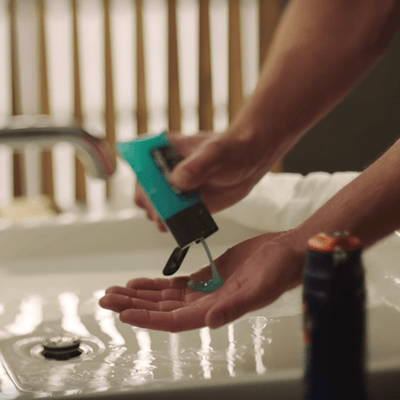
- Shaving Gel or Foam: A shave gel or foam hydrates the hair, reduces friction, and creates a protective barrier between the blades and your skin.
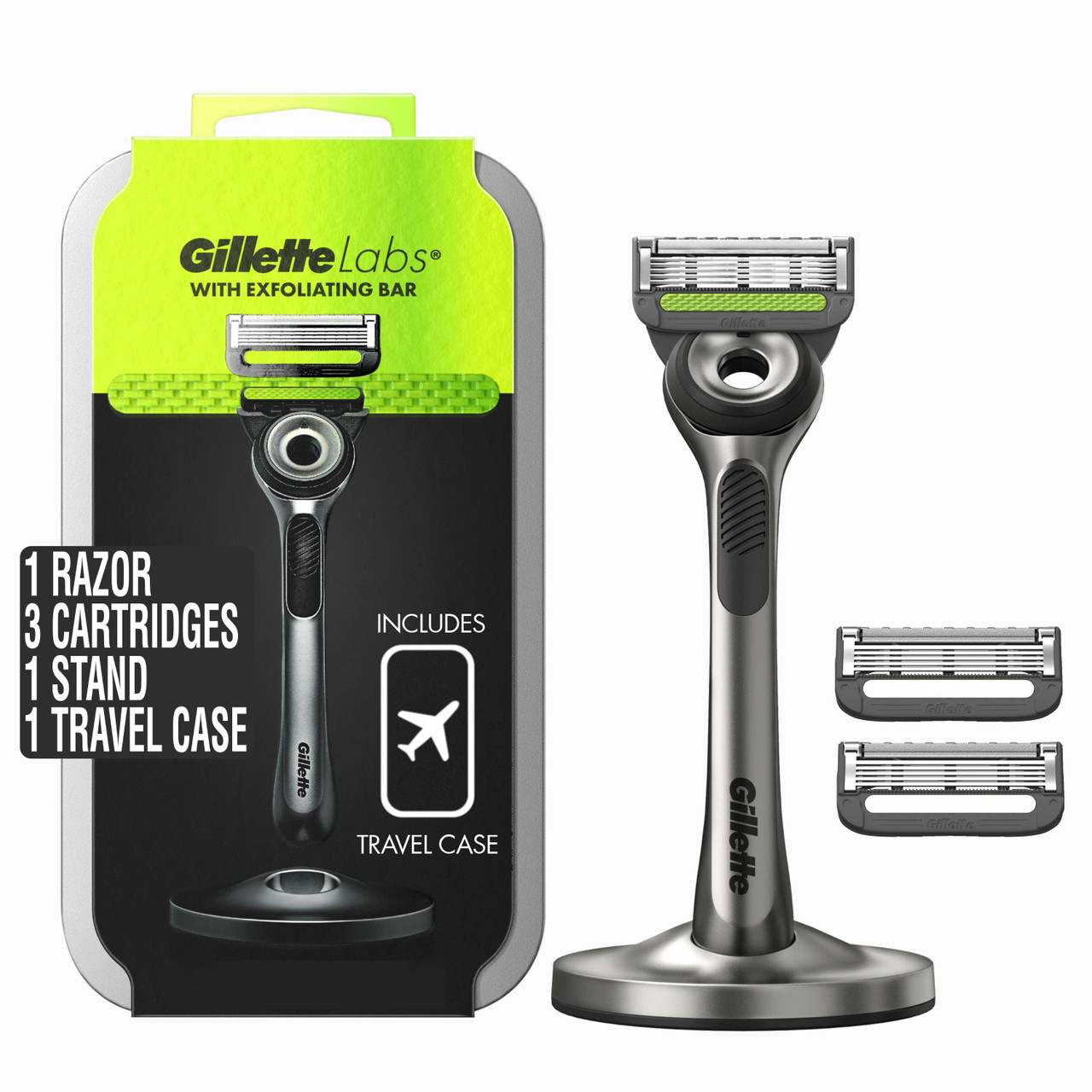
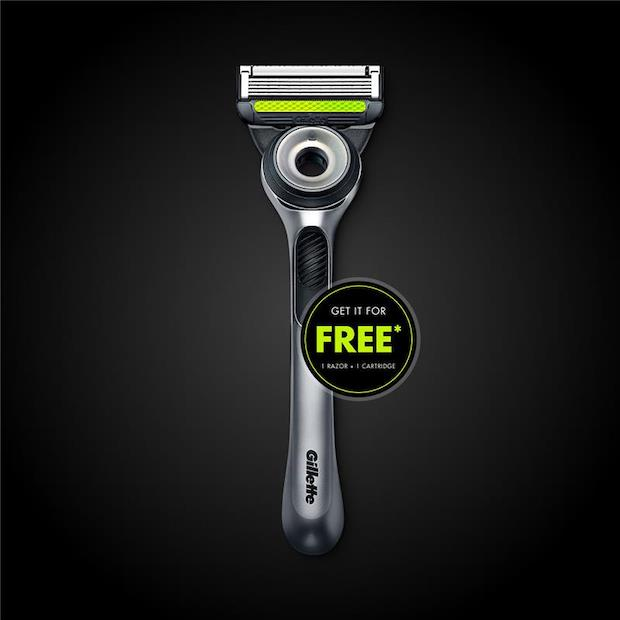
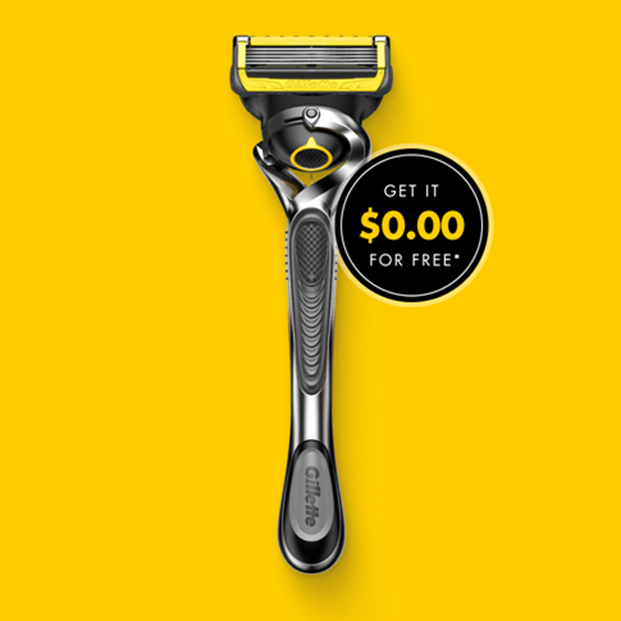
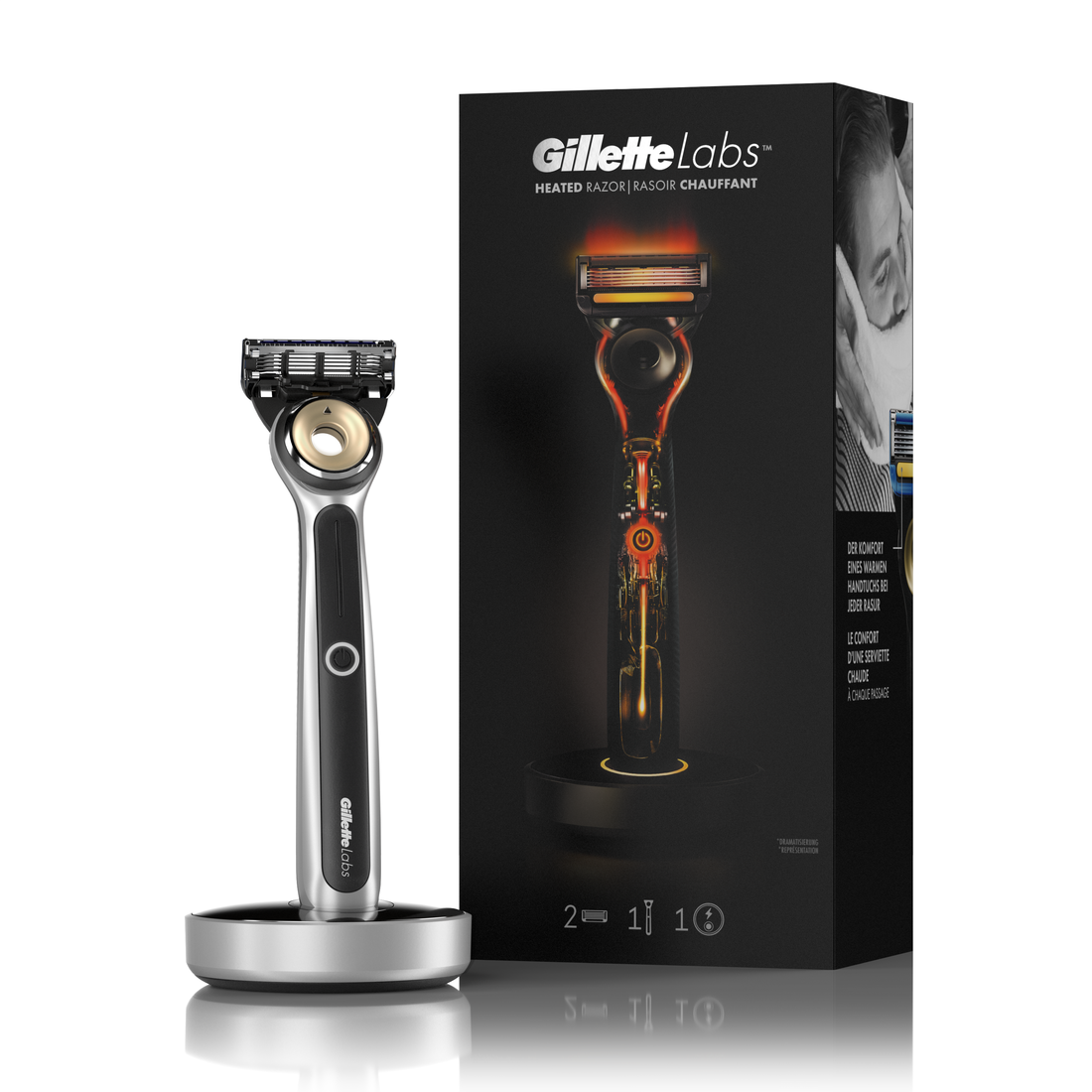
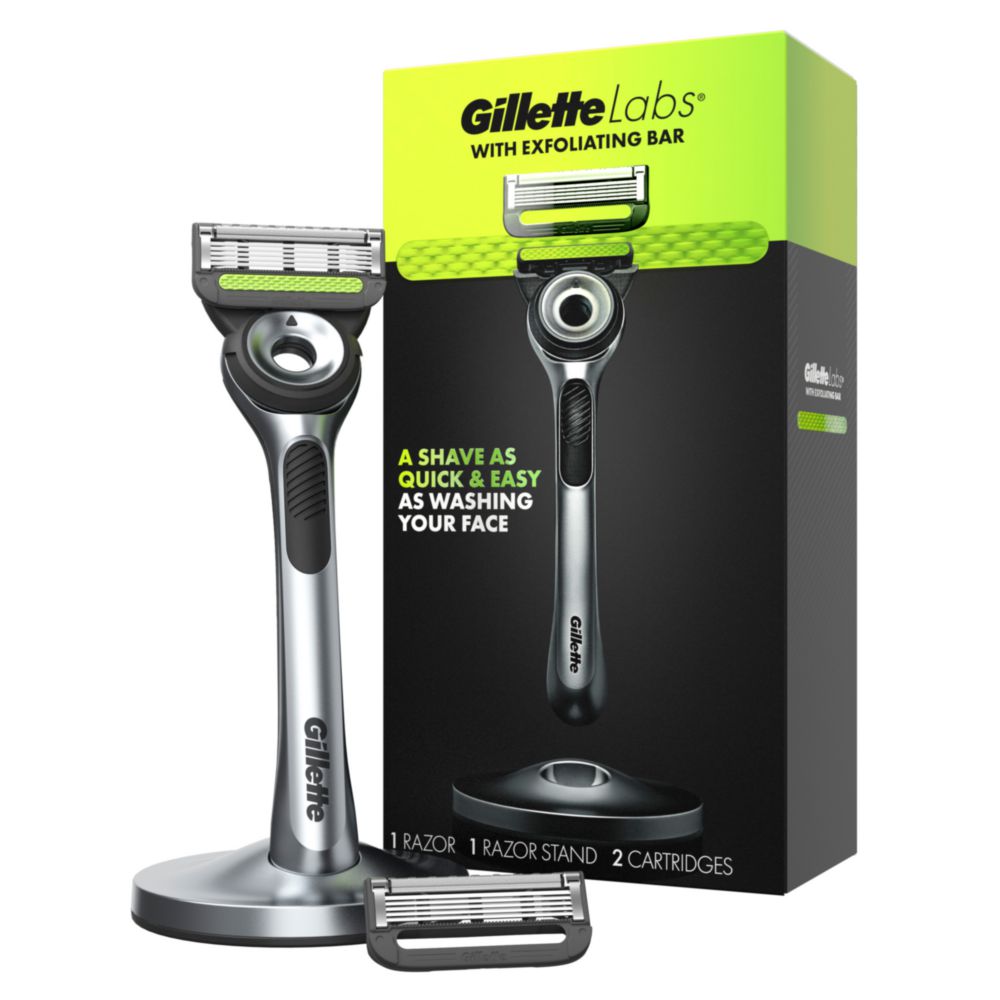
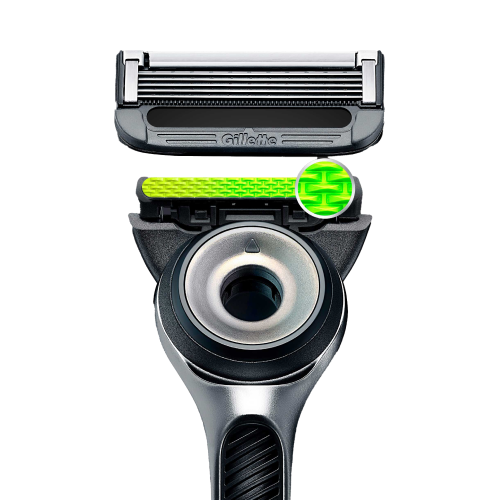
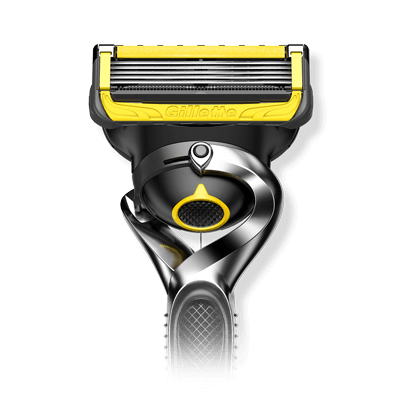
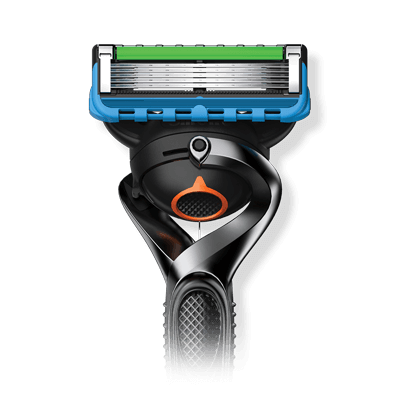
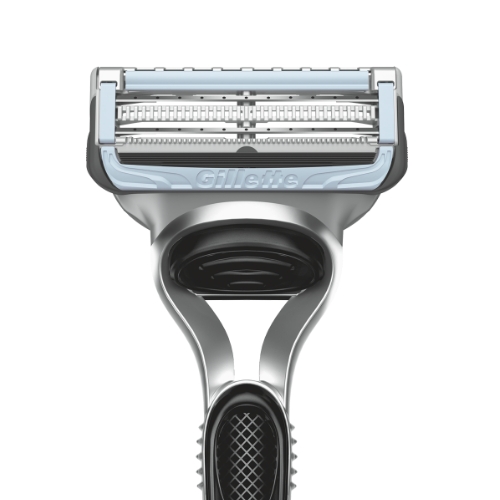
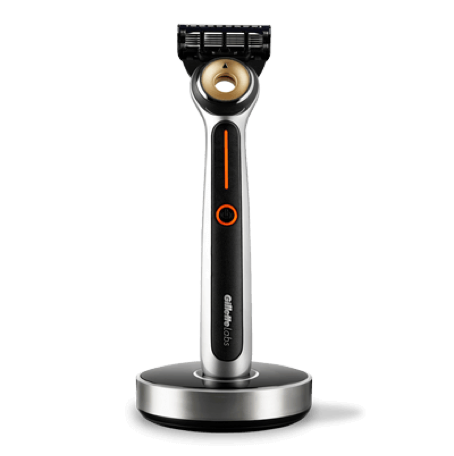
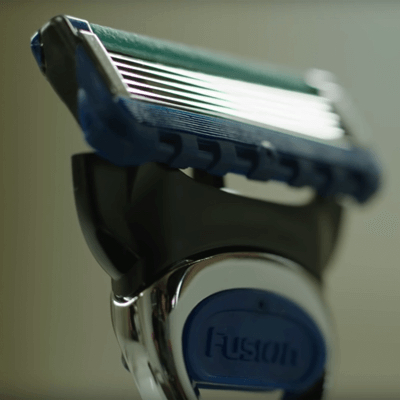
- Quality Razor (Fusion5, ProGlide Shield, GilletteLabs Exfoliating Bar Razor): A premium razor ensures cleaner cuts with fewer strokes.
- Warm Water: Warm water softens facial hair and primes the skin for shaving.
- Post-Shave Moisturizer: Helps soothe and hydrate the skin after shaving.
What Is Shaving Cream and Why Is It Used?
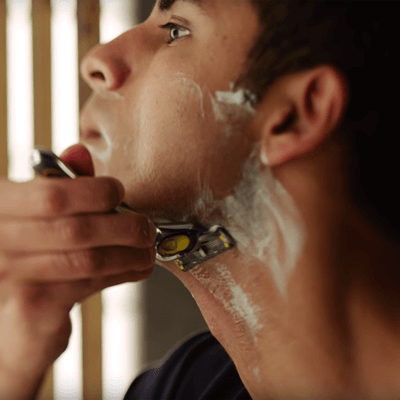
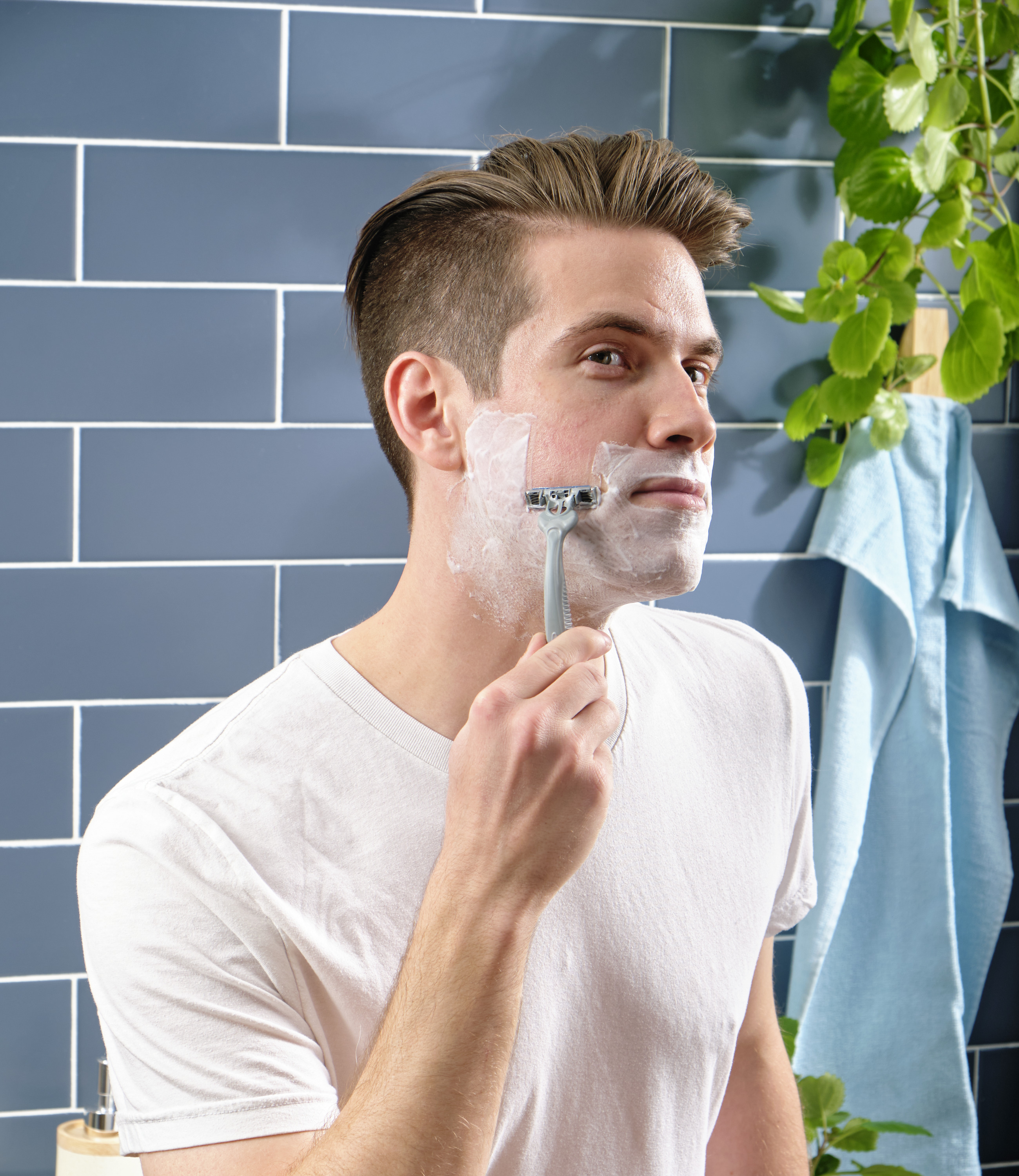
Shaving cream is used to prepare beard hair and protect the skin by creating a hydrating, lubricating barrier between the razor and your face. This barrier helps reduce irritation, pulling, and accidental cuts during shaving.
What Are the Key Functions of Shaving Cream?
Shaving Cream Performs Four Tasks
-
Hydration:
Shaving cream helps to keep moisture in the beard hairs during the shave, leaving them softer and easier to cut. When less force is needed to cut each hair, your shave can be more comfortable. -
Lubrication:
Shaving cream creates a thin layer of protection between the blade and the skin, ensuring less friction and minimizing the risk of redness, razor burn, and irritation – and fewer nicks and cuts. -
Tracking:
It’s so intuitive, we may not realize it, but the act of removing shaving cream as you shave helps you keep track of where you’ve already run your blade. This will help to ensure that you don’t miss a spot. -
Soothing and refreshing:
Using a shaving cream will help leave your skin feeling soothed and refreshed afterwards.
Shave Gel vs Shaving Foam: What’s the Difference?
Gel gives higher hydration and semi‑transparent precision whereas foam gives fast, full coverage—choose by skin needs and routine speed.
Depending on your personal preferences, you may choose shave foam over shaving gel– but are there any actual, appreciable differences?

Shaving Foam for Men
Light, airy, frothy
Moderate hydration
Opaque, quick coverage
Fast routine shaves, travel convenience
Ideal for quick, everyday shaves

Shaving Gel for Men
Thicker, jelly-like texture
High hydration
More transparent for precision lines
Sensitive, dry, or coarse hair; edging detail
Ideal for sensitive or dry skin
What Are the Benefits of Using Shaving Cream, Shave Gel, or Foam?
Using shaving cream, gel, or foam gives you faster shaving, better protection, smoother glide, reduced razor burn, and more precision especially helpful for sensitive skin or anyone prone to ingrown hairs. Gel offers maximum lubrication while foam offers instant convenience.
-
Time Efficiency — Get a Faster, Smoother Shave
Shaving cream, gel, and foam reduce resistance between the razor and your skin. That means fewer strokes, less tugging, and a shave that takes less time—especially helpful for quick morning routines or daily shaving. -
Skin Protection — Your First Line of Defense Against Razor Burn
These products create a protective cushion that helps prevent:- Razor burn
- Micro-cuts
- Redness
- Post-shave irritation
A hydrated barrier means the blade glides instead of scraping.
-
Smoother Shave — Hydrated Hair Cuts Cleanly
Shaving cream softens hair by drawing in moisture. Soft hair cuts more easily, giving a closer, more comfortable shave with less pulling. -
Sensitive-Skin Friendly — Reduces Ingrown Hair & Irritation
Proper formulas (like aloe-enriched gels or moisturizing creams) calm the skin while reducing friction. This helps reduce:- Ingrown hair
- Post-shave bumps
- Inflammation
-
Enhanced Grooming — Better Control & Precision
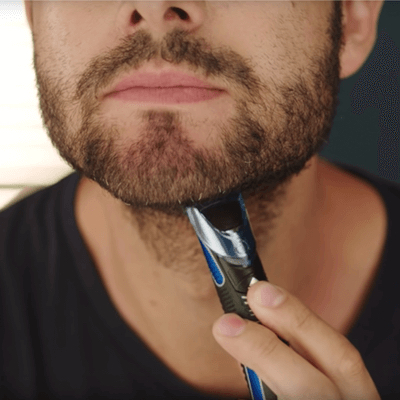
Gel or foam provides visible coverage, so you always know where you’ve shaved. Gels, being semi-transparent, help define:- Beard borders
- Necklines
- Mustache shaping
- Detailed trimming
How to Achieve a Smooth Shave Using Shaving Cream or Gel? – Step-by-step Guide
Achieving a smooth, irritation-free shave comes down to the right prep, the right product, and the right technique. Whether you prefer shaving cream, shaving gel, or shaving foam, following these steps will help you prevent razor burn, reduce ingrown hairs, and get a cleaner, more comfortable shave.
Step 1
Prepare Your Skin — Warm Water Softens Hair
Start by washing your face with warm water or shaving after a warm shower. This helps soften beard hair, opens pores, and reduces tugging.
Why it matters: Softened beard haircuts more easily, reducing tugging and irritation.
Step 2
Apply Generously — Create a Protective Cushion
Cover all shaving areas with a rich layer of shaving cream or gel.
Gel provides more lubrication and is great for sensitive skin; foam gives instant lather for quick shaves.
Why it matters: A rich layer improves glide and cushions skin, preventing friction and micro‑cuts.
Step 3
Use a Sharp Razor — Avoid Friction & Pulling
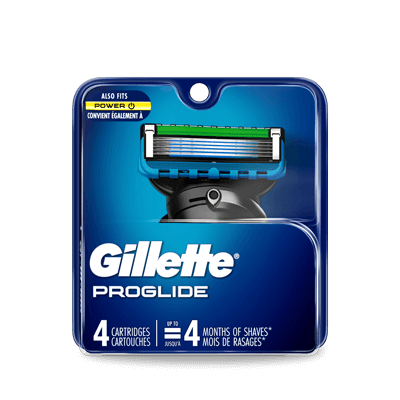
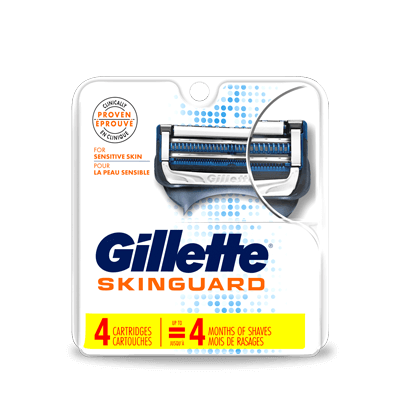
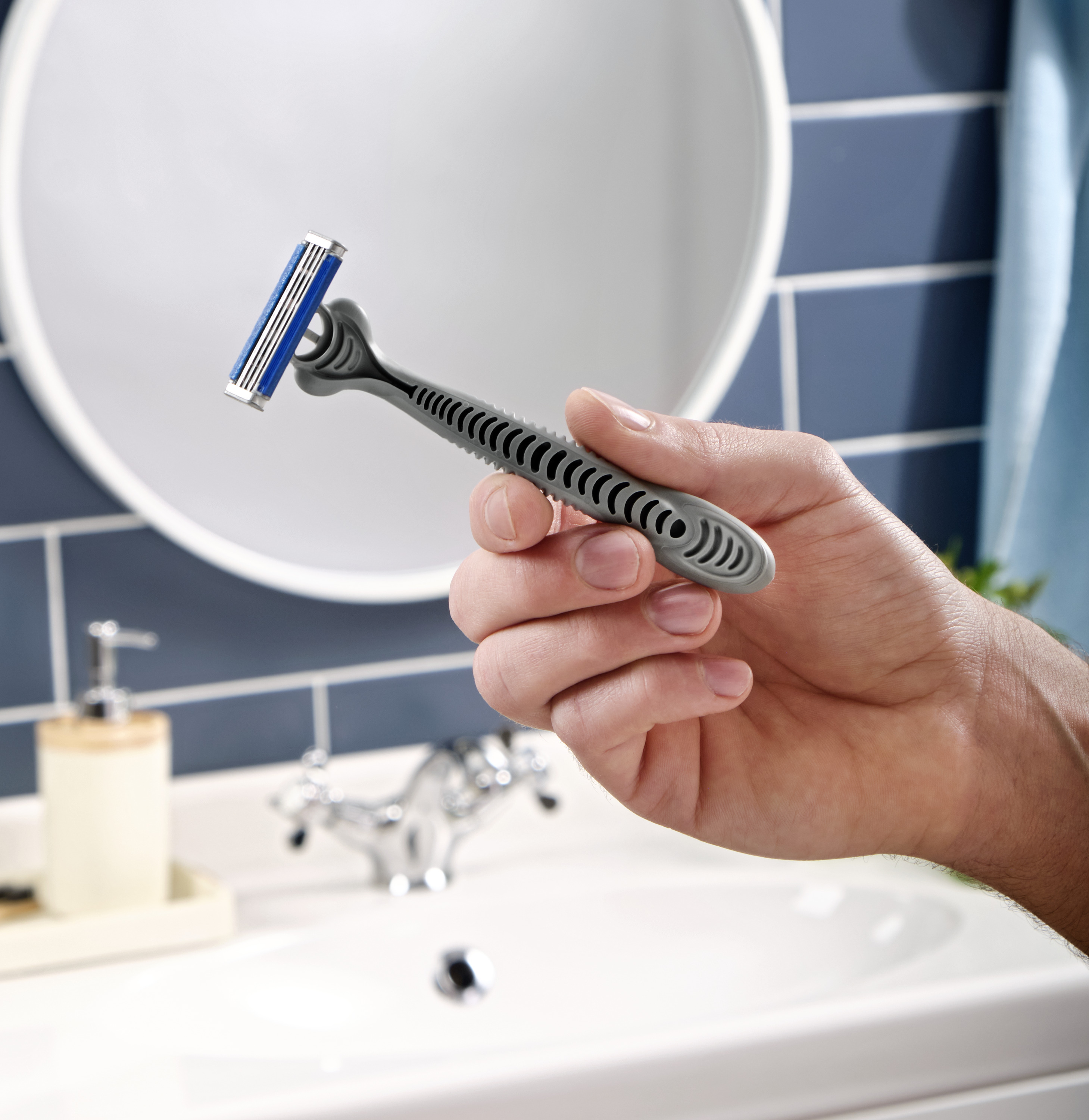
A dull blade increases friction, leading to discomfort, irritation, and ingrown hairs. Always use a fresh, sharp razor like Gillette Fusion5, ProGlide Men's Razor, or SkinGuard Razor.
Why it matters: Fresh, sharp blades cut cleanly and prevent pulling that leads to redness and bumps.
Step 4
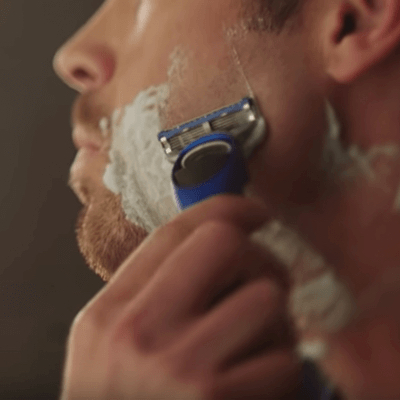
Shave With the Grain — Reduce Nicks & Redness
Always begin shaving in the direction of hair growth. This helps prevent:
- Razor burn
- Ingrown hair
- Cuts and micro-irritation
Why it matters: Following hair growth direction minimizes irritation, ingrown hair, and nicks.
Step 5
Rinse Frequently — Keep the Blade Clean
After every few strokes, rinse the razor under warm water. This clears away:
- Hair buildup
- Shaving gel/cream
- Dead skin
Why it matters: A clean blade maintains smooth glide and prevents buildup that causes drag.
Step 6
Post-Shave Care — Cool Rinse & Moisturizer
Finish by rinsing with cold water to soothe the skin and tighten pores. Apply an alcohol-free moisturizer or aftershave balm to lock in hydration and protect against irritation.
Why it matters: Cooling and moisturizing soothe freshly shaved skin and help prevent post‑shave irritation.
Pro Tip:
“Slow Down on the First Pass for Maximum Comfort”
What Are the Mistakes to Avoid While Using Shaving Cream or Gel?
Using shaving cream or gel the right way transforms your shave—from reducing friction to helping your razor glide effortlessly. Avoid these common mistakes to get the most from your lather and protect your skin.
- Skipping Pre-Shave Prep: Applying product on dry, unprepared skin reduces hydration and increases drag. Always start with warm water to soften hair and prep your skin—this boosts glide and prevents irritation.
- Using Too Little Cream or Gel: A thin layer won’t create the protective cushion your razor needs. Use a generous, even coat so the blades glide smoothly, reducing strokes and minimizing post-shave dryness.
- Shaving Against the Grain Too Early: Shaving against the grain on the first pass—before the hair is softened and fully lubricated—raises the chances of nicks, bumps, and ingrowns. Always start with the grain, then re-lather if you choose to go closer.
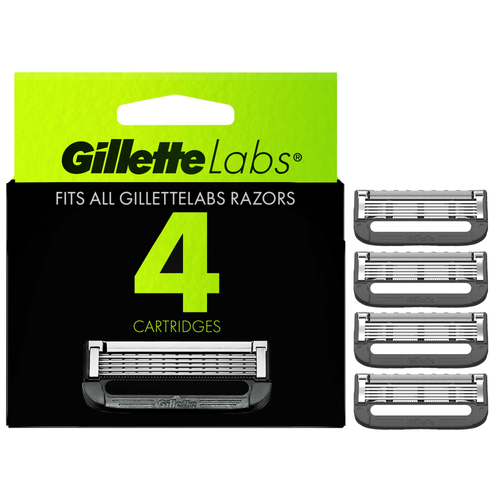
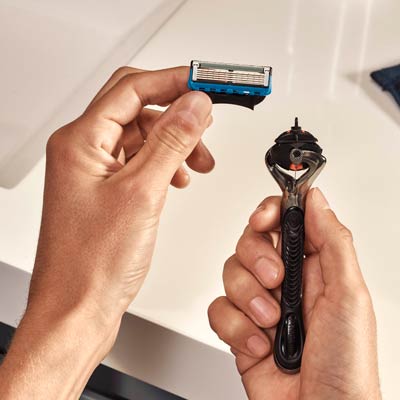
- Ignoring Blade Sharpness: Dull blades tug, scrape, and over exfoliate the skin. Replace cartridges when glide fades or the blade begins to pull.
How to Choose the Right Shaving Cream or Gel According to Skin Types?
Choosing the right shave formula isn’t just about preference — it’s about giving your skin exactly what it needs for a smooth, irritation free shave. Whether you prefer gels, foams, or creams, matching the product to your skin type ensures better glide, less friction, and superior comfort.
- For Men With Sensitive Skin: Dry skin needs hydration from the very first step. Choose moisturizing creams or gel formulas that soften hair while delivering long lasting comfort. Look for humectants like glycerin to help retain moisture during and after your shave.
- For Men With Dry Skin: Dry skin needs hydration from the very first step. Choose moisturizing creams or gel formulas that soften hair while delivering long lasting comfort. Look for humectants like glycerin to help retain moisture during and after your shave.
- For Men With Oily Skin: If you get excess shine or clogged pores, go for lightweight foams or non greasy gels. Cooling agents like menthol help refresh the skin without weighing it down — perfect for a clean, breathable finish.
- For Quick, On the Go Shaving: When time is tight, ready to use shave foams are your fastest option. They spread instantly, require zero prep, and rinse easily — ideal for everyday maintenance or fast morning routines.
Aftercare Tips to Maximize the Benefits of Shaving Cream
Your shave doesn’t end with the final stroke. Proper aftercare locks in comfort, supports your skin barrier, and prevents irritation throughout the day.
- Rinse With Cool Water: Cooling your skin after shaving helps tighten pores and instantly soothes heat and redness.
- Apply a Soothing, Alcohol-free Moisturizer: Choose a gentle, alcohol-free hydrator to restore moisture without stinging. This prevents tightness and irritation and helps skin recover more efficiently.
- Avoid Harsh Soaps or Scrubs: Post-shave skin is more vulnerable. Using rough cleansers can strip natural oils and trigger redness or razor bumps. Stick to mild products for a few hours after shaving.
- Consider an Aftershave Balm for Extra Protection: A nourishing balm adds a protective layer, hydrates deeper, and helps reduce razor burn — especially helpful for sensitive or freshly shaved areas.
FAQs: Why Do You Need a Shaving Cream?
-
What happens if I shave without cream?

Dry shaving increases friction, tugging, and irritation, often leading to razor burn or redness. A Gillette shave gel or foam adds essential lubrication that protects your skin and improves glide.
-
Can I shave with just water?

Water helps soften hair, but without a cushioning formula you’ll experience drag and discomfort. A proper shave gel or foam creates a smooth barrier for cleaner, safer strokes.
-
What is the main function of shaving cream?
Shaving cream softens hair, lubricates skin, and protects against blade friction — all of which help deliver a closer, more comfortable shave.
-
Is shaving gel better than foam for sensitive skin?
Many people with sensitive skin prefer gels because they offer richer lubrication and clearer visibility. Try GilletteLabs Rapid Foaming Shave Gel for enhanced comfort and control.
-
Can shaving cream help prevent ingrown hairs?
Yes — a proper lather reduces tugging and prevents over shaving, both of which contribute to ingrowns. Gentle exfoliation with light razor pressure enhances results.
-
Shaving gel vs. soap — which is better?
Shaving gels and foams outperform regular soap because they contain humectants and lubricants that reduce friction and dryness.
-
How much shaving cream should I use?
Use enough to create a visible, protective cushion, usually a walnut sized amount for the face. Re-lather before any against the grain passes.
-
Can I use shaving cream on my head or body?
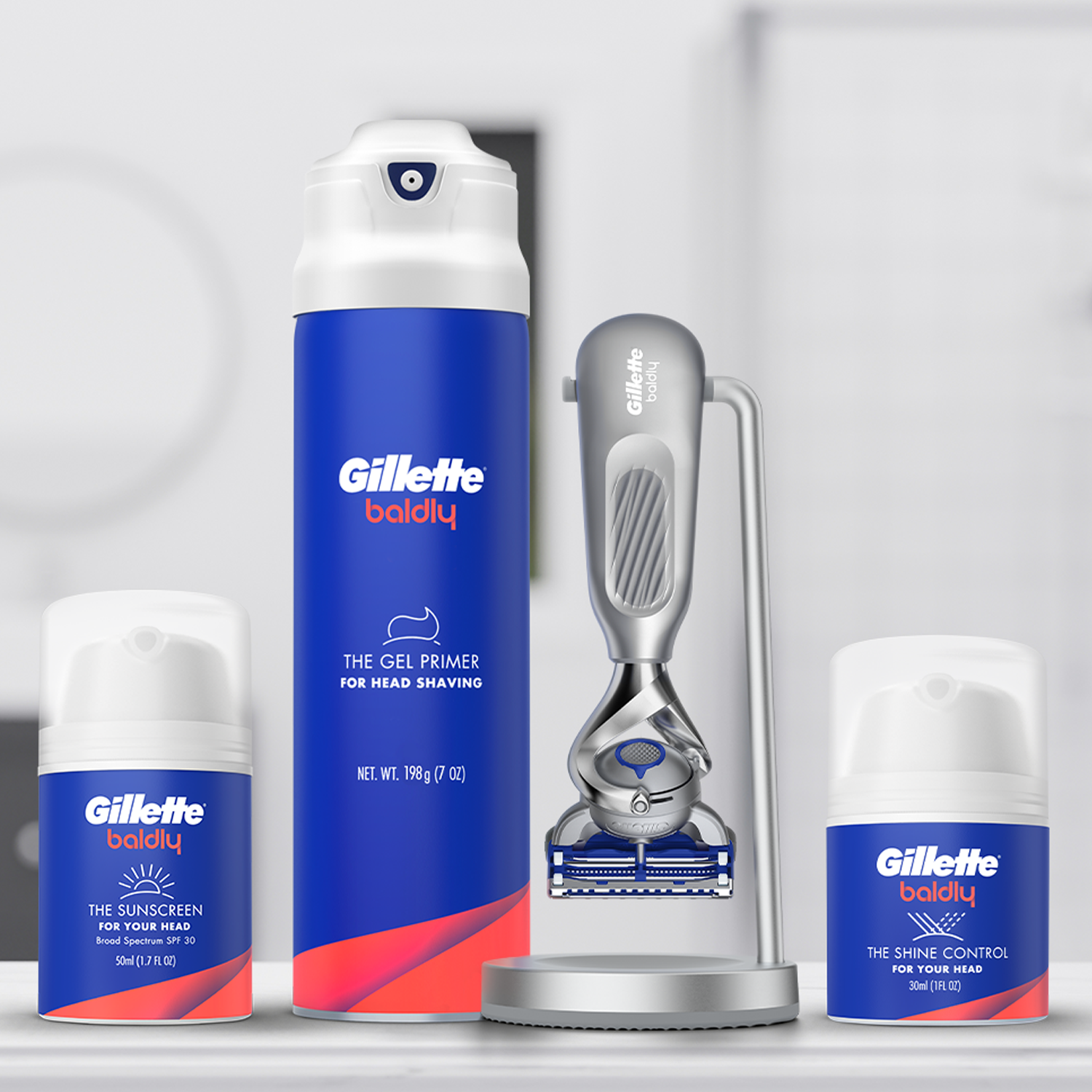
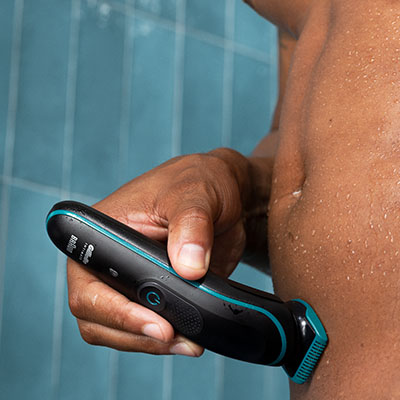
Absolutely. Apply generously, use light strokes, and finish with an alcohol-free moisturizer or balm for best results.
-
Do you use shaving cream with an electric shaver?
Dry electric shavers typically don’t require lather. Wet/dry models may allow gel or foam — check your device manual and choose low residue formulas if permitted.
-
Should I shave with or against the grain?
Start with the grain for the most comfortable first pass. If you need more closeness, re-lather and gently shave against the grain with light pressure.
-
How often should I change blades?
Replace your cartridge when you feel tugging, pulling, or when the lubrication strip fades — usually every 5–7 shaves, depending on hair thickness and routine. See this guide How Often Should You Change Your Razor Blades.
-
What ingredients are best for sensitive skin?
Look for glycerin, aloe vera, niacinamide, and alcohol-free formulations that support hydration and barrier health. GilletteLabs gels are formulated with skin friendly ingredients ideal for sensitivity.
Was this article helpful?

