







Introduction
TL;DR / Quick Answer - Beard Growth in a Nutshell
Beard growth is driven by genetics, hormones, and your grooming habits, but consistent care helps your beard look fuller, healthier, and more defined.
Quick highlights:
- Growth depends on genetics & DHT response
- Beard hair is coarser and grows in unique patterns
- Proper cleansing, oiling & trimming improve fullness
- Irritation and ingrowns reduce with smart grooming
Beard Growth Basics: What Really Drives Facial Hair Growth?
Beard growth depends on genetic inheritance, which decides follicle count, distribution, and how strongly your follicles respond to DHT, the hormone responsible for masculine hair growth. These two factors determine whether your beard grows thick or sparse, coarse or fine, straight or curly.
Despite your genetics being fixed, you can influence appearance and health by reducing breakage, nourishing the hair, keeping the skin balanced, and maintaining clean edges. This is where beard oil, beard wash, and a strategic grooming routine come into play.
Pro Tip:
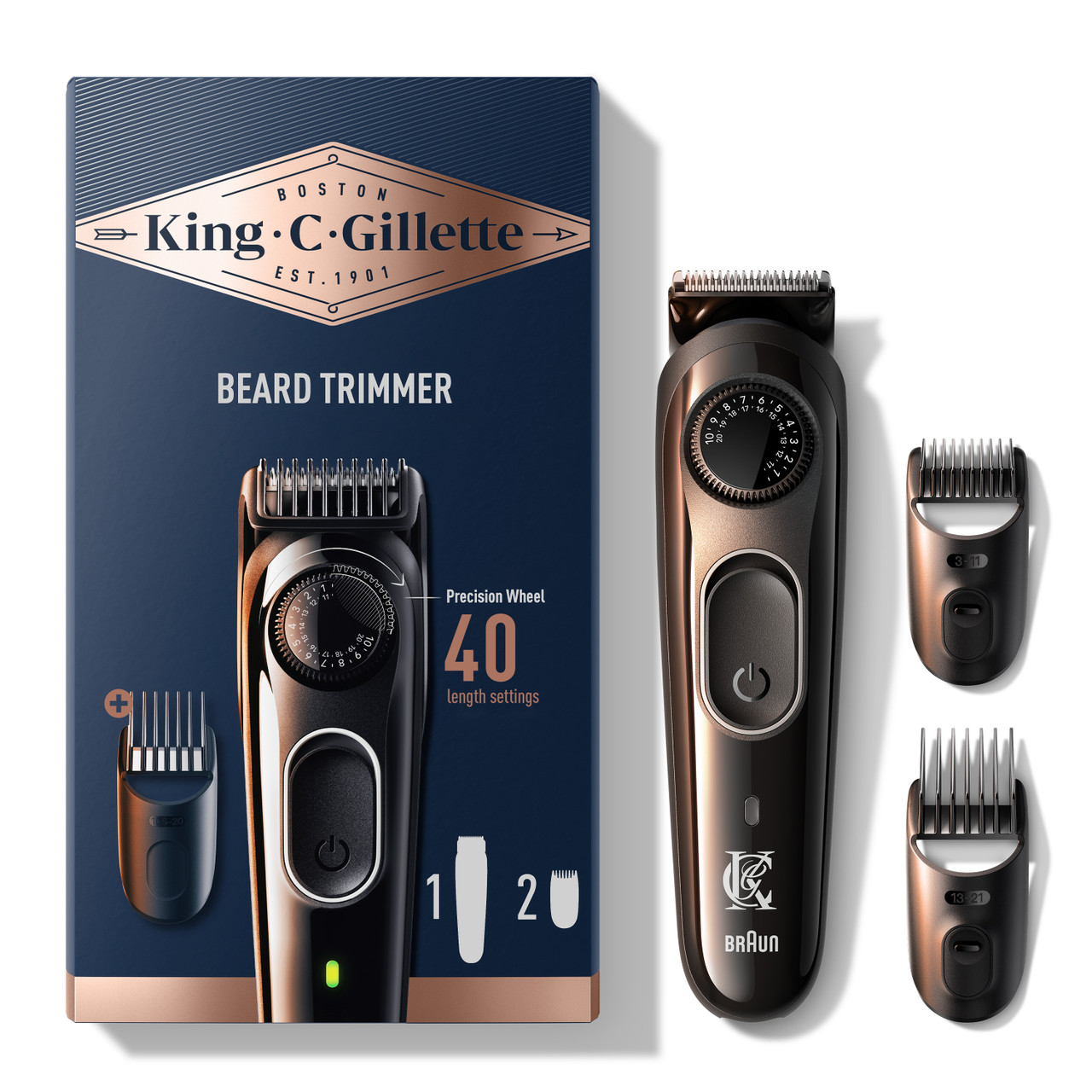
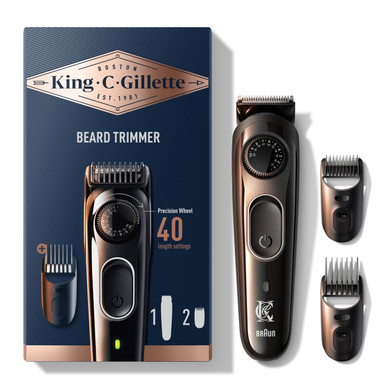
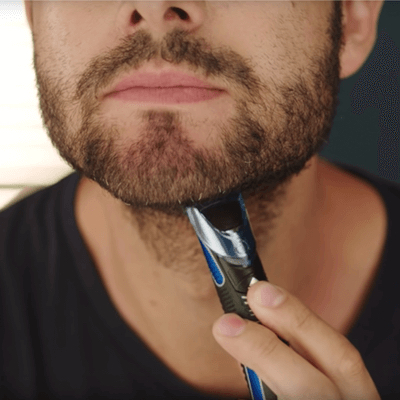
"If your beard grows unevenly, try trimming to a uniform length using the King C. Gillette Beard Trimmer for balanced, sharper lines."
What Happens During Beard Growth? Key Stages Explained
Beard growth follows predictable biological stages influenced by puberty, hormonal shifts, and age. Here are the 10 stages every man should know:

Step 1: When does facial hair start growing?
Beard hair starts to appear during puberty, under the influence of male hormones. Most adolescent boys first notice facial hair between the ages of 13-16.
Step 2: Where does facial hair grow first?
In puberty, beard hair growth typically develops in a characteristic order. Hairs appear first on the upper lip, followed by the sideburns, chin and then cheek. Hair appears last in the neck area.
Step 3: Is facial hair growth based on genetics?
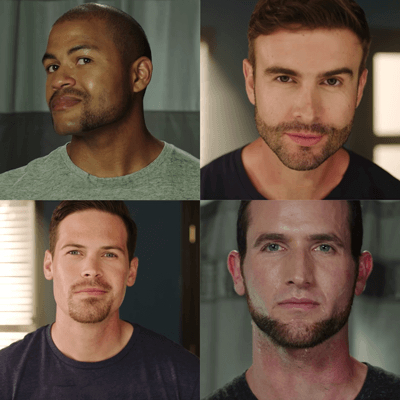
Adult men typically have thousands of beard hairs. The number of hair follicles is determined at birth, by genetics. Some ethnicities like men from the Far East (China, Japan) have less beard hair, which mainly grows around the mouth.
Step 4: What patterns do beards grow in?
Every face is unique, and there are large differences in hair growth patterns between men and even between different areas of the same face. Hair grows in multiple directions, and some hair growth patterns almost look like a 'crop circle'.
Step 5: Why do men often get ingrown hair?
In textbooks, hair is often drawn as a straight rod growing out of the skin at an angle of 90°. In reality, most beard hairs grow out of the skin at a much lower angle, especially in the neck area. This increases the risk of hairs becoming 'trapped' or 'ingrown' into the skin. Gentle exfoliation and spacing out passes help.
Pro Tip:
"Use a gentle exfoliator 2–3 times per week to prevent ingrown hair."
Step 6: Why is beard hair tougher than scalp hair?
The average beard hair diameter is 0.1mm. This is almost twice the diameter of the hair on the scalp. This makes beard hair a lot coarser than scalp hair. Those strong whiskers often feel rough and prickly and look dry and wiry. It is therefore recommended to regularly condition and nourish beard hair with a balm or beard oil.
Step 7: How fast does a beard grow?
The average beard growth rate is 0.27 mm per 24 hours (but this can vary between individuals). Hair growth is not a continuous never-ending process but occurs over a natural hair growth cycle which includes a growing phase, a resting phase and a phase where the hair will fall out to make place for a new hair.
Step 8: What causes shaving irritation?
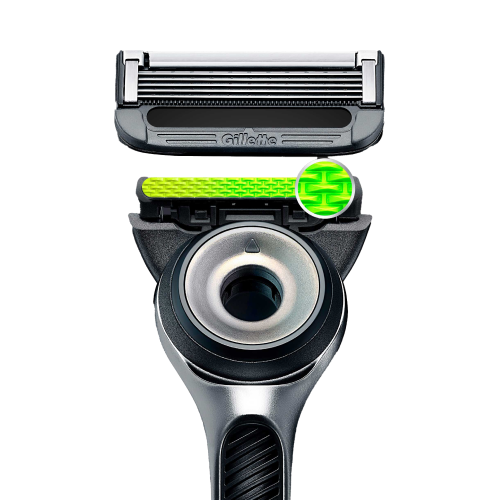
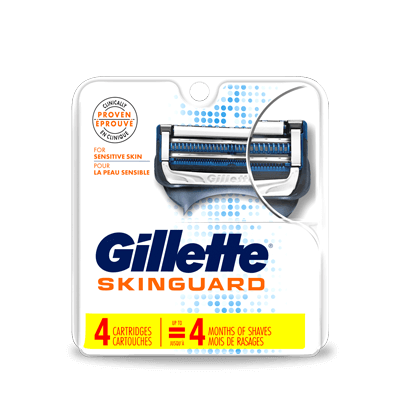
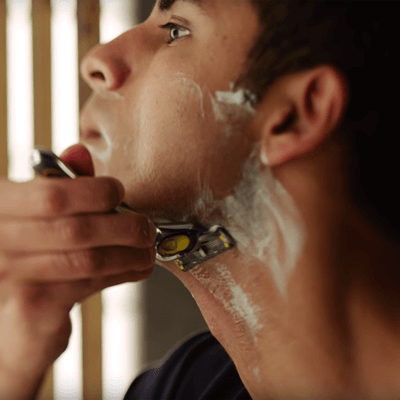
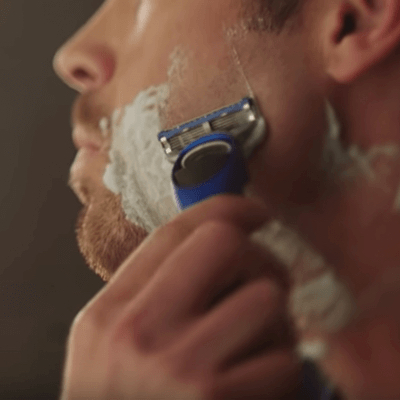
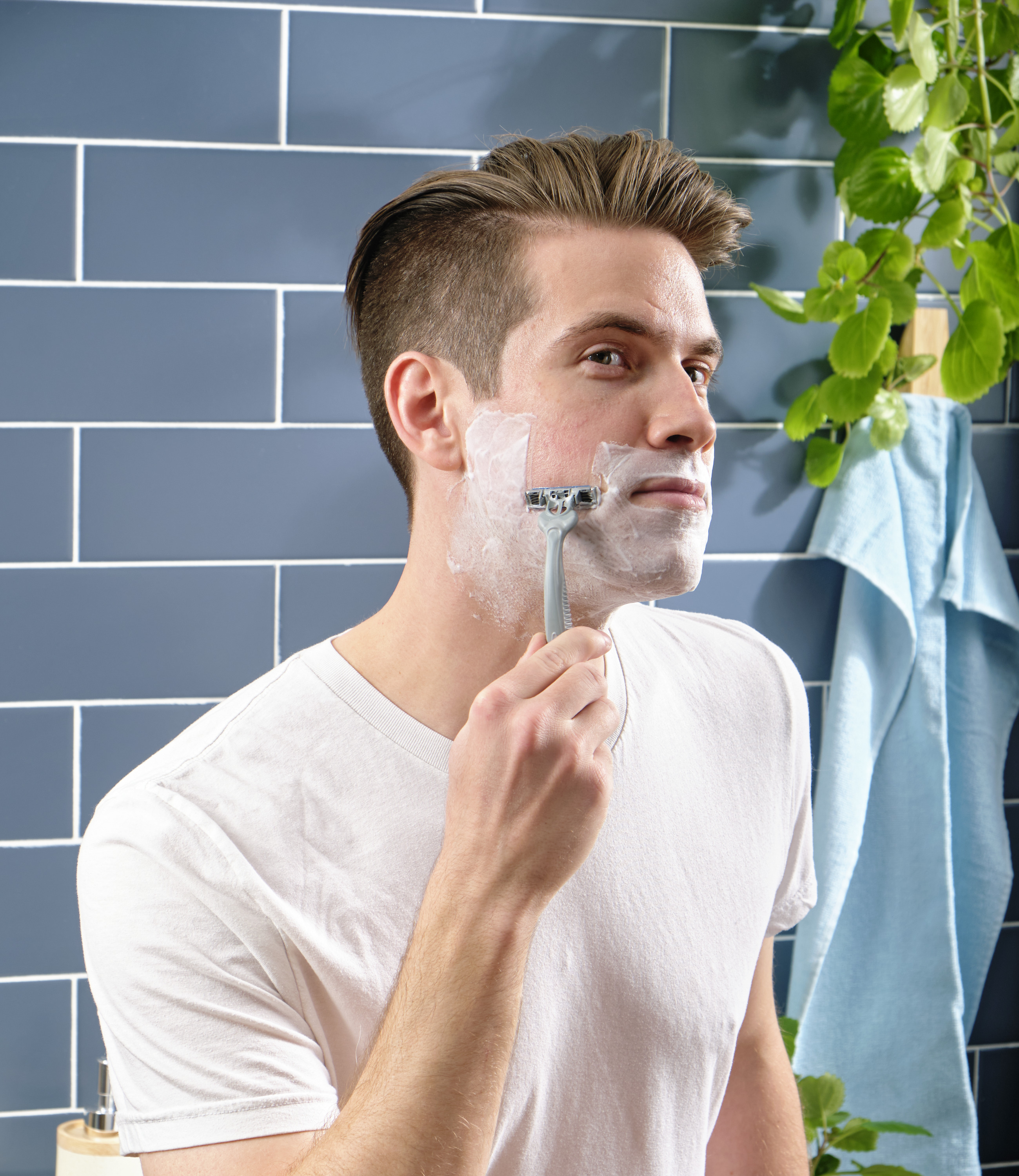
The hair visible on a man's face is only the 'tip of the iceberg'. There is a lot of complex biology below the surface of the skin, which plays a role during shaving. For instance, every hair follicle is wrapped in nerves, which can be triggered by the force of the blade as it cuts through a beard hair, leading to signs of shaving irritation (skin looking red or feeling hot). Use a protective gel like GilletteLabs Rapid Foaming Shave Gel and a low irritation SkinGuard Sensitive razor to lower cutting force.
Step 9: Why wash my beard every day?
The skin has sebum glands which are connected to the hair follicle. They naturally produce an oily substance (called 'sebum'), which travels to the surface of the skin via the hair shaft. It is very important to daily cleanse the beard hair and skin underneath to prevent them from becoming too oily, feeling dirty, and smelling bad.
Step 10: Is beard wash important?
The skin is often compared to a wall made of bricks and mortar, which protects us from the environment. Healthy skin renews itself continuously and sheds some of the outer dead skin cells daily as part of this natural exfoliation process. Those skin 'flakes' can get trapped into the beard – a great reason to give those whiskers a daily wash.
What You'll Need for Healthy Beard Care - Choose Gillette Beard Care Products
Your beard looks fuller and grows healthier when supported by daily habits and the right beard care products.
Your Beard Care Essentials:
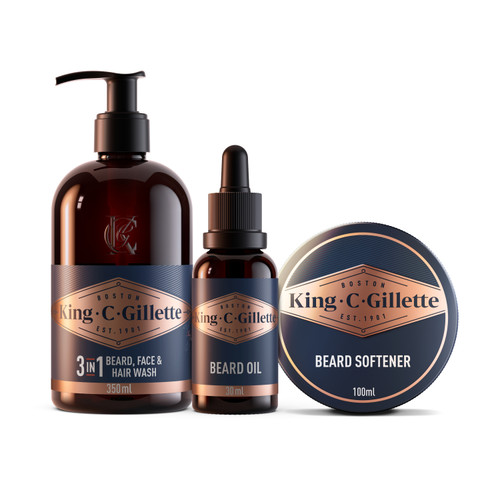
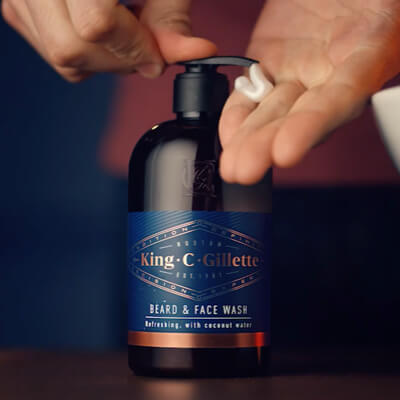
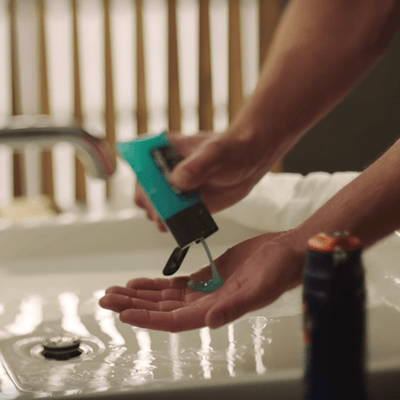
- Beard Wash: A beard-specific wash gently cleans away sweat, sebum, and buildup without stripping natural oils, keeping both your skin and beard feeling fresh and healthy.
- Beard Oil: Beard oil softens coarse facial hair, reduces itchiness and dryness, and improves overall texture so your beard feels smoother and more manageable throughout the day.
- Light Balm: A lightweight beard balm provides soft moisture with a touch of hold, helping tame flyaways while keeping your beard shaped and looking well-groomed.
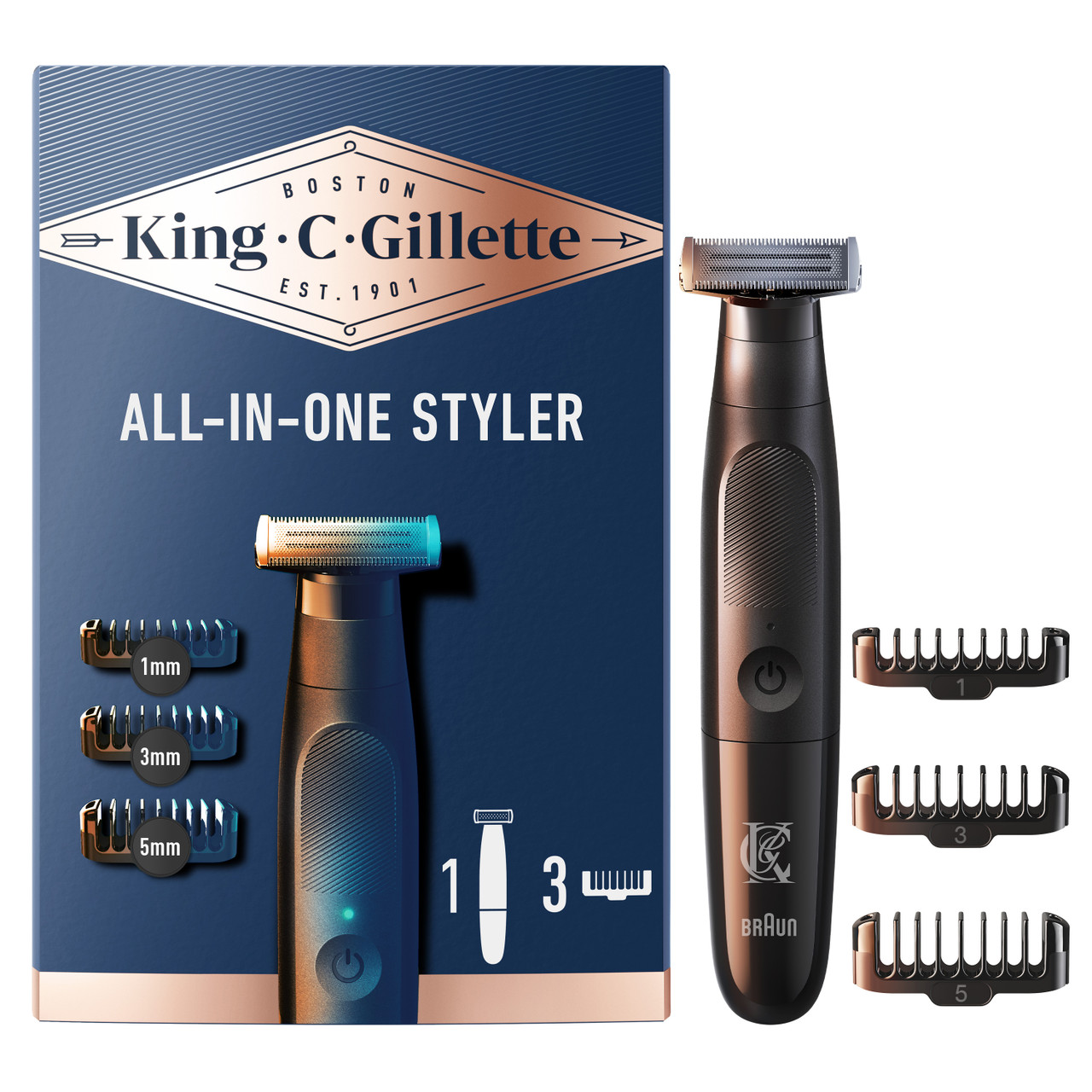
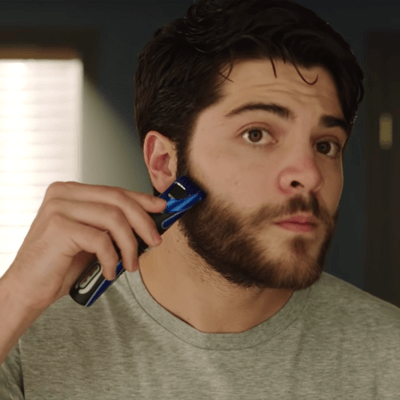
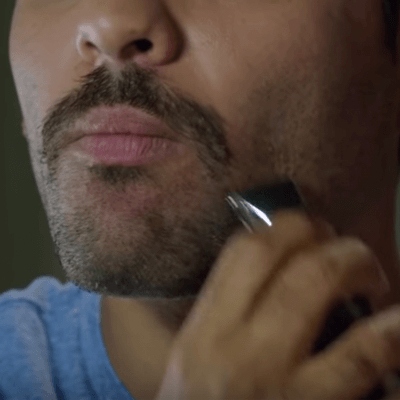
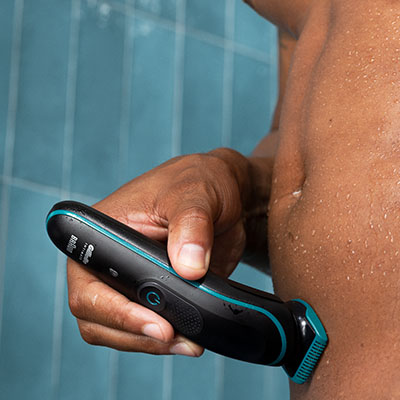
- Beard Trimmer: Using a trimmer helps maintain a clean, uniform length, making your beard appear fuller and more balanced without over-trimming.
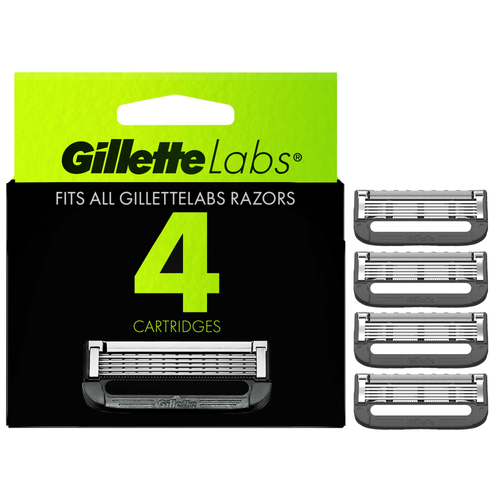
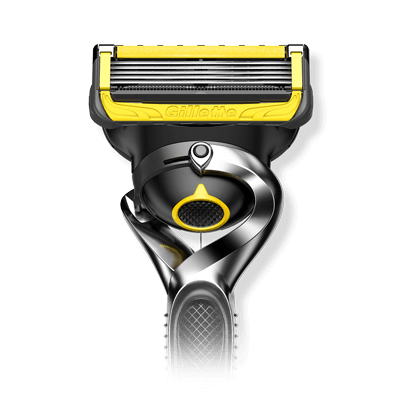
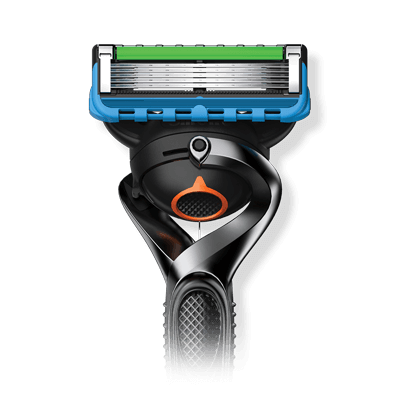
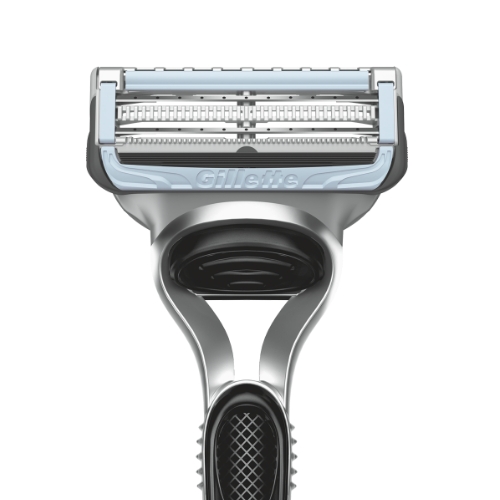
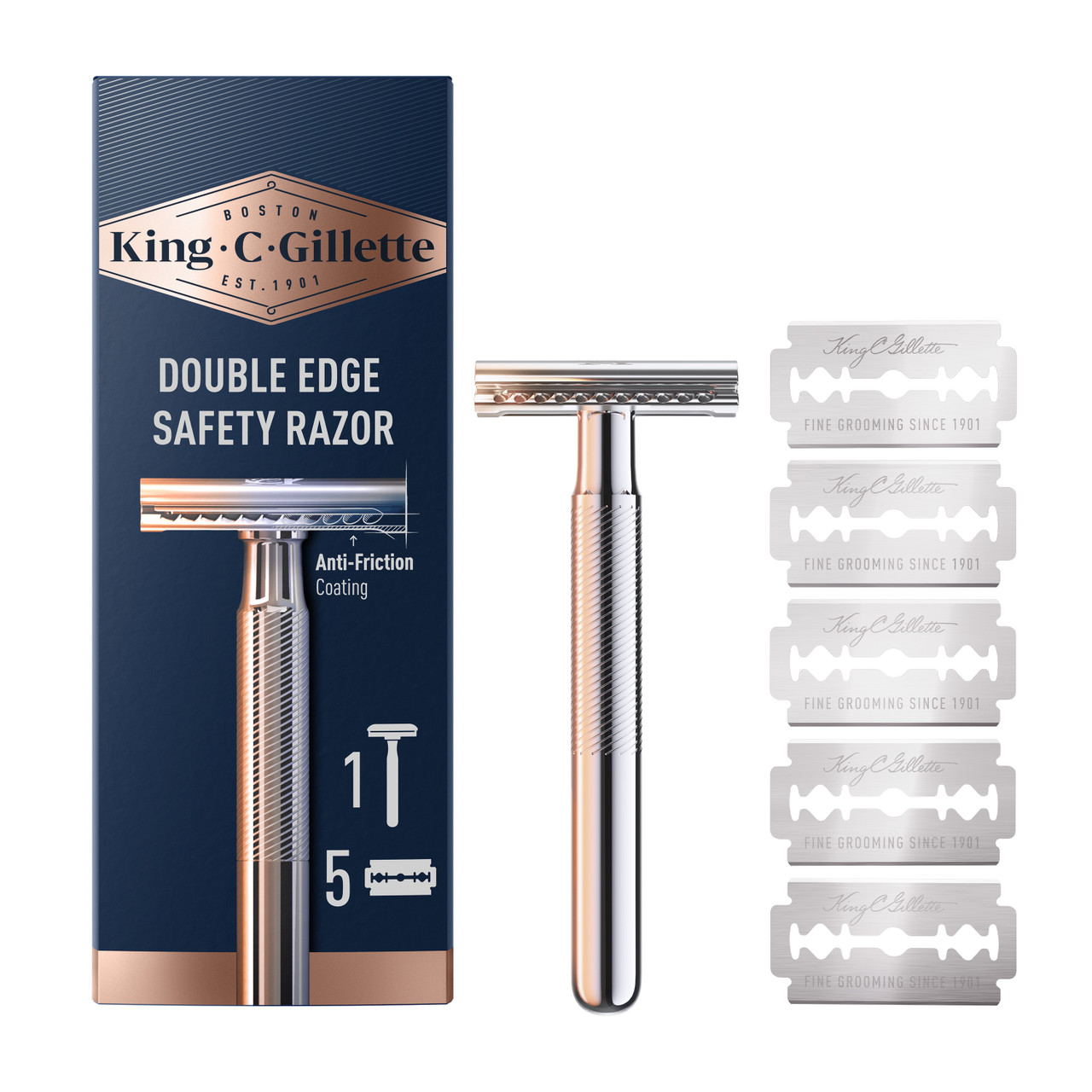
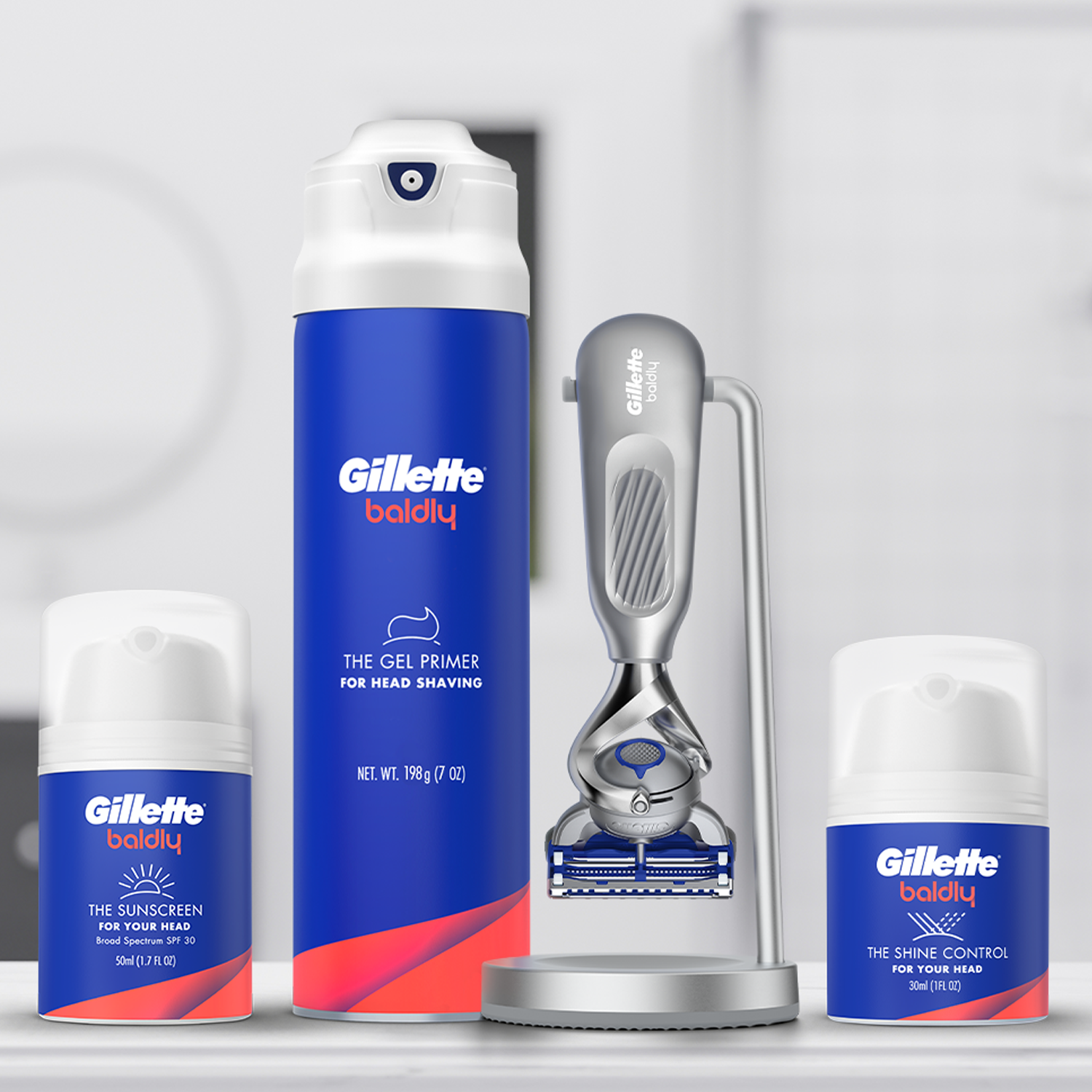
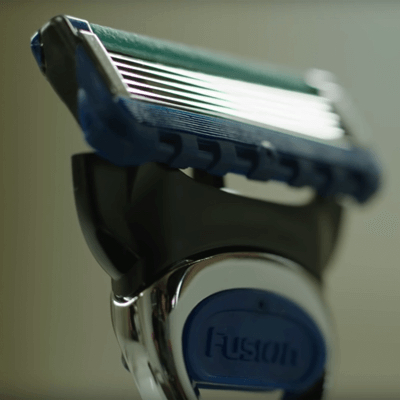
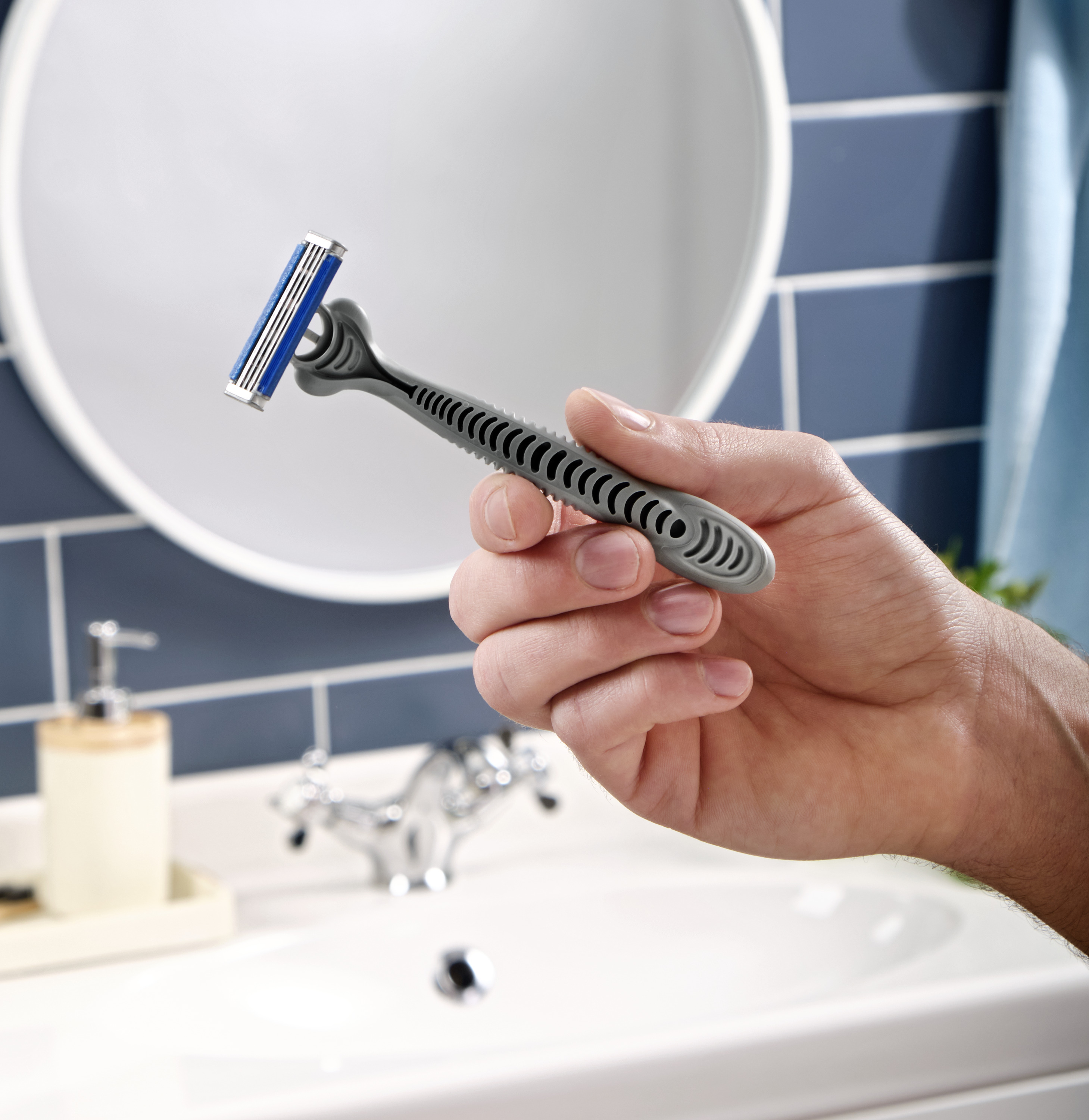
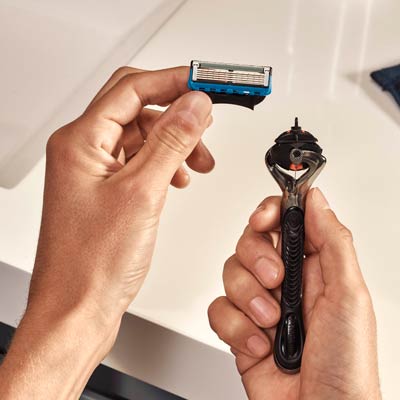
- Razor for Edging (Fusion5 or SkinGuard): A precise razor like Fusion5 or SkinGuard helps define sharp cheek and neck lines with minimal drag, giving your beard a clean, polished frame.
Mistakes to Avoid When Growing or Grooming a Beard
Many beard problems come from avoidable mistakes like over-trimming, skipping hydration, or using harsh products. Avoiding these errors helps your beard grow stronger, fuller, and more comfortable.
Avoid These Common Errors:
- Believing shaving makes your beard grow faster (it doesn't change follicle count).
- Using harsh soaps that strip natural oils and dry out the hair.
- Skipping beard oil or moisturizer, which leads to itchiness and breakage.
- Over-trimming too early—give your beard time to grow enough length to shape properly.
- Pressing hard with the razor or shaving dry skin, which increases irritation.
Troubleshooting Beard Growth and Grooming Issues
Common beard issues such as dryness, irritation, or patchy appearance are usually easy to fix with small routine adjustments. Targeted grooming changes can restore comfort and improve beard definition.
- If beard feels dry → Use beard oil daily and apply balm to seal moisture.
- If irritation occurs after shaving → Switch to SkinGuard Sensitive razor, use Rapid Foaming Shave Gel, shave with light pressure, fewer passes.
- If ingrown hair appears → Exfoliate gently, warm compress, avoid shaving against the grain in problem zones.
- If patchy coverage appears → Keep a uniform 2–4 mm length with the King C. Gillette Trimmer, edge cleanly and reassess density every 4–6 weeks.
Aftercare Tips for a Healthy Beard
Aftercare keeps your beard and the skin underneath healthy, hydrated, and irritation-free. Regular washing, oiling, and light trimming help maintain softness and prevent itchiness or flaking.
- Wash your beard daily with a beard specific cleanser to remove sweat, sebum, and buildup without stripping essential oils.
- Apply beard oil regularly to keep your beard soft, hydrated, and itch free while improving overall texture.
- Use a nourishing beard balm to add light hold, protect the hair shaft, and maintain a polished look throughout the day.
- Trim your beard routinely to maintain shape, prevent split ends, and keep your style looking intentional.
- Brush your beard every day to evenly distribute natural oils, train your growth pattern, and keep the beard smooth and tangle free.
What Are Some Common Myths About Beard Growth?
Many popular beliefs about beard growth are misconceptions that can lead to unrealistic expectations. Understanding what actually affects growth helps you focus on habits that truly improve beard health.
Conclusion: Ready to Grow Your Best Beard?
Beard growth is a blend of genetics, hormones, and daily care. You can't change your follicle count, but you can enhance beard texture, fullness, and softness with proper grooming and patience. Embrace your natural growth pattern and use a smart routine to bring out your best beard.
FAQs: Your Beard Growth Questions Answered
-
Does shaving make your beard grow faster or thicker?

No — shaving doesn't increase beard growth or thickness because it doesn't change follicle count or hormone activity. It only makes stubble look blunt, not fuller.
-
How long does it take to grow a full beard?

Most men need 2–6 months to grow a full beard, depending on genetics, hormone sensitivity, and grooming habits. Growth speed varies from person to person.
-
What role do genetics and hormones play in beard growth?
Genetics decide follicle count and beard growth patterns, while testosterone and DHT influence thickness and density. Together, they determine your natural beard potential.
-
Why is my beard patchy, and can I fix it?
Patchiness is mostly genetic, but you can improve appearance with consistent trimming, good beard care, and time. Uniform length makes a patchy beard look fuller.
-
How fast does beard hair grow compared to scalp hair?
Beard hair grows slightly faster and appears thicker because it responds strongly to DHT. Its coarser texture makes growth look more noticeable than scalp hair.
-
Can diet or supplements help improve beard growth?
A nutrient rich diet with biotin, zinc, and protein supports healthier facial hair growth. Supplements help only if you're deficient in key nutrients.
-
Why is beard hair coarser than head hair?
Beard hair has a thicker cuticle and stronger response to DHT, making it feel rougher and curlier. This is why conditioning and beard oil benefits matter.
-
What causes beard itch during early growth?
Beard itch comes from dry skin and sharp new stubble irritating the surface. Using beard wash and oil helps lock in moisture and reduce friction.
-
Do beard oils and balms help with beard growth?
They don't create new follicles but they soften, condition, and reduce breakage, making your beard appear thicker and healthier. This improves overall fullness.
-
What are the stages of beard growth?
Beard growth follows four stages: early fuzz, defined growth, densifying, and mature thickness. Timing varies based on genetics and hormone levels.
Was this article helpful?

