


















Introduction
What makes a multi blade razor better is precise engineering that delivers a closer, more comfortable shave. This guide explains progressive cutting, blade spacing, and when fewer blades can be better for sensitive or ingrown-prone skin.
TL;DR / Quick Answer - The Real Reason Blade Count Matters
More razor blades matter when engineered correctly because progressive cutting, blade spacing, and lubrication help shave closer in fewer strokes while reducing tugging and irritation.
Quick Picks by Need
- 5 blades: Fastest, closest, fewest passes.
- 3 blades: Comfort with control for many skin types.
- 1-2 blades: Sensitive or ingrown-prone, precision work.
Why Do More Razor Blades Matter?
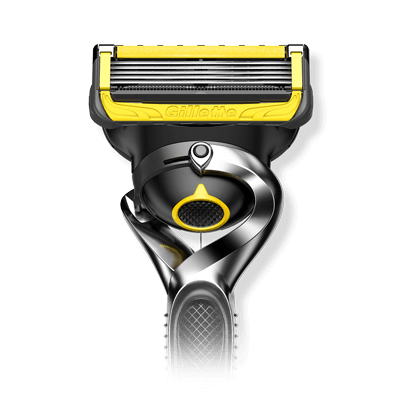
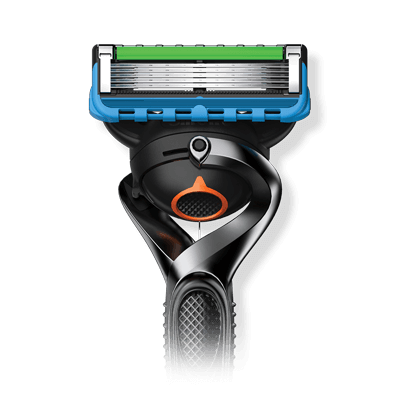
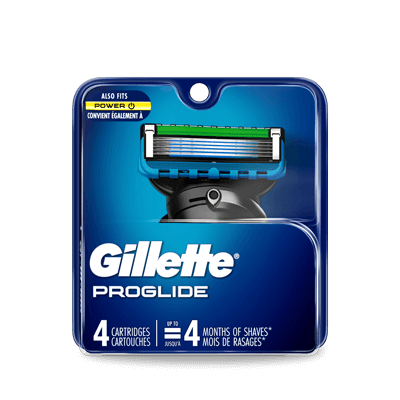
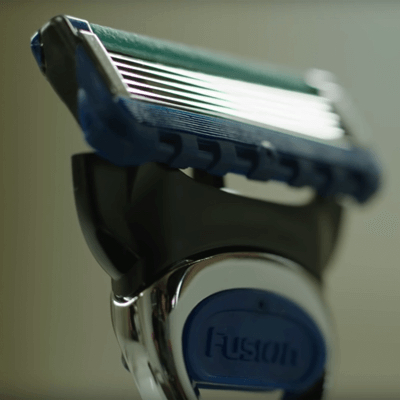
To understand why multi-blade razors like the Gillette Fusion5, Fusion5 ProGlide or GilletteLabs provide such a close and comfortable shave, you first have to understand the true nature of your beard hair and the skin on your face.
Facial hair is as tough as copper wire, and it grows from skin that is soft and delicate, almost gel-like in its texture and movement.
The skin and hair continue to shift and move during a shave; advanced razors use this mobility to a man's advantage.
The Hysteresis Effect (Progressive Cutting)

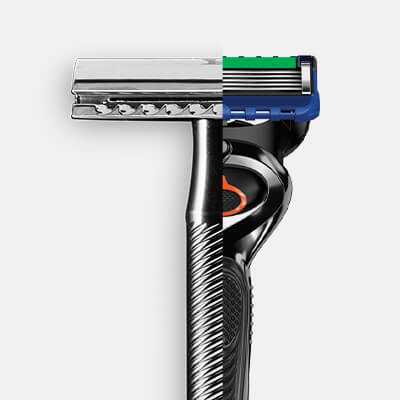
A single-blade razor can only cut what's visible at the surface of the skin. A 5-blade razor can go so much further.
The first blade starts the job. It cuts the hair and, in the process, gently lifts it from the skin.
Before the hair has time to fully withdraw, the next blade comes along and cuts it further down.
This process is called ‘hysteresis’ and was discovered in the late 1960s when Gillette was developing its first multi-blade razor, Gillette Contour (also known as Gillette Atra).
Each blade repeats the process. Our 3-blade razors cutting close. Our 5-blade razors cutting closer.
As the cartridge passes, the skin relaxes and the hair retracts slightly — that’s what creates the smooth post-shave feel.
Even Pressure, Fewer Micro Irritations
A multi-blade razor, with progressive geometry, spreads the load of your hand pressing down on the handle evenly across each blade. This reduces pressure on any single edge, helping to prevent tugging and micro nicks.
Skin Bulge Reduction is Comfort
Why does this matter? Facial skin is soft and gel-like, and when you press against it with your razor's cartridge, it bulges in between the individual razor blades as the cartridge passes over it. This bulging can result in irritation, nicks, and cuts.
Five blades (at the right distance apart), rather than three, reduces that bulge, which means the skin is more even, with bulging reduced by more than 30%. As a result, you get a close comfortable shave, and you're less likely to cut yourself.

Pro Tip:
Shave after a warm shower hydrated hair is easier to cut, reducing force and friction.
What's The Difference Between 3-Blade Razor And 5-Blade Razor?

5-blade razors are engineered for maximum closeness with fewer strokes, while 3-blade razors offer a balanced, highly comfortable shave. Choosing between them comes down to your skin sensitivity, hair thickness, and how often you shave.
How They Compare
- Closeness:
5-blade razors cut progressively in a single pass, delivering a deeper and longer lasting shave than a 3-blade system. - Comfort:
3-blade razors can feel gentler on sensitive skin because there are fewer contact points per stroke. - Speed:
A 5-blade cartridge covers more area with each stroke, making it the ideal choice for quick daily shaves. - Consistency:
Advanced stabilizers and blade coatings help both systems maintain smooth, even performance with 5-blade offering slightly more refinement in glide and control.
In Simple Terms
Each blade plays a role: our 3 blade razors cut close, while our 5-blade razors cut even closer — with fewer passes and more efficiency.
When Are Fewer Blades Better?
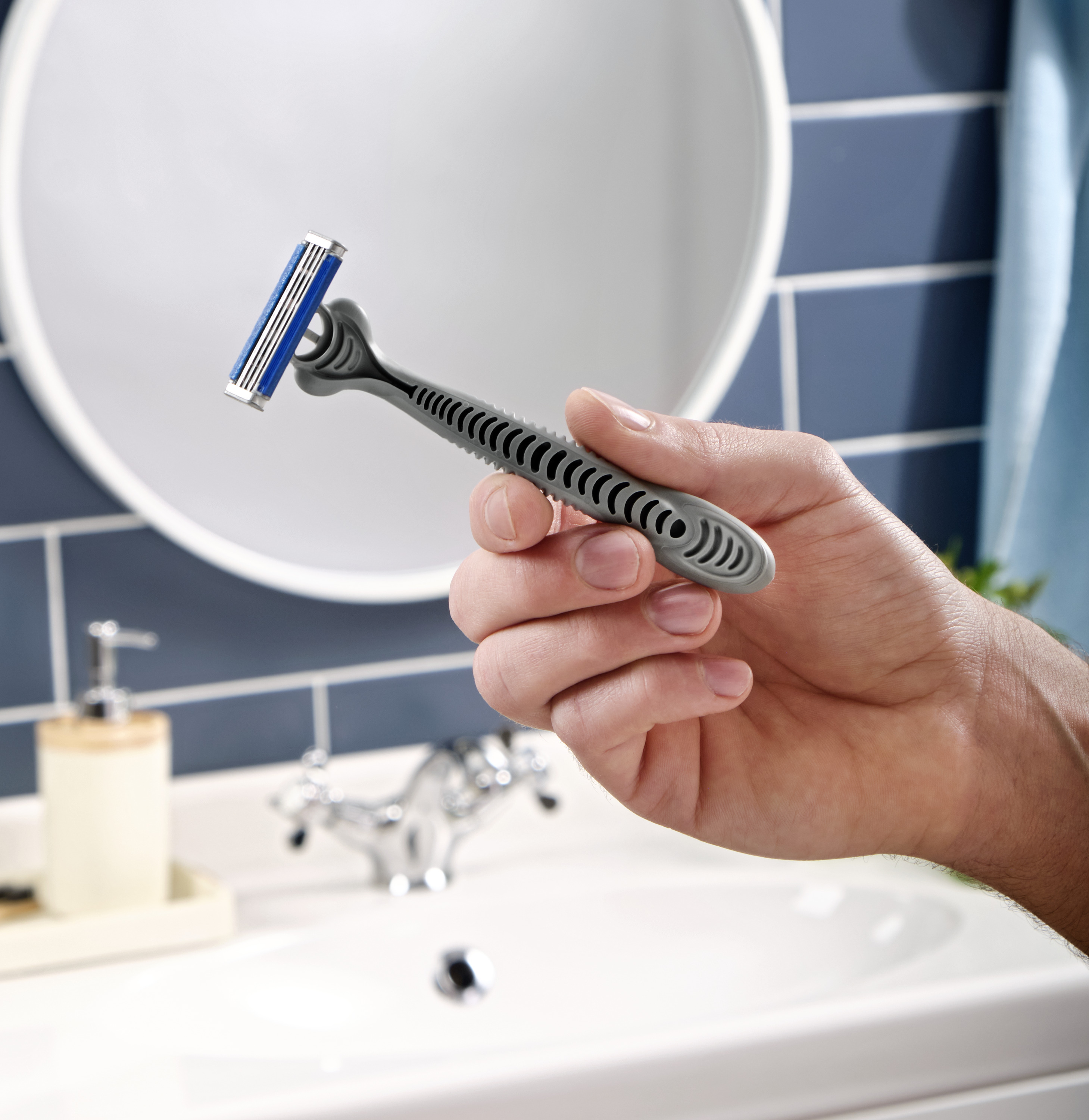
Fewer blades can actually be the better choice in certain situations. A 1-2 blade razor shines when your skin or hair type requires a gentler, more controlled approach.
Choose fewer blades if you have:
- Ultrasensitive or acne-prone skin that reacts easily to friction sensitive or acne prone skin that reacts easily to friction sensitive or acne prone skin that reacts easily to friction
- Curly or coily hair that is naturally prone to ingrown hairs
- Areas that demand precise detailing, such as beard edges, necklines, or tight contours
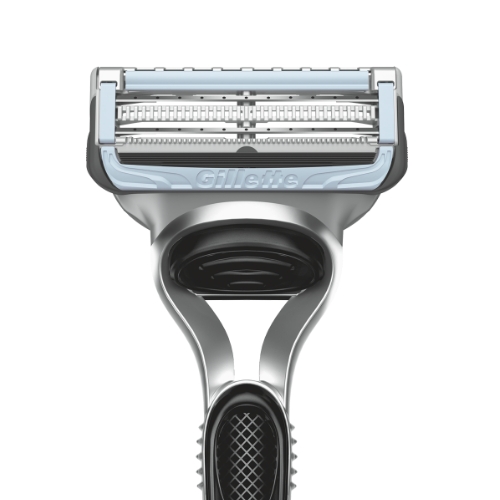
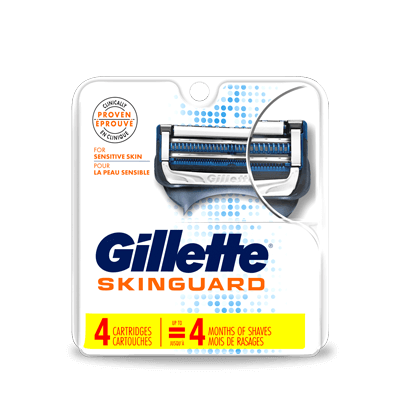
With fewer blades, like SkinGuard Razor For Men With Sensitive Skin you also get fewer contact points per stroke, which means less cumulative friction — a major advantage for irritation prone skin.
When Should You Choose 3-5 Blades?
A 3-5 blade razor is your best pick when your priority is speed, closeness, and efficiency. More blades help distribute pressure evenly, capture more hair per stroke, and reduce the need for repeat passes.
Choose 3-5 blades if you want:
- Daily shaving efficiency with a smooth, clean finish
- Fast, consistent results across large shaving zones like the face, head, or body
- Minimal tugging with fewer passes, making your routine quicker and more comfortable
For most shavers, 3–5 blades strike the perfect balance between closeness and comfort, especially when paired with proper lubrication and light pressure.
Pro Tip:
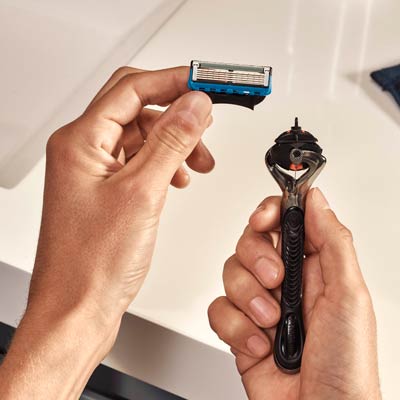
Replace the cartridge at the first sign of tugging or a faded lubrastrip; dull blades cause more irritation than blade count.
What Makes Gillette's Engineering Different?
Gillette's advantage is precision engineering, not just adding blades.
- Progressive Geometry & Spacing: Optimized to maintain cutting angle and hair capture across passes.
- Blade Stabilizer: Our ProGlide and ProShield razors are also equipped with a blade stabiliser at the centre of the cartridge, designed to hold the blades at an optimal distance apart. This adds to the comfort of the shave.
- Advanced Coatings: Diamond like and PTFE type coatings lower friction and help blades stay sharp longer.
- Microfins with Lubrication: Skin stretching microfins create an even surface; ProShield adds lubrication before and after the blades for extra glide.
How Do You Choose the Best Blade Count?
Choosing the right blade count comes down to three factors: skin sensitivity, hair type, and how often you shave. Once you know those, you can fine tune your technique for an even better result.
Which Blade Count Fits Your Needs?
5 Blades (Fusion5, ProGlide, ProShield): Best if you want the fastest, closest shave with minimal effort.
Ideal for:
- Coarse or fast-growing hair growing hair
- Daily shaving
- A smooth finish in fewer passes
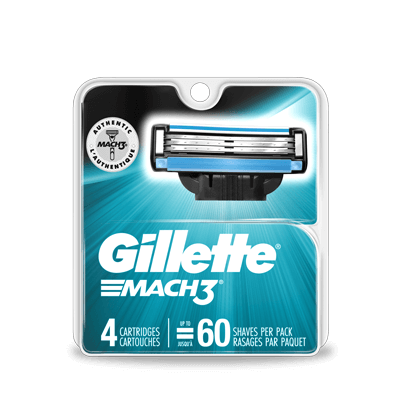
3 Blades (Mach3): A dependable choice for comfort-first control.
Ideal for:
- Medium hair thickness
- Skin that experiences occasional irritation
- Shavers who want a balance between closeness and comfort
1–2 Blades (SkinGuard Sensitive): Designed when gentleness matters most.
Ideal for:
- Ultrasensitive or ingrown-prone skin
- Working around acne
- Creating clean, precise edges and lines
Technique Considerations:
Regardless of blade count, good technique elevates your shave:
- Start with the grain to reduce tugging; add a light across/against pass only if your skin tolerates it.
- Use short, gentle strokes and let the razor glide — no added pressure needed.
- Rinse frequently to prevent clogging and maintain smooth, consistent performance.
FAQs on Why Do More Razor Blades Matter
-
Are more razor blades always better?

When spacing, stabilization, and lubrication are optimized, more blades improve closeness and reduce drag. If you have very sensitive or ingrown-prone skin, consider 1-2 blades or SkinGuard razor.
-
Why do 5-blade razors feel smoother?

Progressive cutting (hysteresis) plus even pressure distribution reduces tug per blade and minimizes skin bulging for a smoother feel.
-
Do multi-blade razors cause ingrowns?
Not inherently. Ingrowns are more about hair curl, cutting angle, and aftercare. Curly/coily hair may prefer fewer blades or SkinGuard.
-
Which is best for everyday shaving?
Fusion5/ProGlide for speed with closeness; Mach3 if you prioritize comfort. Switch to SkinGuard during flare ups.
-
How do I know when to change blades?
Replace at first signs of tugging, increased passes, or a faded lubrastrip. Further read to know when to change blades.
-
Does shaving technique matter more than blade count?
Yes. Proper technique plays a major role in shave comfort. Using light pressure, shaving with the grain first, and keeping the skin well lubricated often has a bigger impact on irritation and results than blade count alone.
-
Is a higher blade count better for faster shaving?
Generally, yes. Razors with more blades can cover more surface area per stroke, which helps reduce the number of passes needed and speeds up the shave for many users.
-
Is blade spacing more important than the number of blades?
Blade spacing is just as important as blade count. Proper spacing helps control skin bulge and allows each blade to cut efficiently without dragging or overlapping, which improves comfort and reduces irritation.
Was this article helpful?

