









Introduction
TL;DR / Quick Answer – The Fastest Way to Shave Your Chest Hair Smoothly
A smooth, irritation‑free chest shave begins with trimming, softening hair in the shower, applying shave gel, and using light, controlled strokes.
Key methods:
- Trim hair to 2–6 mm to avoid clogging
- Warm shower to soften wiry chest hair
- Apply hydrating shave gel for glide
- Shave with the grain using light strokes
- Rinse blades frequently
- Cool‑rinse and moisturize after shaving
Not Sure Whether to Trim or Shave Your Chest Hair? Here's How to Decide

Men often groom chest hair to reduce sweat and odor buildup, create a cleaner appearance, highlight muscle definition or tattoos, or even out patchy growth. Chest grooming routines often change seasonally, with many men trimming shorter during warmer months or sports seasons for comfort.
Both trimming and shaving your chest hair are great options — the right choice depends on your style preference, skin sensitivity, and how smooth you want the result to be.
Chest Hair Grooming: Trimming vs. Shaving
What Are the Tools and Maintenance You’ll Need for Shaving Your Chest Hair?
Getting a smooth, irritation free chest shave starts with the right tools. Using proper grooming devices and skin friendly shave products helps prevent razor clogging, tugging, and redness—especially on dense or wiry chest hair. Below are the essentials you'll need for comfortable, effective chest shaving.
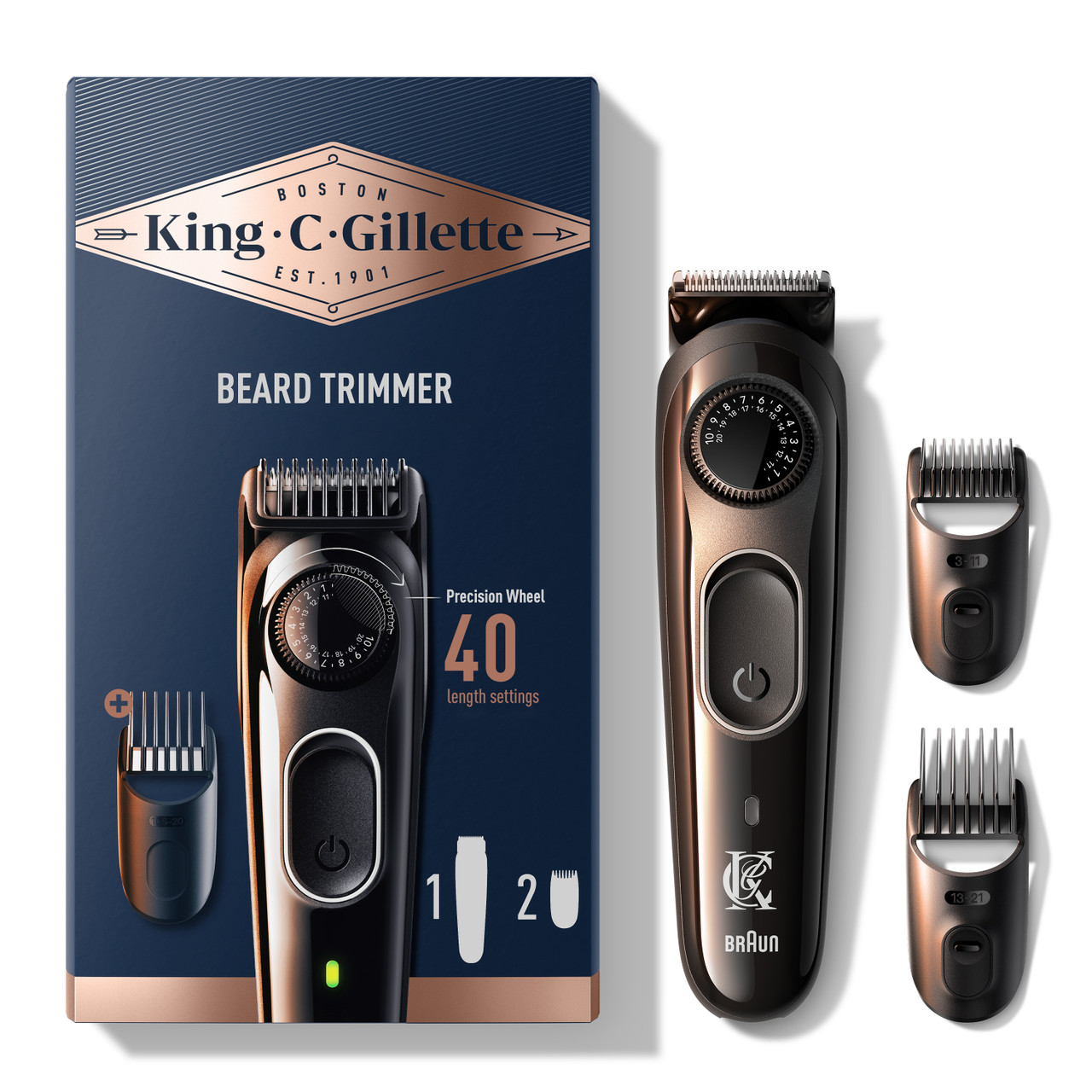
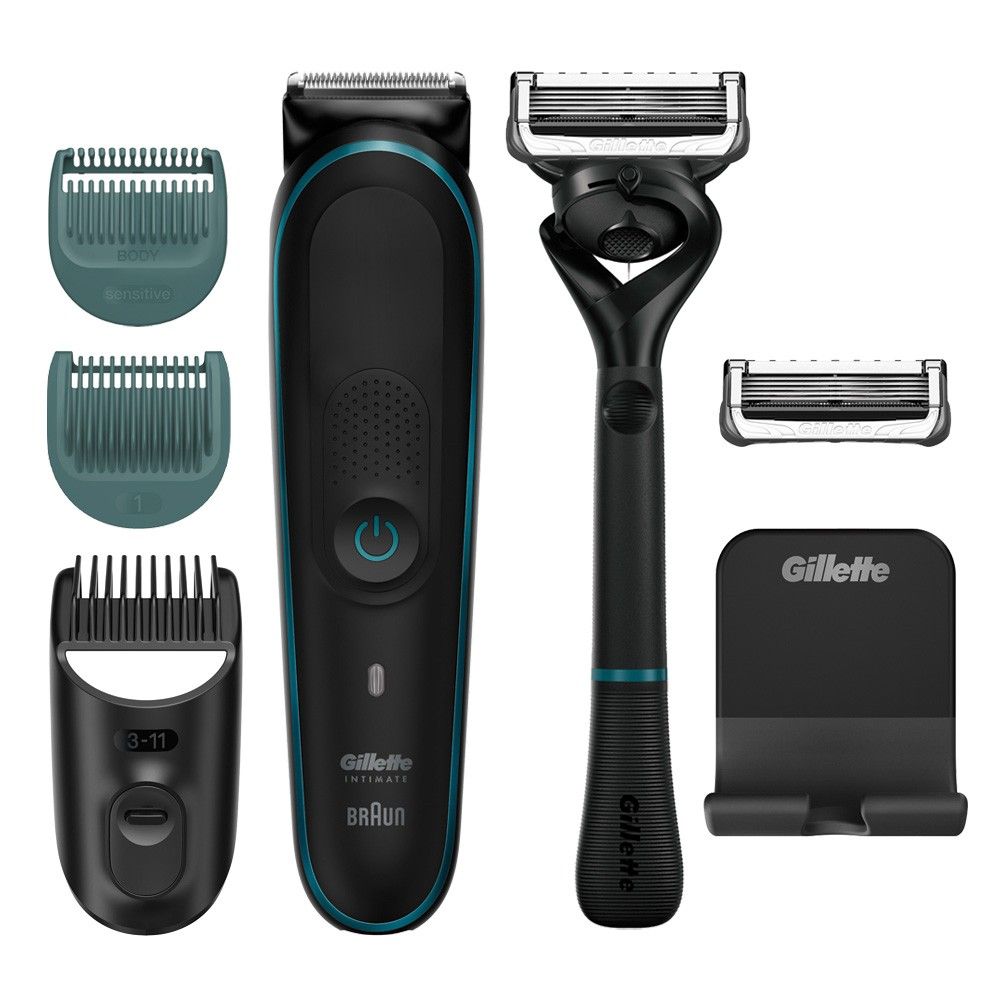
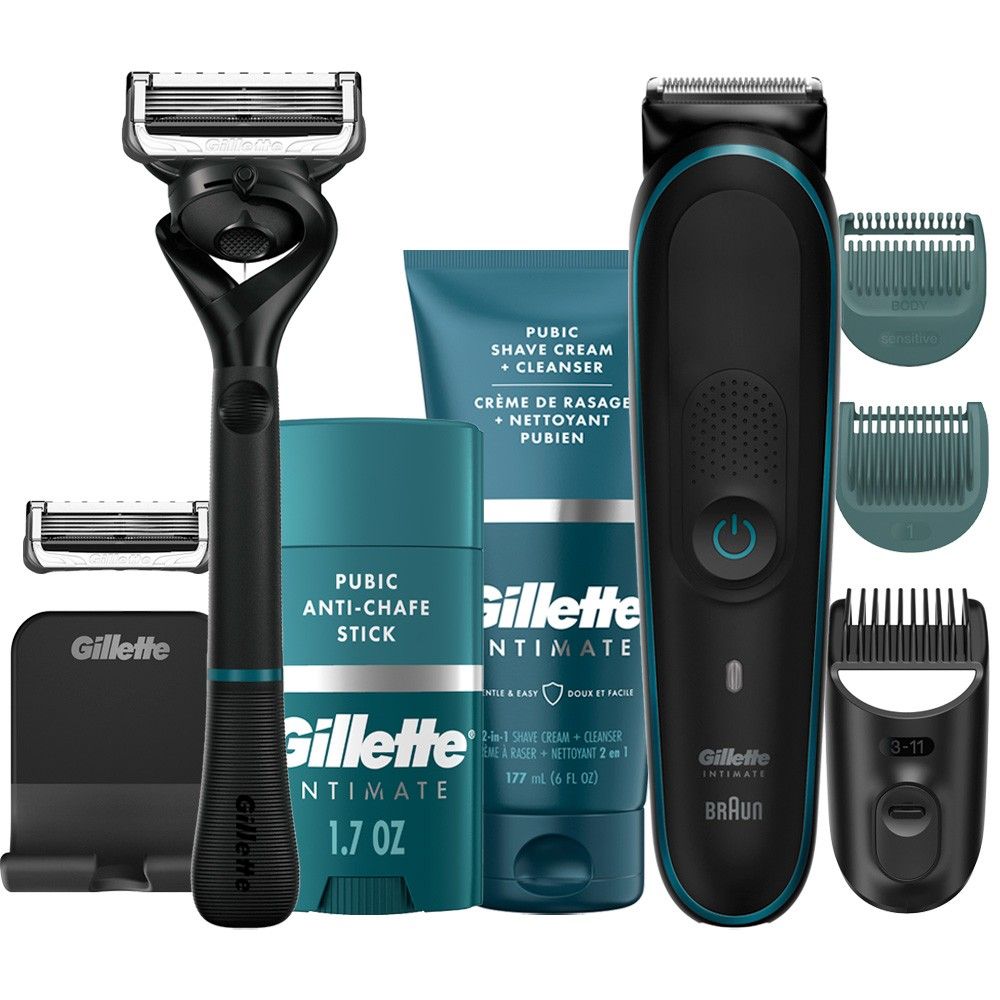
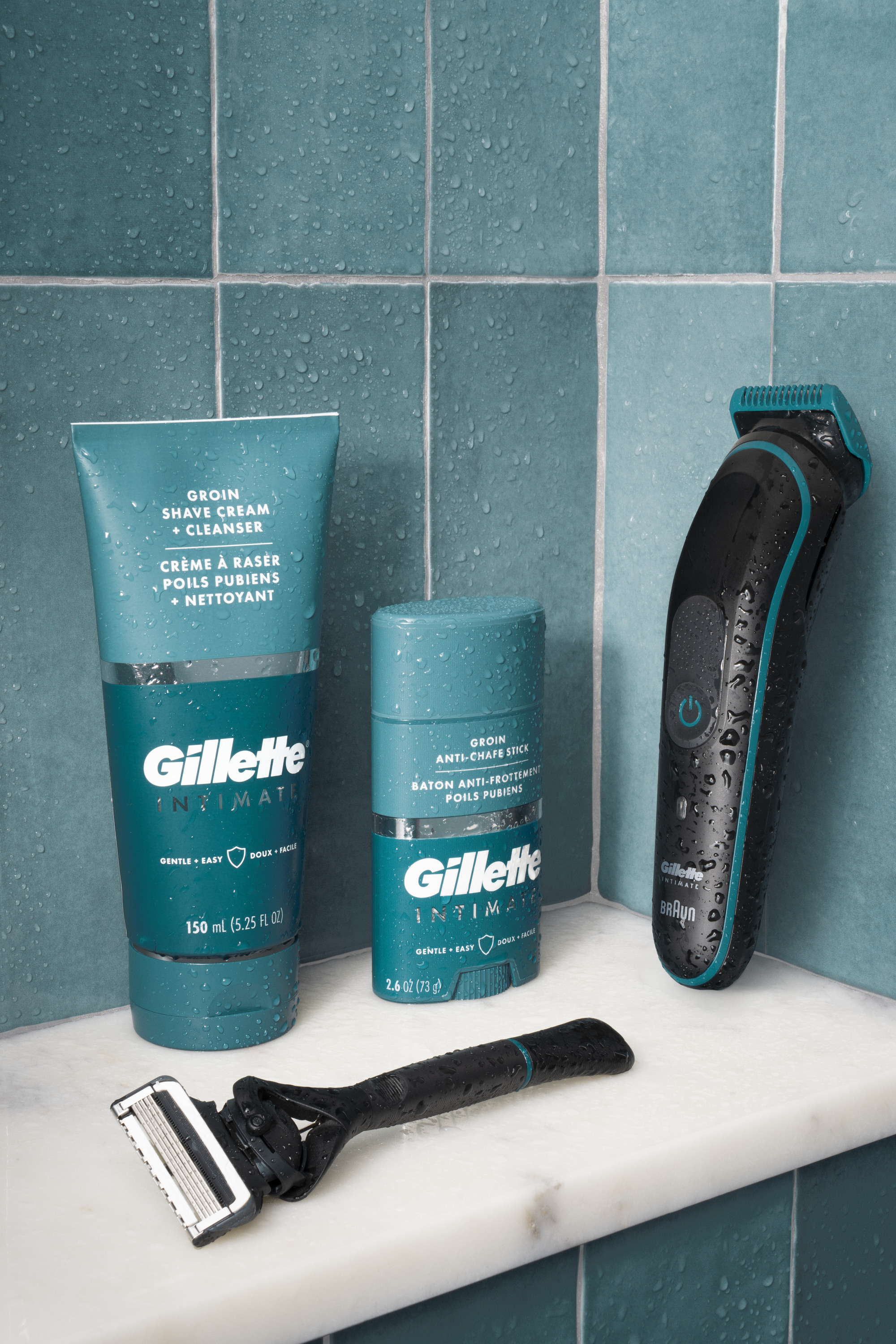
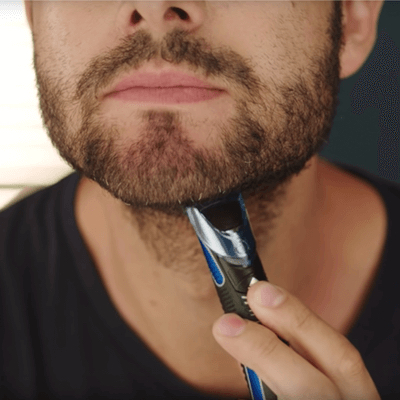
- Waterproof Trimmer with Guards: Use a trimmer with guards to shorten long or thick chest hair before shaving.
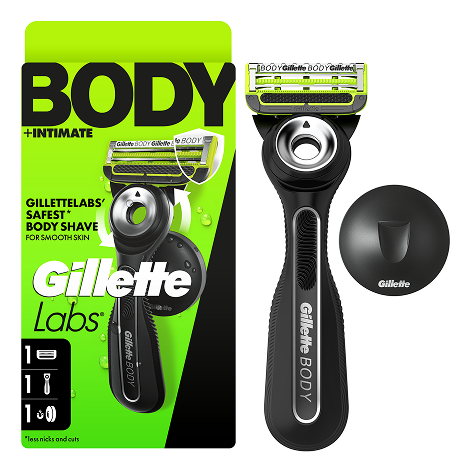
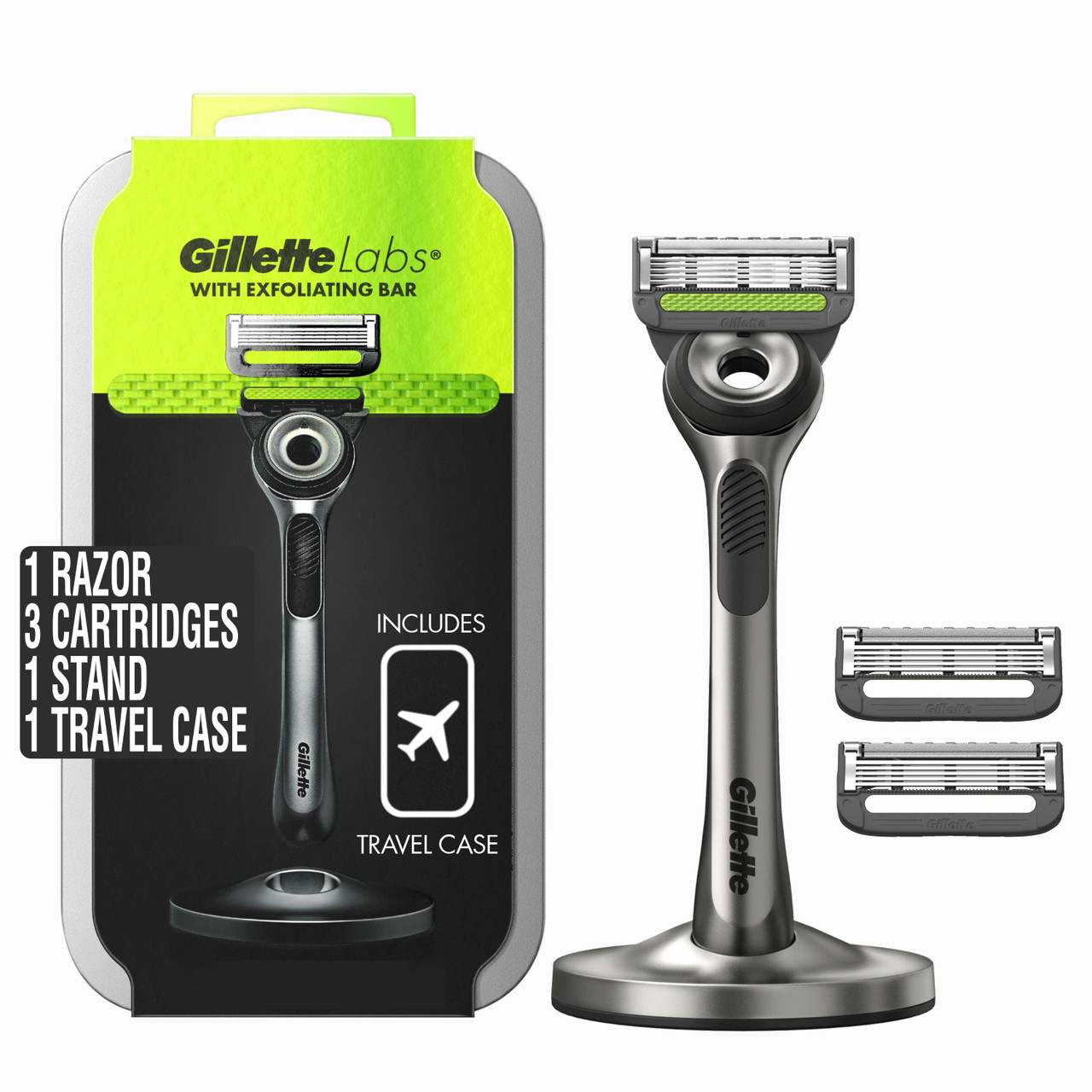
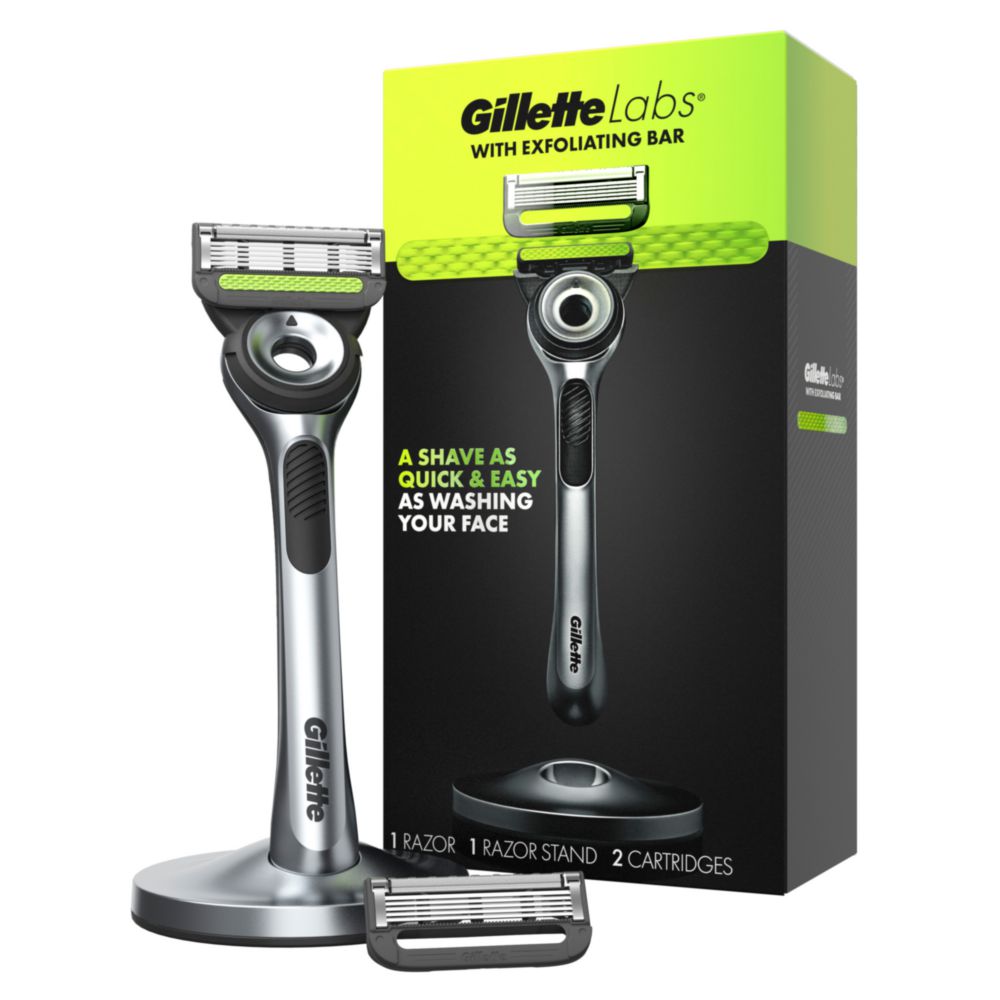
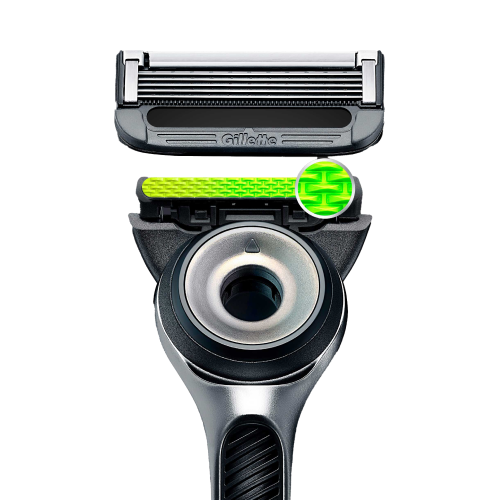
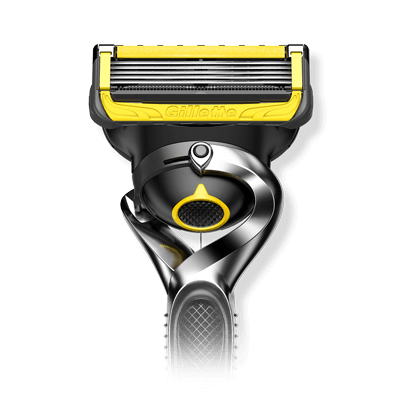
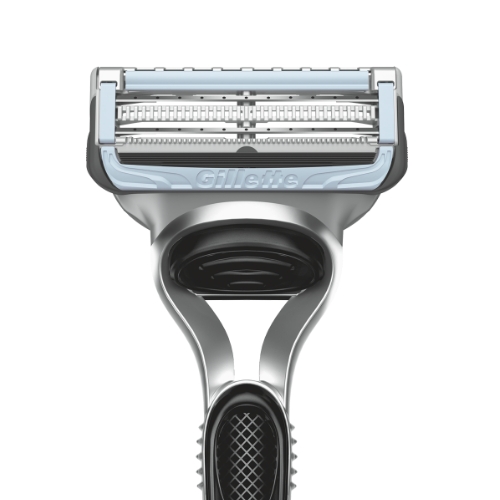
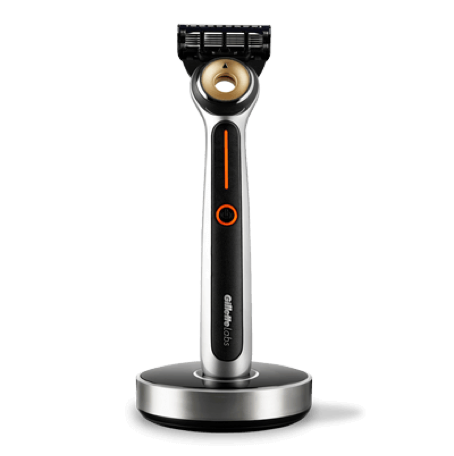
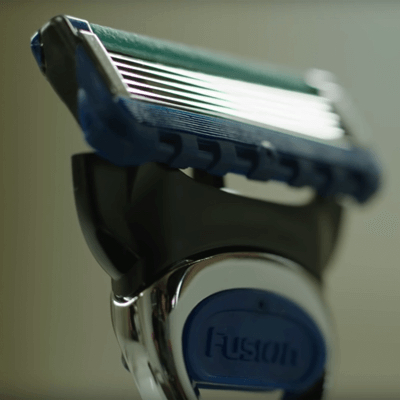
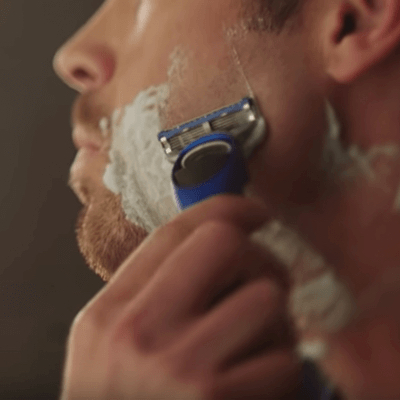
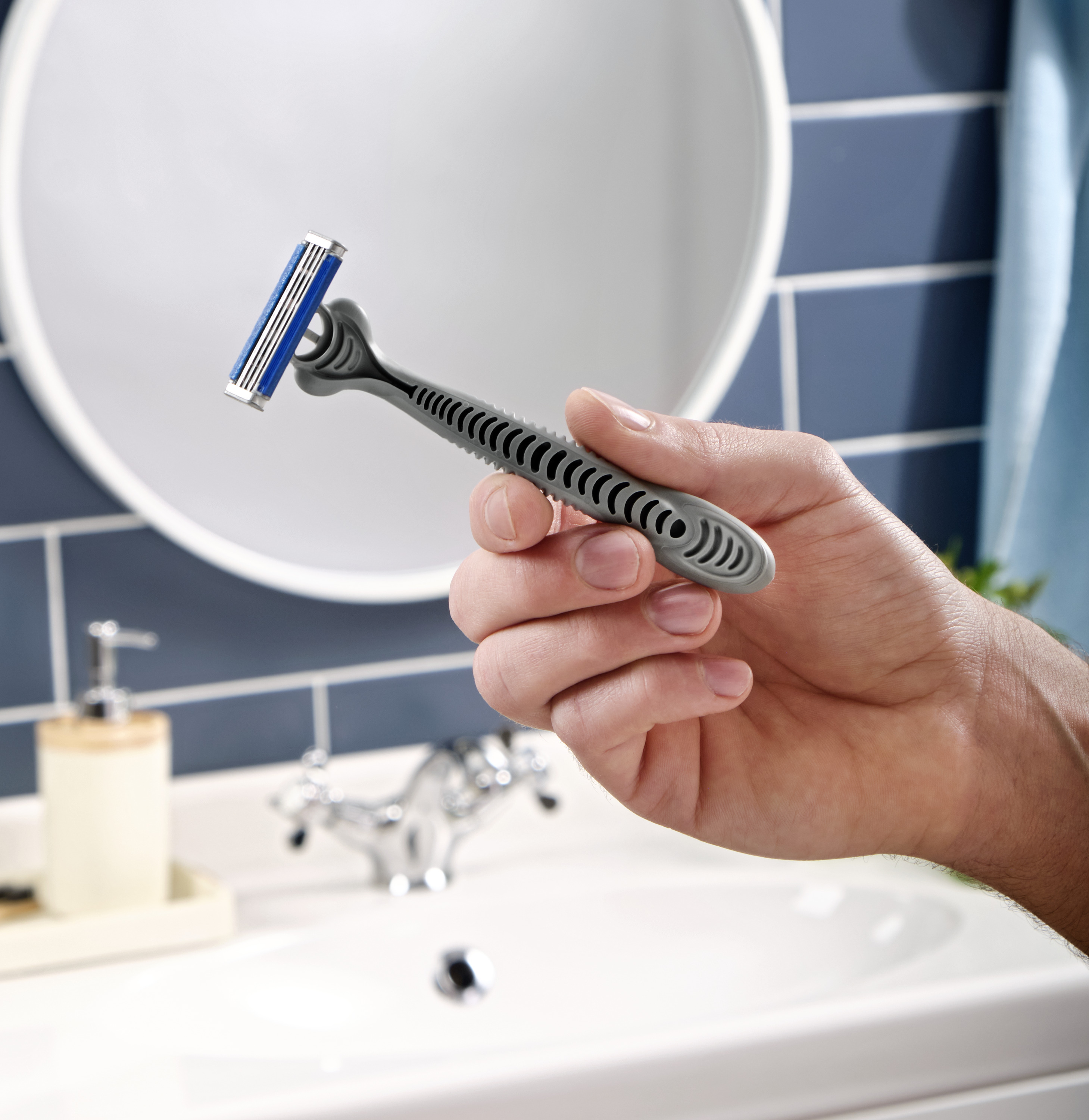
- Sharp Multi blade Razor (Replace When Dull): A body specific razor like the GilletteLabs Body + Intimate Razor, or any sharp multi blade razor, helps prevent tugging and irritation when shaving chest hair. Replace blades as soon as they feel dull to maintain smooth glide and reduce friction on the skin.
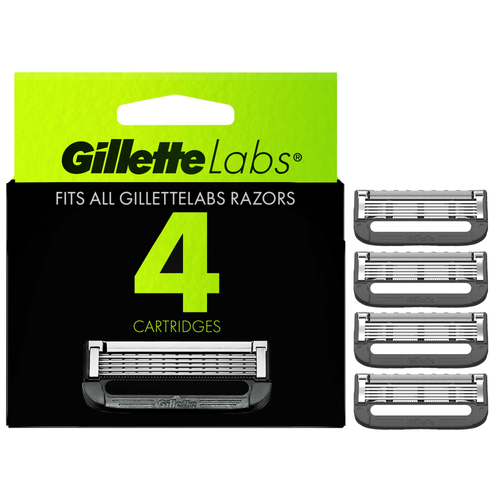
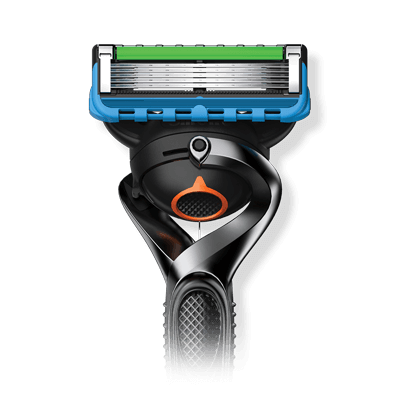
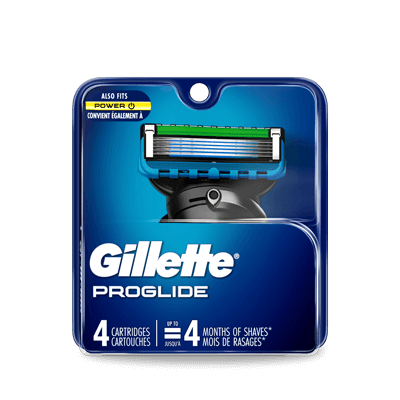
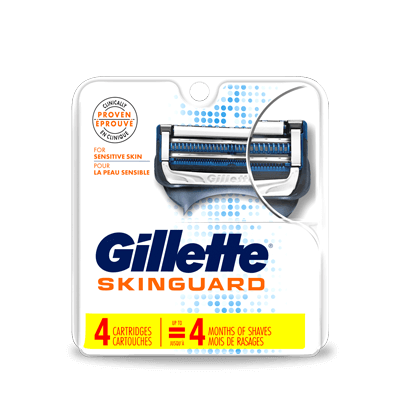
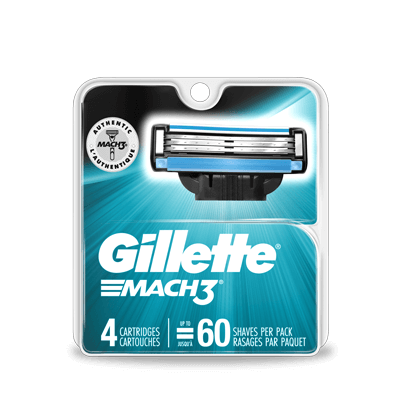
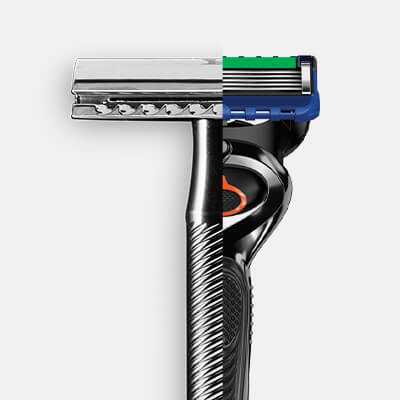
- Cartridges for Smooth, Controlled Shaving: These cartridges offer a close, comfortable shave across broader body areas like the chest, with less irritation.
- Shave Gel or Cream for Body (GilletteLabs Rapid Foaming Shave Gel): Using a hydrating shave gel improves razor glide, softens tough chest hair, and protects the skin from friction and razor burn.
- Warm Shower and Gentle Exfoliator: Softens hair and removes dead skin to reduce ingrown hairs.
- Mirror, Towel & Alcohol-free Moisturizer or Aftershave Balm: Helps calm, hydrate, and protect skin after shaving.
Pre‑Shave Preparation for Shaving your Chest Hair (For Fewer Bumps and Better Glide)
Chest hair often grows thicker than facial hair, sits closer to the skin’s surface, and grows in multiple directions, it’s more likely to curl back inward and become ingrown if shaved too closely or too often. Preparing your skin before you shave your chest hair reduces chances redness, post-shave itch, irritation, helps prevent ingrown hairs, and improves razor glide for a smoother, more comfortable shave.
Trim your chest hair to 2–6 mm to prevent razor clogging, take a warm shower to soften thick chest hair, gently exfoliate to minimize ingrown hairs, and check which direction your hair naturally grows so you can shave with the grain for a smoother, irritation free chest shave.
Pro Tip:
If your chest hair is very dense, split the area into quadrants and re‑lather each section to keep gel fresh and visible.
How to Shave Your Chest Hair - Step‑by‑Step Guide
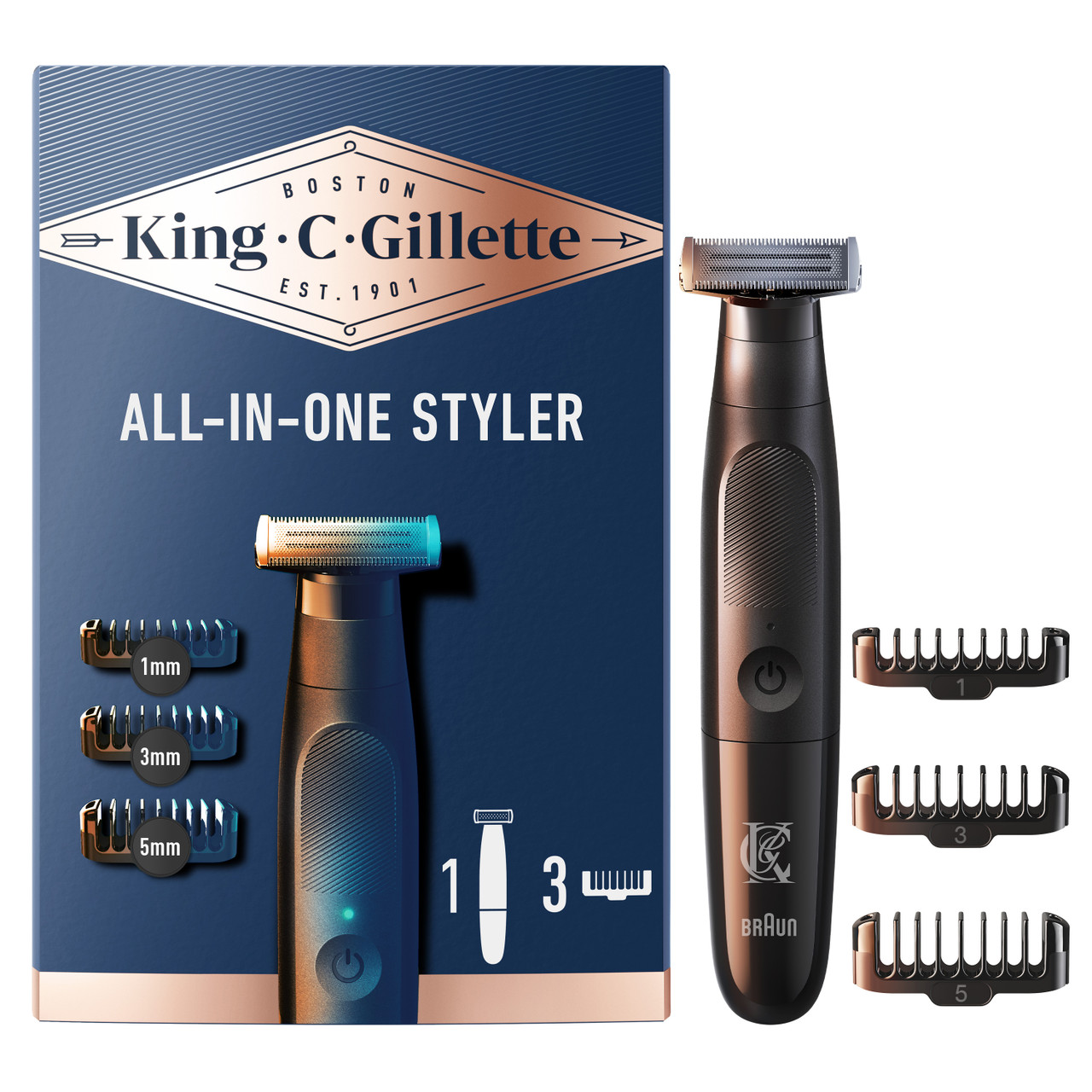
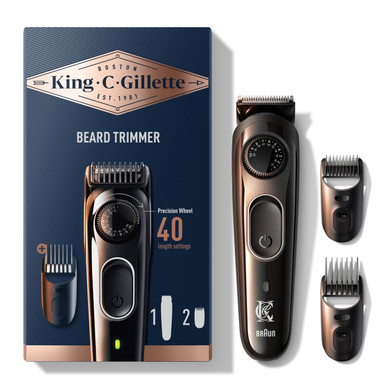
Armed with the right tools, like the King C. Gillette All-in-One Styler, shaving your chest is pretty simple. Follow these steps to get great results, every time:
Step 1
Select a Fixed Comb Length
The right comb length on your body hair trimmer can help you tame full, natural growth that hasn’t been touched by a razor for a while – or ever. The King C. Gillette All-in-One Styler with 3 interchangeable combs for different lengths for you to choose from.
Why it matters: A consistent trim length prevents razor clogging and creates a smoother starting surface — an essential first step when figuring out how to trim chest hair properly.
Step 2
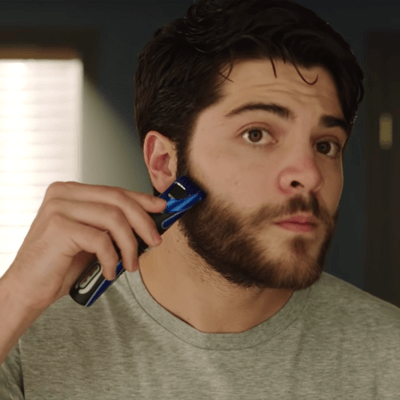
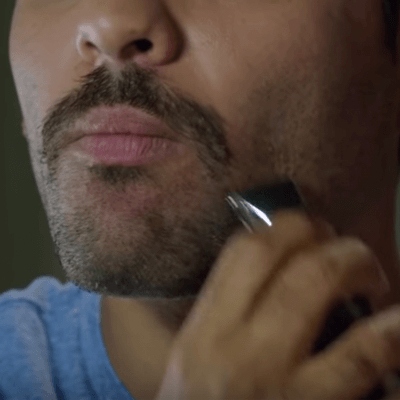
Trim Your Chest Hair
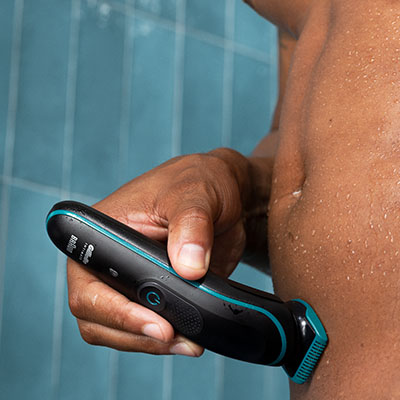
Use the King C. Gillette All-in-One Styler to trim dense or long chest hair down to a manageable length.
Why it matters: Pre-trimming helps avoid pulling, tugging, and blade clogging, making the actual shaving process faster, safer, and more comfortable.
Step 3
Shower
Take a warm shower to soften coarse, wiry chest hair and relax the skin.
Why it matters: Softer hair, cuts more easily, helping you shave chest hair without irritation. A warm shower also opens pores for smoother razor glide.
Step 4
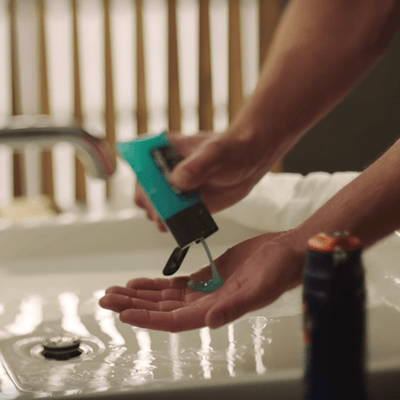
Lather Up with GilletteLabs Rapid Foaming Shave Gel
A good lather helps to hydrate hairs, enhance razor glide, and protect your skin while you shave your chest.
Why it matters: Shave gel improves lubrication, boosts glide, and protects skin from razor burn — especially important when shaving a large area like the chest.
Step 5
Check For Dull Blades
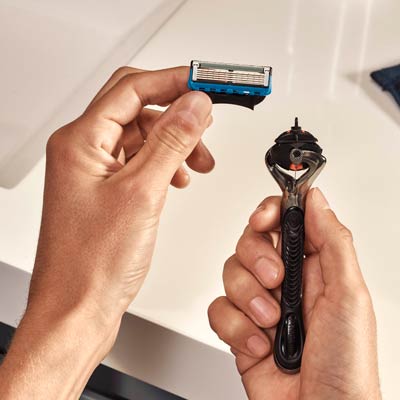
Blade feeling dull or lubrication strips looking faded? It may be time for you to swap your blade refills. Dull blades increase pressure on the skin and raise the risk of ingrowns because the chest area experiences more friction from clothing.
Why it matters: Dull blades cause drag, redness, and micro irritation. Using a fresh blade ensures a clean, smooth shave with fewer passes.
Step 6
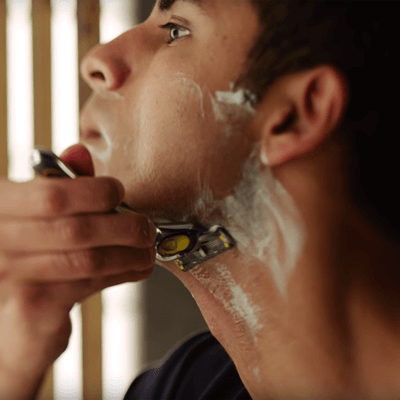
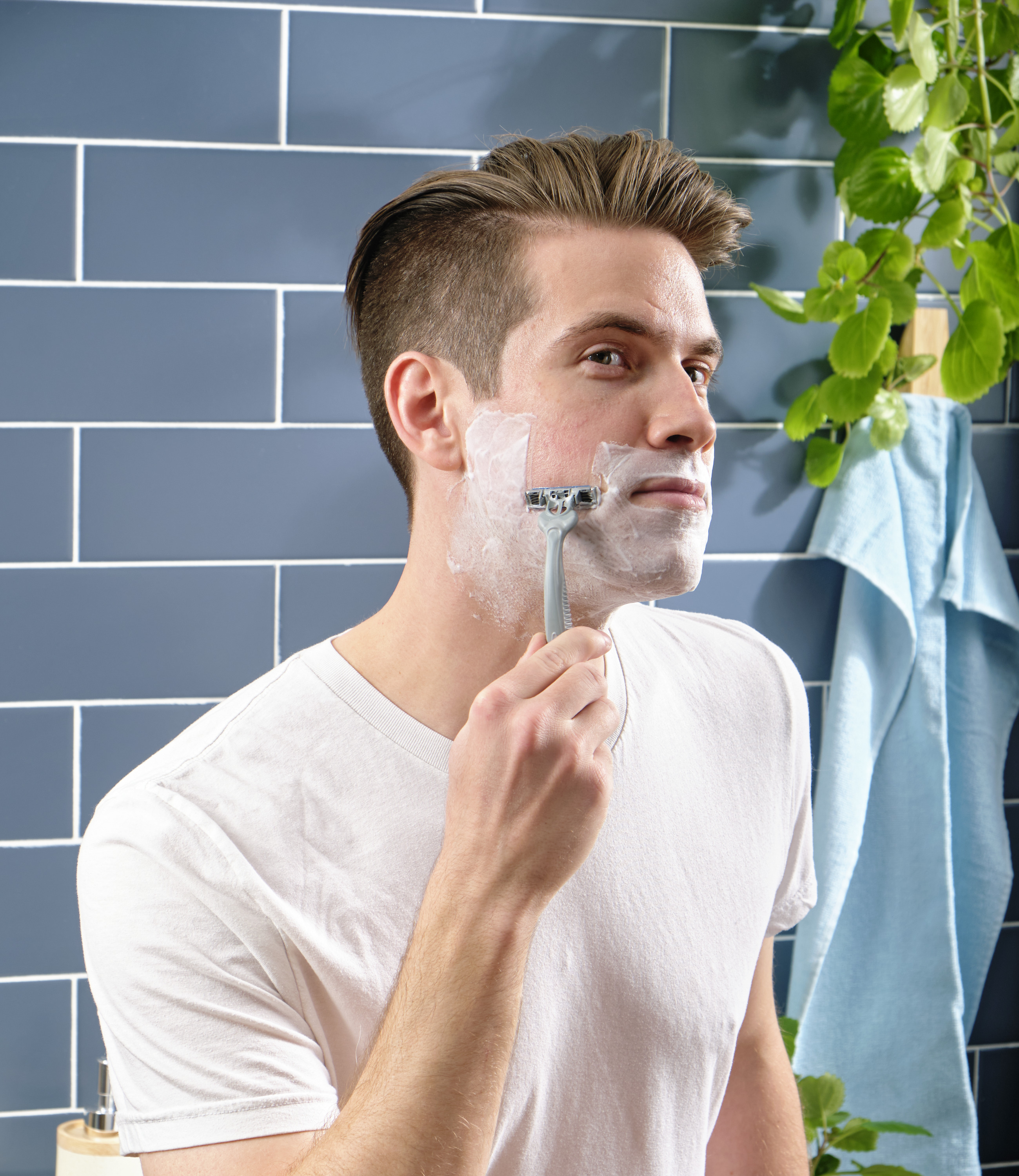
Shave with Light, Gentle Strokes
Start from the outside of your chest and work your way in. Stretch your pecs as you shave to create an even shaving surface.
Why it matters: Gentle, with the grain strokes reduce the risk of ingrown hairs and irritation — a common question men ask when learning how to shave chest hair safely.
Step 7
Rinse Your Blades Often
Run the blades gently under the faucet every few strokes, both the back and front sides of the blades, and then gently shake excess water off. Do not tap your razor against the sink or wipe against a towel; these habits can reduce the life of the razor by affecting the intricate design of the blade components. Rinsing the blades under running water helps to remove built-up shaving gel, hair, and dead skin.
Why it matters: Frequent rinsing keeps blades clear of hair, gel, and dead skin, improving cutting efficiency and extending blade life.
Step 8
Be Careful Around Your Nipples.
Go around – not directly over. You can use the fingertips of your other hand to cover your nipples as you shave near them, just in case.
Why it matters: This prevents accidental nicks on delicate skin, one of the most sensitive parts of chest shaving.
Step 9
Reapply Shave Gel As Needed
You may find that you need to shave over the same spot in different directions to get a smooth shave. In order to help prevent razor burn on your body, ensure that you reapply shave gel before you re-stroke.
Why it matters: Re-lathering reduces friction and helps prevent razor burn, especially when going over tricky or uneven areas.
Step 10
Rinse, Dry, and Moisturize
Moisturizing after shaving your chest is critical – it helps soothe the skin.
Why it matters: Cooling and moisturizing your skin after shaving calms irritation, restores hydration, and helps prevent post-shave redness and itch — a key step in chest shaving aftercare.
What Mistakes Should You Avoid when Shaving Chest Hair?
Chest grooming is more challenging than face shaving because the hair is longer, grows in multiple directions, and the area is harder to see. Constant friction from clothing and sweat also increases the risk of irritation. Most chest shaving irritation also comes from rushing, skipping prep, or using dull blades.
Even with the right tools and technique, a few common mistakes can lead to irritation, razor burn, or ingrown hairs when shaving your chest hair.
- Skipping pre-shave preparation — Not trimming, softening, or exfoliating can make chest hair harder to shave.
- Pressing too hard — Heavy pressure increases friction and causes redness or razor burn.
- Using dull blades — Worn out cartridges tug at hair and leave the skin irritated.
- Ignoring hair growth direction — Shaving against the grain too soon raises the risk of ingrown hairs on the chest.
Pro Tip:
"Shave with the grain first, then use a second pass with fresh gel and light strokes to reduce irritation."
How Do You Fix Common Chest Shaving Problems?
Chest shaving issues like irritation, razor burn, or clogged blades are usually easy to fix with small technique adjustments. Targeted fixes help restore comfort and prevent the same problems next time.
If something does go wrong during your chest shave, here's how to quickly fix the most common issues:
- If irritation occurs → Apply a soothing, alcohol-free balm and avoid tight clothing that traps heat.
- If razor burn appears → Switch to a GilletteLabs Rapid Foaming Shave Gel and use lighter, shorter strokes on the next shave.
- If blades clog → Trim hair shorter before shaving and rinse the razor thoroughly every few strokes.
These fixes align with Gillette's shaving tips and are ideal for anyone searching for how to shave chest hair without bumps or how to prevent ingrown hairs.
Aftercare Tips: Why It's as Important as Shaving Your Chest Hair?
Aftercare while shaving your chest hair helps calm freshly shaved chest skin and prevents redness, itch, and post‑shave irritation. Allow adequate recovery time between shaves as friction from clothing, sweat, and movement can compound irritation on freshly shaved skin.
- Cool Water Rinse — Calms the skin and removes leftover shave gel.
- Pat Dry (Don't Rub) — Prevents micro irritation on freshly shaved skin.
- Moisturize — Apply an alcohol-free moisturizer or aftershave balm to hydrate and soothe.
- Clothing Tip — Avoid tight, synthetic, or sweat trapping fabrics for several hours.
For more irritation reduction tips, visit the Razor Burn Guide.
How Often Should Men Shave Their Chest Hair?
How often you should shave your chest depends on the look you want, your hair type, and how sensitive your skin is. Most men find a rhythm that keeps the chest looking intentional without irritating the skin.
Recommended Chest Shaving Frequency:
- For a clean‑shaven look: Shave every 3–7 days to maintain a consistently smooth chest.
- For a trimmed or natural look: Trim every 7–14 days to keep the chest neat without going fully smooth.
- For sensitive skin: Extend shaving intervals and alternate with trimming to reduce irritation and friction.
Why Frequency Matters:
Body hair typically grows at a rate of around 0.2–0.4 mm per day, which is why stubble becomes noticeable just a few days after shaving. As hair regrows, coarse or curly chest hair can begin to curve back toward the skin, especially if shaved very closely.
Ingrown Hairs Consideration:
Shaving too frequently can increase the risk of ingrown hairs, because thicker or curlier chest hair may retract below the skin's surface if the skin hasn't fully recovered between shaves. Allowing proper recovery time and occasionally switching to trimming helps reduce irritation and keeps the skin barrier healthy.
How Long Does Chest Hair Take to Grow Back?
Chest hair usually starts to grow back quickly after shaving. Most men notice fine stubble within 1–3 days, coarser regrowth by about a week, and a return to natural length within 2–4 weeks.
Growth speed varies depending on genetics, hormone levels, and whether you trim or shave, but this timeline is typical for most men.
What to Expect After Shaving Chest Hair:
- 1-3 days: Fine stubble becomes noticeable.
- 1 week: Hair is clearly visible and may feel coarse.
- 2-4 weeks: Hair typically returns to its natural length and texture.
Men who prefer a consistently groomed chest often alternate between shaving and trimming as hair grows back, which helps maintain appearance while reducing repeated skin stress.
Conclusion
Chest grooming is all about comfort, confidence, and personal style. With the right prep, correct technique, and consistent aftercare, you can shave chest hair smoothly, avoid razor bumps or irritation, and maintain a look that suits you whether clean shaven or naturally trimmed.
FAQs About Chest Hair Shaving
-
Will my chest hair grow back thicker if I shave it?

No — shaving doesn't change the thickness or growth rate of chest hair. It may feel slightly rough at first because the tip is blunt, not thicker.
-
Should I shave my chest hair wet or dry?

It is recommended to always shave wet. A warm shower plus GilletteLabs Rapid Foaming Shave Gel softens coarse chest hair and helps prevent irritation.
-
How do I shave chest hair without irritation?
Trim first, shave with the grain using light strokes, and replace dull blades with fresh Fusion5 cartridges. Finish with an alcohol-free moisturizer for comfort.
-
How can I prevent itching after shaving my chest hair?
Apply a soothing, alcohol-free aftershave balm and avoid tight clothing. Regular exfoliation helps prevent ingrown hairs and post-shave itch.
-
When should I replace razor blades for chest shaving?
Replace your blade when it tugs, feels rough, or the lubrastrip fades. A fresh blade gives a smoother chest shave with fewer passes.
-
Can shaving chest cause ingrown hairs?
Yes, especially if you shave against the grain or use dull blades. Exfoliating gently and shaving with the grain helps prevent ingrown hairs on the chest.
-
Is trimming better for sensitive skin?
Often yes. Using the King C. Gillette All-in-One Styler avoids blade to skin contact and reduces irritation while keeping the chest neatly groomed.
-
Should I use shave gel or cream for chest hair?
A hydrating shave gel is best — it softens thick chest hair and improves razor glide. The GilletteLabs Rapid Foaming Shave Gel works especially well for body areas.
-
Do I need to exfoliate before shaving chest hair?
Yes, especially if you want to shave chest hair without irritation. Exfoliating removes dead skin and helps prevent bumps and ingrowns.
-
Should I shave up or down on my chest?
Shave with the grain first, then re-la ther and use light strokes if extra closeness is needed. This reduces irritation and helps prevent ingrown hairs.
Was this article helpful?

