








Introduction
TL;DR / Quick Answer: How Do You Prevent Irritation When Shaving Your Pubic Area?
To help prevent shaving irritation when grooming your pubic area:
- Soften hair with warm water (3–5 minutes)
- Gently exfoliate before shaving
- Use a hydrating, non-irritating shave cream
- Shave with light pressure and with the grain
- Rinse with cool water and moisturize afterward
- Reduce friction with breathable clothing and anti-chafing protection
If irritation appears, pause shaving for 24–48 hours and switch to trimming until the skin calms.
What Causes Shaving Irritation?
Shaving irritation in the pubic area typically falls into three categories, each with distinct causes and symptoms.
Razor Burn
Razor burn appears as redness, stinging, burning, or itching shortly after shaving. The skin may feel tight or sensitive to touch.
Razor burn is usually caused by:
- Shaving without enough lubrication
- Pressing too hard with the razor
- Making too many passes over the same spot
- Using dull blades that drag instead of glide
This type of irritation is friction related and often improves quickly once shaving stops.
Razor Bumps & Ingrown hairs
Razor bumps & ingrown hairs happen when shaved hairs curl back into the skin instead of growing outward. They look like small pimples or raised bumps and may be itchy or tender.
Common causes include:
- Shaving too closely
- Shaving against the grain
- Skipping exfoliation
- Clogged or dull blades
Men with coarse or curly hair are more likely to experience razor bumps in the pubic area.
Chafing
Chafing is a friction rash that develops when freshly shaved or trimmed skin rubs against clothing or adjacent skin. It often shows up as redness, soreness, or raised bumps on the inner thighs or groin.
Chafing is aggravated by:
- Tight underwear or waistbands
- Sweating after shaving
- Long periods of walking, sitting, or exercise
- Lack of friction reducing protection
What Tools Do You Need to Prevent Irritation While Grooming the Pubic Area?
Using the right tools helps protect sensitive skin during and after grooming.
Essential Tools Checklist
Using the right tools reduces irritation before it starts.
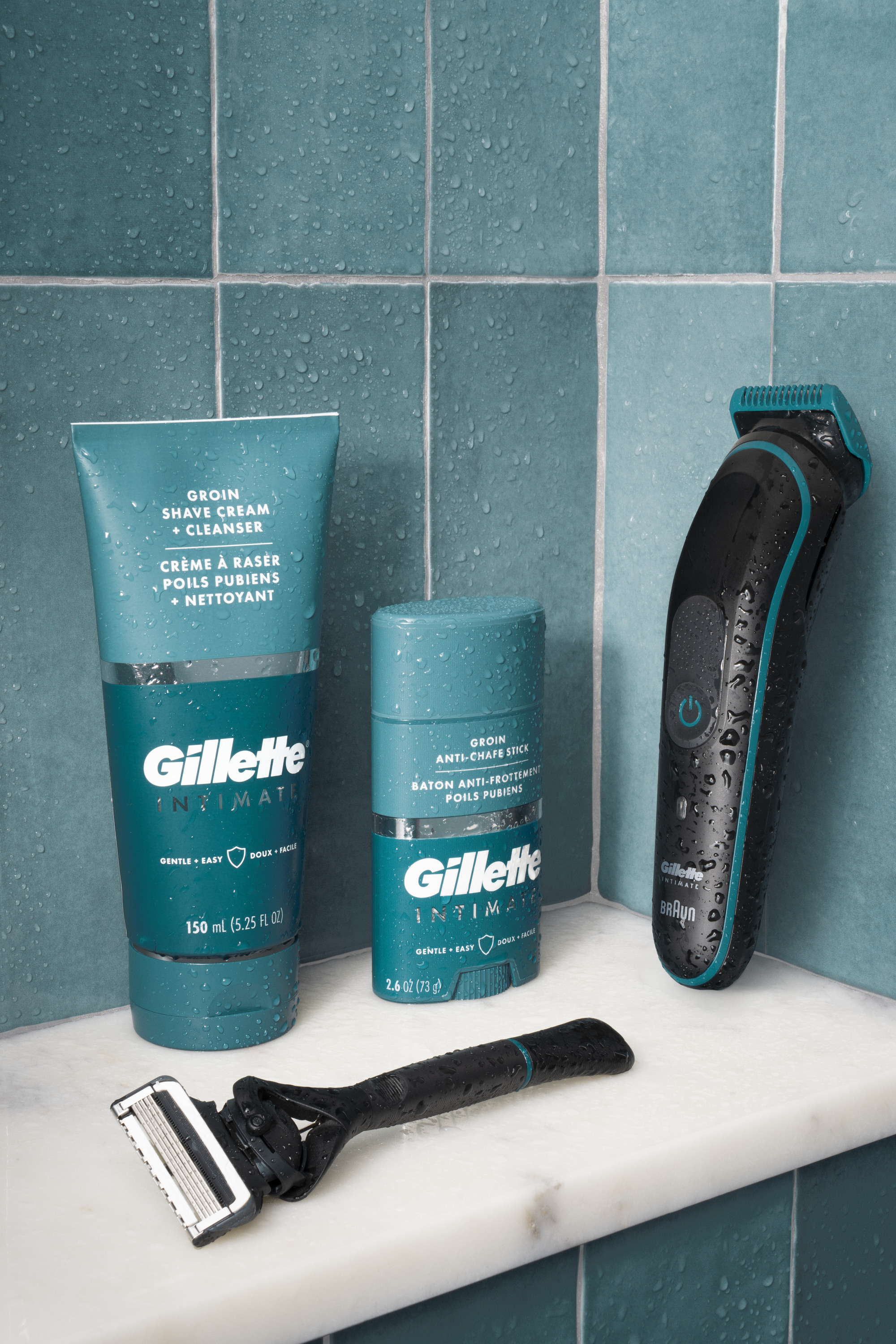
Essential grooming tools include:
- A hydrating shave cream made for sensitive skin
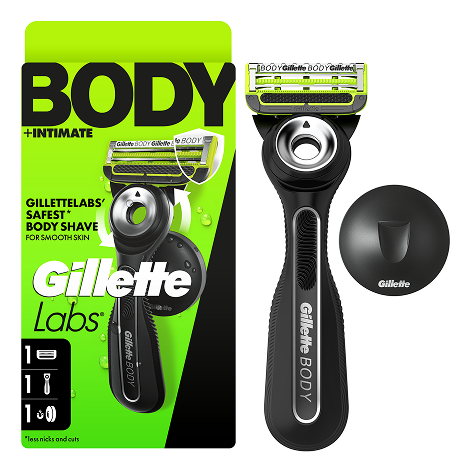
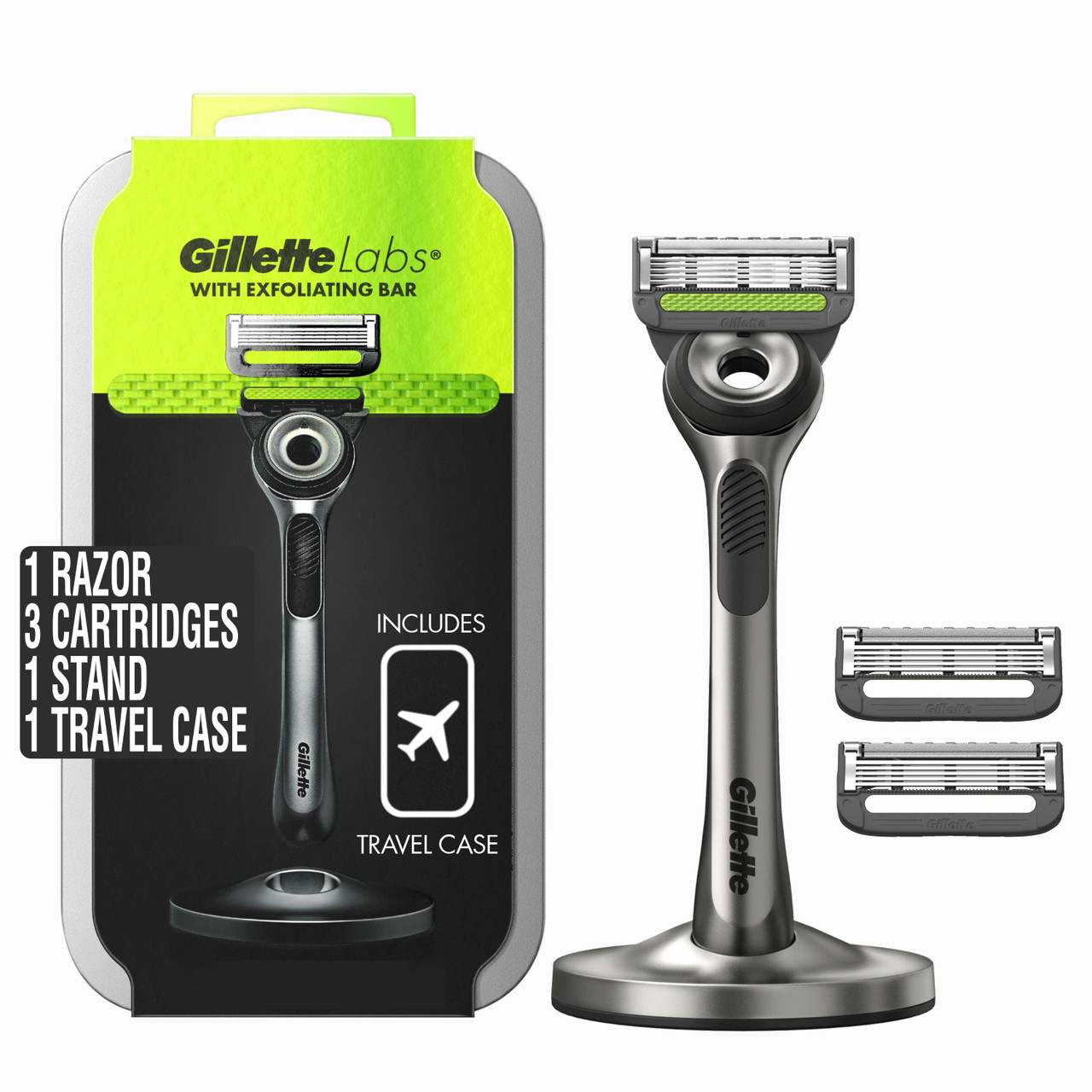
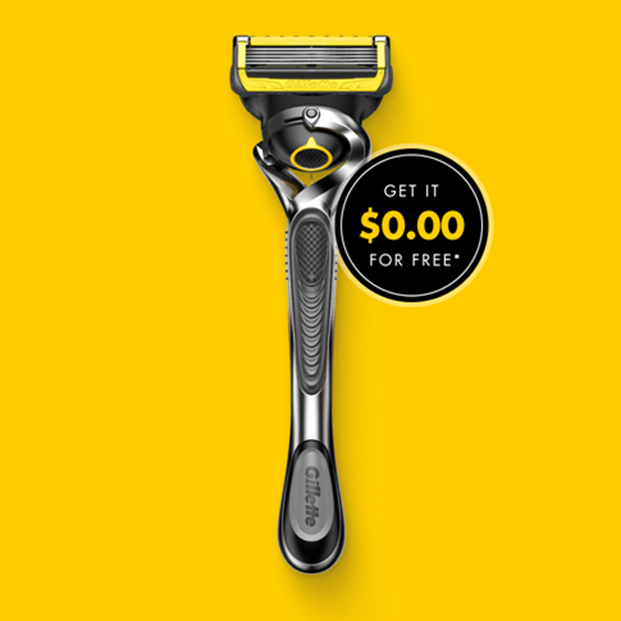
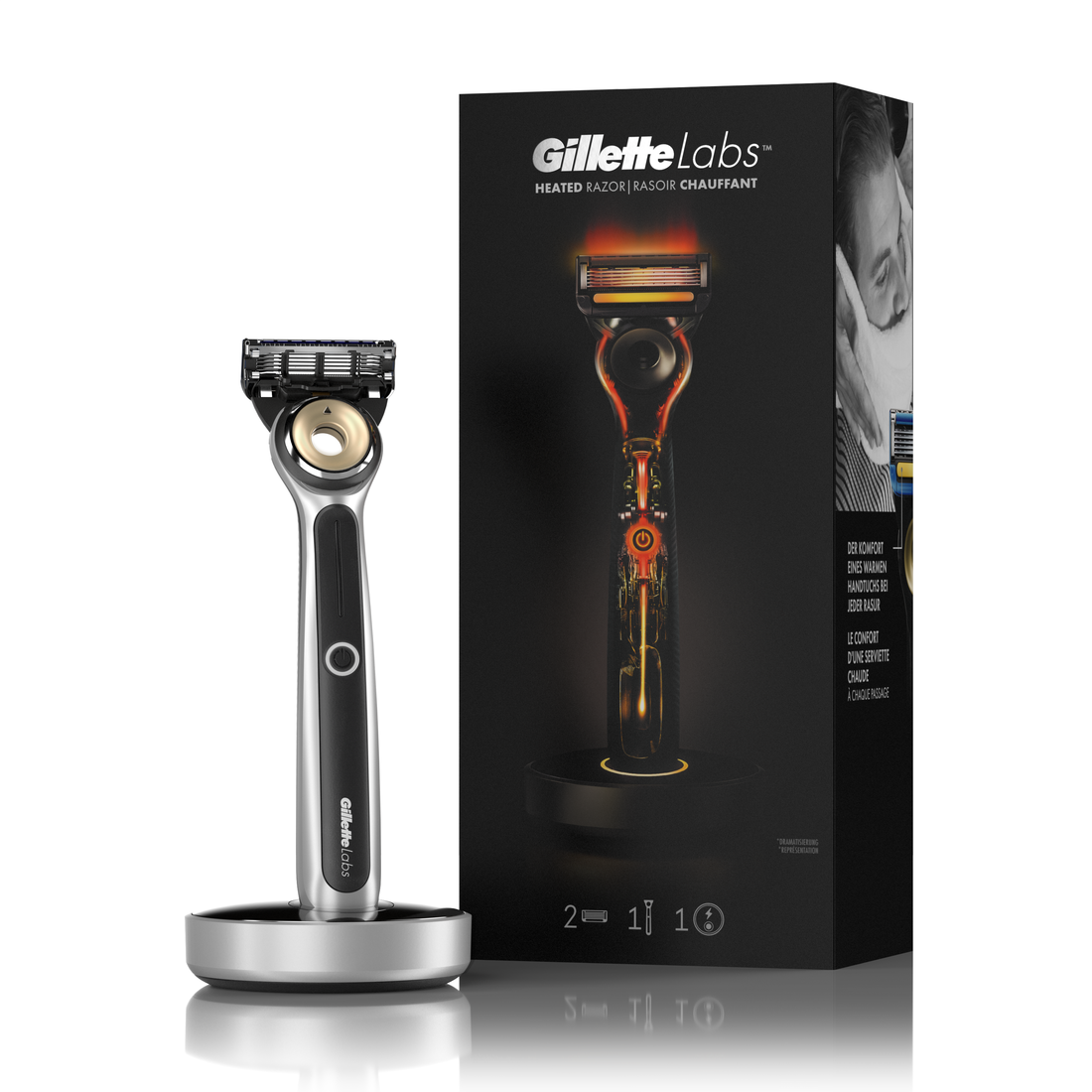
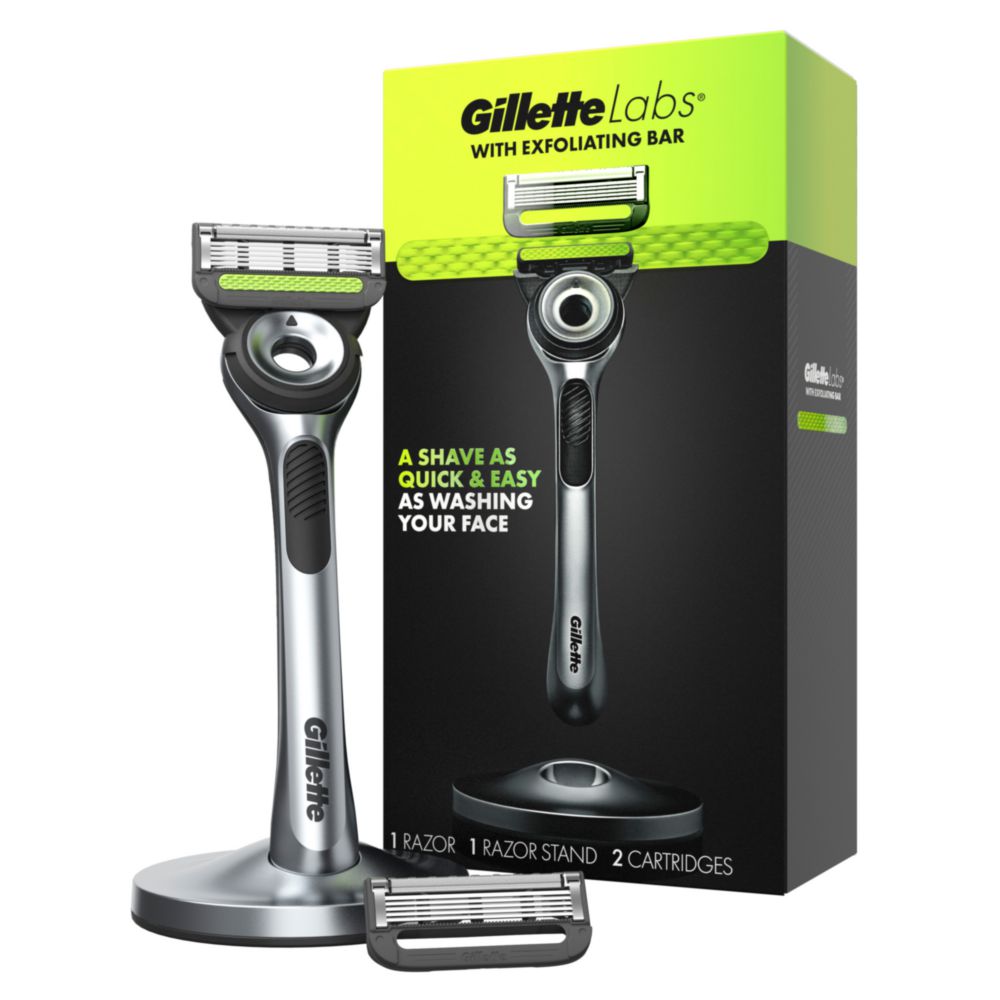
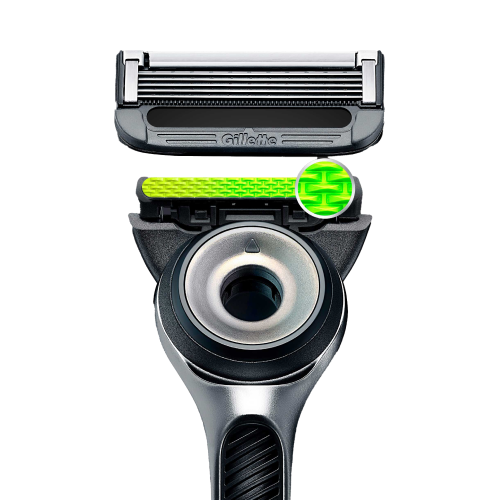
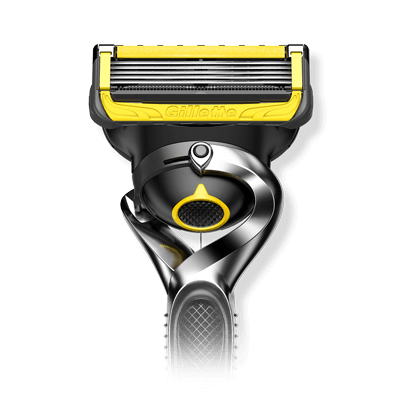
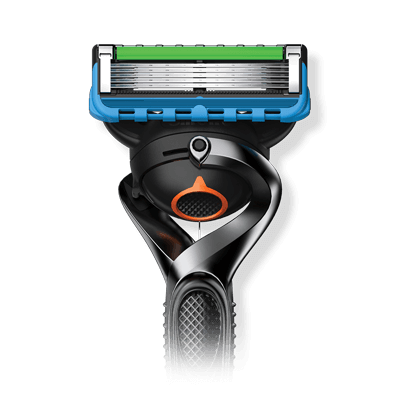
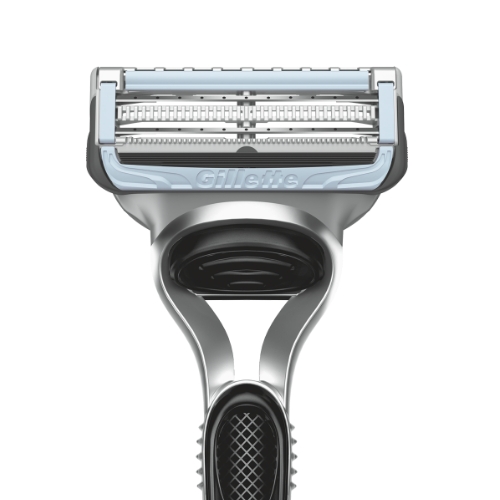
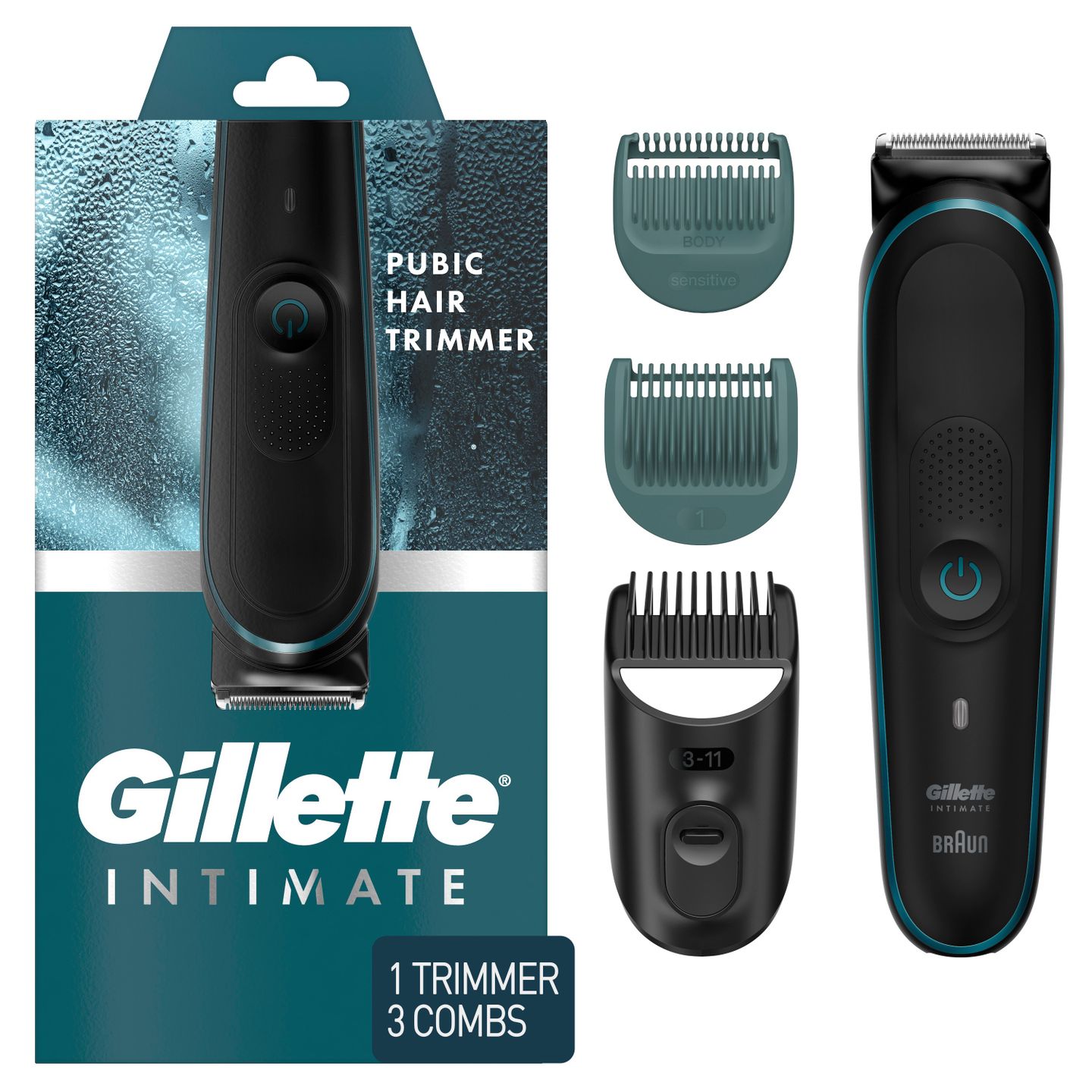
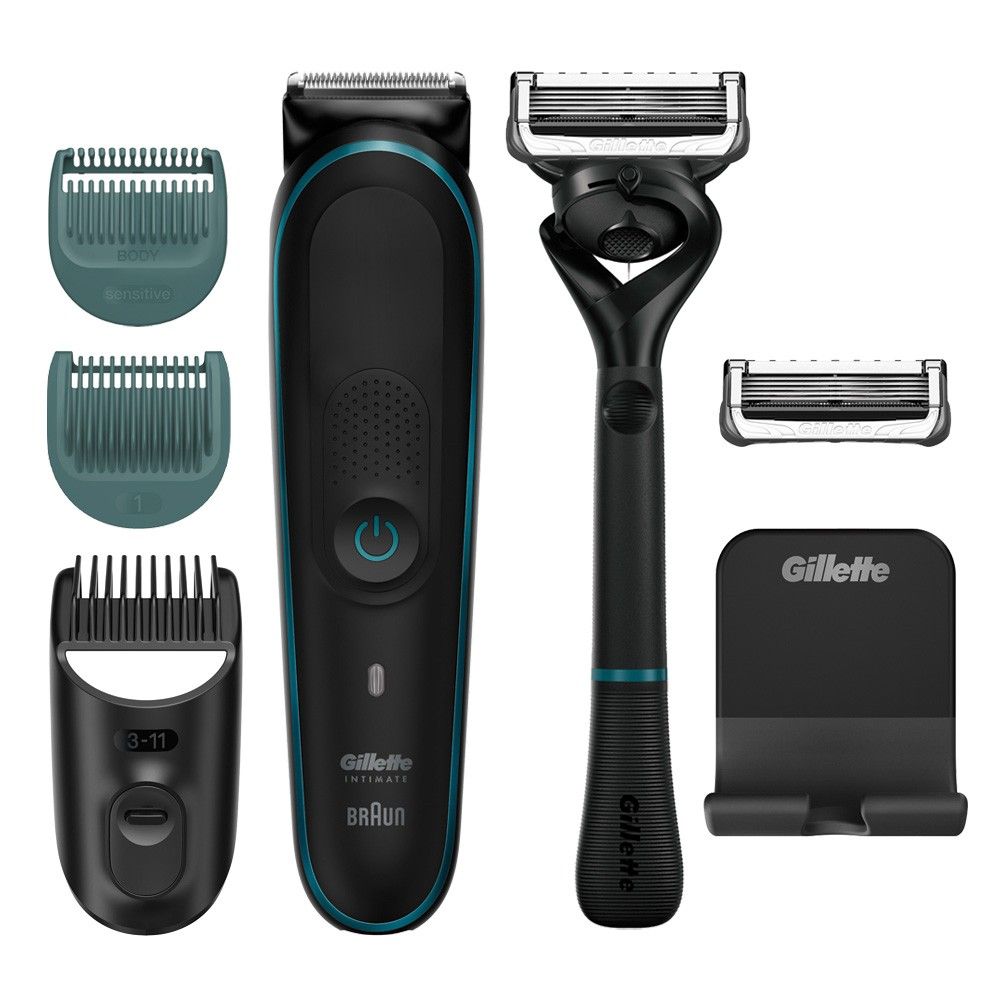
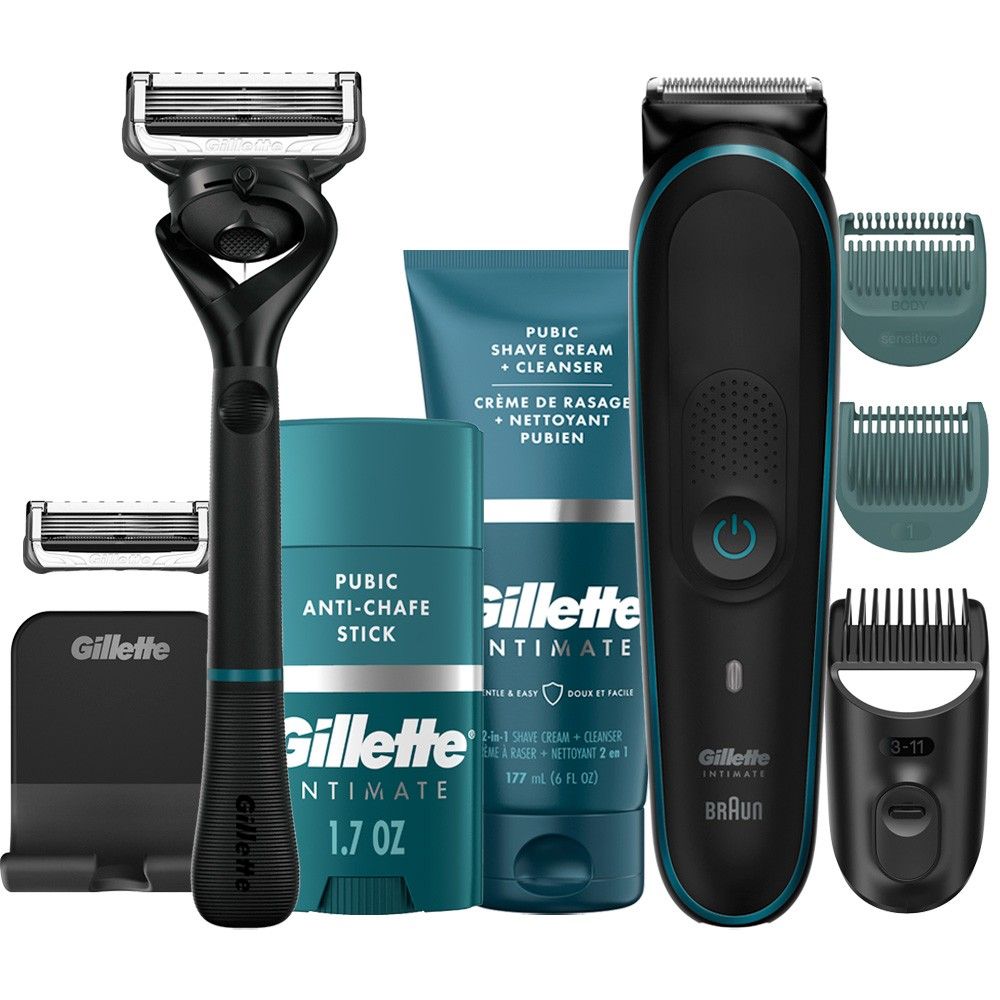
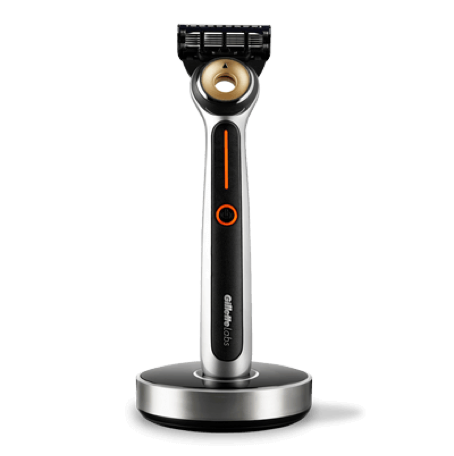
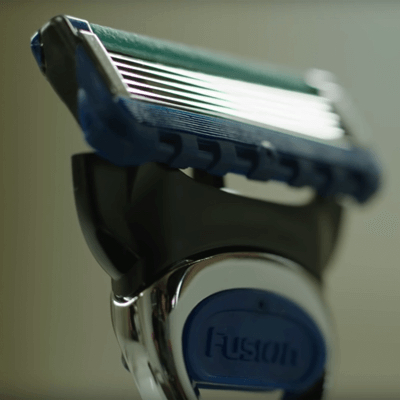
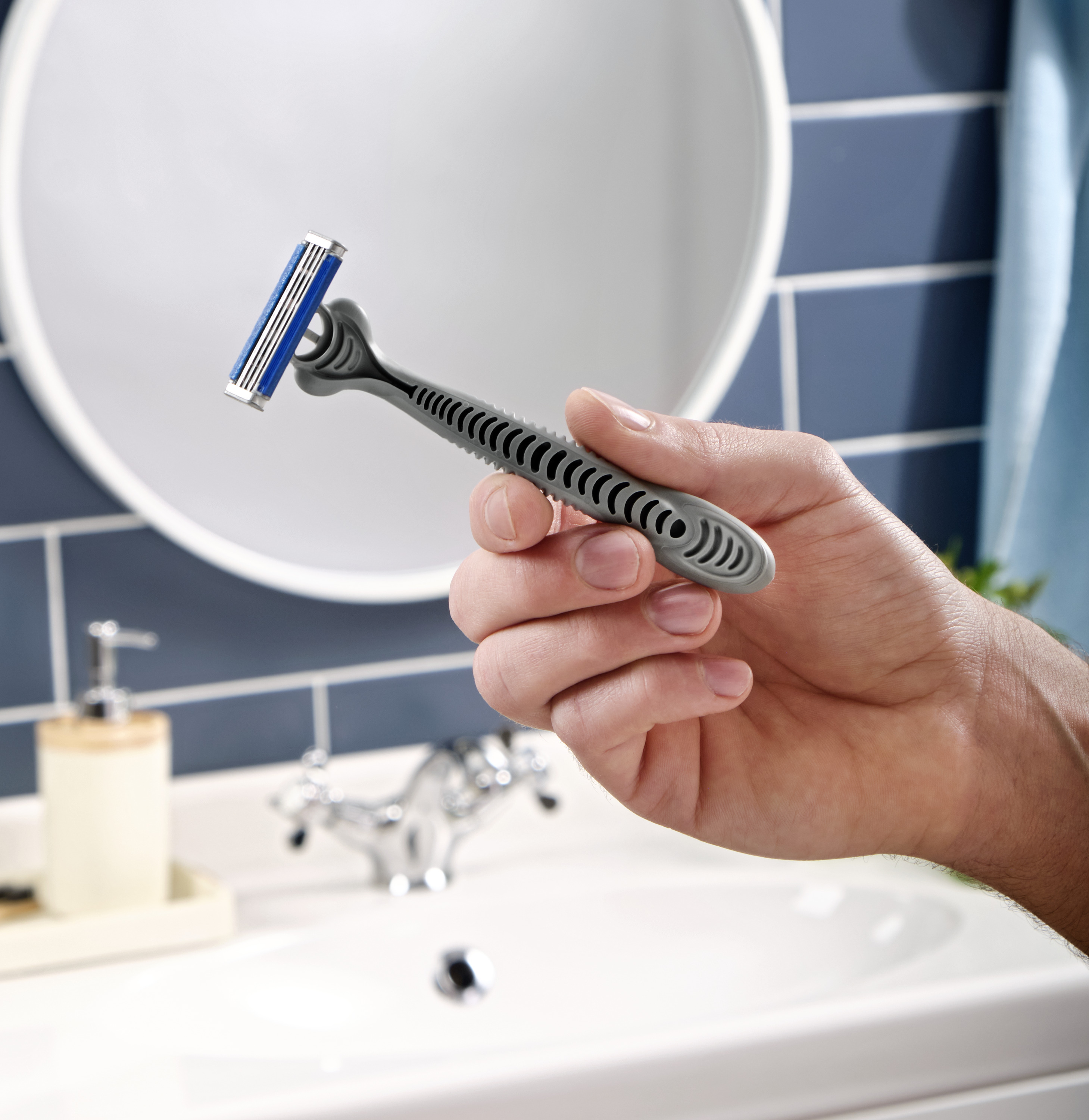
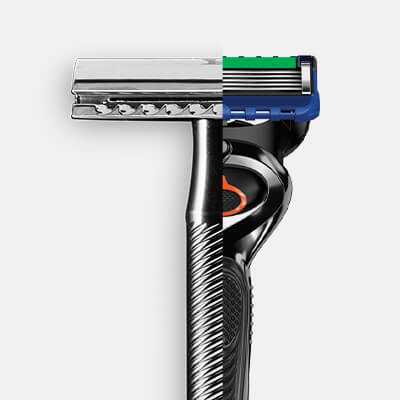
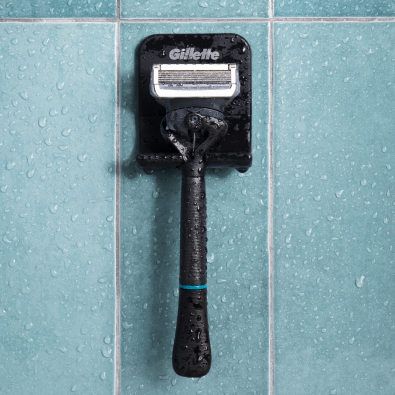
- A sharp razor or groomer designed for intimate or body shaving. A body specific razor such as the GilletteLabs Body + Intimate Razor, offers better control on sensitive skin and helps reduce friction related irritation.
- A gentle cleanser or mild exfoliator
- An alcohol-free moisturizer to calm skin
- An anti-chafing or friction control product
- Breathable underwear made from cotton or moisture wicking fabric
Good tools support the skin barrier and reduce friction, which matters more than achieving an ultra-close shave.
The 3 Proven Ways to Reduce Shaving Irritation in Your Pubic Area
Way 1: Avoid Razor Burn in Your Pubic Area
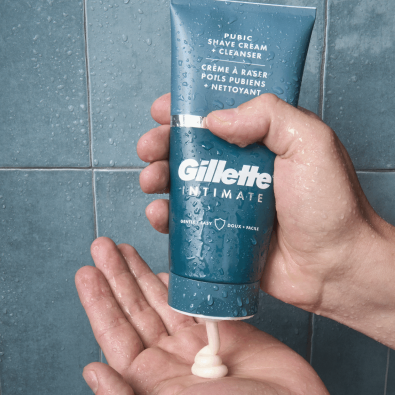
If razor burn is already present, rinse the area with cool water to calm inflammation. Apply a gentle, fragrance-free moisturizer and avoid shaving for 24–48 hours until the skin settles.
To prevent razor burn in the future:
- Always soften hair with warm water before shaving
- Use a generous amount of hydrating shave cream
- Shave using light pressure and short strokes
- Rinse the blade frequently to avoid buildup
- Finish with a cool rinse and pat the skin dry
Reducing friction and pressure is the most effective way to prevent razor burn.
Way 2: Avoid Razor Bumps in Your Pubic Area
Preventing razor bumps starts before the razor touches your skin.
Prep matters:
- Soften hair with warm water for 3–5 minutes
- Gently exfoliate 2–3 times per week to keep pores clear
Technique matters:
- Shave with the grain, not against it
- Avoid shaving the same area repeatedly
- Use a sharp blade designed for sensitive areas
If razor bumps keep returning, trimming instead of shaving often keeps skin calmer and reduces ingrown hairs.
Pro Tip:
"If you're highly bump-prone, trimming often keeps skin calmer than shaving."
Way 3: Avoid Chafing
Freshly shaved skin is more sensitive to movement and heat.
To prevent chafing:
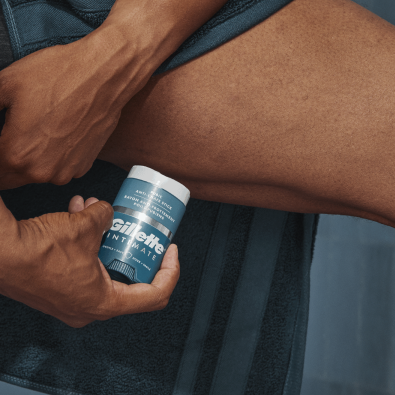
- Apply an anti-chafing product to high friction areas
- Wear breathable, non-restrictive underwear
- Avoid intense workouts or long walks immediately after shaving
- Reapply friction protection before extended activity
Friction control is essential for comfort after grooming.
Avoid These Common Mistakes That Trigger Shaving Irritation
Many cases of pubic area shaving irritation aren't caused by shaving itself, but by small mistakes that increase friction, pressure, or skin stress. Avoiding the following issues can make a noticeable difference in how your skin feels after grooming.
- Dry shaving or using only soap and water: Shaving without proper lubrication is one of the fastest ways to cause razor burn. Soap alone doesn't provide enough glide or protection for sensitive pubic skin, which leads to dragging, redness, and stinging.
- Skipping warm water prep or exfoliation: Warm water softens coarse hair and relaxes the skin. Skipping this step makes hair harder to cut cleanly, increasing tugging and irritation. Gentle exfoliation helps prevent clogged pores and ingrown hairs.
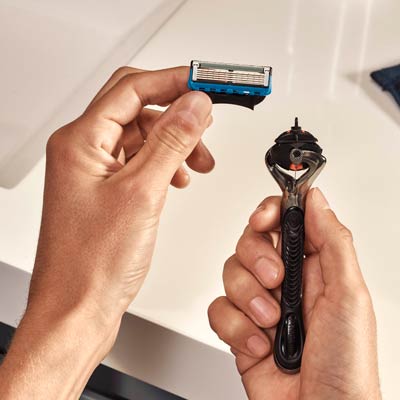
- Using dull blades that tug and pull hair: A dull blade doesn't cut efficiently—it pulls. This extra resistance increases irritation, raises the risk of nicks, and contributes to razor bumps.
- Shaving against the grain on sensitive skin: While shaving against the grain may feel closer, it greatly increases the risk of razor bumps and irritation in the pubic area. Sensitive skin usually responds better to shaving with the grain.
- Pressing too hard or using long strokes: Excess pressure and long strokes remove too much of the skin's protective barrier at once. Light pressure and short, controlled strokes reduce friction and skin stress.
- Skipping post-shave moisture and friction control: After shaving, skin is more vulnerable. Skipping moisturizer or friction protection can lead to dryness, itching, and chafing—especially once you start moving.
- Wearing tight clothing immediately after shaving: Tight underwear or waistbands trap moisture and create friction against freshly shaved skin, increasing the likelihood of irritation and chafing.
Avoiding these errors significantly lowers the risk of razor burn, bumps, and post-shave discomfort.
Pro Tip:
"Most shaving irritation comes from friction and pressure—not how close you shave."
Troubleshooting Made Simple: How to Manage the Common Shaving Problems.
Even with good technique, irritation can still happen. The key is responding early instead of shaving through discomfort.
- If you have razor burn → Rinse the area with cool water to calm the skin, apply a gentle moisturizer, and pause shaving for 24–48 hours. Giving skin time to recover prevents prolonged irritation.
- If razor bumps appear → Stop shaving temporarily and exfoliate gently a few times per week. Trimming instead of shaving until bumps resolve helps prevent further ingrown hairs.
- If chafing occurs → Apply an anti-friction or anti-chafing product and switch to breathable, looser-fitting clothing. Reducing friction is essential for healing.
- If nicks happen → Replace your blade and slow down. Use more shave cream, shorter strokes, and lighter pressure to avoid repeat cuts.
- If itching persists → Avoid fragranced or alcohol-based products, moisturize daily, and reassess your prep and shaving technique. Persistent itching often signals dryness or irritation rather than hair regrowth alone.
Pro Tip:
"Persistent irritation is a signal to change approach—not push through it."
Aftercare Essentials: Keeping Skin Comfortable After Grooming
What you do after shaving plays a major role in how your skin feels over the next 24–48 hours. Moisturizing daily helps restore hydration and supports the skin barrier, reducing dryness and itchiness. Using friction protection before physical activity or long periods of sitting helps prevent chafing on freshly shaved skin.
Whenever possible, avoid heavy sweating and intense workouts for the first 24 hours after shaving. If you do exercise, rinse the area afterward, pat skin dry, and reapply friction protection as needed.
Keeping grooming tools clean and replacing blades regularly also protects skin by reducing bacteria and unnecessary tugging during future shaves.
Aftercare determines how well skin recovers after grooming—and how comfortable it stays between shaves.
Conclusion: Sensitive Skin Grooming You Can Stick With
Shaving irritation in the pubic area is common but with the right preparation, technique, and aftercare, it's largely preventable. Understanding whether discomfort comes from razor burn, bumps, or chafing helps you address the issue effectively.
By focusing on hydration, sharp tools, gentle shaving, and friction control, you can groom confidently without ongoing skin discomfort. And when irritation flares, switching to trimming and letting skin rest is often the smartest move.
See the Complete Men's Pubic Hair Grooming Guide for full step-by-step technique and tool selection.
FAQs: How to Prevent Shaving Irritation in Your Pubic Area
-
How do I reduce itching after shaving pubic hair?

Rinse the area with cool water, apply an alcohol-free moisturizer, and avoid tight clothing that causes friction. Itching usually comes from dryness or irritation on freshly shaved skin.
-
How long does irritation last after shaving pubes?

Mild irritation typically fades within 24–48 hours with proper aftercare. Razor bumps or chafing can last longer if shaving continues before the skin has fully recovered.
-
Should I trim instead of shaving if I'm bump-prone?
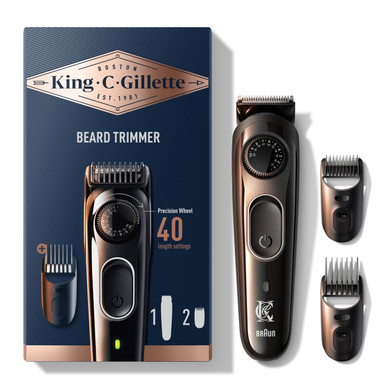
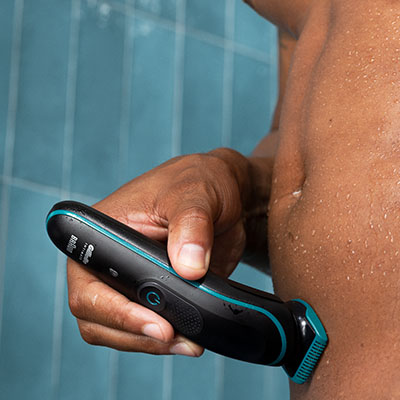
Yes. Trimming reduces the risk of ingrown hairs and puts less stress on sensitive skin. It's often a better option for men who experience frequent razor bumps.
-
What underwear is best right after shaving?
Loose-fitting, breathable underwear made from cotton or moisture-wicking fabric is ideal. It reduces friction, allows airflow, and helps prevent irritation and chafing.
-
How often should you shave your pubic area to avoid irritation?
There's no fixed schedule that works for everyone. Many men experience less irritation by shaving less frequently or alternating between shaving and trimming.
-
How do you shave down there without getting bumps?
Soften hair with warm water, exfoliate gently, and shave with the grain using light pressure. Avoid repeated passes over the same area to reduce irritation.
-
How do you avoid pimples after shaving pubic hair?
Use sharp, clean blades and avoid shaving too closely. Gentle exfoliation and pausing shaving if bumps appear help prevent clogged pores and inflammation.
-
What should you apply after shaving pubic hair?
Apply a gentle, alcohol-free moisturizer to calm and hydrate the skin. If friction is expected, add an anti-chafing product for extra protection.
-
How do you prevent razor bumps on the pubic area?
Shave with the grain, exfoliate 2–3 times per week, and avoid overly close shaves. Letting skin recover between shaves also helps reduce bumps.
-
Why does it hurt after shaving pubic hair?
Pain usually comes from razor burn, ingrown hairs, or friction on freshly shaved skin. Improper prep, dull blades, or tight clothing can make discomfort worse.
Was this article helpful?

