














Introduction
TL;DR / Quick Answer —How Should You Shave Your Face?
For a smooth, irritation-free shave, follow these essentials:
- Hydrate with warm water or a shower to soften hair.
- Apply shave gel generously for protection and glide.
- Use a fresh blade and shave with the grain in short, light strokes.
- Finish with a cool rinse and an alcohol-free aftershave or moisturizer to calm and hydrate skin.
Why Does Shaving Right Matter?
Proper shaving prevents irritation, razor burn, and ingrown hairs while ensuring a smooth, comfortable finish. Hydration softens hair for cleaner cuts; protective lather reduces friction; light strokes and frequent rinsing minimize drag; and a cool, alcohol‑free finish calms skin and helps restore moisture for a healthy barrier.
What Tools Do You Need for a Perfect Shave?
Gather these essentials so your shave is comfortable and efficient:
- Warm water and clean towel – Softens facial hair for easier cutting and reduced tugging.
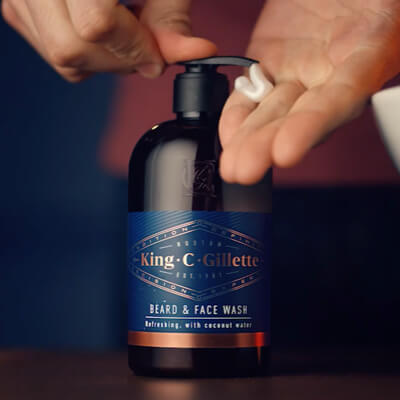
- Gentle face cleanser – Removes oil and debris so your shave gel can protect skin and blades glide smoothly.
- Shave gel, foam, or shaving cream – Provides essential cushion and lubrication for a smooth shave. Shaving cream for men or gel for sensitive skin ensure maximum comfort and control for the best face-shaving experience.
Which Shaving Razors Should You Use?
Choose the razor that fits your skin type, shaving goals, and comfort level.
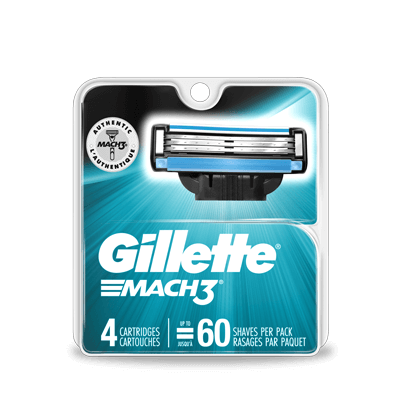
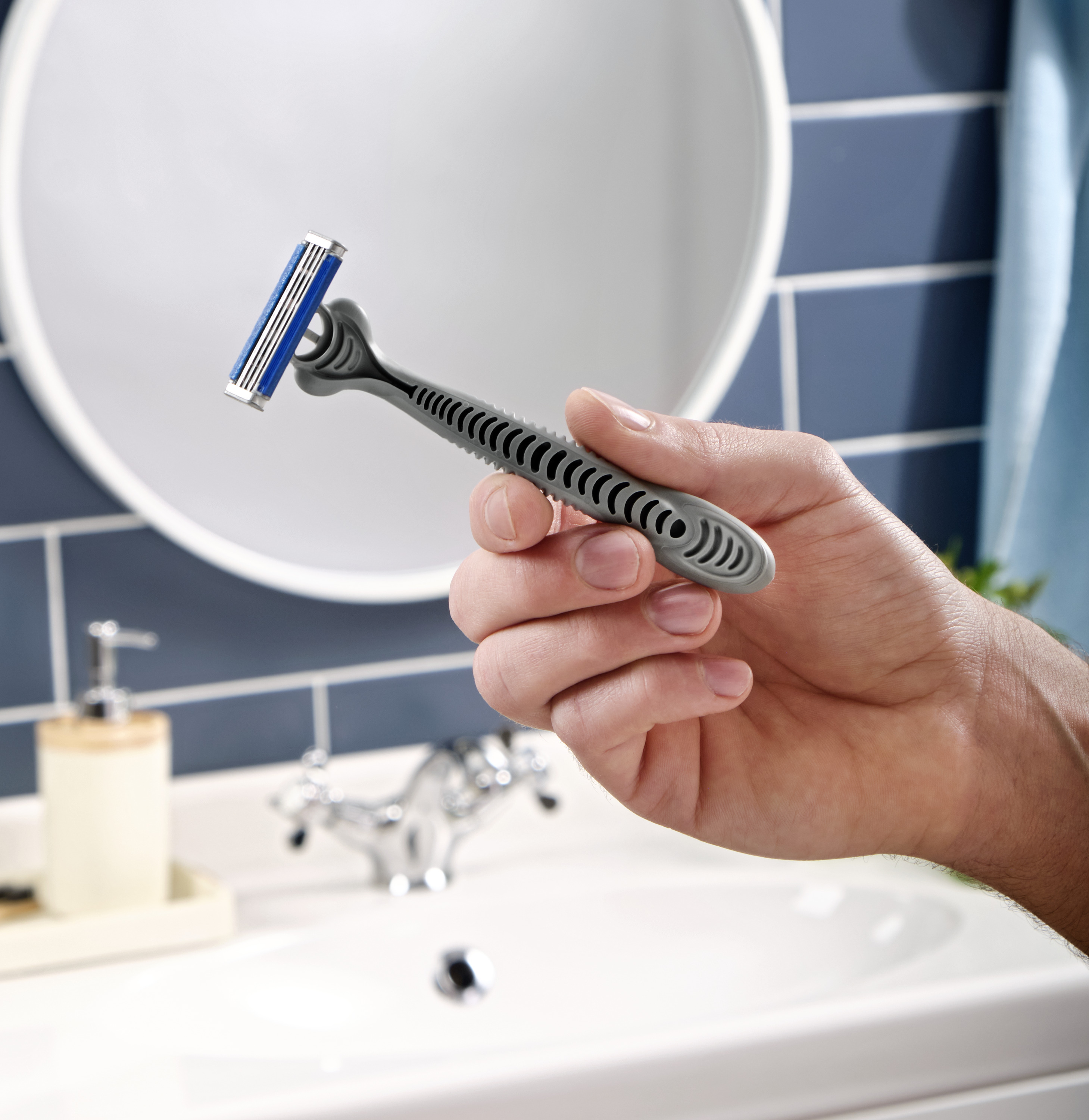
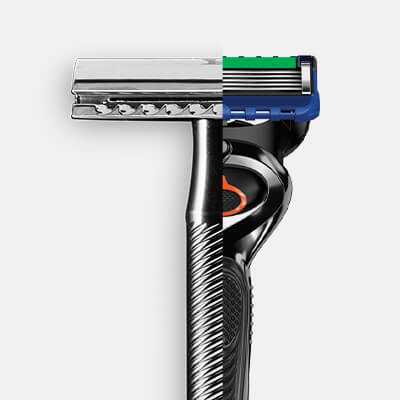
- Cartridge Razors – Convenient and easy to use, with multiple blades and a rear precision trimmer for shaping edges.
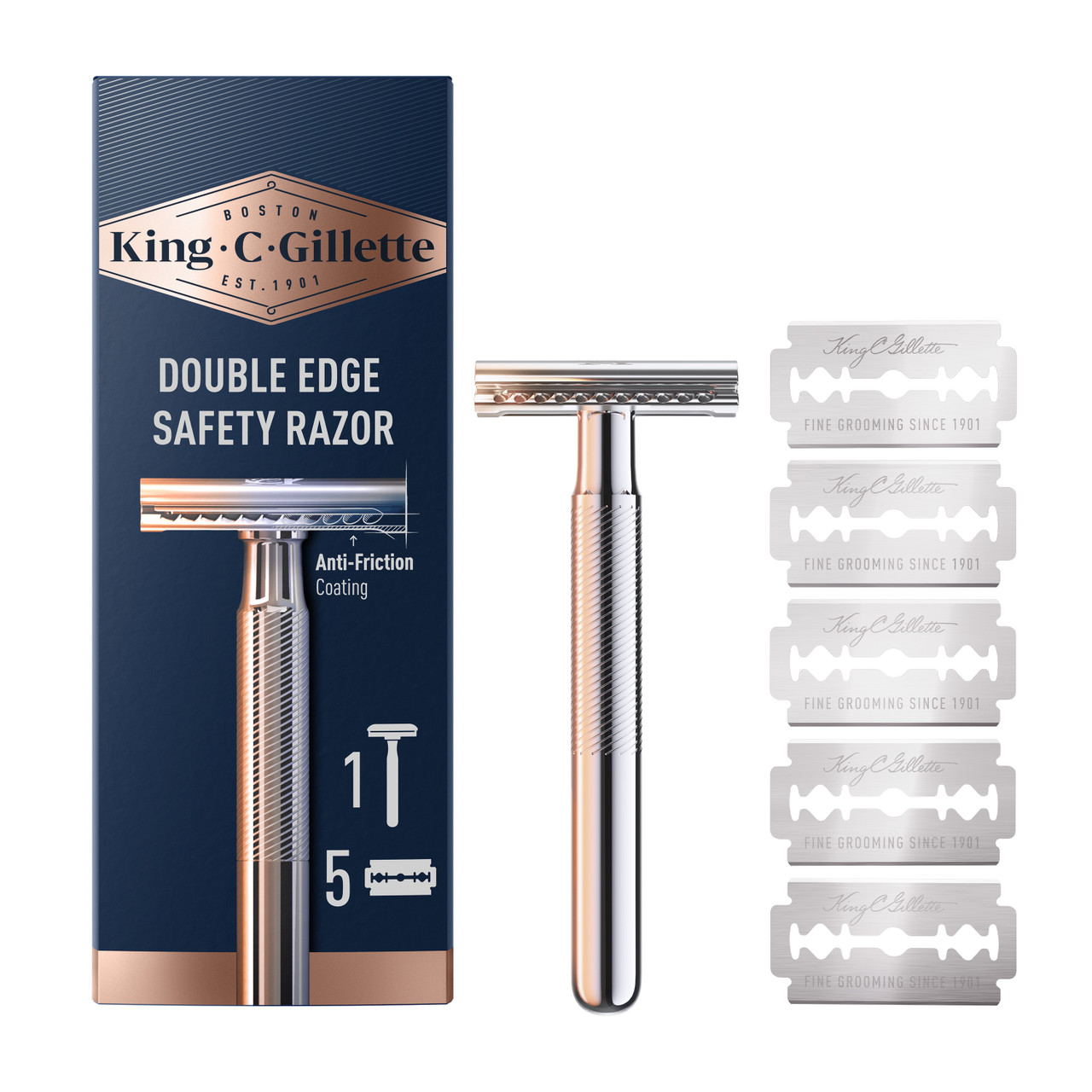
- Safety Razors – Ideal for ultra-close, precise shaves with mindful technique and traditional feel.
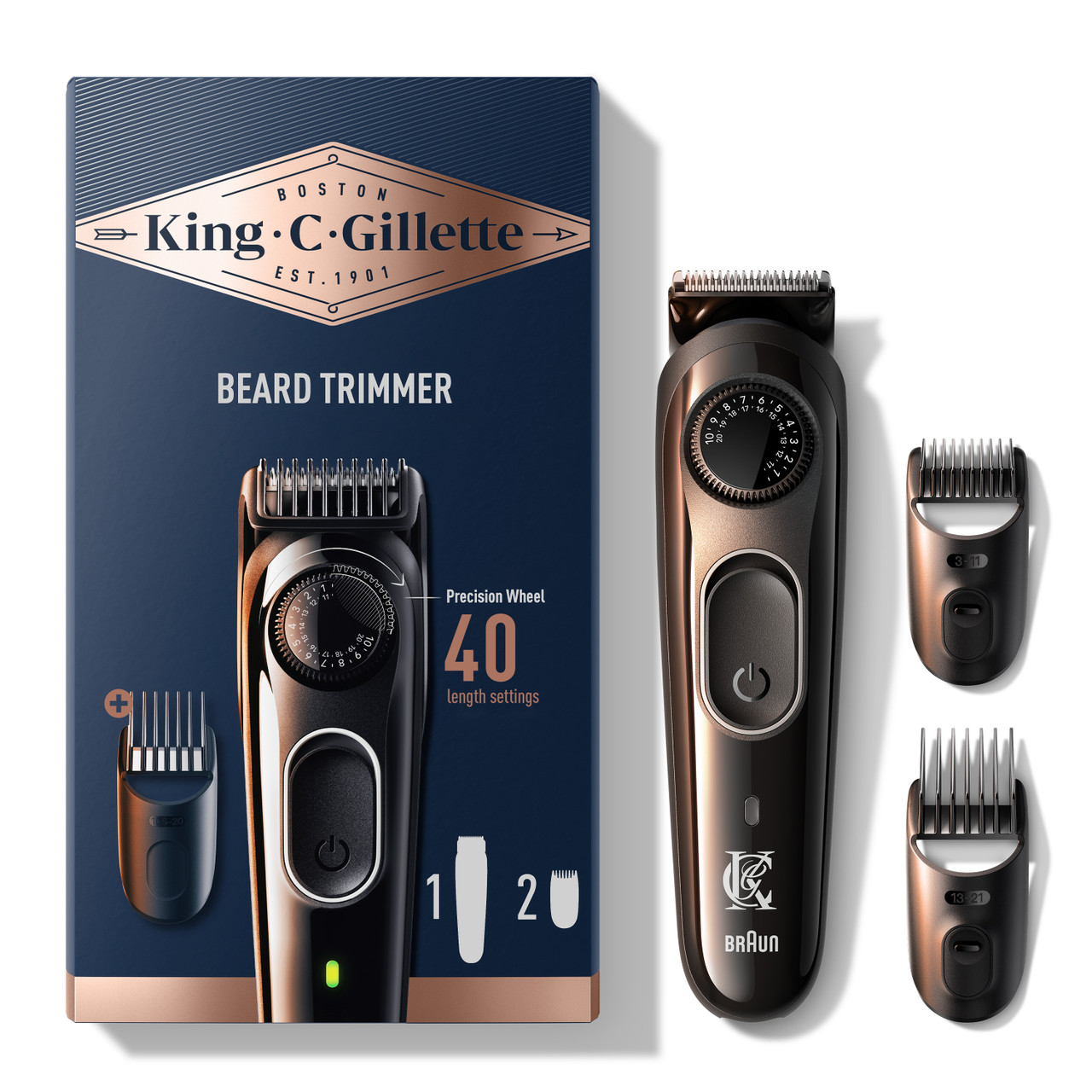
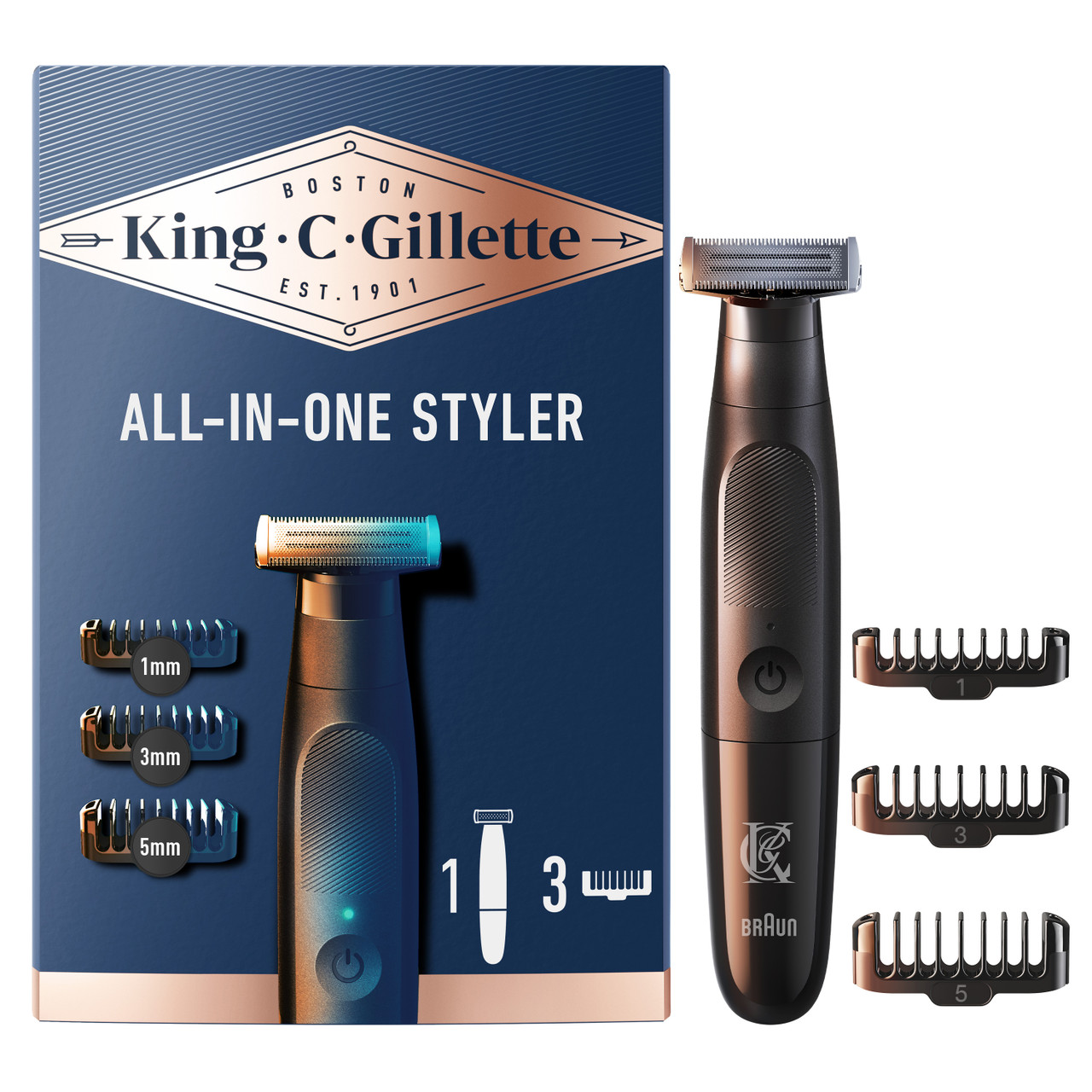
- Electric Razors (Foil or Rotary) – Perfect for speed and convenience, especially in wet/dry models for versatile use.
Find The Perfect Razor Based on Your Priorities
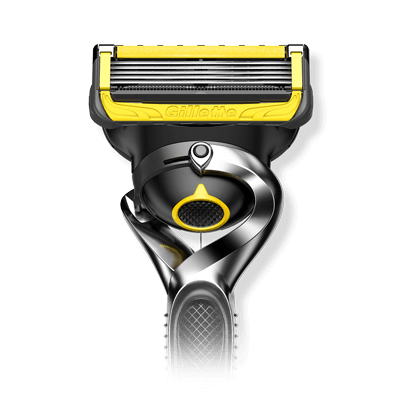
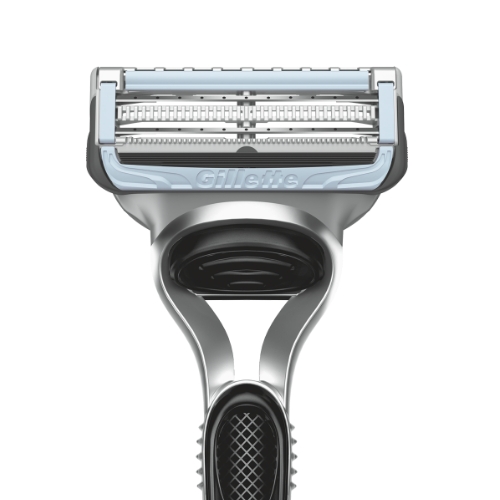
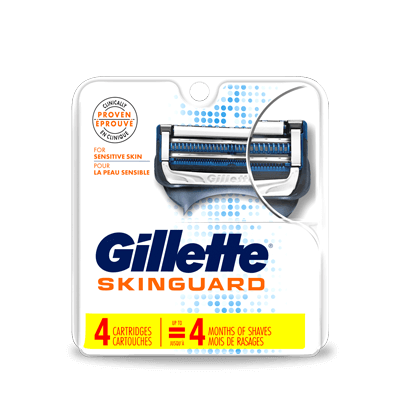
- If you have Sensitive Skin → Choose Gillette SkinGuard Razor for minimal irritation and maximum comfort.
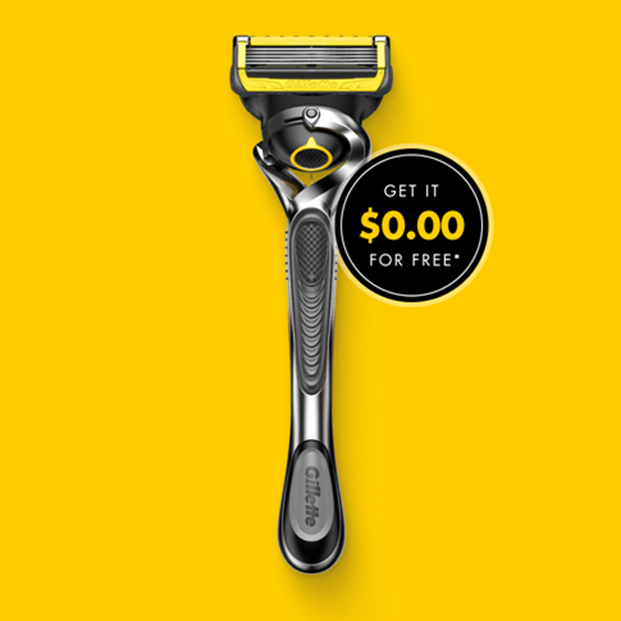
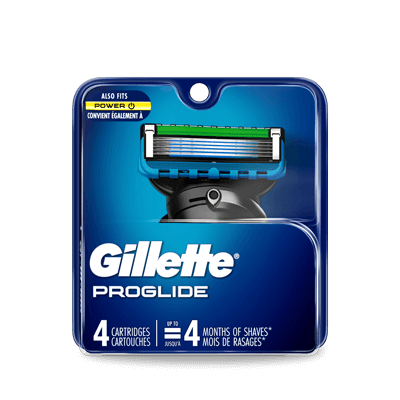
- If you want Smoothest, Close Finish → Choose Gillette ProGlide Shield Razor for an ultra-close, irritation-free shave.
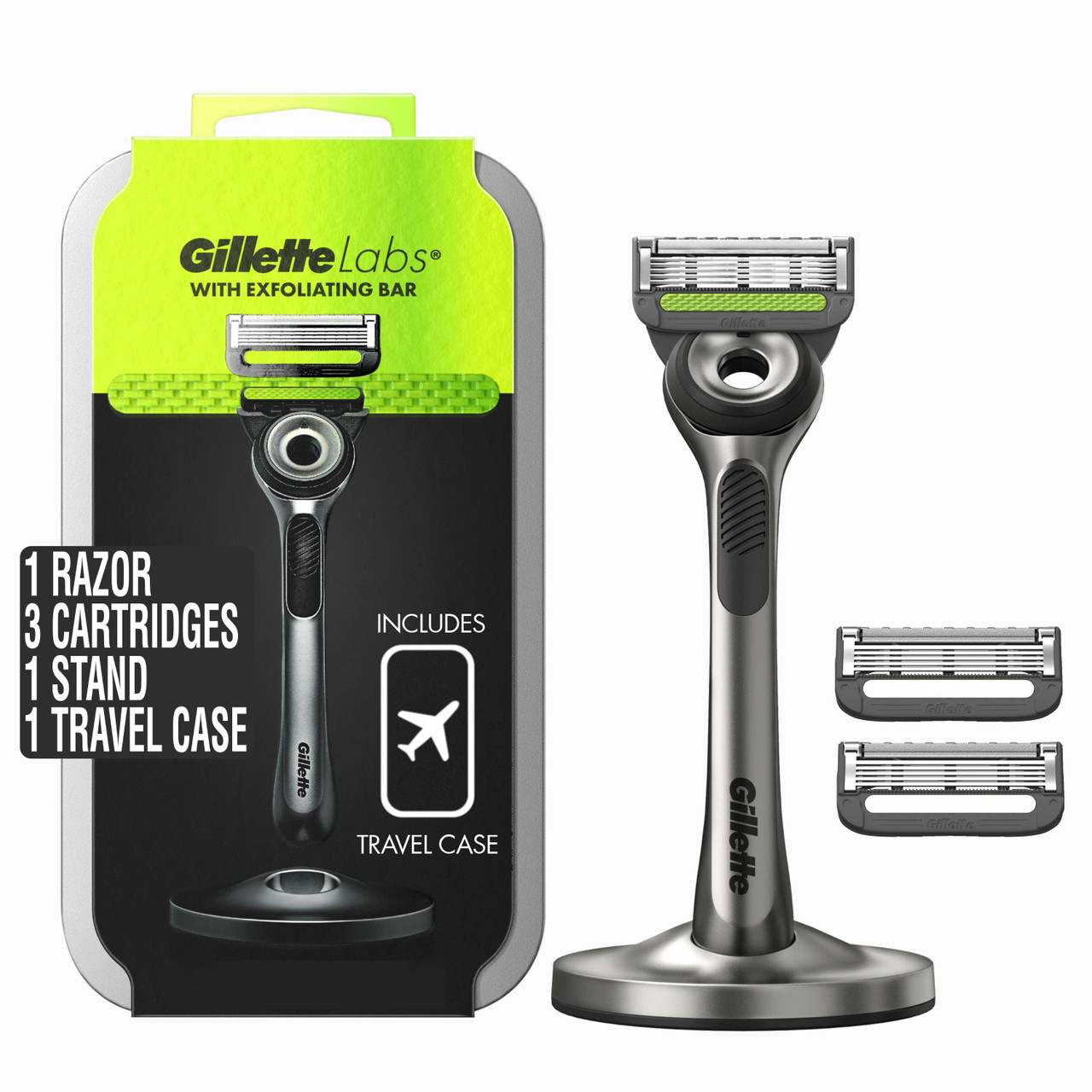
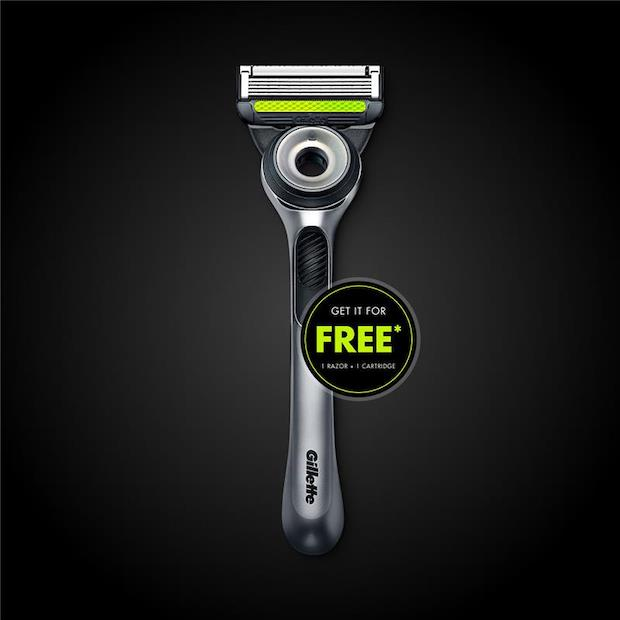
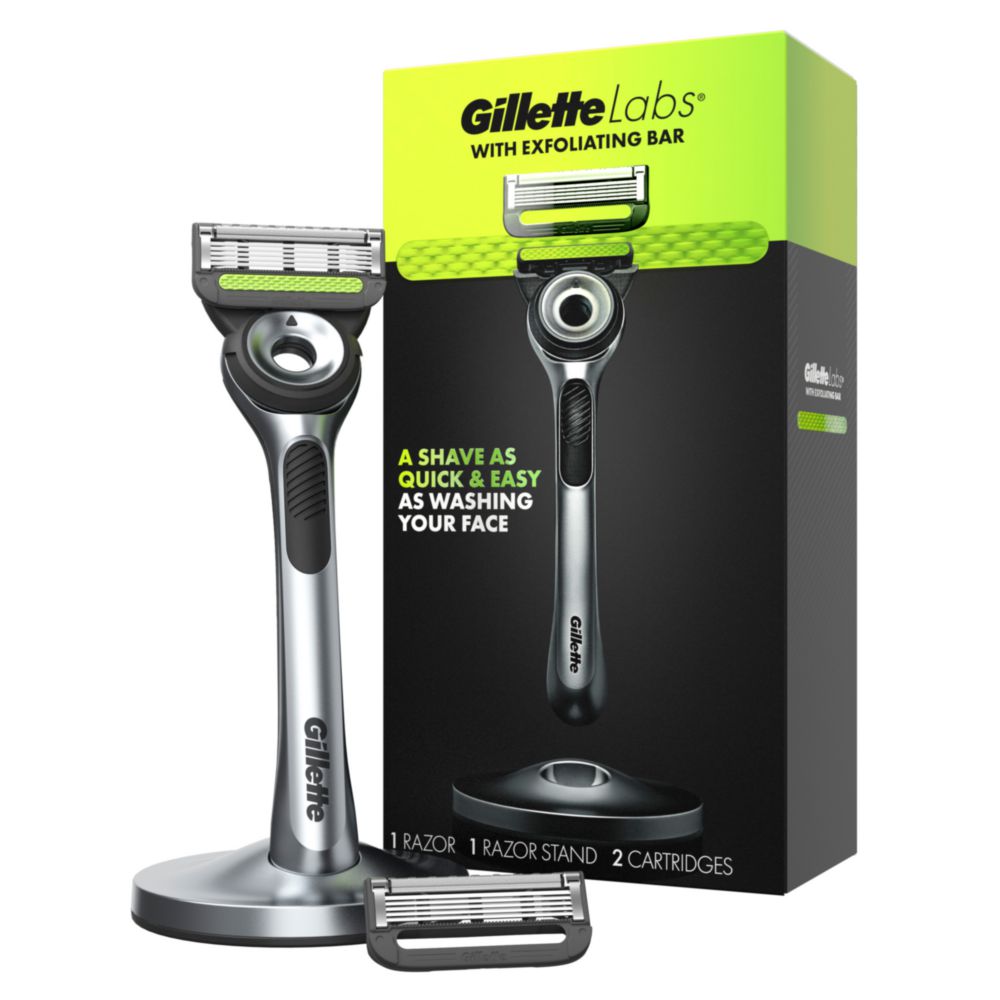
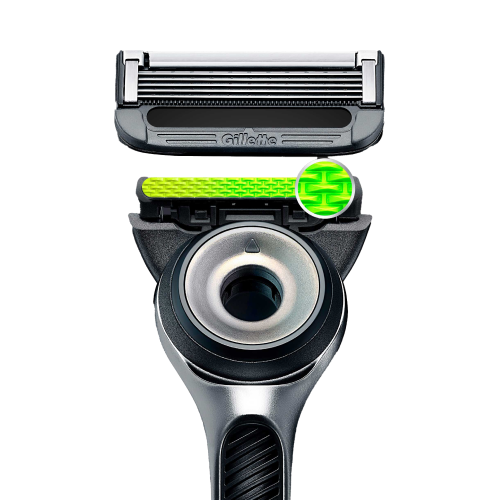
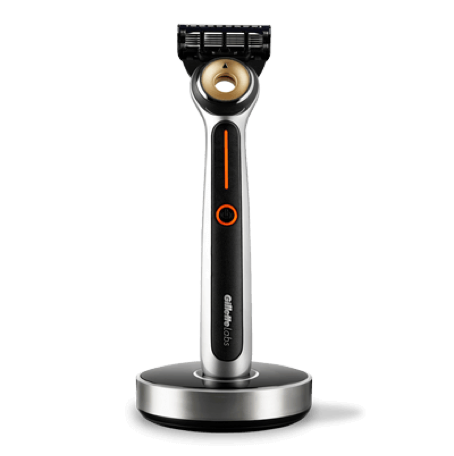
- If you are looking for Luxury Shave with Exfoliation → Choose GilletteLabs with Exfoliating Bar Razor for premium glide and built-in exfoliation.
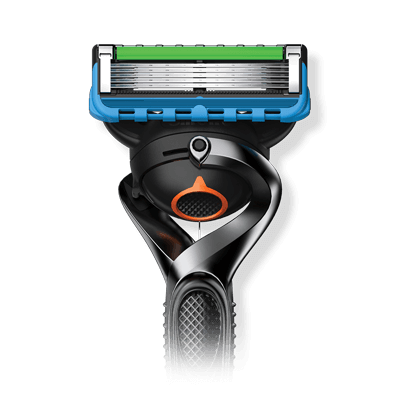
- According to Speed & Convenience → Choose an electric razor for quick trims & a manual razor like Gillette Fusion5 ProGlide for closest shave.
- If you need Precision Edges → Use the Precision Trimmer on the back of any Fusion cartridge for sideburns and moustache lines.
How To Shave Your Face Properly at Home - Step by Step Guide
A proper shave starts with the right prep, technique, and tools. Follow these steps for a smooth, comfortable shave every time.
Step 1
Hydrate your face
First, hydrate to help minimize nicks, cuts, and irritation while shaving. We recommend shaving immediately after showering—or even in the shower—when hair is fully softened. Proper hydration allows the razor to glide more easily across the skin. Use a face scrub or cleanser regularly to remove oil, dirt, and dead skin, preparing your skin for a more comfortable shave.
Why it matters: Warm water softens hair and reduces blade tug for a smoother, safer shave.
Pro Tip:
“Always wash your face before shaving—not after.”
Step 2
Apply Shaving Cream, Gel or Foam
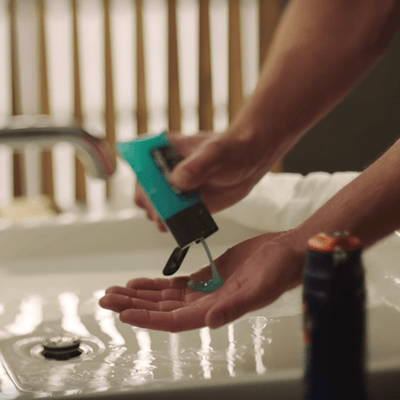
Apply a shave gel or foam and lather it up. Spread evenly to hydrate hair, improve razor glide, and protect against irritation. Shaving cream for men and shaving gel for sensitive skin are ideal for comfort. Learn more here about why you need shaving cream, and the differences between shave gels and foams.
Why it matters: Lubrication removes surface debris and improves glide to prevent irritation.
Step 3
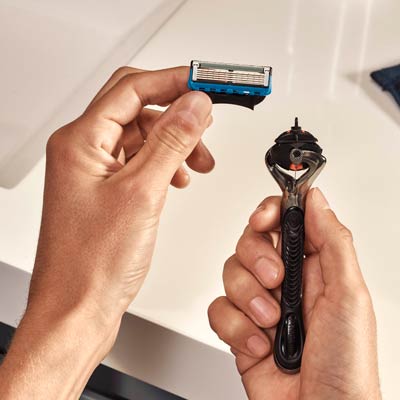
Check for Dull Blades
Check the lubrication strips; if they look faded or worn, or if the blades feel dull while shaving, it may be time for a new cartridge.
Signs it’s time to replace your blade:
- Tugging or pulling during strokes
- Increased redness or irritation
- Dull‑looking or worn lubrication strips
Why it matters: Fresh blades avoid pulling and minimize irritation from dull edges.
Step 4
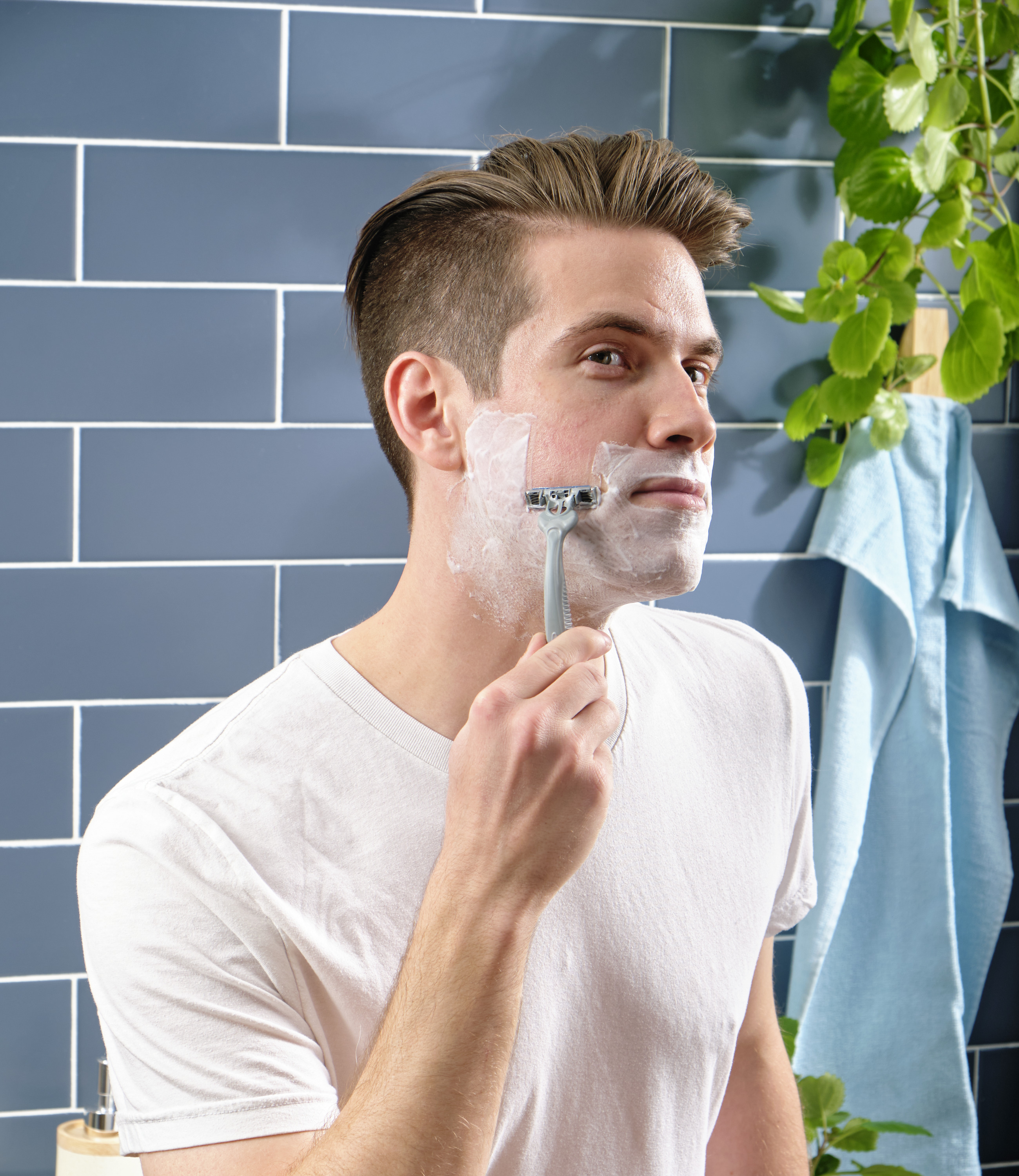
Shave With Light, Gentle Strokes
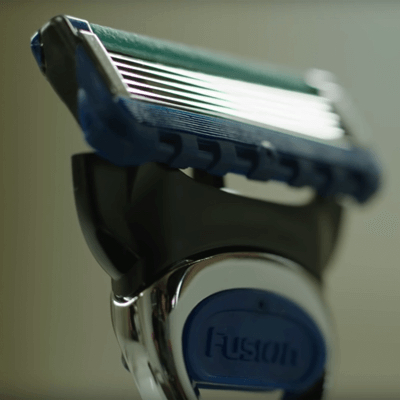
Use light, gentle strokes, letting your razor do the work — the Gillette Fusion5 ProGlide Shield has a pivoting Flexball that adapts to the contours of your face.
Why it matters: Shaving with the grain reduces the risk of razor bumps and ingrown hair.
Step 5
Rinse Your Blade Often
Rinse your blades often. Remember, don’t shave without shaving cream or over-shave the same spot, as this can cause irritation. Tapping your razor against the sink can seriously damage the precisely engineered parts of your razor.
Why it matters: Clearing buildup keeps the blade cutting efficiently and reduces drag on skin.
Step 6
Re-lather and Shave With or Against the Grain
So, with or against the grain? The answer is both. Facial hair grows in many directions, so you’ll shave both with and against the grain at different times in your routine. Shave in the direction that feels most comfortable. An advanced multi-blade razor like ProGlide Shield will help you get a comfortable shave even against the grain.
Why it matters: A controlled second pass improves closeness while maintaining comfort.
Step 7
Finish Upper Lip and Chin Last
Leave the lather on these areas a little longer to give stubborn whiskers extra time to soften. This helps the razor glide smoothly and ensures a cleaner, more comfortable cut on the toughest hair zones.
Why it matters: Extra softening time makes coarse whiskers easier to cut cleanly.
Step 8
Edge with Precision Trimmer
Use the Precision Trimmer on the back of any Fusion5 razor to get those hard-to-reach places like under your nose and to define your sideburns.
Why it matters: A precision trimmer creates sharp, clean lines around detailed areas.
Step 9
Apply Moisturizer or Aftershave
Wash your face with cool water and pat it dry. Rub in a hydrating aftershave lotion to help your skin feel soft and comfortable.
Why it matters: Hydrating the skin after shaving calms irritation and supports barrier recovery.
Pro Tip:
“Keep strokes short and pressure light—let the pivoting head track your contours.”
What Mistakes Should You Avoid While Shaving Your Face?
- Never dry shave – skipping hydration and lather can cause severe irritation and razor burn.
- Don’t press hard – let the razor glide with short, controlled strokes to avoid cuts and bumps.
- Avoid tapping blades on the sink – rinse thoroughly under running water to maintain blade sharpness and hygiene.
- Don’t shave over acne or open cuts – work around these areas to prevent infection and worsening irritation.
How to Care for Different Skin & Beard Types Before You Shave Your Face?
Your skin type determines how you prepare and protect your face for a smooth, irritation-free shave. Matching the right products and technique to your skin and beard hair makes all the difference.
Care According to Skin Types:
- Men with Normal Skin Type — Most routines work well; keep passes minimal for comfort and finish with a light balm.
- Men with Oily Skin Type — Cleanse thoroughly; choose noncomedogenic gels or balms to avoid clogged pores.
- Men with Dry Skin — Use moisturizing gel or foam and finish with a nourishing balm; consider layering a lightweight moisturizer post-shave.
- Men with Sensitive Skin — Use low fragrance gel, lukewarm water, and limit passes; always finish with an alcohol-free balm.
- Men with Combination Skin Type — Treat oily zones (Tzone) with lightweight products and hydrate drier areas more.
Care for Different Beard Hair Types:
- Men with Coarse Beard Hair — This hair type needs extra hydration (warm shower or towel for 3+ minutes) and a high glide gel to minimize pulling. Sharp blades are essential for clean cuts, as explained in Gillette’s guide to shaving a course or tough beard.
- Men with Fine Beard Hair — Fine hair is easier to shave but still requires protective lather and a fresh blade to avoid micro nicks and dryness.
Post-Shave Care: Lock in Comfort and Protect Your Skin
Rinse your face with cool water to soothe the skin and help close pores. Gently pat (don’t rub) dry to avoid friction. Apply an alcohol-free aftershave balm or moisturizer to calm redness and restore hydration. If your skin is dry or sensitive, layer a lightweight moisturizer over the balm for extra comfort.
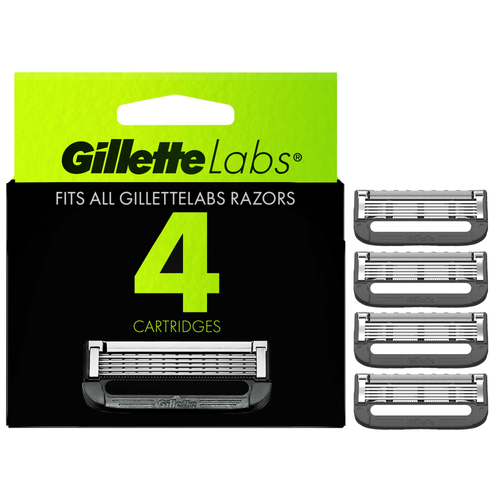
Finally, rinse your razor thoroughly, shake off excess water, and store it upright in a dry spot to prevent bacteria buildup and help blades stay sharper longer. Shop GilletteLabs Blade Refills and keep cartridges fresh.
How do You Prevent Razor Burn, Irritation & Ingrown Hairs?
Ingrown hairs occur when freshly cut hair curls back into the skin instead of growing outward—ingrown hairs are more common with coarse or curly beards. Proper exfoliation, light pressure, and shaving with the grain help prevent this.
Start with a hydrating shave gel or cream to soften hair and reduce friction. Shave with light strokes in the direction of hair growth, rinsing the blade often. Exfoliate 1-3 times weekly to remove dead skin blocking hair follicles. Avoid going over the same spot without lather and replace dull blades promptly.
After shaving, apply an alcohol-free aftershave balm to calm and hydrate skin. Keep your razor clean and stored upright for hygiene. For more information on causes and solutions, see our detailed guide on Razor Burn and Irritation.
What Are the Best Shaving Tips for Teen Boys to Ensure a Safe and Comfortable Shave?

Keep It Simple and Gentle:
- Begin with lukewarm water to soften your hair and open pores, then cleanse your face gently.
- Apply a low-fragrance shaving gel for maximum glide and skin protection—Gillette SkinGuard Essentials Bundle is a great choice for sensitive teenage skin.
- Start with a single pass with the grain for your first few shaves and avoid chasing closeness. If needed, re-lather and make a light pass across the grain only if your skin feels comfortable.
- Use a sensitive skin cartridge or a wet/dry electric razor for a gentle start and always finish with an alcohol-free balm to calm and hydrate.
- If you are looking for a premium option that combines comfort and advanced technology, the Gillette Labs Starter Kit is a great choice to begin your shaving journey.
Pro Tip:
“Go Slow – short, gentle strokes reduce nicks & bumps.”
FAQs About Shaving Your Face
-
Should I exfoliate before shaving my face?

Gentle exfoliation helps remove dead skin and reduce drag. Avoid harsh scrubs, especially if you have sensitive skin.
-
Should I shave up or down my face?

Start with the grain (hair growth direction). For extra closeness, re-lather and go across or against the grain only if your skin tolerates it.
-
What’s the best shaving cream for sensitive skin?
For sensitive skin, choose a shaving gel that is gentle, alcohol-free, and fragrance light. GilletteLabs Rapid Foaming Shave Gel, is a top pick for a soothing shave.
-
Does hot water or cold-water work best for shaving?
Warm water softens hair and prepares skin. Cool water after shaving helps soothe and close pores.
-
How often should I change blades?
Replace blades every 5–7 shaves or when you feel tugging or see faded lubrication strips.
-
How often should I shave my face?
Shave daily for a clean-shaven look, every 2–3 days for most skin types, and less often if you're prone to irritation or ingrown hairs. Let your skin guide the frequency.
-
When is the best time to shave my face?
Right after a warm shower when hair is softest and skin is relaxed. Morning shaves give a fresh look; evening shaves are great for sensitive skin due to longer recovery time.
-
Can I shave daily without harming my skin?
Yes, if your skin tolerates it. Keep passes minimal and finish with an alcohol-free balm to maintain hydration.
-
Can I use an electric razor instead of a manual one?
Yes—electric razors are faster and gentler, though manual razors typically give a closer shave.
-
What should I do if I get razor burn after shaving?
Rinse with cool water, apply an alcohol-free soothing balm, and avoid reshaving irritated areas until healed.
Was this article helpful?

