














Introduction
TL;DR / Quick Answer: When Should You Change Your Razor Blades?
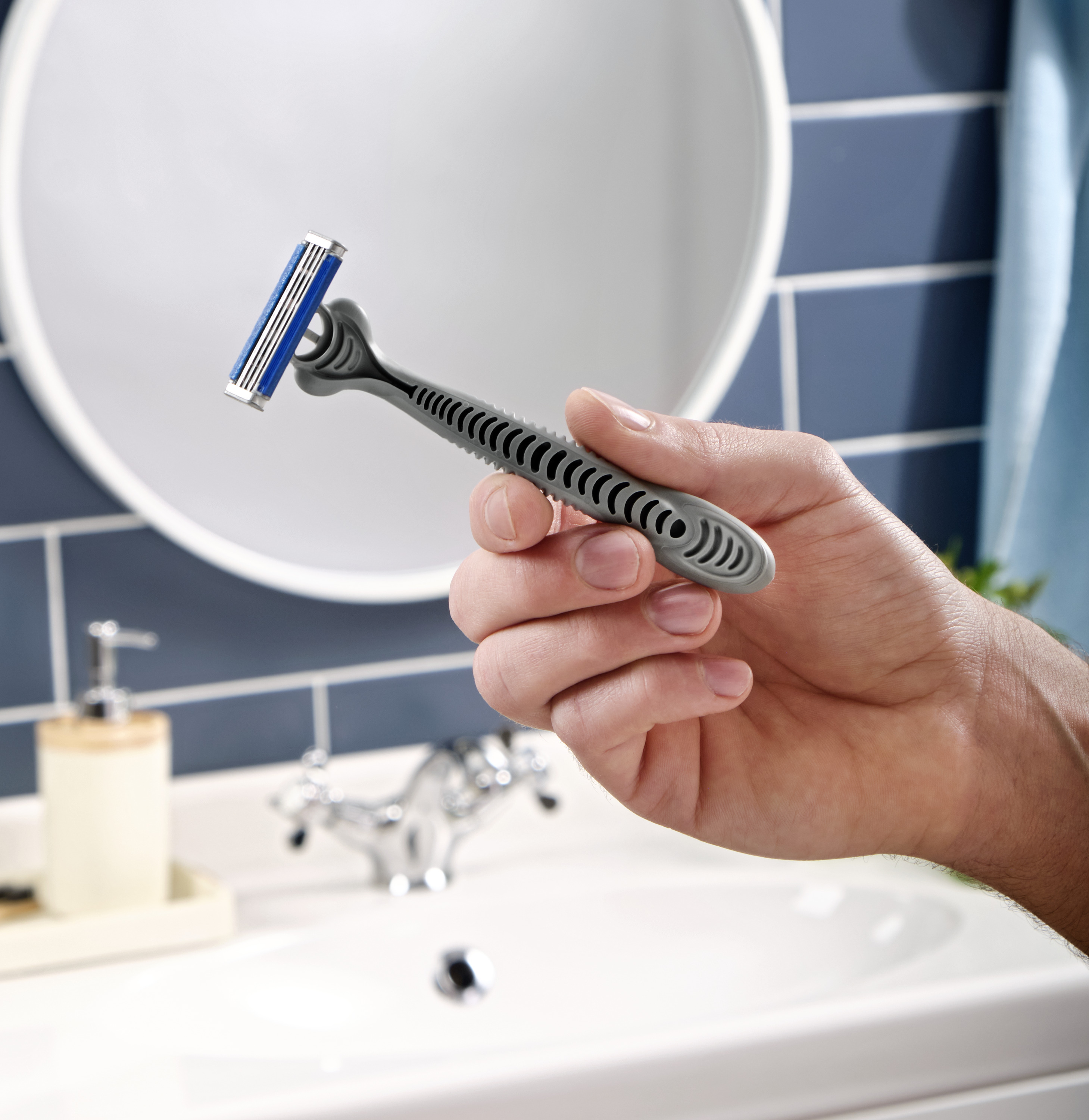
Razor blade lifespan matters more than most people realize. Using dull blades for too long is one of the most common causes of irritation, razor burn, and uneven shaves.
- Most people should change razor blades every 5–10 shaves
- Daily shavers typically need a new blade about once a week
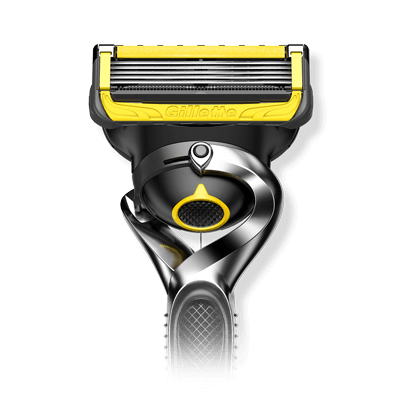
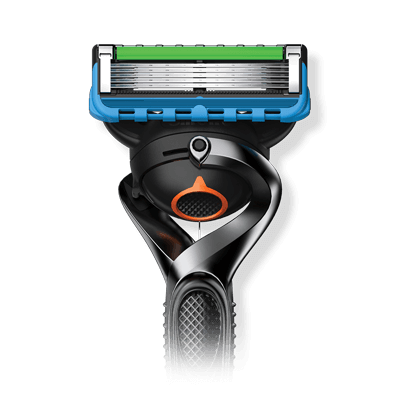
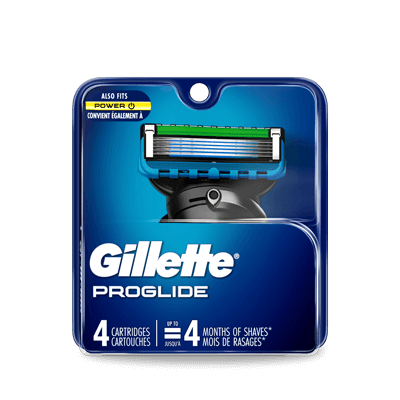
- 5-Blade Razors (such as our Fusion5 and ProGlide ranges) are recommended to be replaced after about 20 shaves
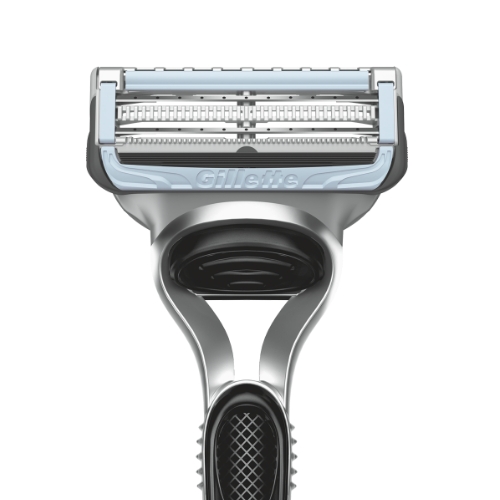
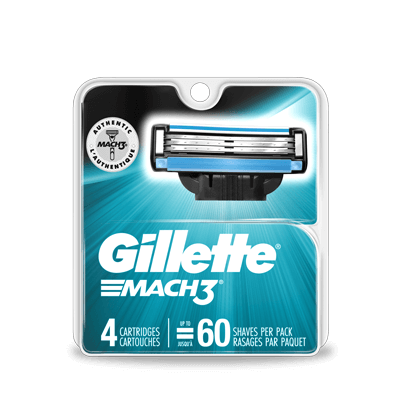
- 3-Blade Razors (such as our Mach3 range) recommended replacing the blades after around 15 shaves
- Replace your blade as soon as you notice dullness, tugging, irritation, or when the lubricating strip fades
- Dull blades increase irritation, razor burn, and nicks
- Proper blade care can extend blade life, but not indefinitely
How Often Should You Change Razor Blades?
While changing your razor blades every 15-20 shaves ensures you're experiencing the best shave, you may notice that your blades don't actually last that long.
- Shaving frequency: Daily shaving wears blades faster than shaving once or twice a week.
- Hair thickness and coarseness: Thicker or coarser hair dulls blades more quickly than fine hair.
- Skin sensitivity: Sensitive skin often requires sharper blades to avoid irritation, meaning more frequent changes.
- Blade care and storage: Proper rinsing and drying can extend blade life, while moisture and residue shorten it.
As a general guideline:
- Daily shavers → change blades about once a week
- Occasional shavers → change blades every 10–12 shaves
Signs It's Time to Replace Your Razor Blades
Your razor usually tells you when it's time for a new blade. Watch for these common signs:
- Blade feels rough or drags across the skin: This indicates dullness and increased friction.
- Tugging or pulling hair instead of cutting cleanly: A clear sign the blade edge has worn down.
- Increased razor burn, bumps, or redness: Dull blades require more pressure and passes, irritating the skin.
- Visible residue or clogging between blades: Built up debris reduces cutting efficiency and hygiene.
- Lubricating strip has faded or lost color: The strip is designed as a visual indicator of blade wear.
Pro Tip:
"If a blade starts tugging instead of gliding, it's already time to replace it."
What Tools Do You Need for a Clean, Comfortable Shave?
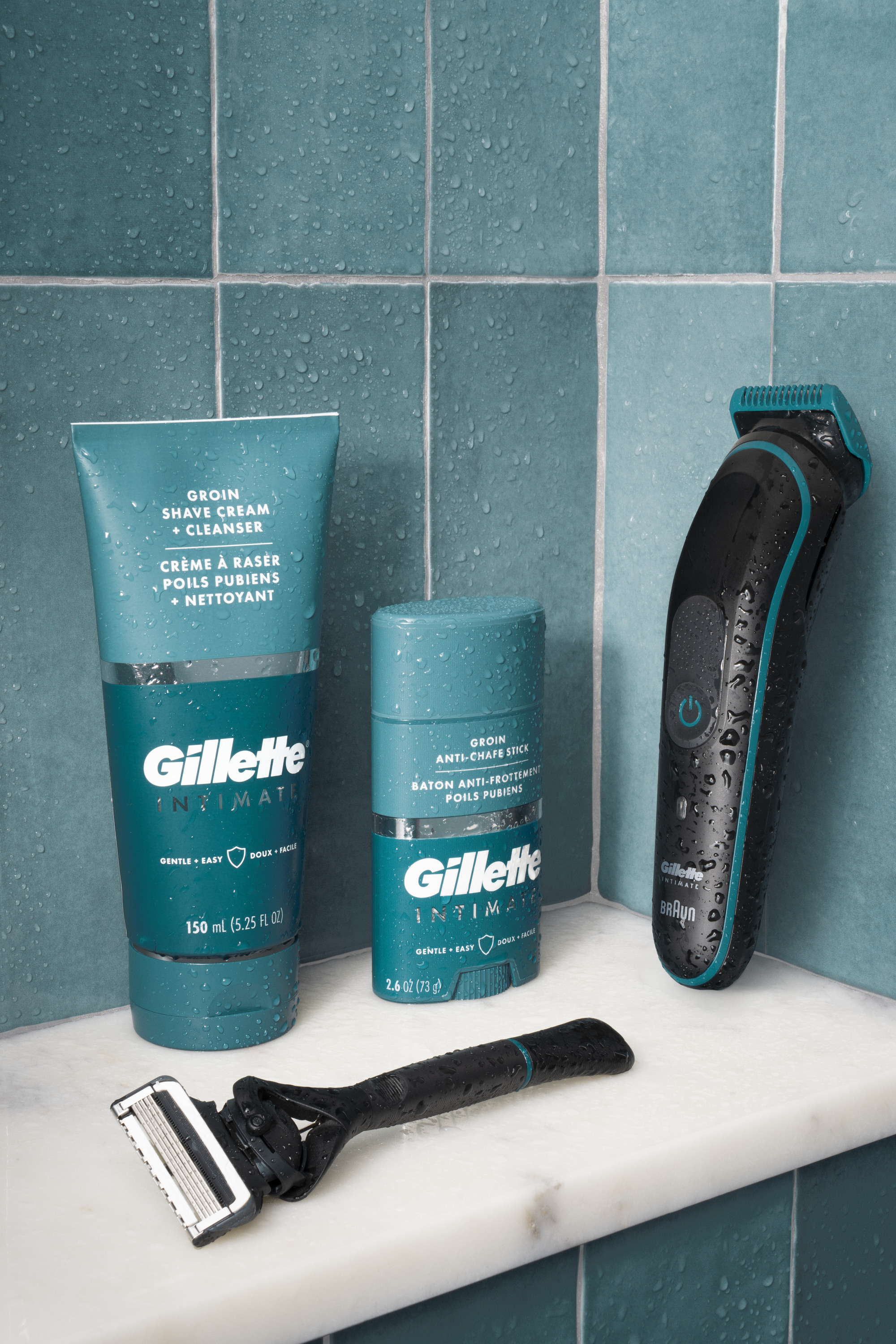
Keeping razor blades fresh delivers the best results when paired with the right shaving tools. A well-rounded setup supports smoother glide, better skin protection, and more consistent shave comfort.
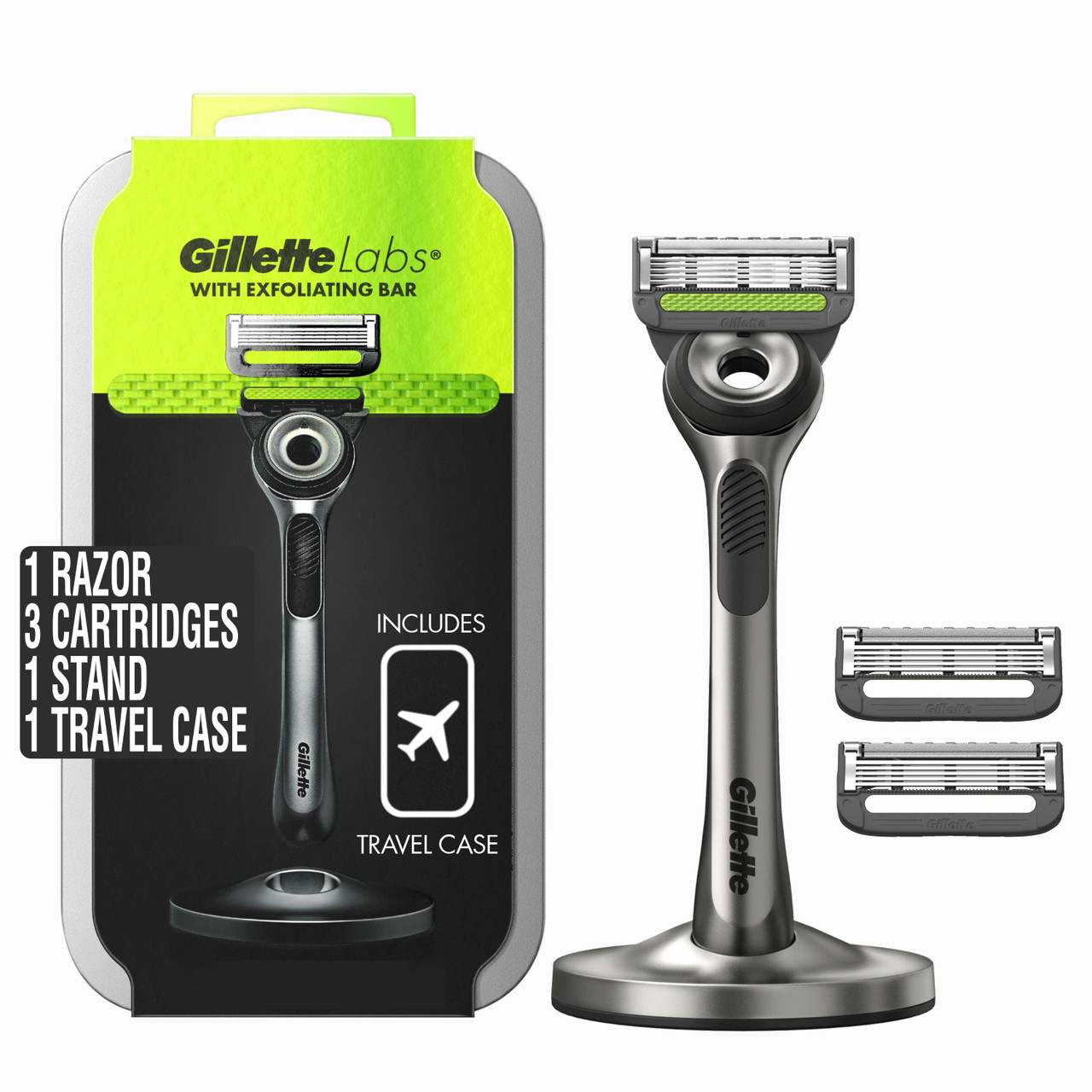
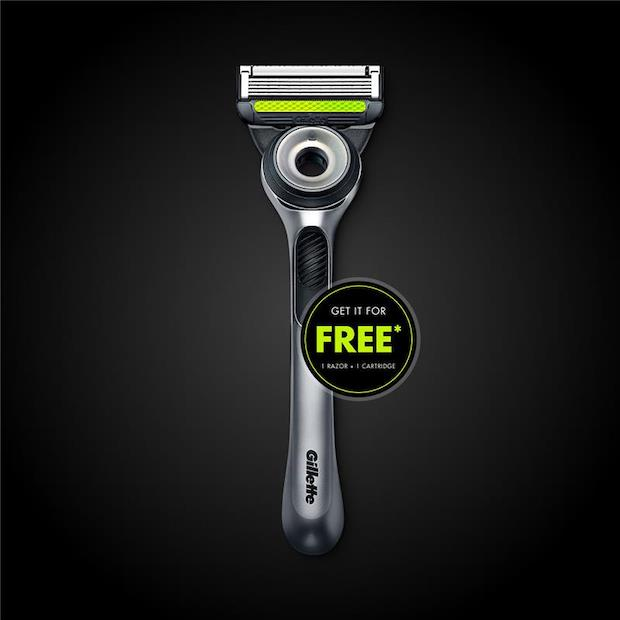
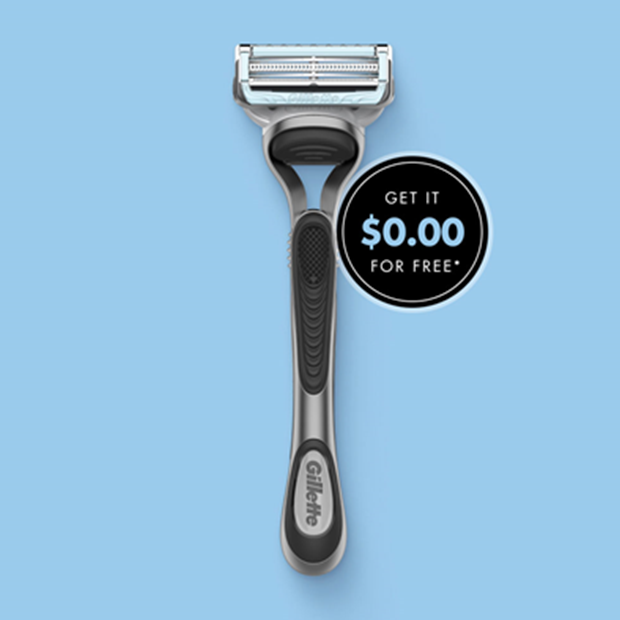
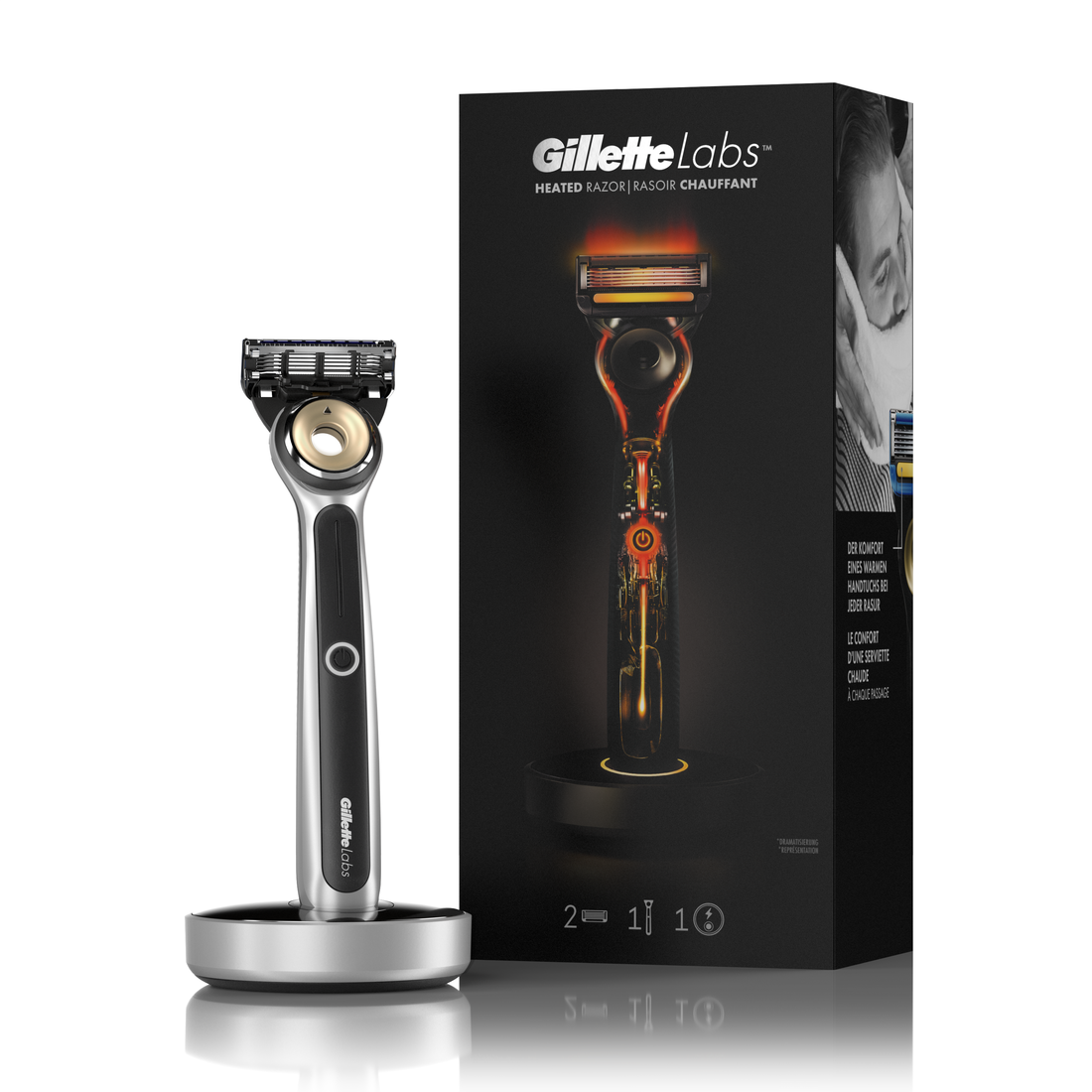
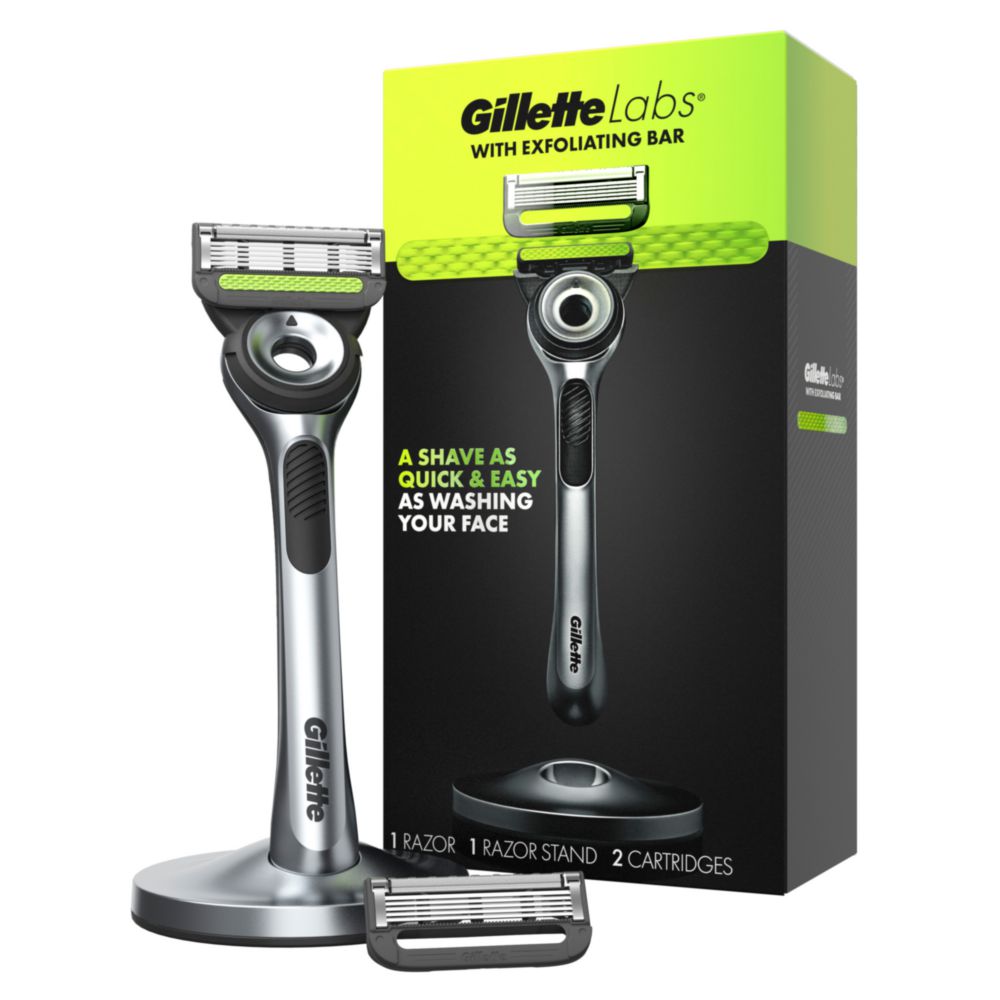
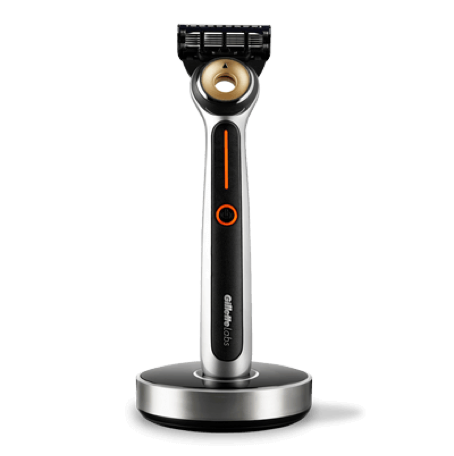
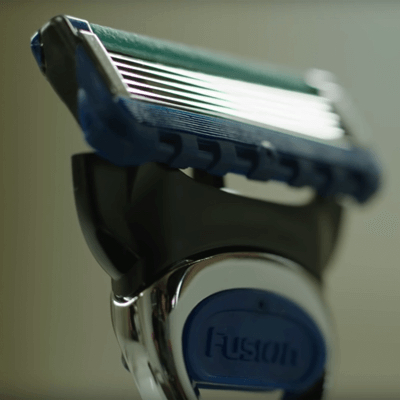
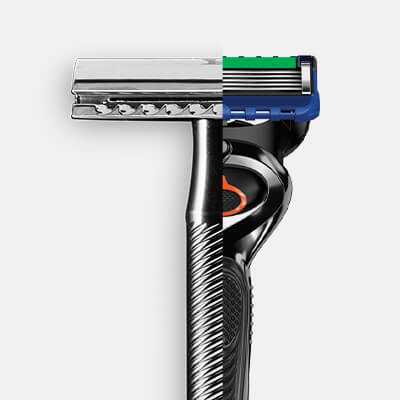
- Gillette razor handle (Fusion5, ProGlide, or Mach3) — Designed to work with replaceable cartridges for consistent blade alignment and control.
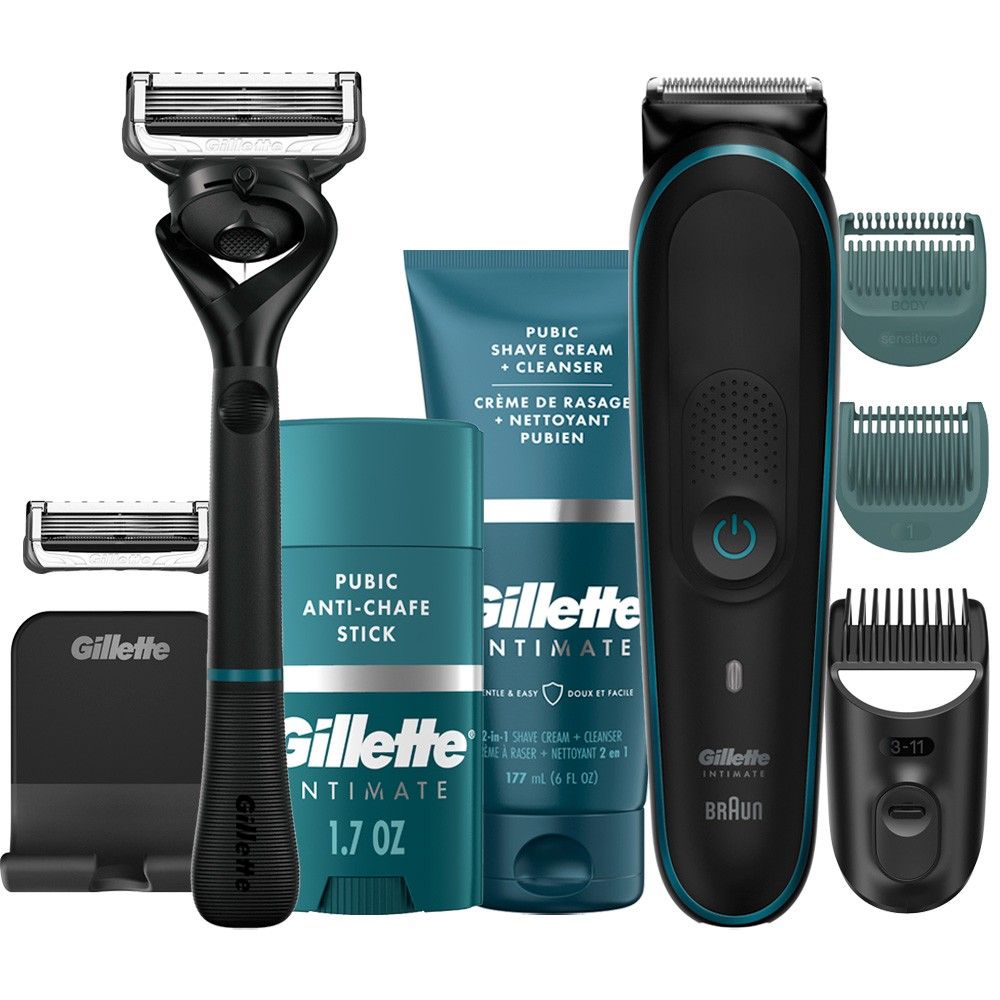
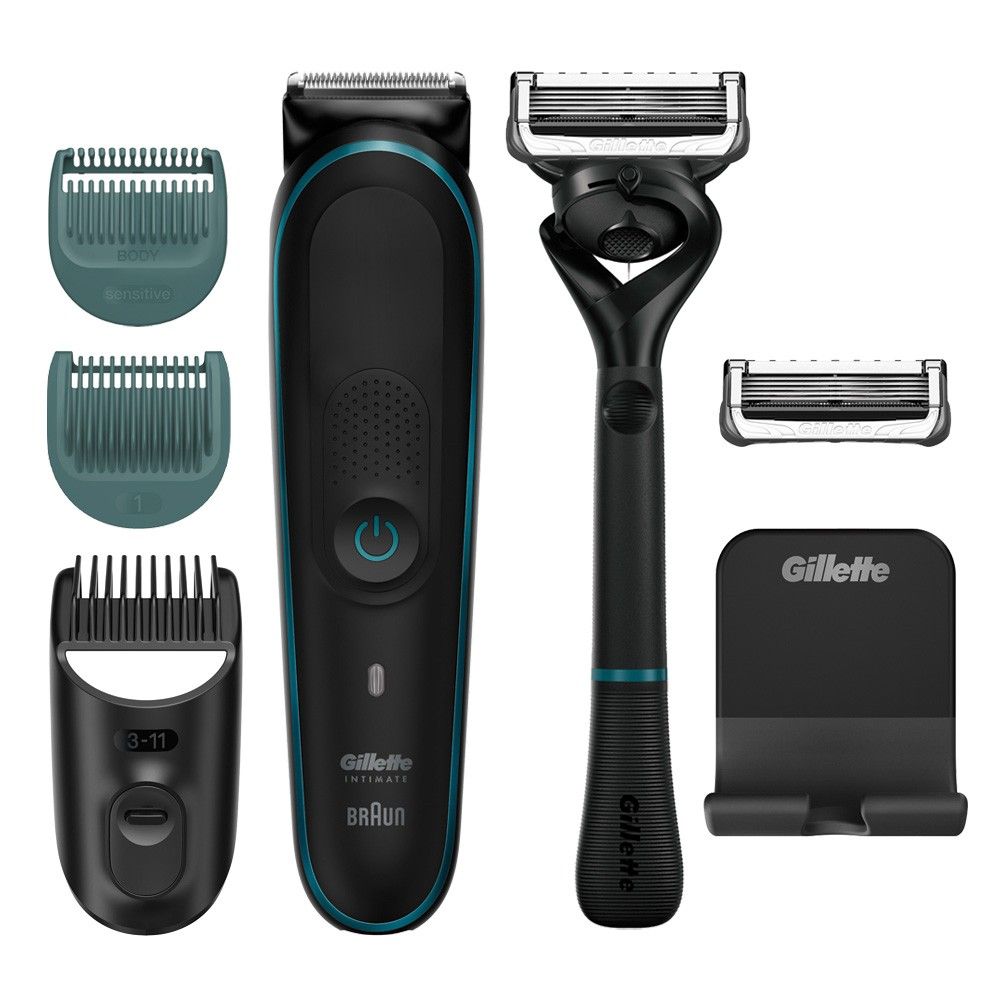
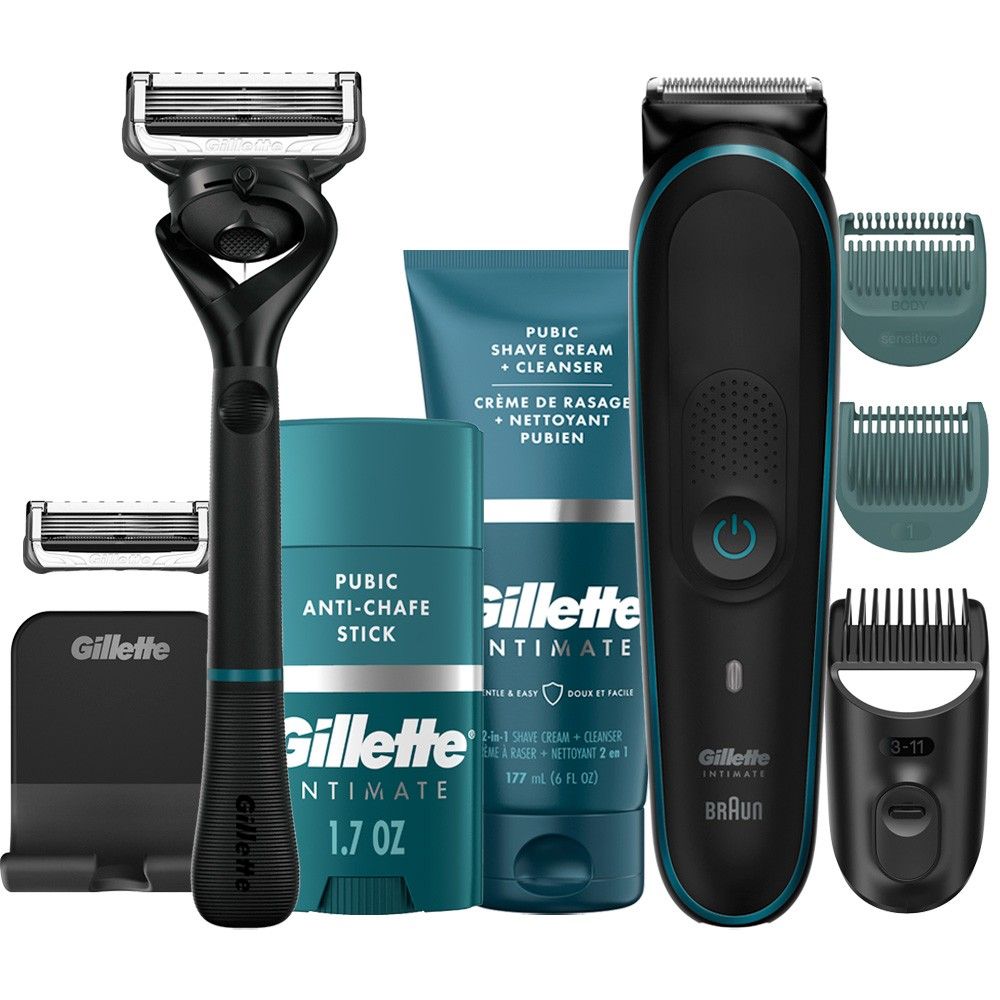
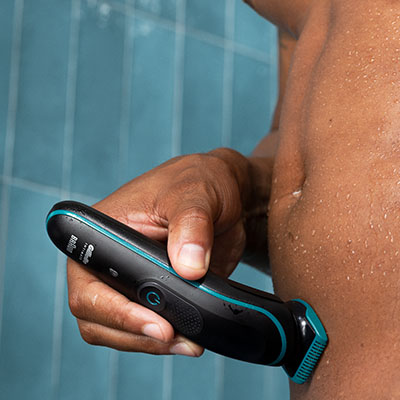
- For body and sensitive area shaving — A body specific razor like the GilletteLabs Body + Intimate Razor For Men with Magnetic Shower Hanger is designed to handle thicker, multidirectional hair while helping reduce irritation on sensitive skin.
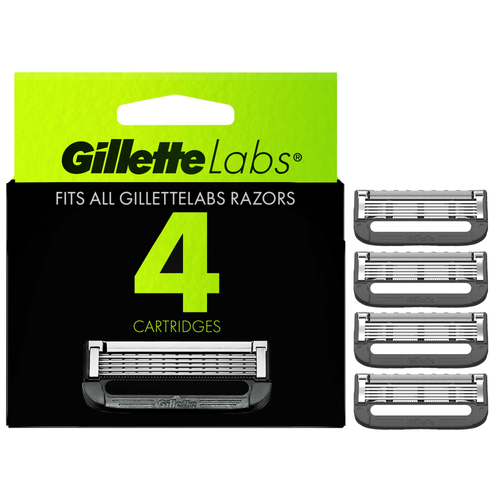
- Gillette replacement blade cartridges — Fresh blades ensure sharp cutting edges that reduce tugging and irritation.
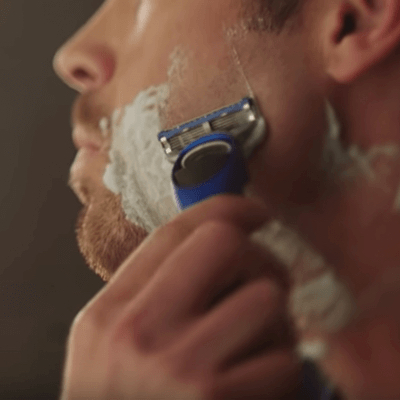
- Shave gel or foam like GilletteLabs Rapid Foaming Shave Gel — Provides essential lubrication to help blades glide smoothly and minimize friction.
- Warm water — Softens hair and prepares skin before shaving while helping rinse away buildup during and after.
- Alcohol-free aftershave or moisturizer — Soothes freshly shaved skin and restores moisture without stinging.
- Razor stand or dry storage area — Keeps blades upright and dry to help prevent rust and premature dulling.
A sharp blade paired with proper lubrication and storage works together to reduce friction, protect skin, and improve overall shave comfort.
How to Change Your Razor Blades: Step-by-Step Guide
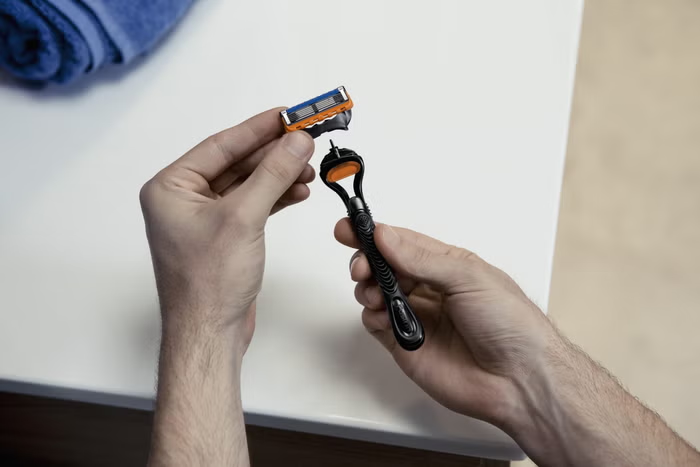
So, it's time to change your razor blades. How do you do it exactly? Replacing a razor blade only takes a few seconds when done correctly.
STEP 1
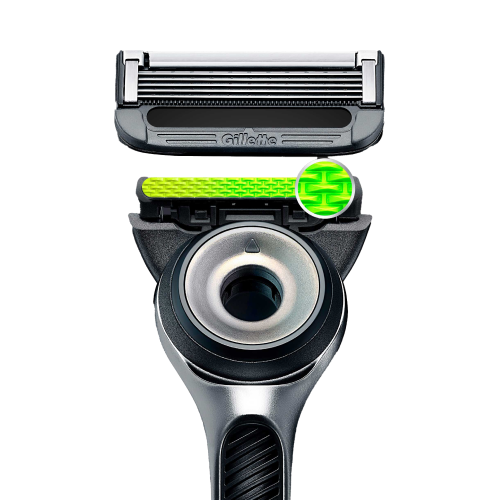
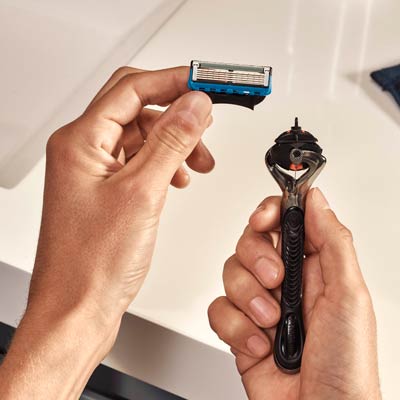
Release the old blade
Press the eject button or use the release mechanism on the handle to detach the old cartridge cleanly.
Why it matters: Ensures the blade comes off safely without forcing or bending the handle.
STEP 2
Remove the cartridge carefully
Hold the sides of the cartridge and lift it away without touching the blade edges.
Why it matters: Prevents accidental cuts and avoids damaging the blade housing.
STEP 3
Attach the new blade
Align the handle with the fresh cartridge and push until you hear or feel a firm click.
Why it matters: A proper click confirms the new cartridge is securely locked in place for a stable shave.
STEP 4
Check the blade alignment
Give the cartridge a gentle tug to confirm it's firmly attached and sitting straight.
Why it matters: Secure alignment prevents wobbling or uneven contact while shaving.
STEP 5
Dispose of the old blade safely
Place the used cartridge in a blade container, disposal slot, or a TerraCycle envelope if available.
Why it matters: Proper disposal prevents accidental cuts and keeps loose blades out of household waste.
What Mistakes Should You Avoid When Changing Razor Blades?
Small habits during blade use and storage can significantly shorten blade life and negatively affect shave quality. Many shavers continue using blades past their effective lifespan or overlook simple care steps, leading to discomfort, irritation, and inconsistent performance. Avoiding these common mistakes helps protect both your skin and your razor.
- Using blades far beyond their effective lifespan
Dull blades require more pressure and repeated passes, increasing the risk of razor burn and cuts. - Dry shaving with a manual razor
Skipping shave gel or foam increases friction, dulls blades faster, and compromises skin protection. - Storing razors in wet or humid environments
Leaving razors in the shower encourages moisture buildup, which can cause rust and premature blade wear. - Ignoring the faded lubricating strip
A worn or faded strip is a visual sign that the blade is nearing the end of its usable life.
These habits not only reduce blade longevity but also increase the chance of skin irritation and shave discomfort.
How to Make Your Razor Blades Last Longer?
While razor blades are designed to be replaced regularly, proper care can help maximize their usable life between changes. Simple post-shave habits can keep blades cleaner, sharper, and more comfortable for longer.
- Pat blades dry or allow them to air dry to prevent trapped moisture.
- Store the razor upright in a dry area using a stand or hanger.
- Always use shave gel or foam to reduce friction and blade clogging.
- Avoid tapping blades against hard surfaces, which can damage the edges.
- Do not share razors, as this accelerates wear and creates hygiene issues.
Consistent blade care supports smoother shaves and delays unnecessary blade replacement.
Pro Tip:
"Storing razors outside the shower helps prevent rust and keeps blades sharp longer."
Common Razor Blade Problems and How to Fix Them
Even with proper care, razor blades wear down over time. Catching the signs early helps avoid skin irritation and subpar shave results.
- If the blade drags: Replace the cartridge immediately to restore smooth cutting.
- If blades clog easily: Rinse more frequently under warm water to clear hair and residue buildup.
- If irritation increases: Switch to a fresh blade and shave with lighter pressure using proper lubrication.
- If rust appears: Stop using the blade right away and replace it—never shave with a rusted cartridge.
A dull blade is one of the most common causes of shaving discomfort.
Aftercare Tips for a Smooth Shave and Longer Blade Life
- Rinse your face with cool water after shaving: Cool water helps soothe freshly shaved skin, reduce redness, and remove any remaining shave product or hair residue.
- Apply a soothing, alcohol-free moisturizer: Alcohol-free formulas calm the skin without stinging and help restore moisture lost during shaving, improving comfort and recovery.
- Clean the razor thoroughly after use: Rinsing away hair, gel, and skin buildup prevents bacteria growth and keeps blades cutting efficiently for future shaves.
- Store blades in a dry place away from humidity: Keeping razors out of damp environments helps prevent rust and premature blade dullness.
Proper aftercare supports skin health while also extending blade life, helping you get smoother shaves and better performance from every cartridge.

How to Dispose Razor Blades Safely
Razor blades are sharp and not designed to be discarded loosely. Throwing used blades directly into household trash or recycling can lead to accidental cuts and injuries. Because razor blades are difficult to process through standard recycling systems, Gillette works with TerraCycle to offer a safer, more responsible disposal option.
This approach allows you to replace blades on time—without compromising skin comfort—while ensuring used blades are handled securely.
- Gillette partners with TerraCycle to provide a safe recycling solution for used razor blades.
- You can request a TerraCycle mailback envelope, which is delivered to your address.
- Each envelope is designed to hold up to 12 used razor blades securely.
- Used blades should never be placed loose in household trash or standard recycling bins.
- Until disposal, keep used blades stored safely away from children and pets.
Safe razor blade disposal helps prevent injuries and supports responsible recycling practices.
Conclusion: When in Doubt, Change the Blade
Changing your razor blades regularly is one of the simplest ways to improve your shaving experience. Sharp blades reduce irritation, deliver cleaner results, and protect your skin from unnecessary damage.
If your shave starts to feel uncomfortable, rough, or uneven, it's usually not your technique—it's time for a new blade.
FAQs on How Often Should You Change Your Razor Blades
-
How long does a Gillette Fusion5 blade last?

A Gillette Fusion5 blade can last up to about 20 shaves, depending on your hair thickness, shaving frequency, and blade care. Proper rinsing, drying, and using shave gel can help maintain comfort across those shaves.
-
How many shaves per Gillette ProGlide blade?

Gillette ProGlide blades are designed to deliver up to 20 comfortable shaves. Their low-friction blades help reduce tugging, but performance still depends on beard coarseness and shaving habits.
-
Is it okay to use a razor with a little rust?
No. Even small amounts of rust can irritate the skin and increase the risk of cuts or infection. A rusted blade should be replaced immediately to protect skin health and shave quality.
-
Should I change blades after every shave?
Not usually. Most people can use a blade for several shaves as long as it remains sharp, clean, and comfortable. Replace it as soon as you notice tugging, irritation, or reduced glide.
-
How often should I change my razor if I shave once a week?
If you shave weekly, a blade typically lasts 15–20 shaves, which can translate to several months. Always replace it sooner if the blade feels dull or uncomfortable.
-
Do thicker or coarser hairs wear blades faster?
Yes. Thick or coarse hair dulls blade edges more quickly because it creates more resistance during shaving. If your hair is coarse, you may need to change blades more frequently.
-
What causes razor blades to dull quickly?
Frequent shaving, dry shaving, poor rinsing, moisture exposure, and clogged blades all shorten blade life. Using shave gel and storing the razor in a dry place helps slow this wear.
-
How do I recycle or dispose of used blades safely?
Use the Gillette with TerraCycle recycling program for safe blade disposal. Never throw loose blades into household trash, as they can cause accidental cuts or injuries.
Was this article helpful?

