










Introduction
TL;DR / Quick Answer - What’s the Fastest Way to Get a Clean, Smooth Head Shave?
For a smooth, clean head shave: trim short, hydrate, apply shave gel, use a fresh razor with light strokes, rinse often, and finish with aftercare.
- Trim hair as short as possible
- Hydrate scalp with warm water
- Apply GilletteLabs Rapid Foaming Shave Gel
- Shave with a fresh multi-blade razor using light strokes
- Rinse frequently and finish with cool water
- Apply alcohol-free aftershave and SPF moisturizer
What Essential Tools and Products Do You Need for a Smooth Head Shave?
Using the right tools helps you achieve a close, smooth head shave at home while reducing irritation, nicks & cuts.
To achieve a clean, comfortable bald look, make sure you have these head-shaving essentials:
- Start with an electric trimmer or clipper to reduce hair length before shaving for easier glide.
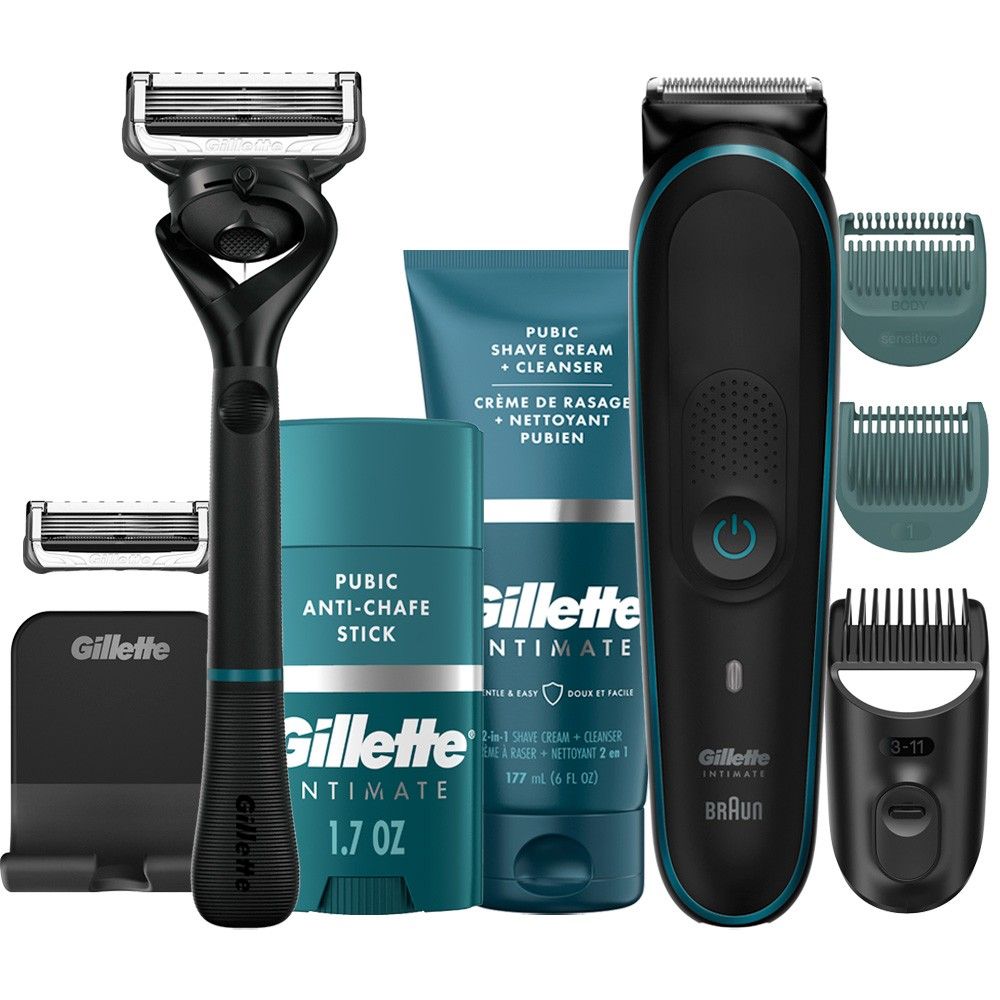
- Apply a shave gel for smoothness such as GilletteLabs Rapid Foaming Shave Gel to protect and hydrate your scalp.
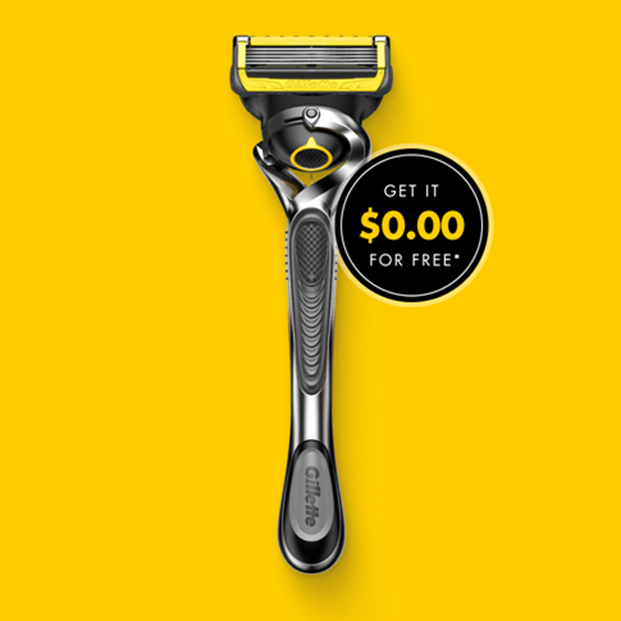
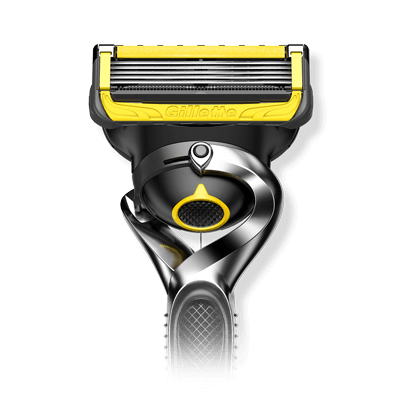
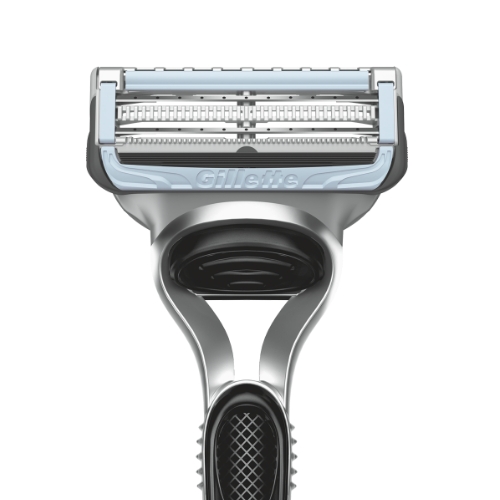
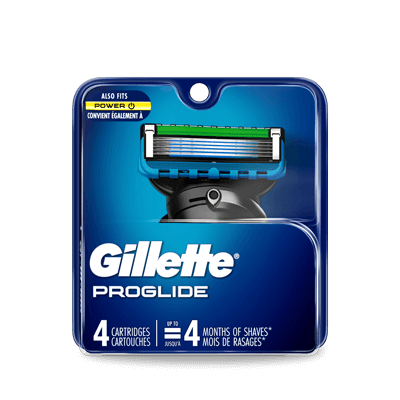
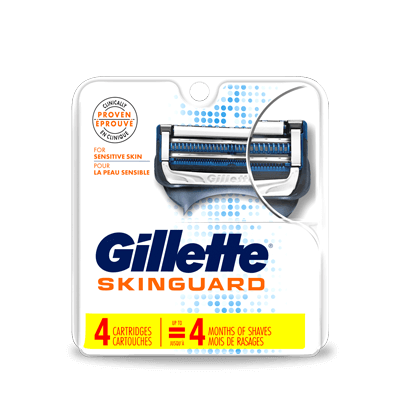
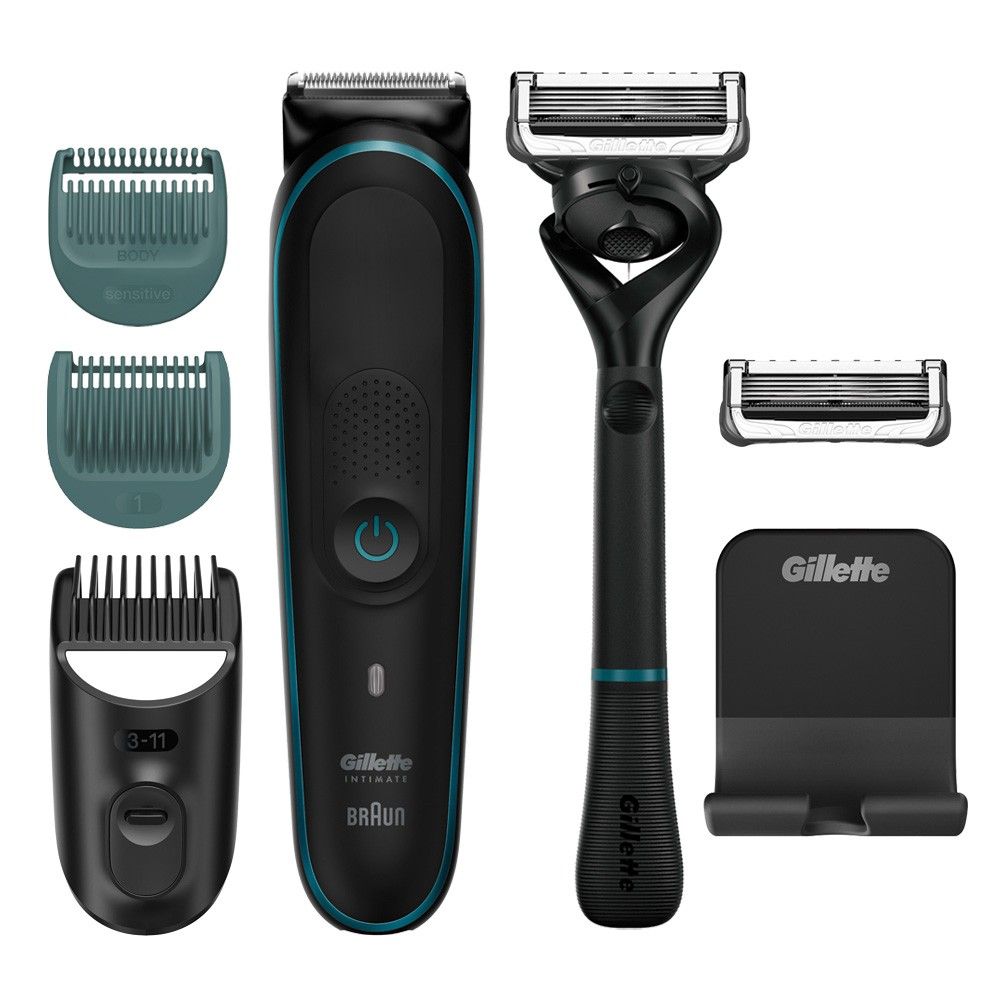
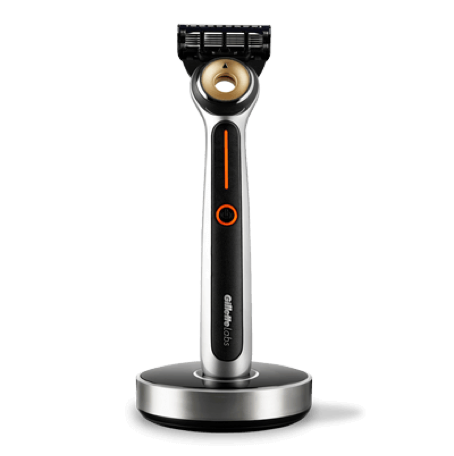
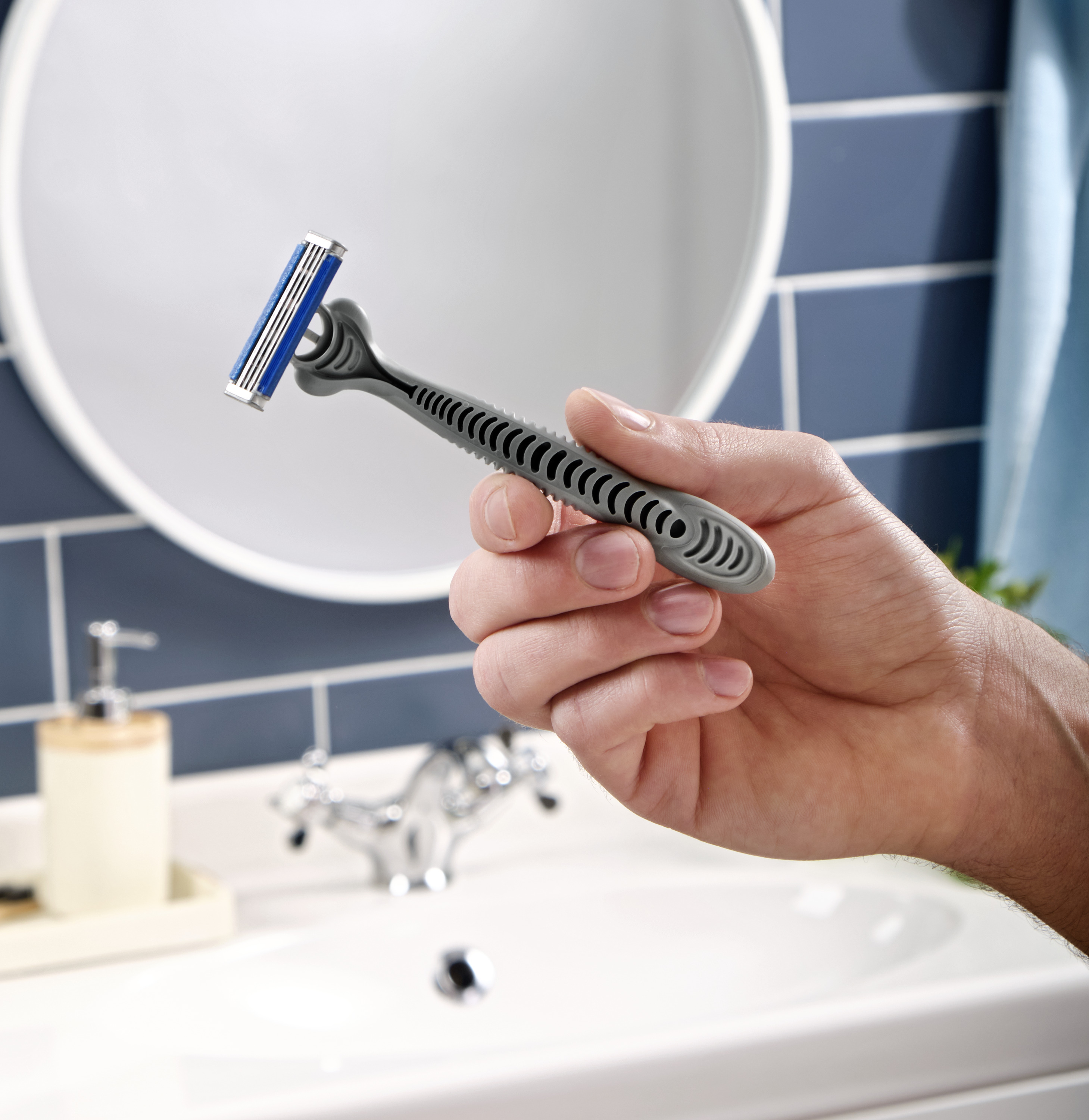
- Use a Fresh Multi-Blade Razor like Gillette SkinGuard razor or ProGlide for a close, comfortable shave—ideal for sensitive scalps.
- Follow up with an alcohol-free aftershave lotion to soothe and hydrate your skin post-shave.
- Finish with a moisturizer that includes sunscreen to keep your scalp protected from dryness and sun damage.
What Is the Best Technique for Shaving Your Head Properly – Step-by-Step Guide?
Shaving your head safely and smoothly requires proper prep, consistent technique, and controlled strokes. Following the steps in order helps reduce irritation while delivering an even, polished shave.
Step 1
Soften and Trim Hair Before Shaving
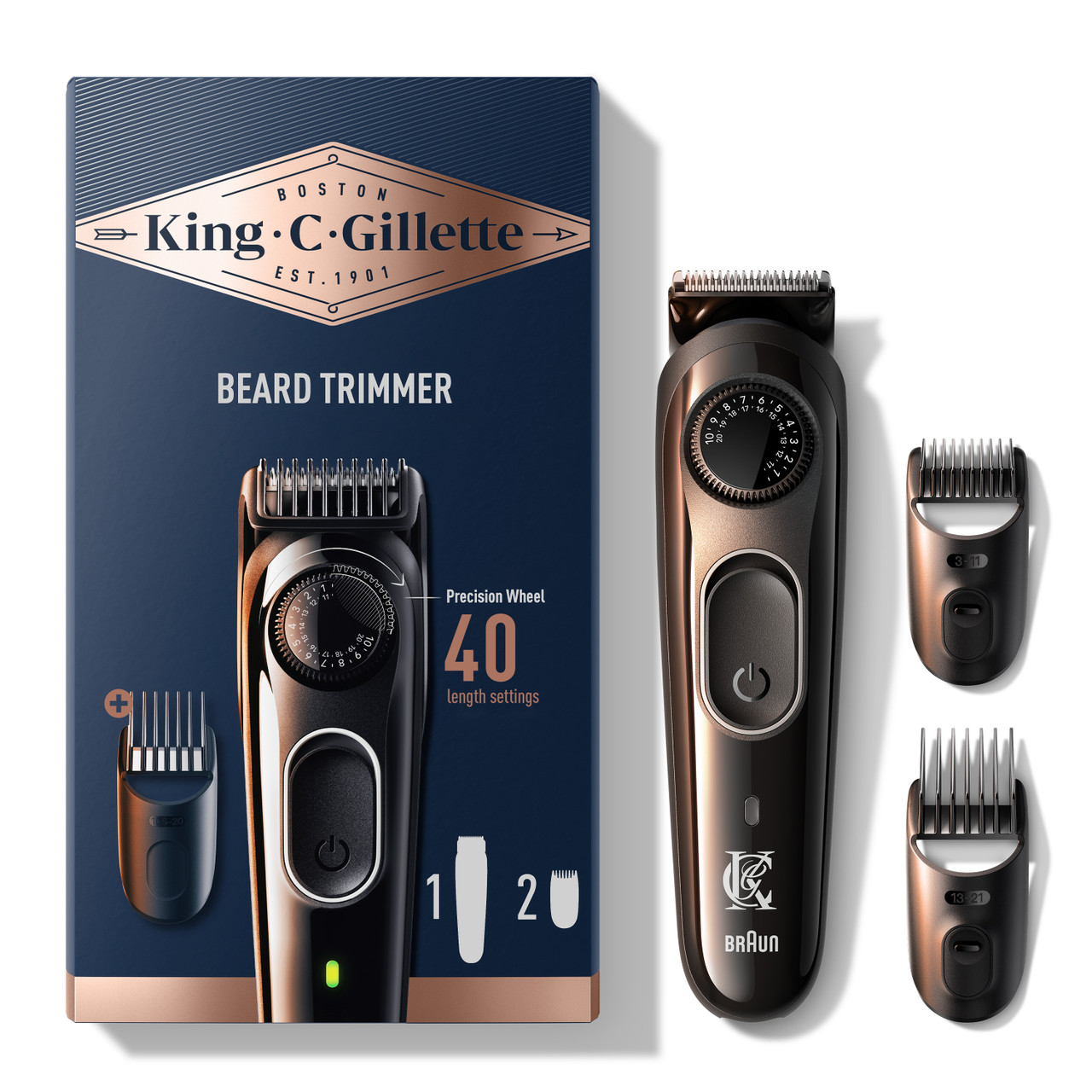
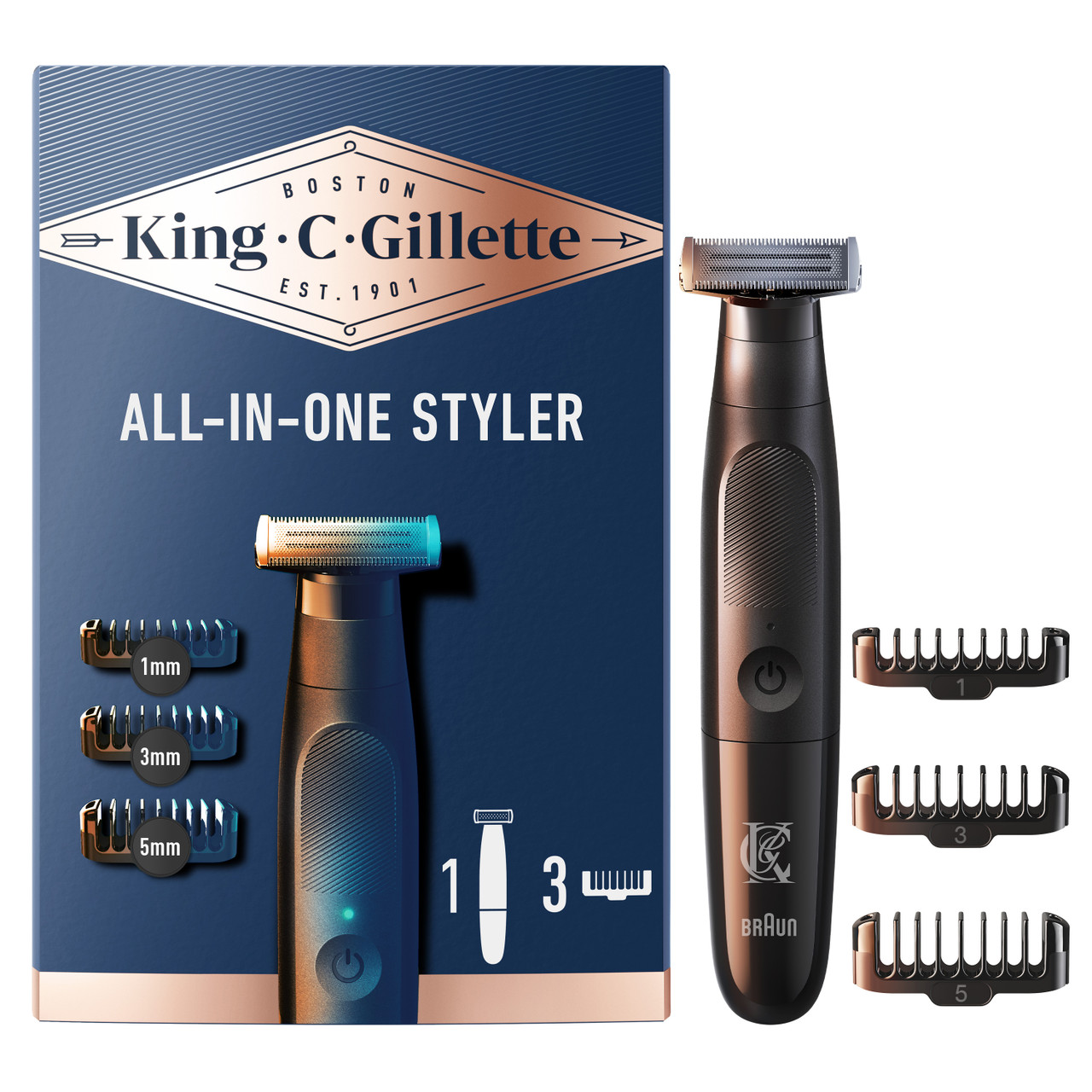
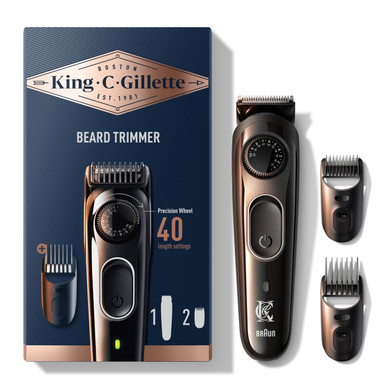
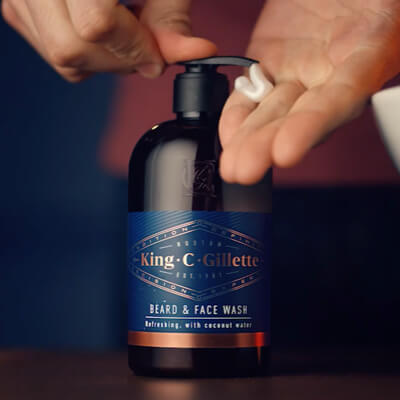
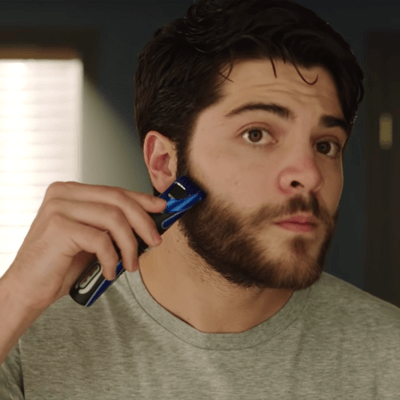
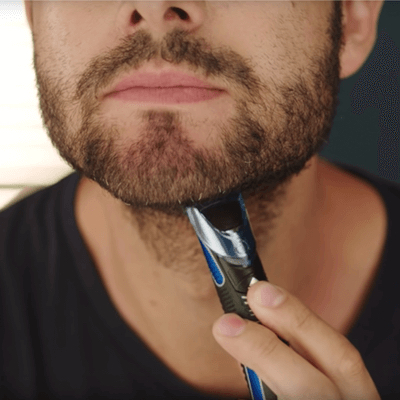
Shave during or immediately after a warm shower to soften hair and make it easier to cut. If needed, trim your hair short with a trimmer like the King C. Gillette All-in-One Styler. Before shaving, feel your scalp for any bumps or moles.
Why it matters: Softened, shorter hair puts less pressure on the razor and helps prevent irritation.
Step 2
Apply Shave Gel for Glide and Protection
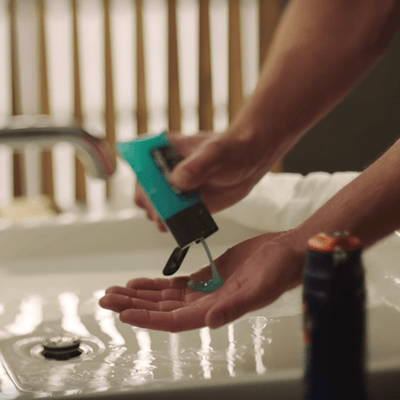
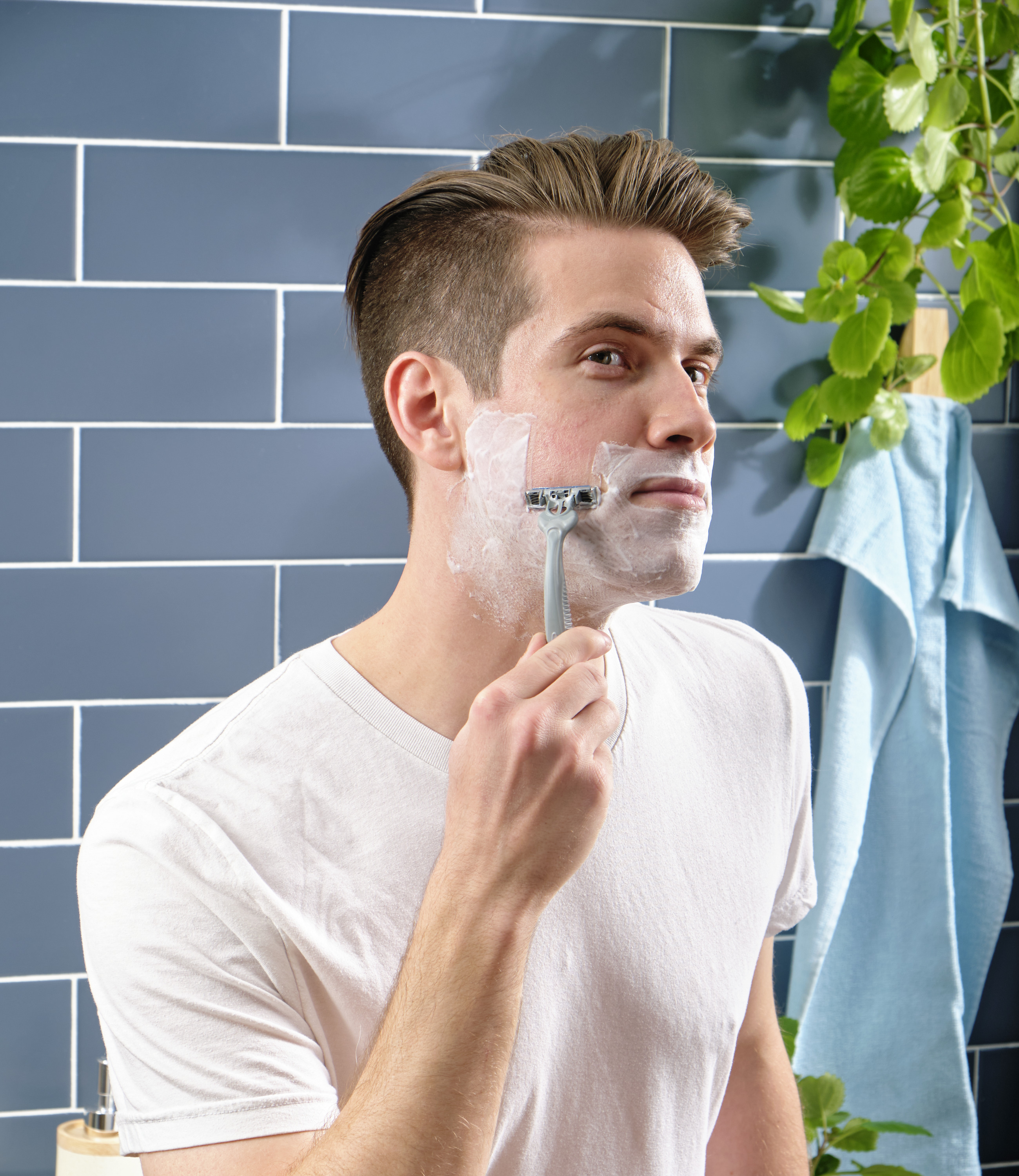
Applying shave gel is key to a smooth, irritation-free shave. It softens hair, improves razor glide, and creates a protective layer for your scalp. For best results, use GilletteLabs Rapid Foaming Shave Gel designed for easy rinsing and maximum comfort.
Why it matters: A protective gel layer reduces friction and helps prevent razor burn on the scalp.
Step 3
Avoid Dull Blades; Replace at First Sign of Tugging
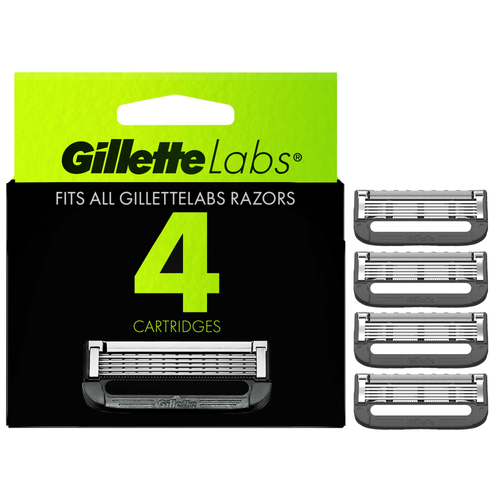
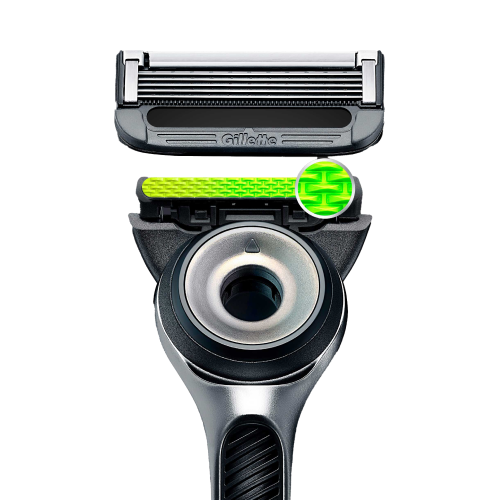
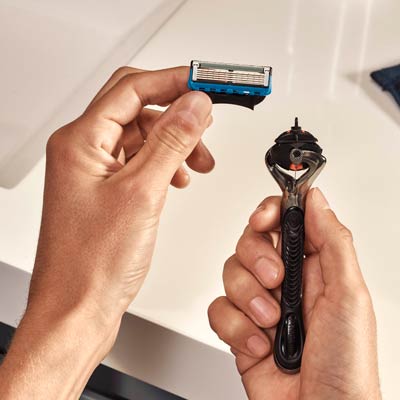
Before shaving, check the lubrastrips. If they look faded or the blades feel dull, it may be time to change your blades. Check out Gillette's replacement blades or subscribe to your favorite blade so you never run out!
Why it matters: Fresh, sharp blades cut cleanly and prevent pulling that leads to irritation.
Step 4
Shave with Light, Gentle Strokes
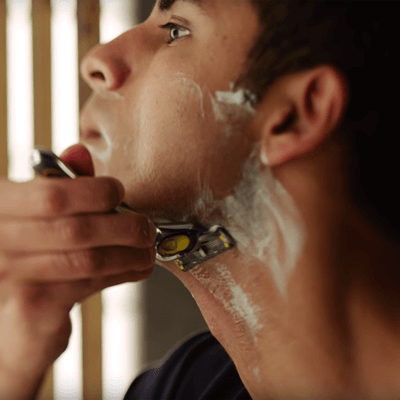
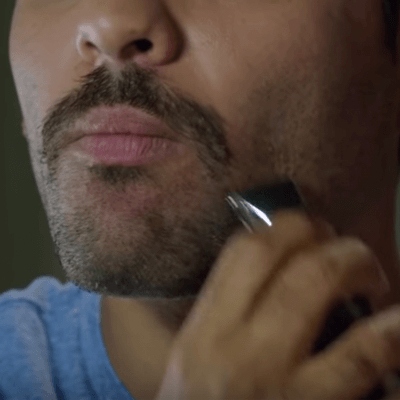
Shave with light, smooth strokes using even pressure. Work in a pattern that’s comfortable for you – try changing directions and going against the grain on your second pass.
Why it matters: Gentle strokes protect your scalp from nicks, redness, and razor burn.
Step 5
Shave Along Contours
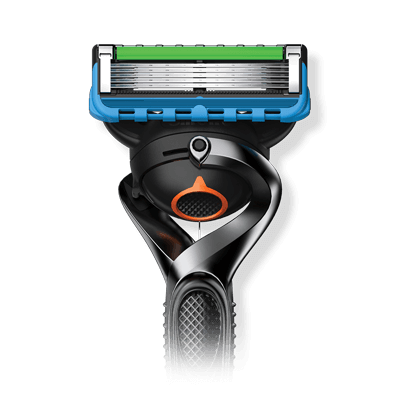
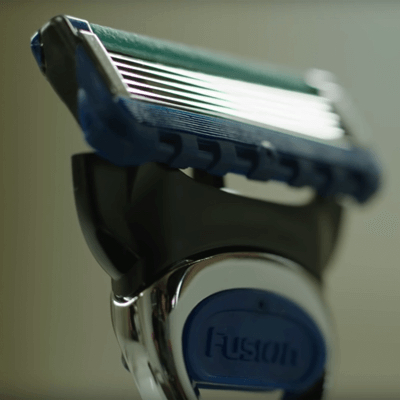
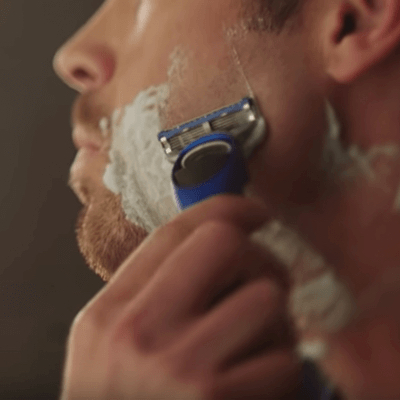
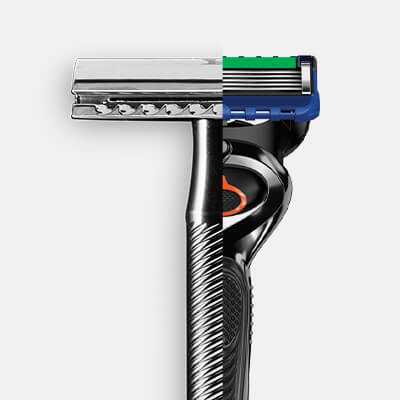
The Flexball Technology of Gillette Fusion5 ProGlide Shield razor handles allows the blades to pivot over the contours of your scalp with ease. Fold your ears down as you work around them to help keep them from being nicked.
Why it matters: Following the scalp’s natural curves ensures an even shave and prevents accidental cuts.
Step 6
Rinse Blades Often Under Running Water
Run the blades gently under the faucet every few strokes, both the back and front sides of the blades, and then gently shake excess water off. Do not tap your razor against the sink or wipe against a towel; these habits can reduce the life of the razor by affecting the intricate design of the blade components. Rinsing the blades under running water helps to remove built-up shaving gel, hair, and dead skin.
Why it matters: A clean blade maintains cutting efficiency and reduces drag on sensitive scalp skin.
Step 7
Reapply Shave Gel Before a Second Pass
Before re-shaving any area, reapply shave gel to help prevent razor burn and irritation.
Why it matters: Extra lubrication protects the scalp during additional passes for closer results.
Step 8
Cool Rinse and Towel Off
Rinse your head with cool water and towel off.
Why it matters: Cool water calms freshly shaved skin and helps reduce post‑shave redness.
Pro Tip:
“Avoid vigorous rubbing, as previously shaved skin can be sensitive and more prone to irritation.”
Step 9
Moisturize with Alcohol-Free Aftershave Lotion
Moisturizing immediately after shaving with an aftershave lotion helps to soothe just-shaved skin; moisturizing as part of your daily shaving routine helps keep your scalp soft and hydrated.
Why it matters: Hydrating the scalp immediately after shaving soothes irritation and supports healthy skin.
What Should You Expect When Shaving Your Head for the First Time?
Your first head shave may feel new or sensitive but knowing what to expect helps you transition confidently. With a clear routine and consistent aftercare, your scalp quickly adapts and becomes easier to maintain.
- Start with a Trim: Before going fully bald, use a trimmer to reduce hair length for a smoother shave.
- First Week Experience: Your scalp may feel mildly sensitive, you’ll notice stubble regrowth, and your head will develop a natural shine.
- Maintenance Routine: For an ultra-smooth look, shave daily. For comfort and convenience, every 2–3 days works well.
Daily vs Every Few Days—Which Is Right for You?
When it comes to maintaining a bald look, your shaving frequency depends on your style preference and skin sensitivity:
- Daily Shave: Perfect for those who want an ultra-smooth, polished look every day. It keeps your scalp consistently clean and shiny but requires more time and care.
- Every 2–3 Days: Ideal for comfort and convenience. This routine reduces irritation risk and gives your scalp a break, though you may notice slight stubble between shaves.
Pro Tip:
“If you’re new to head shaving or have sensitive skin, start with every 2–3 days and adjust based on how your scalp feels.”
What Common Mistakes Should You Avoid When Shaving Your Head?
Certain habits like using dull blades, skipping hydration, or rushing can damage the scalp and cause irritation, nicks & cuts while shaving head at home. Avoiding these common pitfalls ensures smoother results and healthier skin.
- Rushing Prep or Skipping Hydration: Skipping warm water hydration can lead to nicks and irritation.
- Using Dull Blades: Old blades tug at hair and cause razor burn—always use a fresh razor.
- Over-Shaving Spots: Going over the same area, too many times increases the risk of bumps and redness.
- Skipping SPF and Moisturizer: A bare scalp is vulnerable to dryness and sun damage—always protect it.

How Do You Maintain a Healthy Bald Scalp?
A healthy bald scalp requires regular hydration, sun protection, and consistent grooming. With proper care, your shaved head stays smooth, comfortable, and free from irritation.
Here’s what to focus on:
- Prevent Nicks and Ingrown Hair: Use gentle strokes and always shave with fresh, sharp blades.
- Care for Sensitive Skin: Old blades tug at hair and cause razor burn—always use a fresh razor. Choose alcohol-free products and consult a dermatologist for conditions like folliculitis or keloid risk.
- Sun Protection: Apply sunscreen lotion daily to shield your scalp from harmful UV rays.
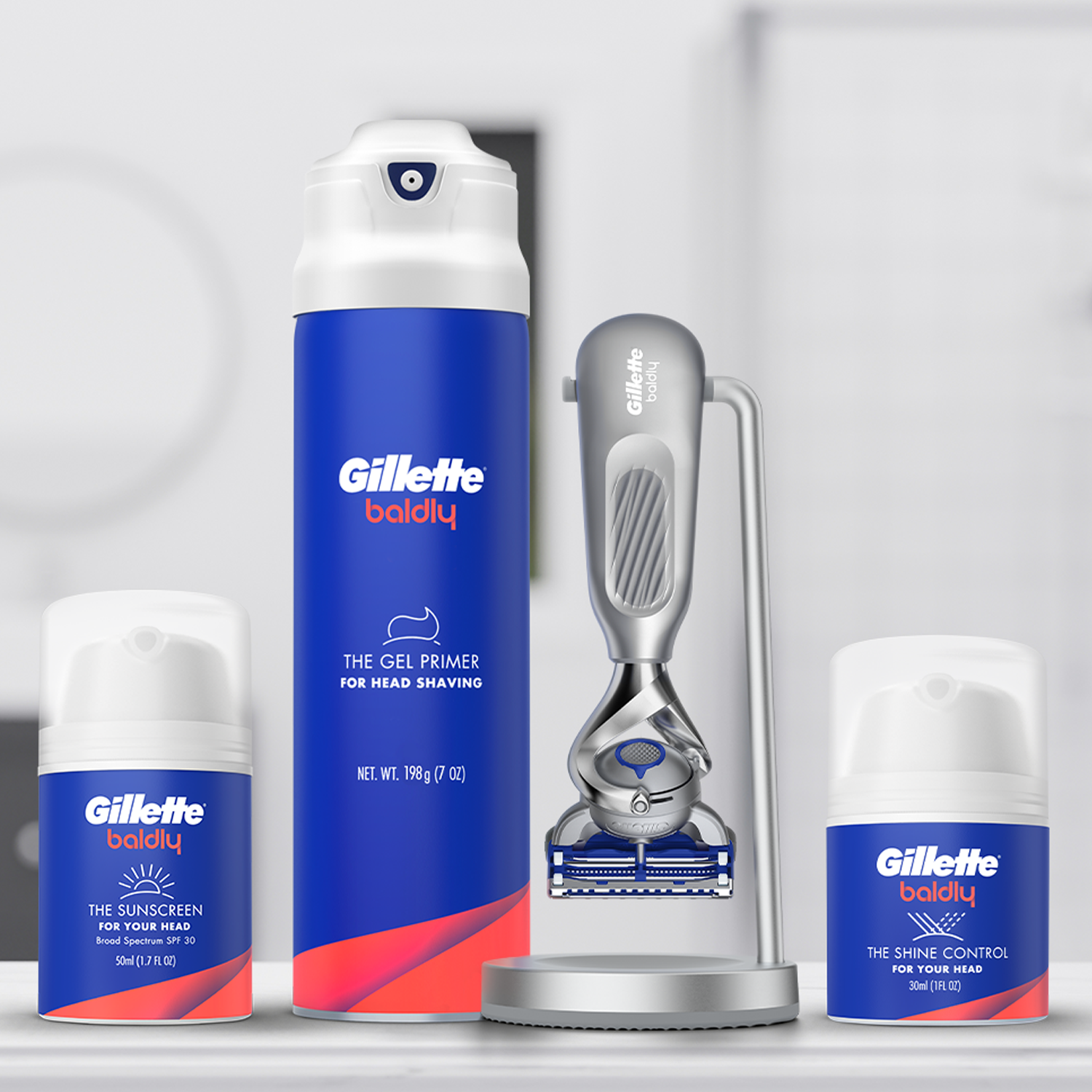
- Lifestyle Tips: Stay hydrated, exfoliate weekly to remove dead skin, and moisturize consistently for a smooth, healthy finish. Explore routine tips and products on Gillette Baldly.
Scalp Care for Every Skin Type
- If your scalp is sensitive → Use alcohol‑free shave gel, shave with the grain, and apply daily SPF.
- If your scalp is dry or flaky → Use hydrating shave gel, moisturize morning and night, and exfoliate weekly.
- If your scalp is oily → Cleanse before shaving, use lightweight moisturizer, and exfoliate 1–2× weekly.
- If your scalp is bump‑prone or ingrown‑prone → Use SkinGuard or an electric trimmer, warm the scalp before shaving, and exfoliate after 48 hours.
- If your scalp is darker‑toned (prone to dark marks) → Avoid aggressive against‑the‑grain passes, use alcohol‑free balm, and apply SPF daily.
Does a Shaved Head Suit Everyone?
A shaved head can look great on anyone, but especially on:

Square or rectangular face shapes

Strong jawlines and defined facial features
If facial hair is part of your style, it pairs perfectly with a shaved head, balancing sharpness with maturity. However, personal comfort and style preference are the most critical factors.
Aftercare & Maintenance – How Often Should You Shave and Care for Your Scalp?
Most men shave their head every 2–3 days to maintain a smooth, polished look, though the ideal frequency depends on individual factors.
Whether you shave daily or every few days, consistent aftercare is essential to maintain a smooth scalp.
- Shaving Frequency: Go for a daily shave if you want an ultra-smooth finish. For comfort and convenience, every 2–3 days works well.
- Moisturize With a Sunscreen Lotion: Apply a hydrating moisturizer and sunscreen every morning to protect against dryness and UV damage.
- Gentle Exfoliation: Exfoliate your scalp once a week to prevent dead skin buildup and ingrown hairs.
- Customize Your Routine: Pay attention to how your scalp reacts and tweak your shaving schedule to balance skin health and appearance.
FAQs About Shaving Your Head
-
Can I shave against the grain on my head?

Start with the grain to reduce tugging. If your skin tolerates it, go against the grain on a second pass using light strokes and a lubricating gel like GilletteLabs Rapid Foaming Shave Gel. If you feel pulling, stop and re-gel.
-
What’s the best razor for shaving head?

For sensitive scalp, choose Gillette SkinGuard razor (minimizes pressure between blades). For a closer shave with contour control, use Gillette ProGlide with FlexBall Technology. If you prefer convenience, a wet/dry electric shaver is an option, but blades provide the closest finish.
-
How do I stop razor burn on the scalp?
Prep with warm water, use alcohol-free gel (e.g. GilletteLabs Rapid Foaming Shave Gel) , shave with gentle pressure, and avoid dull blades. Post shave, apply a soothing alcohol-free aftershave and a lightweight moisturizer.
-
Is an electric shaver better for sensitive skin?
Electric shavers are often gentler on sensitive skin because they reduce friction and minimize the chance of nicks. However, manual blades like SkinGuard or ProGlide blade can give a closer finish if your skin tolerates them.
-
How do I shave my own head safely?
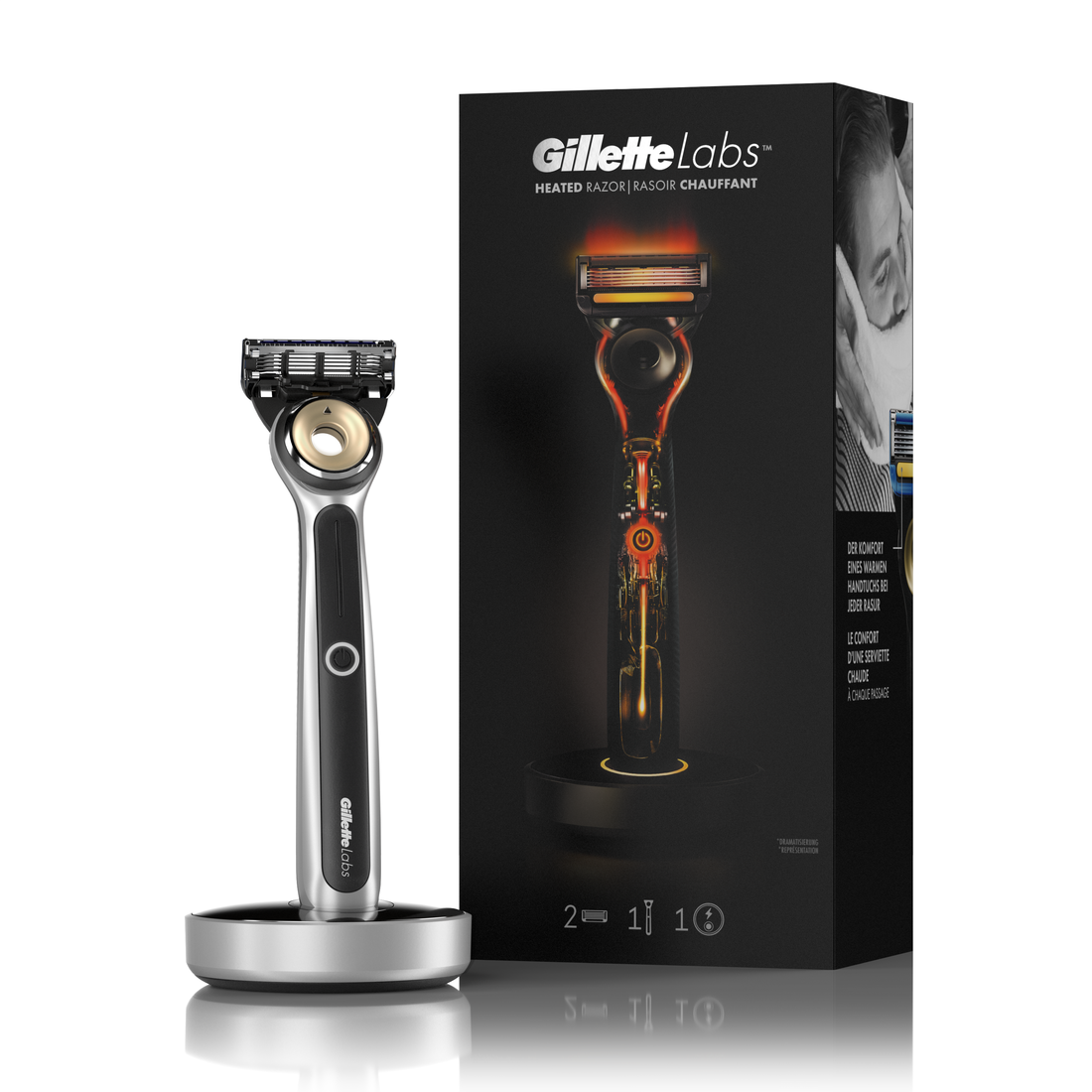
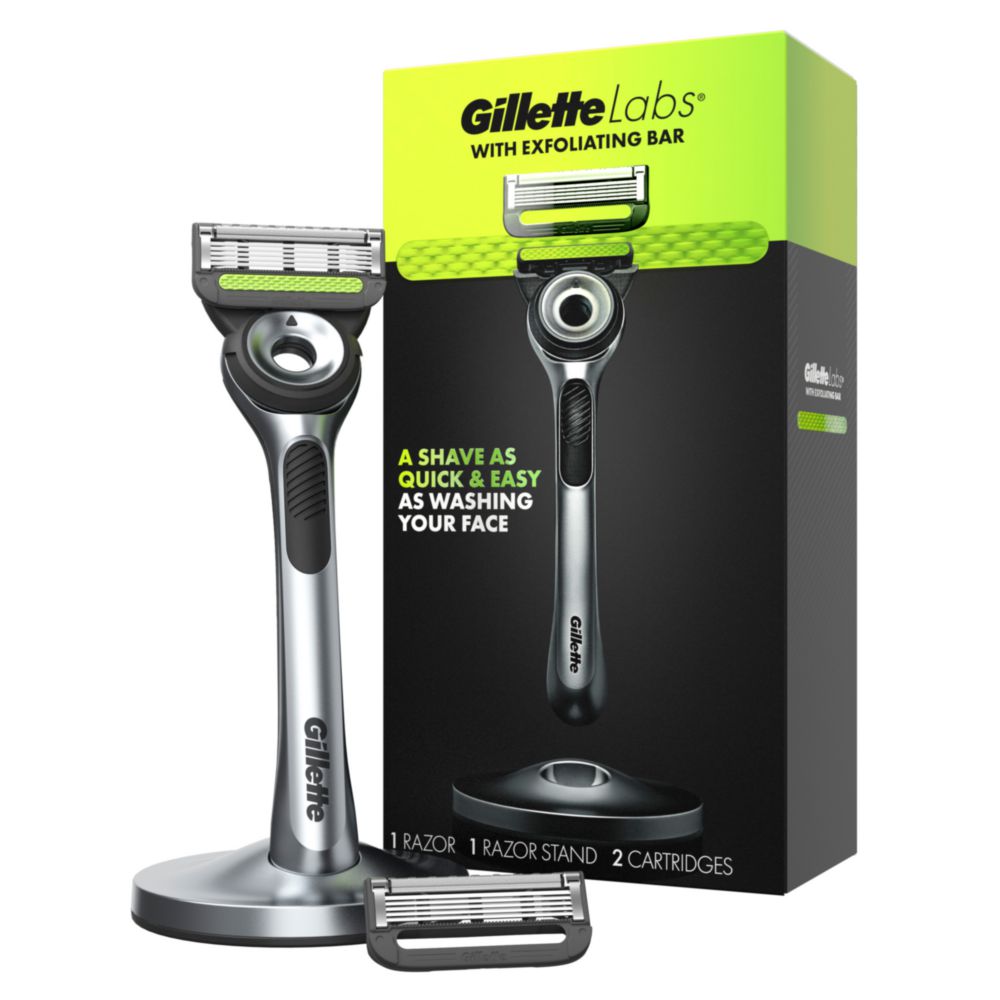
To safely shave your head, ensure you have a steady hand and suitable tools like GilletteLabs razors. Follow a structured shaving routine, prep your scalp properly, use plenty of shaving foam, and shave in controlled, gentle strokes.
-
Do I need to exfoliate my scalp before shaving?
Gentle weekly exfoliation helps prevent ingrown hairs by clearing dead skin. Avoid harsh scrubs; use mild chemical exfoliants or soft brushes, then moisturize.
-
What’s the best way to handle bumps or irritation after shaving my head?
Do a cool rinse, apply an alcohol-free balm, and pause shaving until healed. Consider SkinGuard for future shaves and check blade sharpness.
-
Can shaving my head cause ingrown hairs?
Yes—especially with aggressive strokes or dull blades. Prevent irritation and ingrown hairs by using a high-quality shaving foam for lubrication. Choose a razor with an anti-irritation bar to minimize skin friction, shave with the grain, and moisturize your scalp thoroughly after shaving.
-
How do I keep my bald head shiny without looking oily?
Use a lightweight moisturizer or mattifying balm. If you prefer sheen, apply a tiny amount of non-comedogenic oil to the crown—avoid overuse to prevent buildup.
-
How often should I replace your razor blades & razor head when shaving head?
Change your blade at the first sign of tugging, dullness, or a fading lubrastrip—usually every 5–10 shaves, depending on your routine and the coarseness of your hair.
Was this article helpful?

