









Introduction
TL;DR / Quick Answer: What's the Quickest Way to Shave Pubic Hair Safely?
The quickest way to shave pubic hair safely is to trim first, prep the skin, and shave gently with the grain. Reducing hair length, softening skin, and using light pressure helps minimize tugging and irritation. Finish with proper aftercare to stay comfortable—especially if your skin is sensitive. Trimming only is always a valid alternative.
- Trim longer hair before shaving
- Soften skin and hair with a warm shower
- Use a clear or non‑foaming shave gel
- Shave with the grain using light, short strokes
- Rinse blades frequently
- Finish with cool water, moisturizer, and friction protection
What Is Intimate Grooming?
Intimate grooming refers to trimming or shaving pubic hair in the groin area. It’s a personal choice shaped by comfort, hygiene preferences, appearance, and skin sensitivity. There’s no single standard—men choose the method that fits their routine and comfort level best.
- Shaving removes hair close to the skin for a smoother feel.
- Trimming uses a guarded trimmer to shorten hair to your desired length.
- Intimate grooming may also extend to nearby areas like the inner thighs and can be part of a broader body‑grooming routine that includes chest hair or underarm grooming.
Studies and consumer surveys suggest that around 50% of men groom their pubic hair in some way, whether by trimming, shaving, or a combination of both. Understanding your options such as shaving, trimming, or combination of both that helps you choose the right tools and techniques for a more comfortable grooming.
What Tools Do You Need to Shave Pubic Hair Properly?
Before you start grooming, it's important to have the right tools on hand. Using products designed specifically for the pubic area helps improve control, reduce irritation, and make both trimming and shaving more comfortable.
Pubic Hair Grooming Tools Checklist
Having the right tools makes grooming your pubic area easier and more comfortable. Whether you plan to trim, shave, or do both, using products designed specifically for intimate grooming helps improve control and reduce irritation.
-
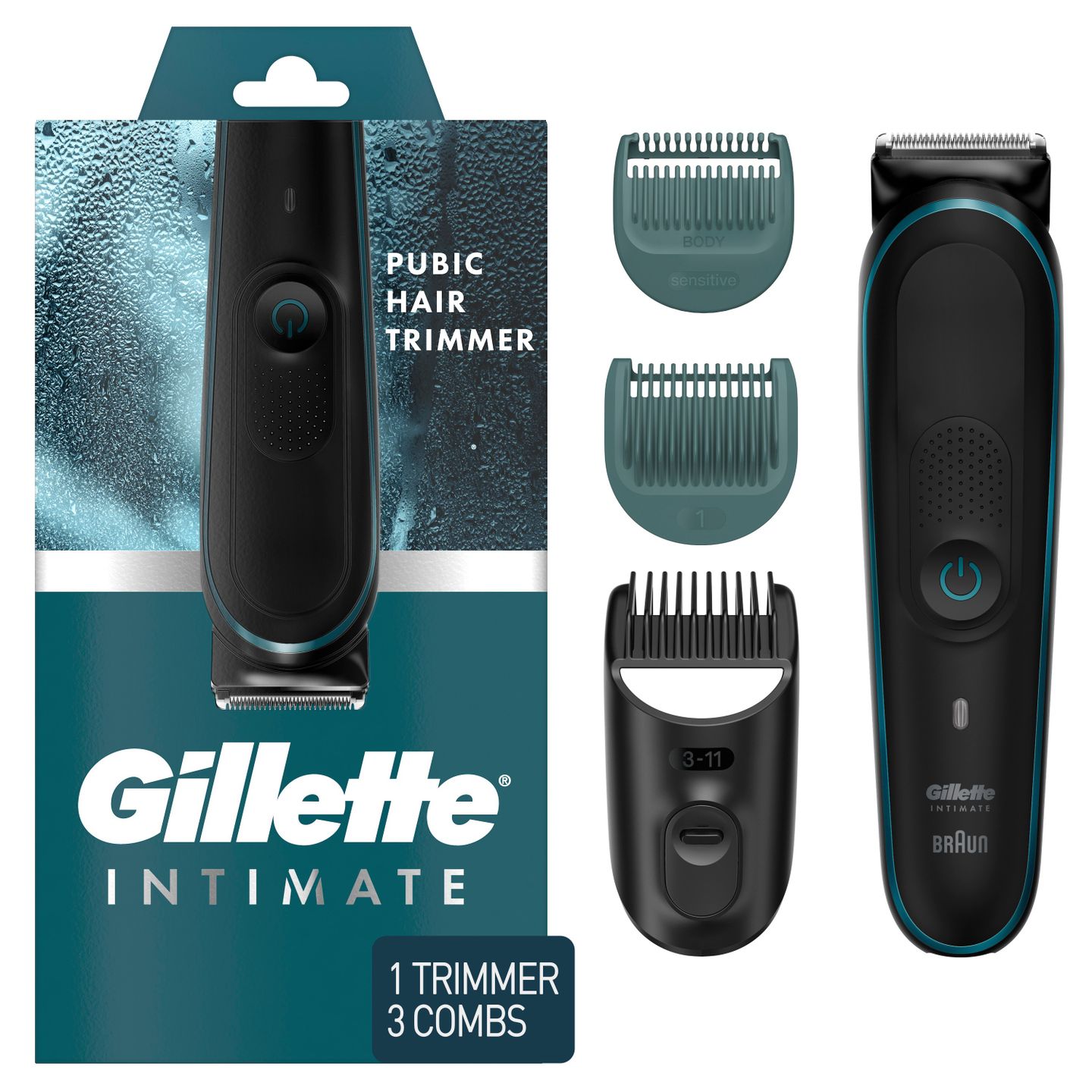
Trimmer
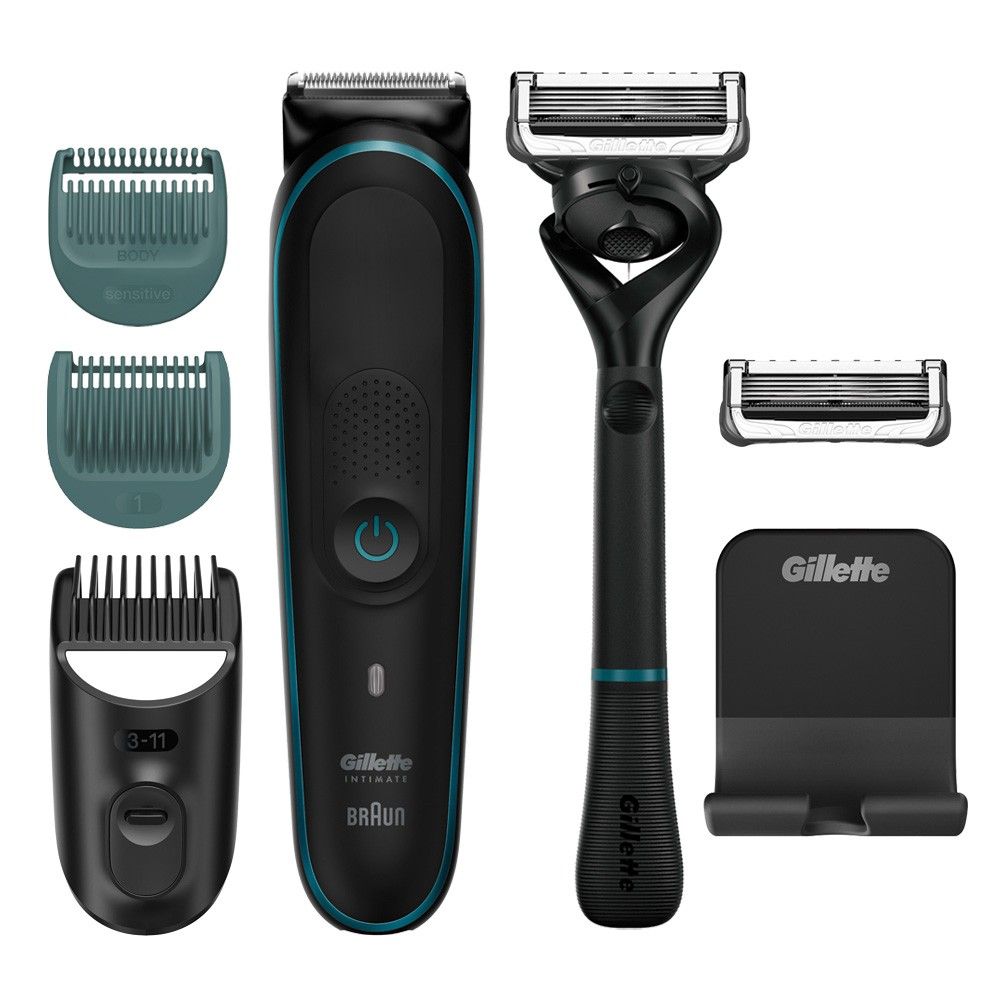
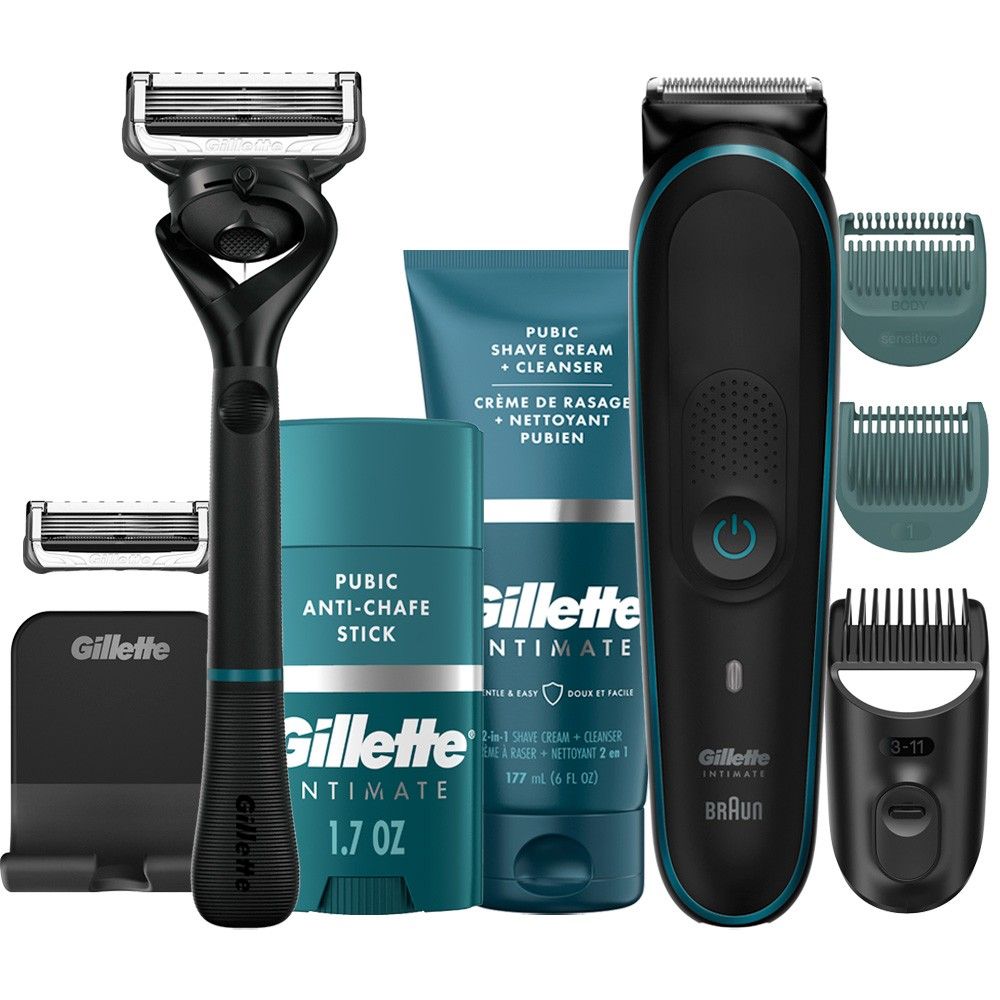
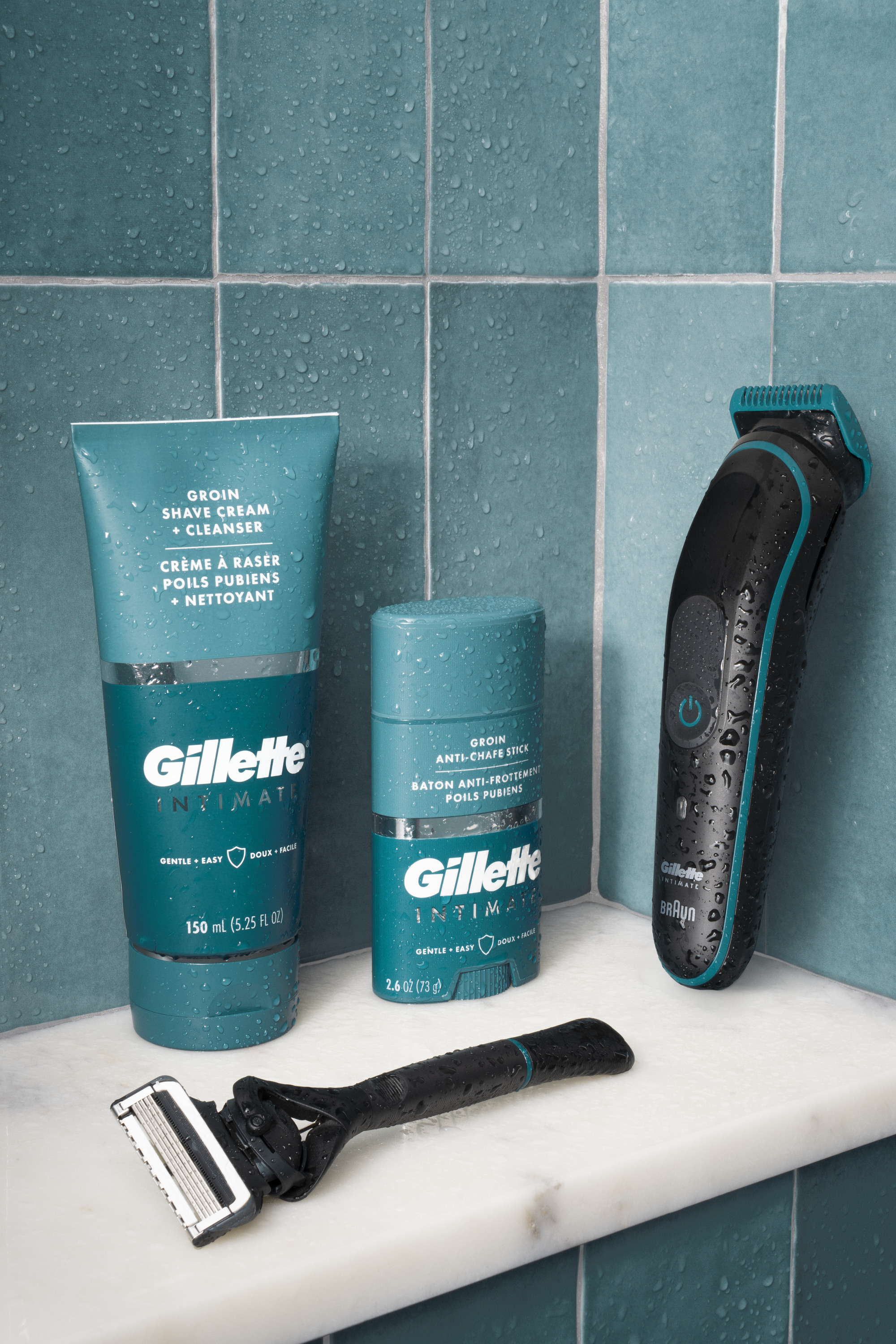
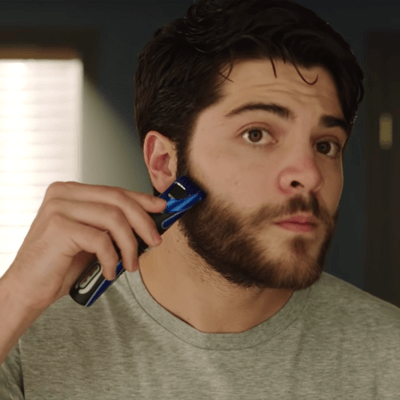
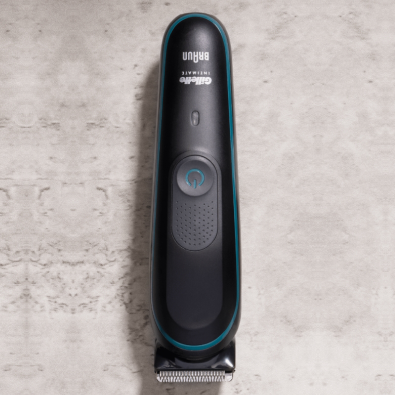
Regardless of whether you choose to trim or shave (or both), start with a trimmer. We recommend the Gillette INTIMATE™ Pubic Hair Trimmer, which comes with multiple combs for different hair lengths. If you've never trimmed before, begin with the longest guard and trim on dry hair using short, gentle strokes. -
Shave Cream
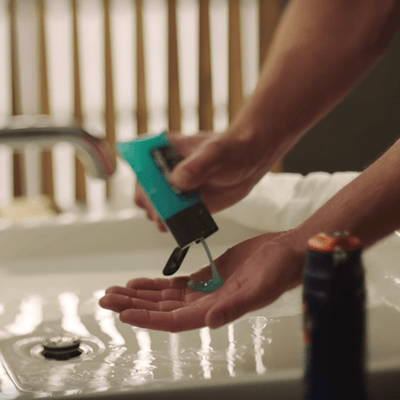
Good old‑fashioned soap and water aren't enough when shaving pubic hair. A shave cream creates a protective layer between the blade and your skin. We recommend Gillette INTIMATE™ Pubic Shave Cream and Cleanser, which helps hydrate hair and skin while improving glide during shaving. -
Razor & Blades
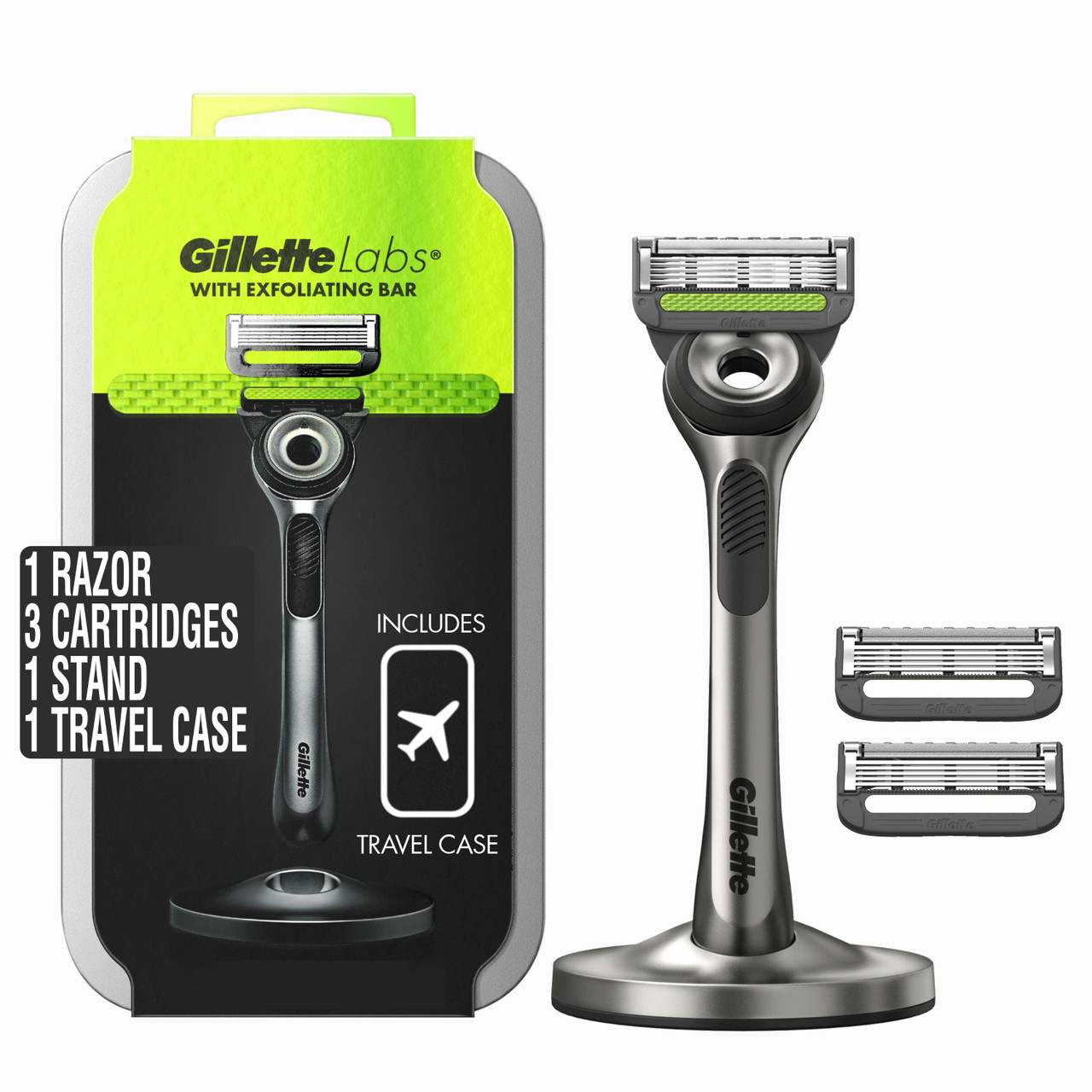
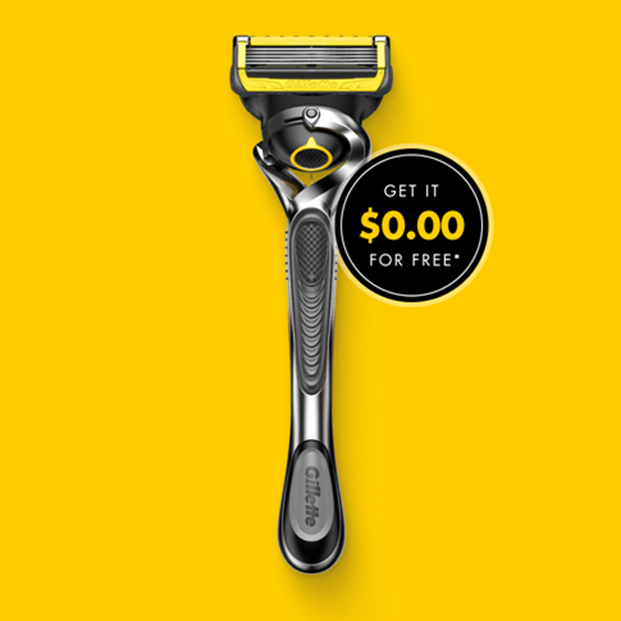
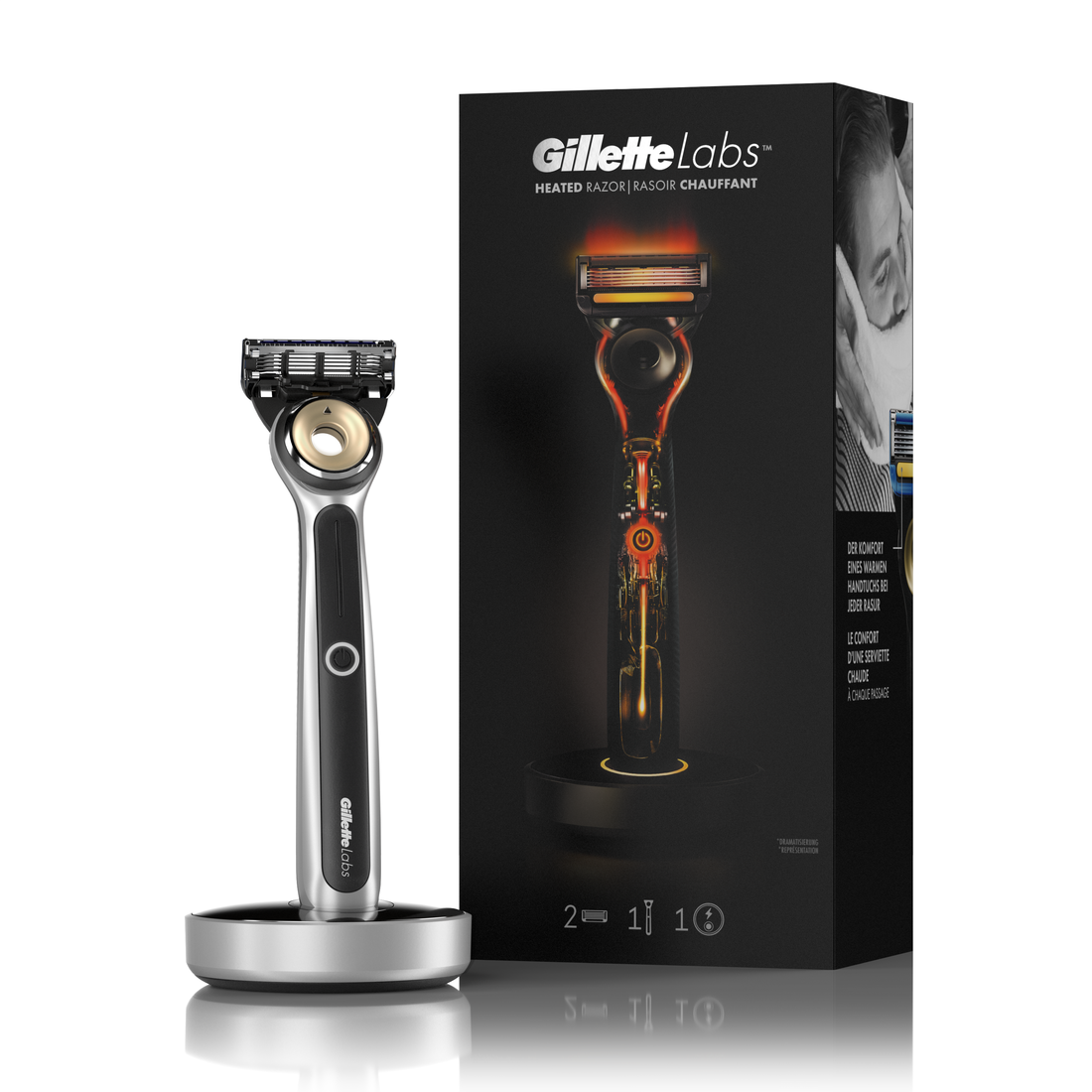
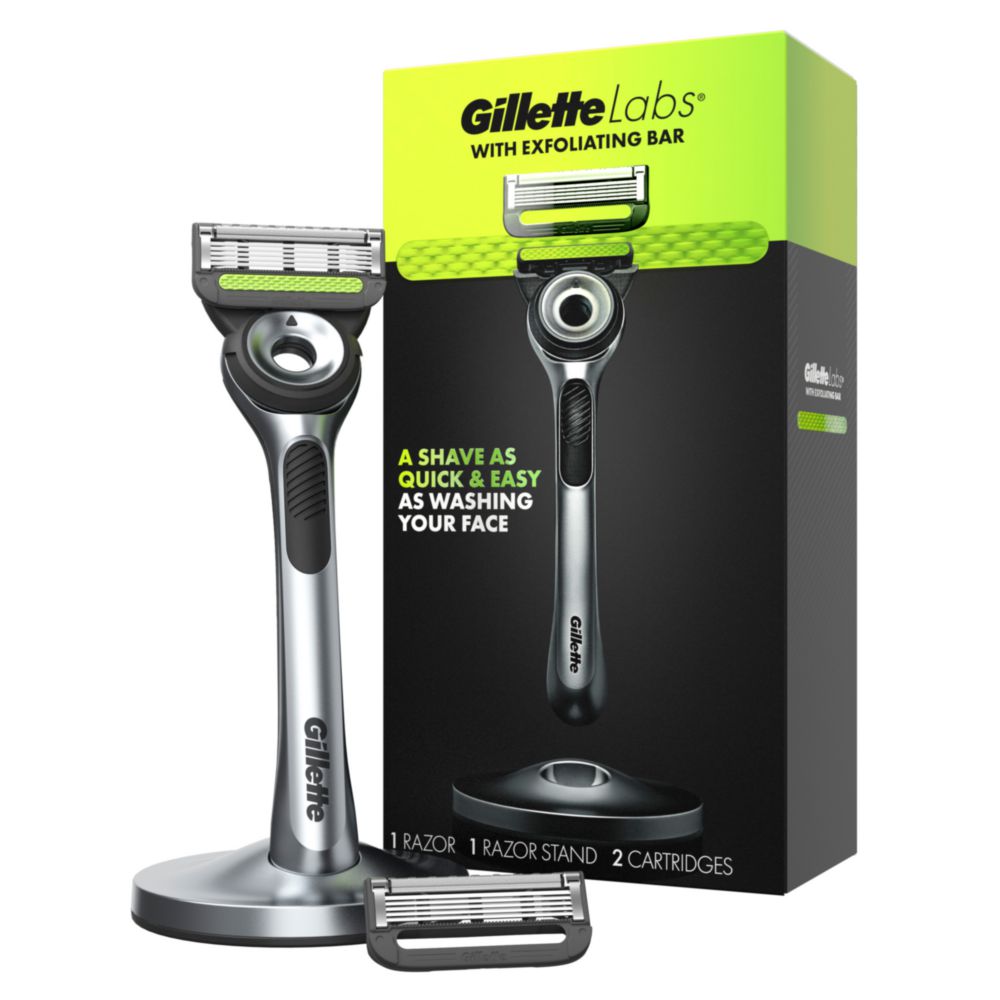
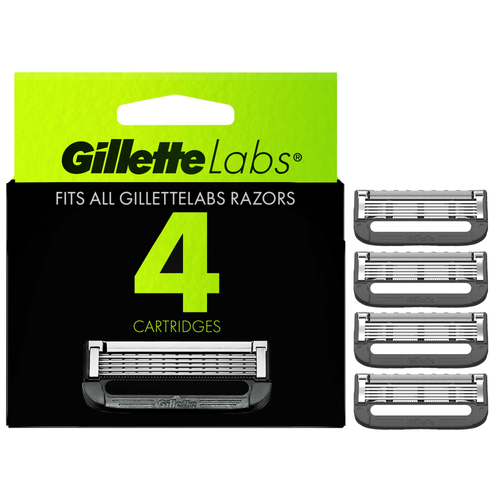
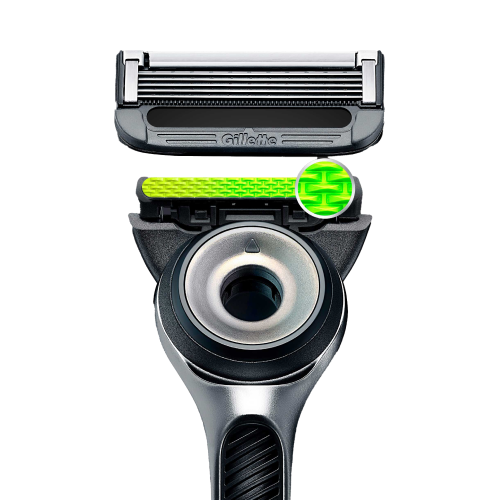
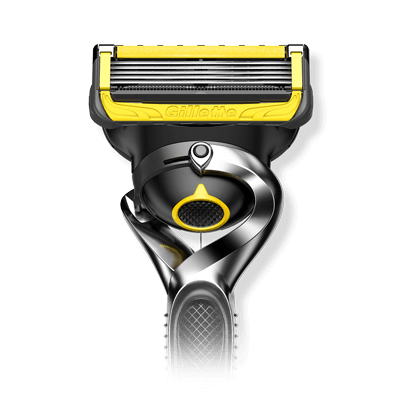
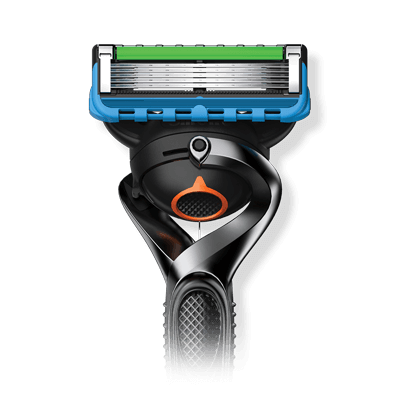
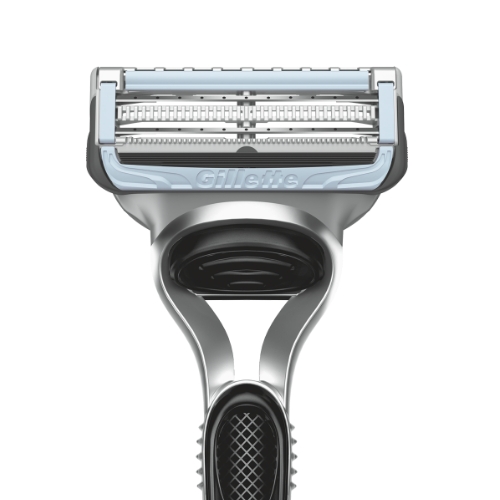
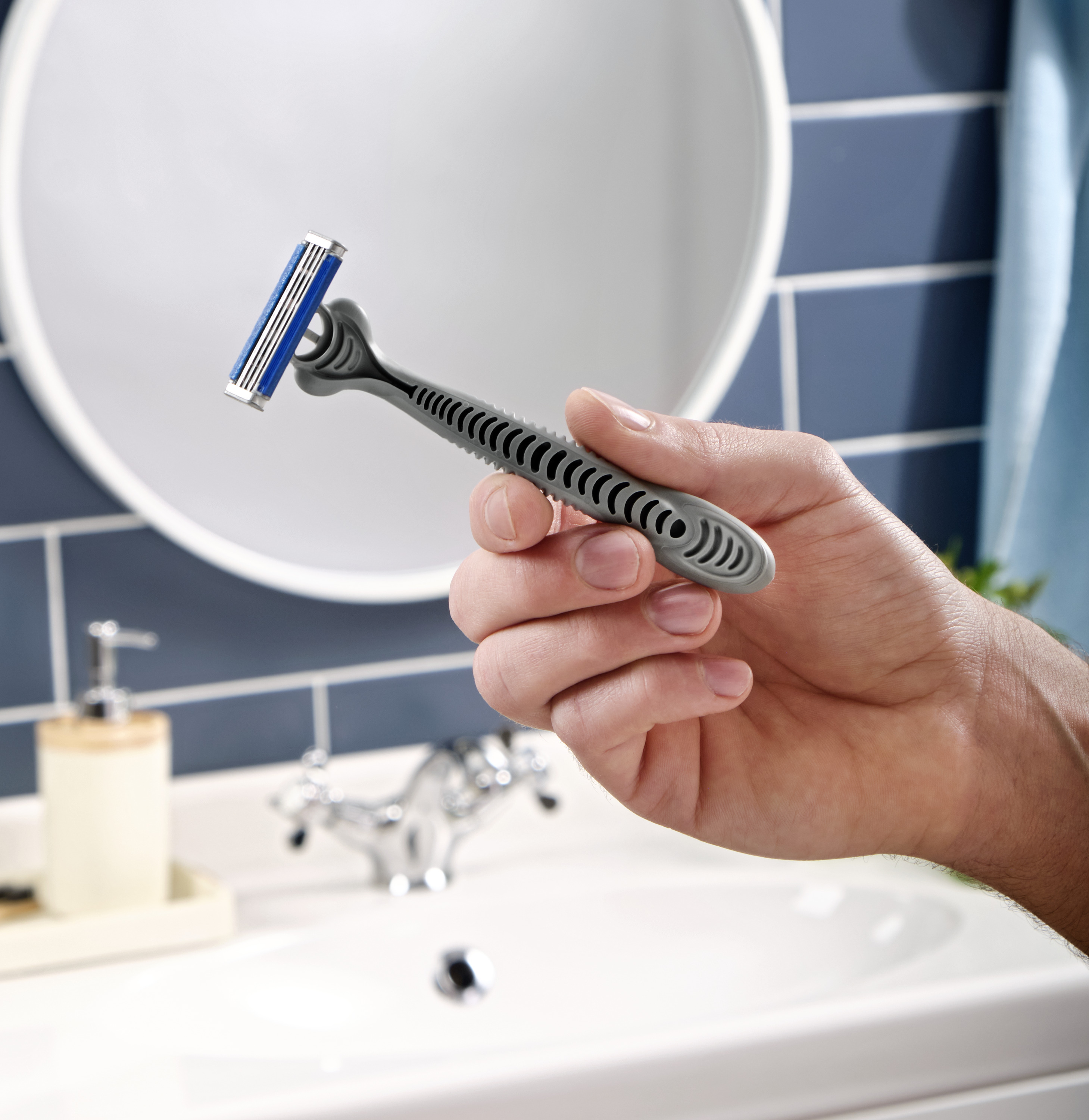
A clean, sharp razor is essential when shaving the pubic area. Sharper blades allow you to use light pressure with less tugging, helping reduce irritation on sensitive skin. It's best to keep a separate razor just for pubic grooming.
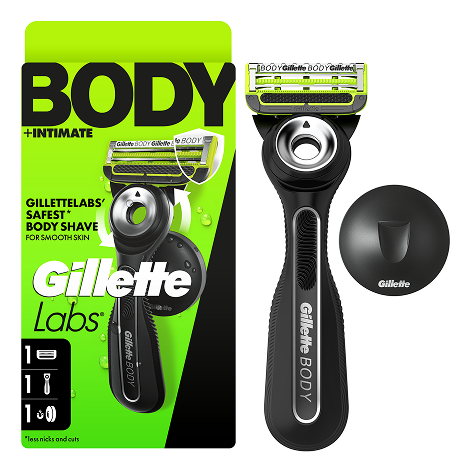
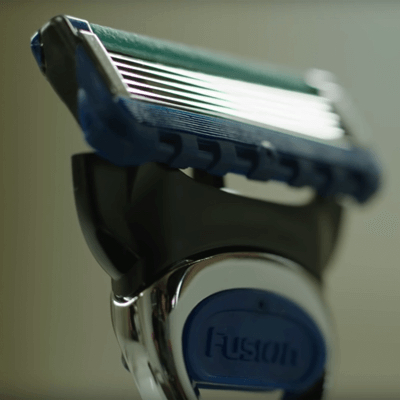
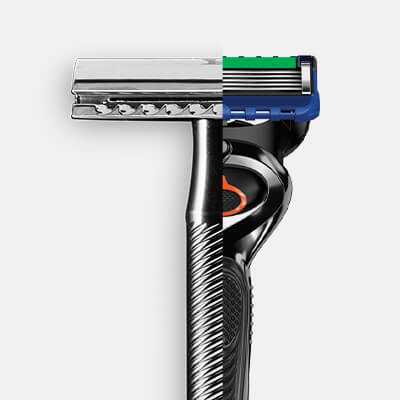
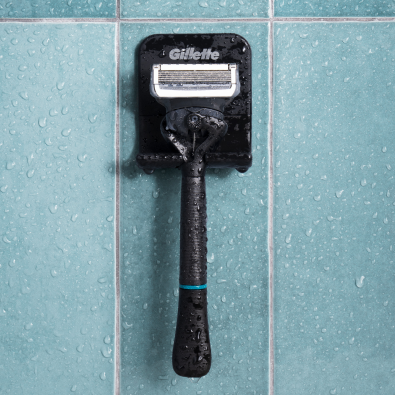
You can use a body specific option like the GilletteLabs Body + Intimate Razor For Men with Magnetic Shower Hanger which is designed for sensitive areas and thicker hair, offering better control and a smoother shave. -
Anti‑Chafe Stick
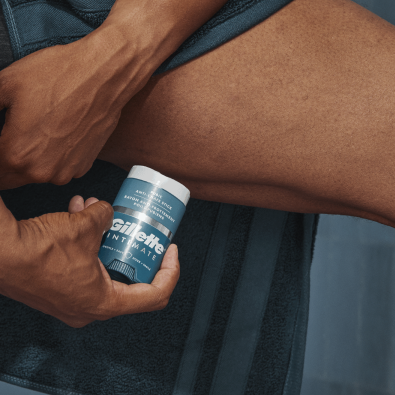
After grooming, protecting skin from friction is important. We recommend Gillette Intimate Anti‑Chafing Stick, which helps reduce rubbing that can lead to irritation or itching throughout the day. -
Hand Mirror (Optional)
A hand mirror can be helpful when grooming hard‑to‑see areas, giving you better visibility and control.
Using clean tools and fresh blades is especially important when grooming the pubic area to help keep skin comfortable before, during, and after shaving.
Pro Tip:
Using facial razors on body or pubic hair increases the risk of ingrown hairs due to longer, thicker hair in these areas.
Safety & Hygiene Checklist
A quick pre-shave safety check helps avoid irritation and infection.
- Always wash hands and grooming tools.
- Use a dedicated pubic razor & never share razors.
- Ensure the blade is sharp and rust-free.
- Skip shaving if you have cuts, rashes, or infections.
Trimming vs. Shaving Pubic Area: Which Should You Choose?
Shaving uses a razor to remove hair as close to the skin as possible, resulting in a smoother finish. Trimming, on the other hand, uses a guarded trimmer to shorten hair without removing it completely, which can feel more comfortable for sensitive skin.
Choosing between trimming and shaving comes down to personal preference, skin sensitivity, and the level of maintenance you’re comfortable with. Some men prefer a clean‑shaven feel, others stick to trimming, and many use a combination of both depending on the area.

How Do You Decide Between Trimming and Shaving?
The right choice depends on your skin sensitivity, the result you want, and how much upkeep you're comfortable with. There's no one‑size‑fits‑all approach—many men adjust their routine based on comfort and the area they're grooming.
- If you have sensitive skin, trimming or a partial shave is often more comfortable and easier to maintain, with a lower risk of irritation.
- If you're looking for a smooth feel, shaving delivers a closer result. Start by shaving with the grain and use light, controlled strokes to help minimize discomfort.
- If you want flexibility, mix and match by area—many men trim in some spots and shave in others to balance comfort, appearance, and maintenance.
Choosing what works best for your skin and routine is what matters most.
How to Shave Your Pubic Hair in 4 Easy Steps
Whether you’re new to intimate grooming or already have a routine, following the right steps can help make pubic hair shaving more comfortable and controlled. From trimming to aftercare, each step plays an important role—especially in sensitive areas
STEP 1
Trim Your Pubic Hair First
Before shaving, it’s important to trim longer hair.
Why It matters: Razors are designed to cut short hair. Trimming first helps reduce tugging, prevents blade clogging, and makes shaving more comfortable—especially if hair is thick or overgrown.
- Start with a trimmer and the longest guard, especially if you’re trimming for the first time. Use a dedicated pubic hair trimmer rather than scissors for precision.
- Use a sensitive comb on delicate areas like the scrotum and shaft.
- Trim on dry hair before showering
- Use short strokes and gentle pressure
For tricky areas, gently stretch the skin to create a flatter surface and take your time.
STEP 2
Prep in a Warm Shower
Once trimming is done, move on to prep.
Why it matters: Warm water helps soften both hair and skin, making shaving easier and requiring less pressure.
- Soak your pubic area in warm water for 5-10 minutes to soften the hair and skin.
- Light cleansing is fine; avoid harsh scrubs right before shaving
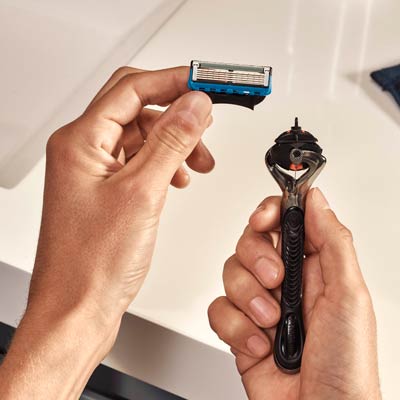
- Make sure your razor is clean and ready before you begin
STEP 3
Apply Clear Shave Gel and Shave with the Grain
Before shaving, apply a shave gel to the areas you plan to shave.
Why it matters: Lubrication improves glide and visibility, helping reduce nicks and irritation.
- Apply a clear or non‑foaming shave gel
- Shave with the grain (the direction hair grows) to help reduce irritation
- Use short, light strokes with gentle pressure
- Stretch the skin with one hand to create a smoother surface
- Rinse the blade every 2-3 strokes to remove hair and shaving cream.
Optional: Once you’re comfortable and well‑prepped, light touch‑ups against the grain can be done if your skin tolerates it.
How to Map the Grain
Mapping your hair growth direction helps reduce razor burn.
- Run your fingers across the skin
- Note direction where resistance is lowest → that’s “with the grain”
- The pubic region often has multiple grain directions in one area
Step 4
Rinse, Moisturize, and Reduce Friction
After shaving, proper aftercare is essential.
- Rinse with cool water and gently pat dry
- Apply an alcohol‑free moisturizer to help soothe skin
- Use an anti‑chafing stick to protect against rubbing that can cause itching or irritation
Why it matters: With less hair, friction from movement or clothing increases, so aftercare helps maintain comfort during regrowth. Avoid tight clothing immediately after shaving when possible.
Pro Tip:
Avoid tapping the razor on a sink or wiping it on towels since these actions can damage the blades.
How to Groom Hard‑to‑Reach Areas Safely
Hard‑to‑reach areas require extra care because the skin is softer and uneven. To reduce nicks and irritation, move slowly and use controlled technique. Trim before shaving whenever possible, especially on curved or loose skin. Gently stretch the skin to create a flatter surface, then shave using short, light strokes. Always shave with the grain and use good lighting or a hand mirror for better visibility.
Area‑specific tips:
- Scrotum & Shaft: Work slowly and stretch the skin gently as you shave to improve control and reduce cuts.
- Between & Behind: Improve access by changing your stance and use a hand mirror to see clearly.
If shaving feels uncomfortable, trimming alone is a safer and more comfortable option for these sensitive areas.
What Mistakes Should You Avoid When Shaving Pubic Hair?
Even experienced men can make small mistakes when shaving pubic hair, and those missteps often lead to irritation or discomfort. Being aware of what to avoid can help you maintain a smoother, more comfortable grooming routine.
- Skipping trimming before shaving: Razors are designed to cut short hair, and shaving long hair without trimming first can cause tugging, blade clogging, and discomfort.
- Using dull blades or facial razors: Using a dull razor or a facial razor can increase the risk of nicks and ingrown hairs, especially since pubic hair is thicker and the skin is more sensitive.
- Dry shaving or shaving without proper lubrication: Shaving dry skin without lubrication leads to friction, redness, and irritation. Using shave gel helps create a protective barrier between the blade and skin.
- Applying excessive pressure on sensitive areas: Pressing too hard can cause cuts or discomfort, particularly in areas with folds or curves.
- Shaving against hair growth too early: Shaving against the direction of hair growth before proper prep increases irritation and razor burn. Starting with the grain is usually more comfortable.
- Rushing around folds or contours: Moving too quickly around curved or folded skin increases the chance of nicks, especially in sensitive areas.
- Skipping post‑shave care: Skipping post‑shave care often results in itchiness, redness, or ingrown hairs during regrowth.
- Wearing tight clothing immediately afterward: Friction from tight clothing can worsen irritation on freshly shaved skin.
Pro Tip:
Use specialized grooming tools, prepare your skin properly, shave carefully, and moisturize afterward to reduce irritation and maintain smooth results.
Troubleshooting: How Do You Fix Common Pubic Shaving Problems?
If irritation or discomfort shows up, small adjustments usually make a big difference. Use this simple if–then guide to identify the issue and respond without forcing your skin through unnecessary irritation.
- If razor burn appears → Shave with the grain only, take a break from shaving, and apply an alcohol‑free moisturizer to help calm the skin.
- If ingrown hairs develop → Stop shaving temporarily and exfoliate gently to help free trapped hairs before shaving again.
- If you get nicks → Slow down, use a clear shave gel for visibility, and gently stretch the skin to create a flatter surface.
- If blades clog frequently → Rinse the blade every 2-3 strokes and trim hair shorter before shaving, especially if hair is dense.
- If redness persists → Reduce shaving frequency and consider trimming instead until skin feels comfortable again.
Switching methods or giving your skin time to recover is often better than pushing through irritation. For persistent irritation, see “3 WAYS TO REDUCE SHAVING IRRITATION AFTER GROOMING YOUR PUBIC AREA” .
What Should You Do After Shaving Your Pubic Hair?
Aftercare plays a major role in how your skin feels after grooming and during regrowth. A few simple steps can help reduce irritation and keep skin comfortable.
- Rinse with cool water and gently pat dry to help calm freshly shaved skin.
- Apply a fragrance‑free, alcohol‑free moisturizer to soothe and hydrate sensitive areas.
- Use anti‑chafing protection, especially on areas prone to rubbing from movement or clothing.
- Avoid tight underwear or clothing immediately after shaving to reduce friction.
- Clean and dry grooming tools thoroughly after use.
- Replace blades regularly to maintain smooth, low‑pressure shaving.
With less hair, friction from movement or physical activity increases, which is why consistent aftercare helps promote a more comfortable regrowth period.
What Are Some Popular Male Pubic Hair (Manscaping) Styles?
There’s no single “right” way to groom your pubic hair. These popular manscaping styles are simply options to use as inspiration—you can follow one style or adjust it to suit your comfort and preferences.
1.Briefs Style
If your main goal is to keep pubic hair neat so it doesn’t show outside your clothing, the briefs style is a simple option. This style involves shaving all hair that falls outside the underwear line, while leaving the rest untouched.
2.Trimmed Style:
The trimmed style keeps pubic hair short and tidy without fully removing it. Using a trimmer with adjustable guards allows you to control length and maintain a clean look with lower upkeep compared to shaving.
3.Brazilian Style:
The Brazilian style removes all pubic hair for a completely smooth result. Because there’s no hair to reduce friction, this style typically requires extra attention to aftercare to help minimize irritation during regrowth.
Tip: make sure that you have Gillette Intimate Pubic Anti-Chafing Stick on hand since this manscaping style is especially prone to skin irritation.
Many men also choose to mix and match styles, such as trimming the hair above the penis while shaving below—or the other way around. There’s no wrong approach; the best style is the one that feels most comfortable for you.
Conclusion: Safe, Comfortable Pubic Grooming Made Simple
Shaving pubic hair safely comes down to preparation, gentle technique, and aftercare. Trimming first, shaving carefully with the grain, and reducing friction afterward help minimize irritation and discomfort.
Whether you choose full shaving, trimming, or a combination of both, consistency and patience are key. For sensitive skin, trimming-only routines are just as valid and often more comfortable in the long run.
FAQs on How to Shave Pubic Hair Men
-
Should I trim pubic hair before shaving?

Yes. Trimming first shortens longer hair so the razor can work more smoothly. It helps reduce tugging, prevents blade clogging, and makes shaving more comfortable—especially if hair has grown out.
-
Is trimming better than shaving for sensitive skin?

Often, yes. Trimming doesn't remove hair at the skin level, which lowers the risk of irritation, razor burn, and ingrown hairs. Many men with sensitive skin prefer trimming or a partial shave instead of full hair removal.
-
Is it necessary to remove pubic hair completely?
No. Removing pubic hair is a personal choice. Some men prefer a fully shaved look, while others trim or mix methods. Comfort, skin sensitivity, and maintenance preferences matter more than following a specific style.
-
Which direction should I shave pubic hair?
Start by shaving with the grain, or in the direction the hair grows. This helps reduce irritation and razor burn. Shaving against the grain can give a closer result but is best done only after proper prep and if your skin tolerates it.
-
How often should men groom their pubic area?
It depends on hair growth and skin sensitivity. Many men groom every 3-7 days, while others wait longer. Allowing at least 2-3 days between shaves can help reduce irritation, especially for sensitive skin.
-
What kind of shave gel works best for sensitive areas?
Clear, non‑foaming shave gels work best. They improve visibility, provide lubrication, and create a protective layer between the blade and skin—helping reduce friction and irritation during shaving.
-
Which razor is best for pubic hair?
A clean, sharp razor designed for sensitive, or body areas works best. Pubic hair is thicker than facial hair, so using a razor suited for this area helps improve control and comfort while shaving.
-
Should I use a separate razor for pubic grooming?
Yes. Keeping a separate razor for pubic grooming helps maintain blade sharpness and hygiene. It also reduces the chance of irritation caused by dull blades or residue from shaving other areas.
-
How do I avoid nicks and cuts when shaving down there?
Trim first, use a clear shave gel, and shave with light pressure using short strokes. Stretching the skin gently and rinsing the blade frequently can also help reduce the risk of nicks.
-
How can I prevent ingrown hairs after shaving my pubic hair?
Shave with the grain, avoid repeated passes, and moisturize after shaving. Taking breaks between shaves and gently exfoliating once skin has recovered can also help reduce the chance of ingrown hairs.
Was this article helpful?

