








Introduction
TL;DR / Quick Answer - What’s the Safest Way to Shave Your Balls?
The safest way to shave your balls is to trim first, soften hair with warm water and lubrication, keep the skin taut, use light pressure with a body‑safe razor, and moisturize immediately after shaving.
- Trim long or dense hair first
- Apply protective shave gel
- Use a body specific razor or groomer specific razor or groomer
- Use light pressure and controlled strokes
- Moisturize after shaving
Why Do Men Have Pubic Hair and What Purpose Does It Serve?
Pubic hair, although often seen as inconvenient, plays several roles:
- Friction Reduction: It reduces skin friction during physical activities.
- Protection: Acts as a barrier against bacteria and dirt.
- Scent retention: Can hold natural body scents.
Grooming is optional. The goal isn’t elimination of function; it’s comfort and confidence.
Why Do Men Shave Their Balls and What Are the Benefits?
Deciding to shave the balls is a personal choice, but smooth balls can offer:
- Hygiene Improvement: Less hair can reduce odor from sweat and pheromones.
- Comfort: Removal of coarse hair can reduce itching.
- Confidence Boost: A well-groomed area can enhance self-image.
Because hair in this area is often coarser and curlier, using the right grooming approach becomes especially important.
What Makes Shaving Balls Different and More Challenging?
Compared with facial hair, body hair is:
- Longer and multi-directional (harder to cut)
- Located around sensitive, loose skin
- Affected by heat, sweat, and constant friction with clothing
Because of this, men find body grooming is harder than shaving their face. Many avoid intimate shaving altogether due to:
- Nicks and cuts
- Redness and irritation
- Ingrown hairs
- Itchy regrowth
- Hard-to-reach zones
But with the right routine, you can avoid some of these issues.
What Tools and Products You'll Need to Shave Your Balls Safely
For the safest, smoothest experience, choose grooming tools designed specifically for delicate, flexible skin. These products offer better control, reduced friction, and added protection during each step of your routine.
Recommended Essentials:
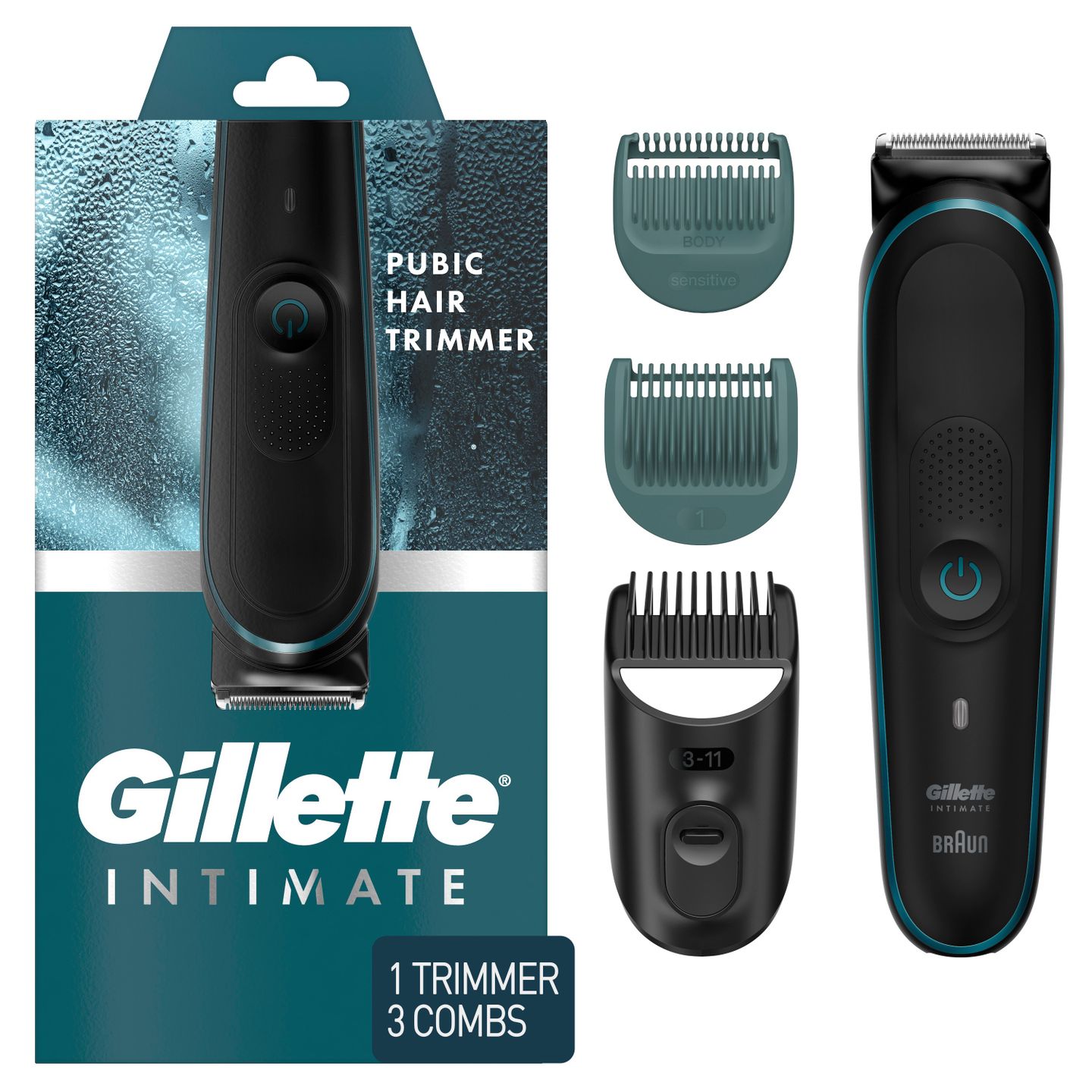
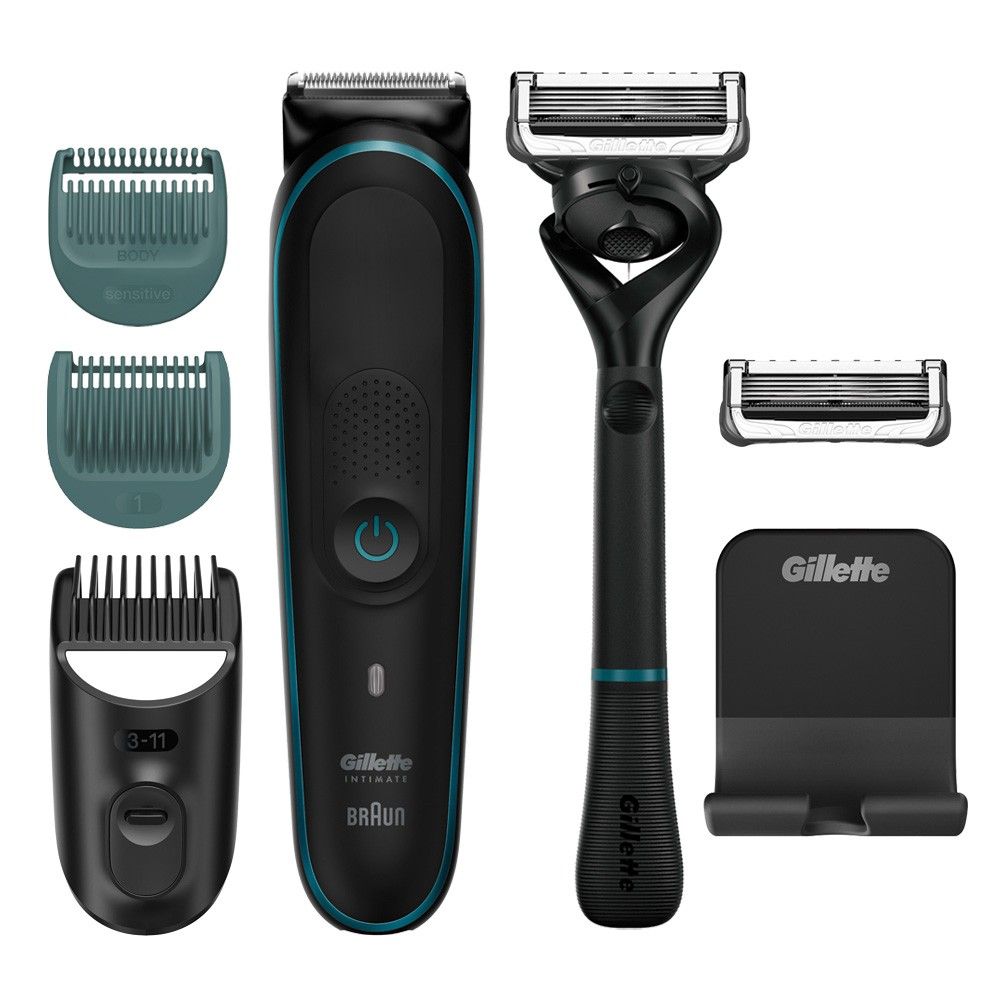
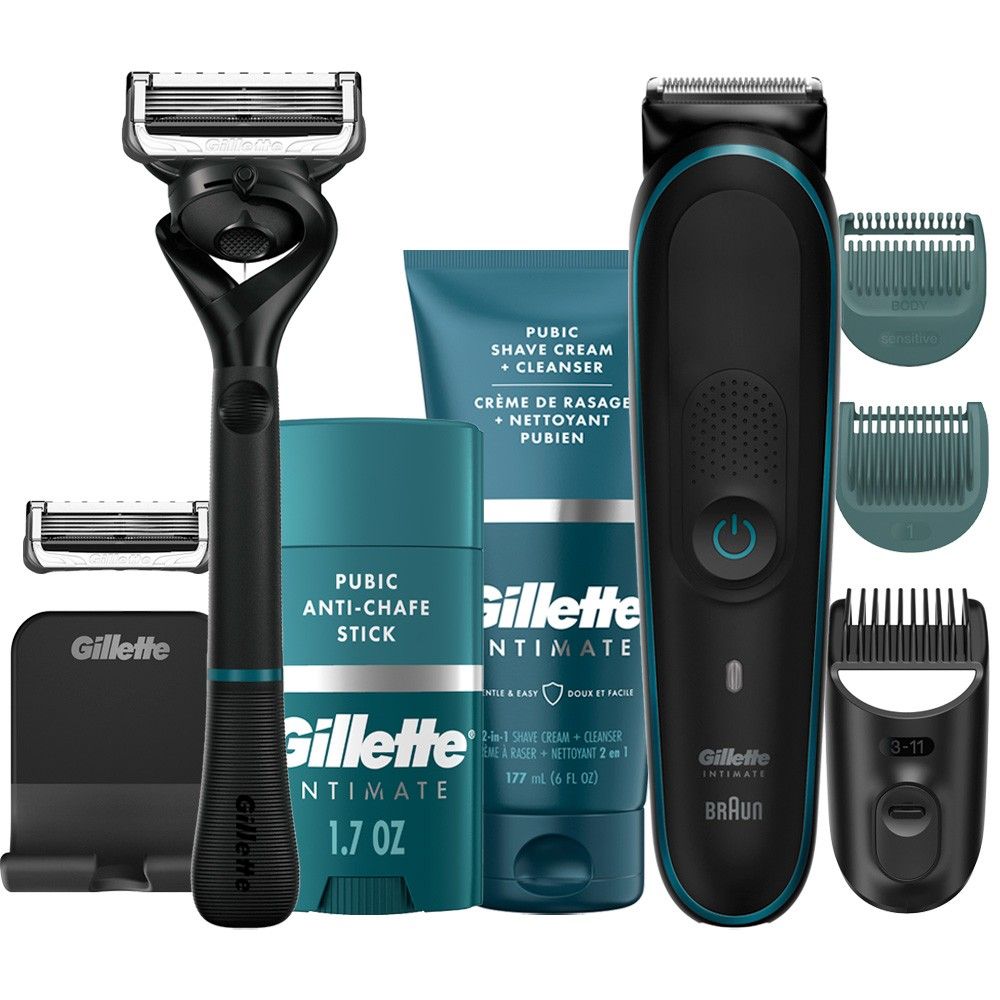
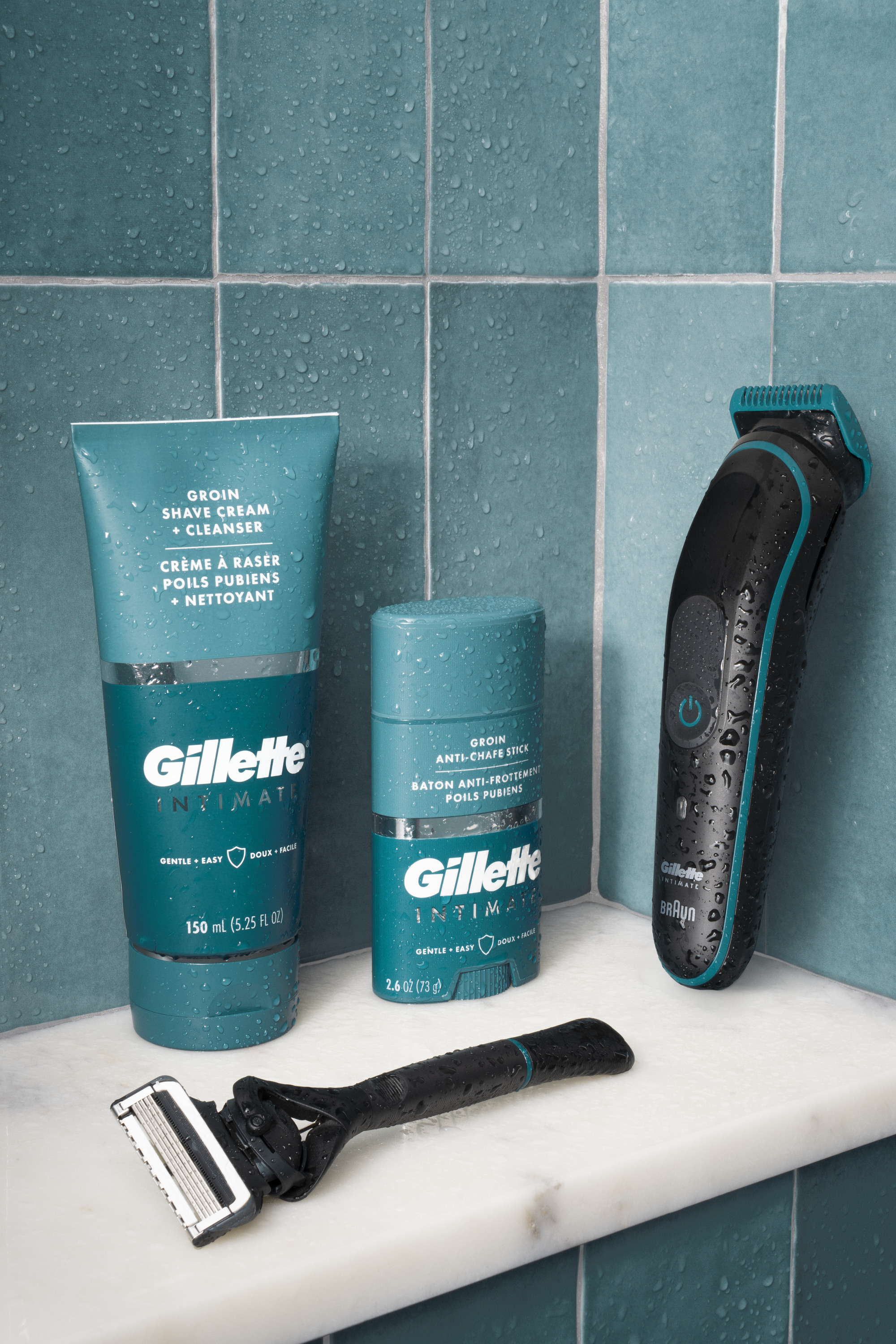
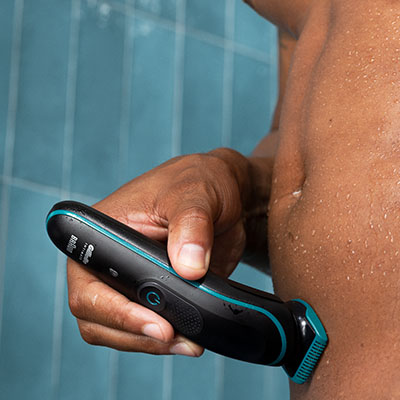
- Gillette INTIMATE™ Groomer with Sensitive Area Guards: A gentle, body specific trimmer that helps shorten hair safely while minimizing the risk of tugging.
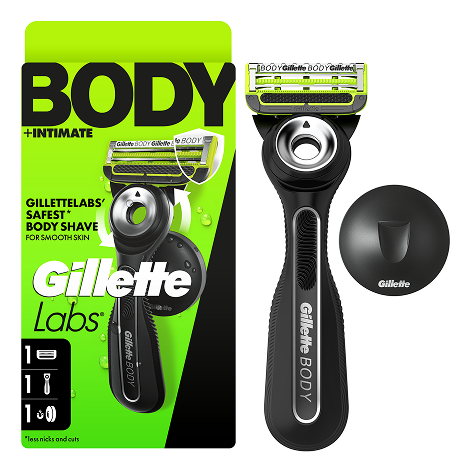
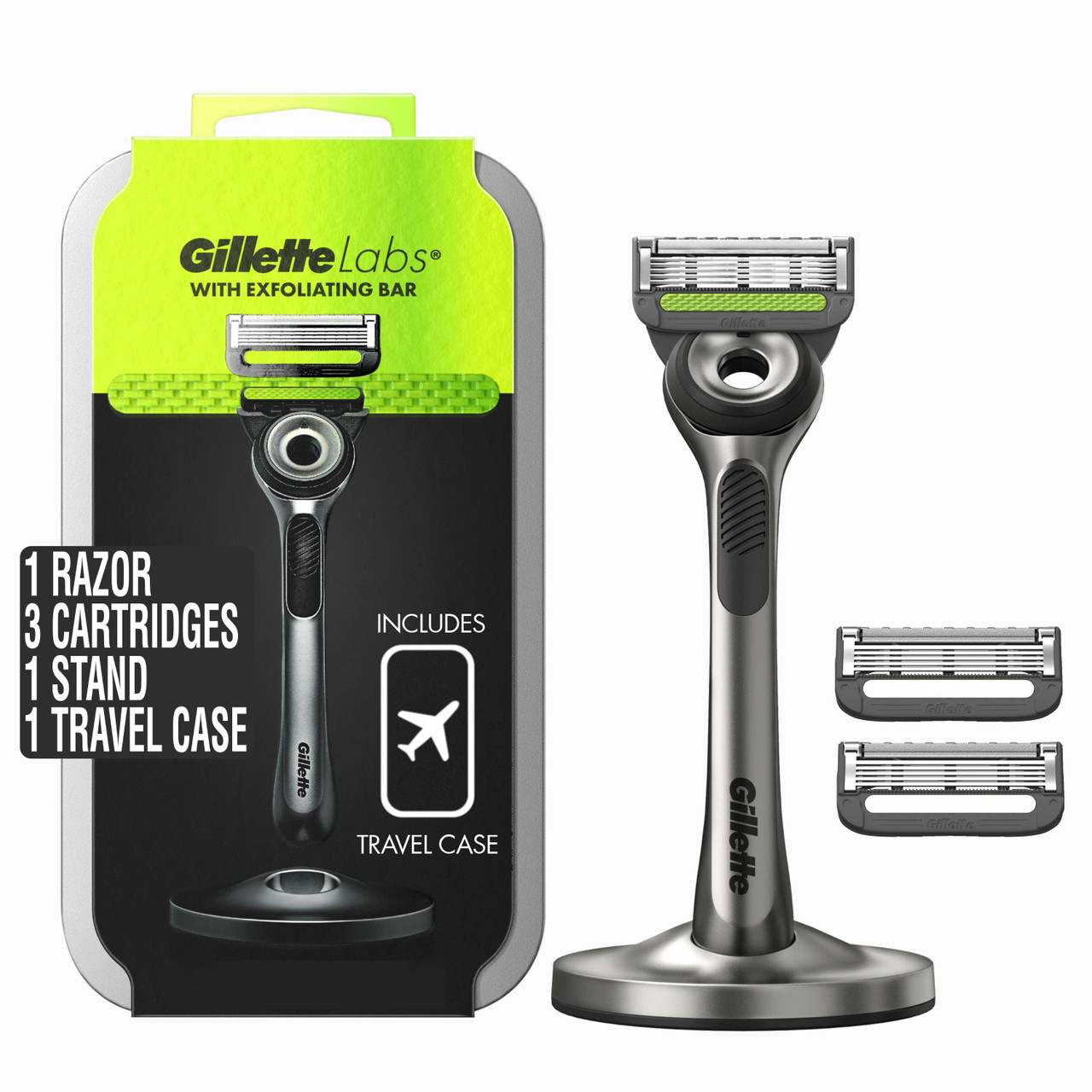
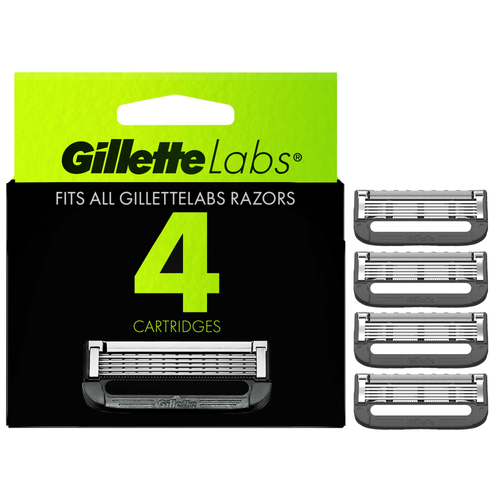
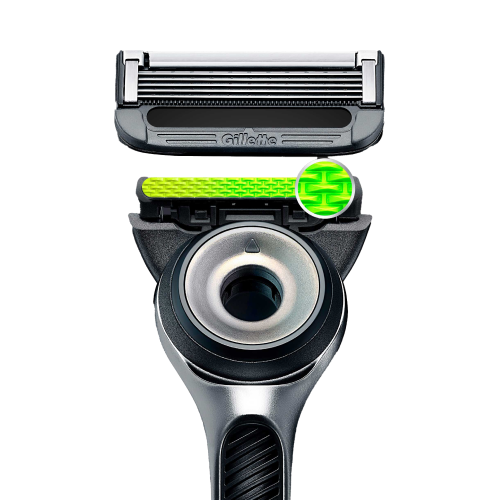
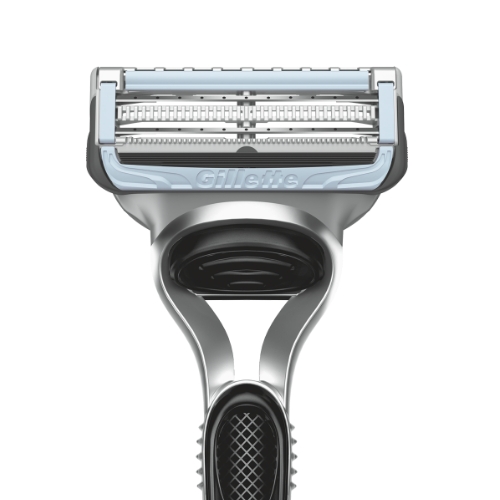
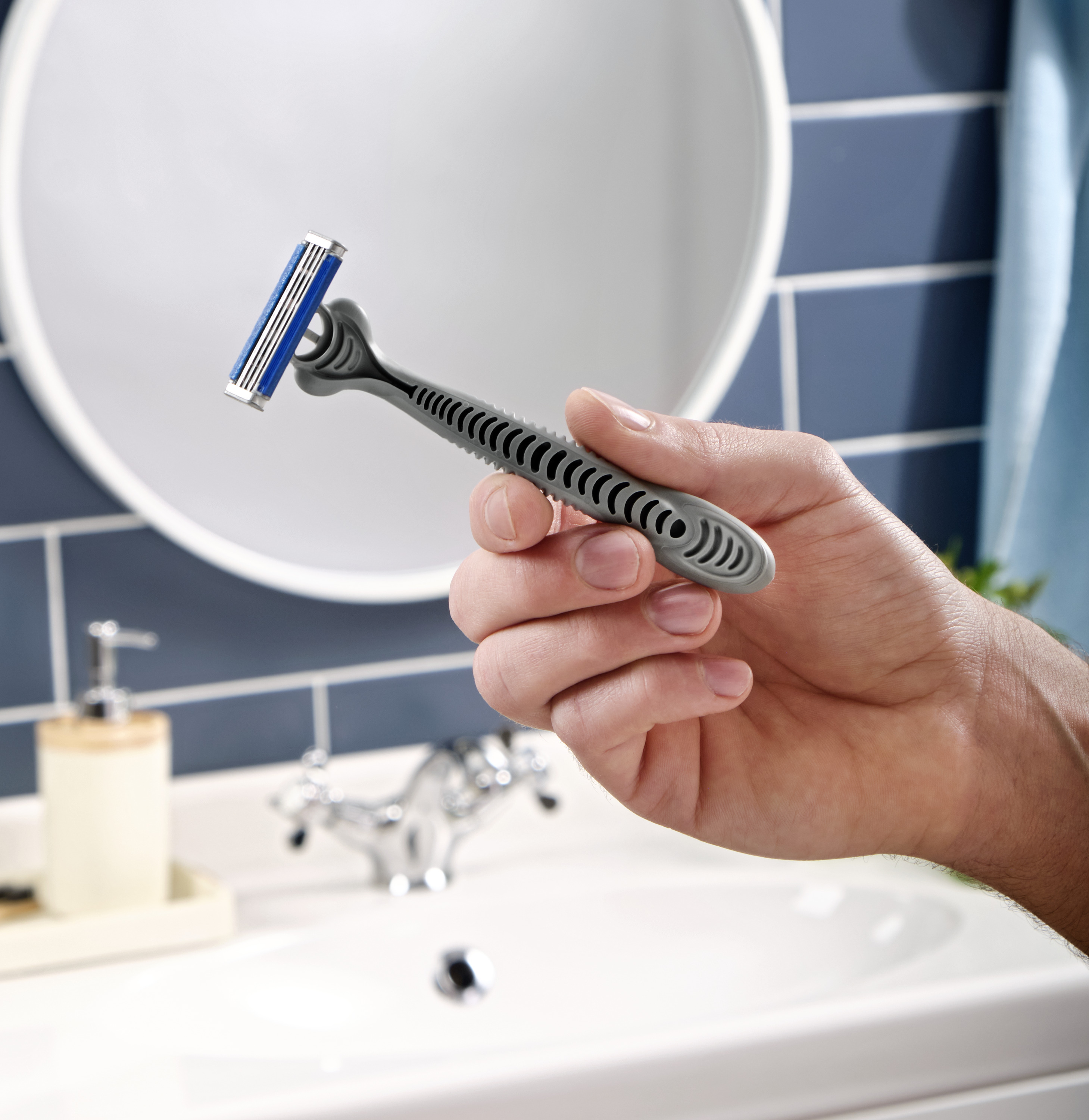
- GilletteLabs Body + Intimate Razor: A body‑specific razor designed for sensitive, flexible skin and thicker hair, helping improve control and reduce irritation when shaving delicate areas.
- Fragrance-free Moisturizer or Soothing Lotion: Helps calm and protect delicate skin after grooming.
- Waterproof, Easy Rinse Tools: Ideal for shower based grooming and quick cleanup.
- Clean, Soft Towel: For gently patting the area dry without causing friction.
- Tool Sanitizer: Keeps grooming devices clean and reduces irritation risks caused by buildup.
Why Body‑Specific Tools Matter for Safer Ball Shaving?
Men who groom intimate areas are more likely to want tools designed specifically for body shaving. Many products are built for faces, inflexible skin, longer hair, heat, or constant friction.
These help reduce:
- Ingrown hairs caused by hair being cut beneath the skin below the skin
- Nicks from wrinkled or uneven skin surfaces
- Itchy regrowth from inflammation
Comfort should never be a compromise.
How Do You Shave Your Balls Safely Without Irritation? (Step-by-Step Guide)

This routine supports comfort before, during, and after shaving balls. Each step helps reduce ingrown hair, irritation, and the ‘itch’ that comes 1-3 days later.
Step 1
Trim: How should you trim your balls before shaving?
Always trim long pubic hair first. Longer hair can catch and tug in razor blades, causing discomfort.
- Ensure clean and dry skin for accuracy
- Pull the skin taut (loose skin is risky skin)
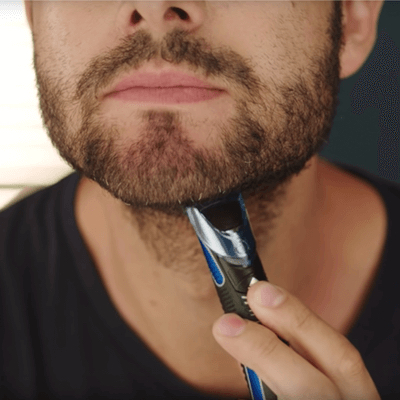
- Use a body-specific trimmer with skin-protection guards (facial trimmers and beard guards are not designed for intimate areas).
A sensitive-area guard helps shield skin from blades, especially where skin is thin and loose.
Why it matters: Trimming reduces pulling and improves visibility.
Step 2
Cleanse: How should you wash and prep your balls before shaving?
Warm water and cleansing creates the perfect shave environment:
- Softens coarse pubic hair
- Lifts dirt and bacteria
- Reduces blade friction
Use a lubricating shave cream, not foam or soap, as creams hydrate hair and create a protective cushion to prevent:
- Razor burn
- Cuts and scrapes
- Ingrown hairs
Why it matters: Cleansing softens hair and reduces friction.
Pro Tip:
“Create a thick lather and let it sit for 30-60 seconds before shaving.”
Step 3
Shave: What’s the best way to shave balls without cuts or irritation?
Technique matters more than speed. Follow this method for safer results:
- Use a sharp, fresh blade
- Prop one leg up for stability
- Pull skin tight with your free hand
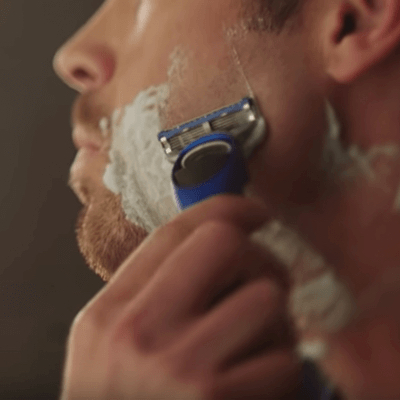
- Shave with the grain (hair direction) in short, slow strokes
- Rinse the blade frequently
- Take your time, slow, controlled strokes are safer.
If it helps flatten skin and improve precision, an erection can make shaving easier.
Pro Tip:
“Never use the same razor you shave your face with.”
Why it matters: Proper Shaving technique matters because it creates protective glide on scrotal skin.
Step 4
Protect: How should you protect your balls after shaving?
Freshly shaved skin faces more friction, especially from clothes and sweat.
Aftercare essentials:
- Pat dry (don’t rub)
- Apply fragrance-free moisturiser
- Avoid tight clothing for 24-48 hours
- Skip intense workouts immediately post-shave
Why it matters: Keep freshly shaved sensitive skin moisturized and friction free to help it recover.
What Are the Top Mistakes to Avoid While Shaving Your Balls?
When it comes to shaving the delicate skin of your balls, avoiding common mistakes can make a significant difference in comfort and safety.
- Rushing the shave, which increases the risk of cuts and nicks.
- Using a dull or dirty razor that can cause hair tugging, razor burn, and discomfort.
- Not preparing the skin properly (failing to cleanse and soften hair with warm water).
- Shaving without applying a quality shaving cream or gel, leading to increased friction and skin irritation.
- Skipping moisturizing after shaving, which can cause dryness and ingrown hairs.
- Dry grooming without any lubrication.
- Pressing too hard during shaving.
- Grooming irritated or broken skin, which hinders healing.
- Shaving long hair without trimming first.
- Using tools not designed for sensitive body areas, such as facial razors not safe for the body.
Troubleshooting - What to Do If You Experience Problems While Shaving Your Balls?
Shaving balls requires extra care. If something feels off during shaving your balls, here’s how to fix the most common problems quickly and safely:
- If hair tugs → Use a longer guard or make sure your grooming device is clean to reduce pulling.
- If razor clogs → Rinse the razor more frequently to maintain sharpness and prevent clogging.
- If redness develops → Gently apply a moisturizer that is free from fragrances to help calm and soothe the irritated skin, reducing discomfort and promoting healing.
- If bumps appear → Pause shaving and gently exfoliate once healed to prevent ingrown hairs.
- If lubrication disappears → Reapply shaving gel or cream before continuing to protect your skin.
- If skin folds → Adjust the shaving angle and keep the skin taut to avoid nicks and cuts.
Following these tips can help you overcome common shaving challenges, keeping your grooming routine safe and effective.
Remember: Small adjustments can quickly correct most issues and keep your shave smooth, comfortable, and irritation free.
How Should You Care for Your Skin After Shaving the Balls?

Proper aftercare is essential for keeping delicate skin calm, smooth, and free from irritation. Once the balls are shaved, the skin is more vulnerable to friction, dryness, and ingrown hairs — so a gentle, consistent routine makes a big difference. Reduce bumps and ingrowns with simple, consistent care.
Here’s how to help the skin recover comfortably:
- Exfoliate 2–3 times per week (after the skin has healed)
Light exfoliation removes trapped dead skin and helps prevent ingrown hairs. Make sure the skin has recovered before starting this step and always use a gentle exfoliating cloth or mild scrub. - Use hydrating lubrication every time you shave
A moisturizing shave gel or cream protects the skin during grooming and reduces the likelihood of post‑shave redness or irritation. - Replace blades regularly
Sharp blades glide more easily and reduce the need for repeated strokes, which helps minimize friction and sensitivity. - Shave in the natural direction of hair growth
This lowers the risk of bumps and irritation by reducing the amount of pressure placed on the skin. - Wear breathable fabrics afterward
Soft, airy fabrics help keep the area cool and reduce the friction that can lead to redness or discomfort. - Keep the skin dry throughout the day
Moisture and sweat can aggravate freshly shaved skin. Choose breathable clothing and avoid prolonged heat or humidity. - Avoid fragranced products
Scented lotions, soaps, and sprays can irritate delicate, freshly shaved skin. Stick to fragrance‑free, sensitive‑skin formulas. - Pause grooming if irritation appears
If the skin feels sensitive, looks red, or becomes irritated, give it time to recover before shaving again.
How Can Shaving Balls Help in Checking for Testicular Cancer?
Note:
“This information is not a medical diagnosis and does not replace professional medical advice.”
Intimate grooming isn’t just about appearance; it can play a genuine role in testicular health awareness. When the area is smoother and hair isn’t in the way, it becomes easier to notice subtle changes on or around the testicles.
A clean shave or trim can help you:
- See and feel the skin clearly
- Spot anything unusual early
- Become more familiar with what’s normal for your body
During or after grooming, do a quick self-check by gently rolling each testicle between your fingers.
Look for:
- New lumps or hard spots
- Visible swelling, redness, or irritation unrelated to shaving
- Changes in size, density, or contour
- Persistent pain or discomfort
You’re not looking for problems; you’re looking for peace of mind. Most changes are harmless (like cysts or vein swelling), but early detection of anything serious can make all the difference.
If you notice anything that feels ‘off’ and doesn’t resolve in a few days, reach out to a healthcare professional. Early diagnosis saves lives.
To make it easy to remember, think of the ‘Check While You Prep’ habit:
Groom + Self-Check = Smarter Intimate Care
Shaving can boost confidence, and it can also keep you more connected to your health.
FAQs On How to Shave your Balls
-
What’s better for sensitive‑area grooming: an electric trimmer or a manual razor?

A trimmer is gentler and ideal for reducing hair safely with minimal contact. A manual razor gives a closer finish but requires more prep and careful technique.
-
Should I Consider Trimming Instead of Shaving?

Yes — Trimming reduces irritation and ingrown hair risks. It keeps hair at a manageable length without exposing skin to blades. Trimmers with guards help avoid skin contact, making it ideal for those with sensitive skin or prone to discomfort.
-
Which is safer for shaving balls — wet shaving or dry shaving?
Wet shaving is much safer because warm water softens hair and reduces friction. Dry shaving increases the chances of tugging, redness, and irritation.
-
How Often Should You Shave Your Balls?
Most men shave their balls every 7–10 days depending on growth and comfort. If your skin is reactive, extend the time between sessions to allow full recovery.
-
Is it safe to use facial razors on delicate body areas?
Not recommended — facial razors are designed for flatter, firmer surfaces. Use tools made for delicate body skin to ensure better control and safety.
-
How can you prevent nicks on delicate, contoured skin?
Use light pressure, keep the area well‑lubricated, and work in short, steady strokes. Gently stretching the skin also helps create a smoother, safer surface.
-
Do you need to apply aftercare products after shaving your balls?
Yes, aftercare products rehydrate and protect. Moisturizers and anti-chafing creams soothe the skin post-shave, reducing irritation and friction. Ingredients like aloe vera and chamomile help calm redness, enhancing skin recovery and promoting a healthier appearance over time.
-
Can shaving balls cause itching as hair begins to grow back?
Yes, shaving can cause itchy regrowth, especially curly hair. Hydrate skin, use anti-itch products, and ensure proper blade spacing to reduce ingrown hair. Ingredients like menthol or tea tree oil can soothe and minimize post-regrowth itchiness.
-
Can I just use regular soap and water instead of a shave cream?
It's highly recommended not to. Regular bar soap and water do not provide the necessary lubrication and protection for such a sensitive area. Soaps can dry out the skin, increasing friction and the risk of nicks, razor burn, and irritation. A dedicated shave cream is designed to hydrate the hair and create a protective cushion, allowing the razor to glide smoothly and safely over the skin.
-
How can you reduce irritation or redness after shaving your balls?
Apply a calming, fragrance‑free moisturizer and avoid tight fabrics for a few hours. Letting the skin breathe and rest helps speed up recovery and prevent flare‑ups.
Was this article helpful?

