






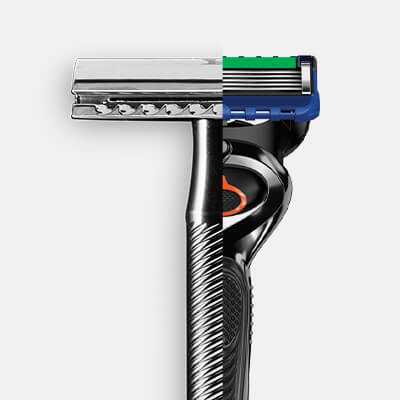






Introduction
TL;DR / Quick Answer - When Should You Shave for the First Time?
You should start shaving when you notice visible, darker facial hair and feel ready to groom confidently. Proper prep, gentle technique, and alcohol‑free aftercare help ensure a safe first shave.
- Look for darker, coarser hairs on the upper lip, chin, or jawline.
- Prep with warm water and shave gel for a smooth glide.
- Use gentle strokes to avoid nicks and irritation.
- Finish with alcohol-free aftercare for healthy skin.
Where Does Facial Hair Grow First?
Facial hair doesn’t appear all at once, and knowing where it grows first helps you decide when to start shaving. Most beginners notice initial growth on areas like the upper lip and sideburns before the cheeks or neck.
This is the order that facial hair tends to grow in:
- Upper Lip
- Sideburns
- Chin
- Cheeks
- Neck
Around the same time, you’re likely to start growing chest, armpit and pubic hair too, while the hair on your arms and legs will begin to look darker and wirier. To learn everything there is to know about body grooming and managing your body hair, check out our complete guide to body grooming.

When Should You Shave Your Face for the First Time & How to know?
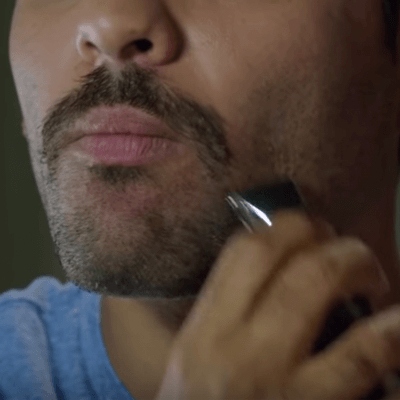
You’ll know you’re ready for your first shave when you notice visible facial hair—usually darker, coarser hairs on the upper lip, chin, jawline, or lower cheeks. The first hair often looks more like soft fluff than a full beard, and many guys choose to shave it off for a cleaner look. Others prefer to wait and see how much of a beard they can grow before shaving.
Personal comfort matters: If you want a neater appearance or feel more confident grooming, that’s your cue.
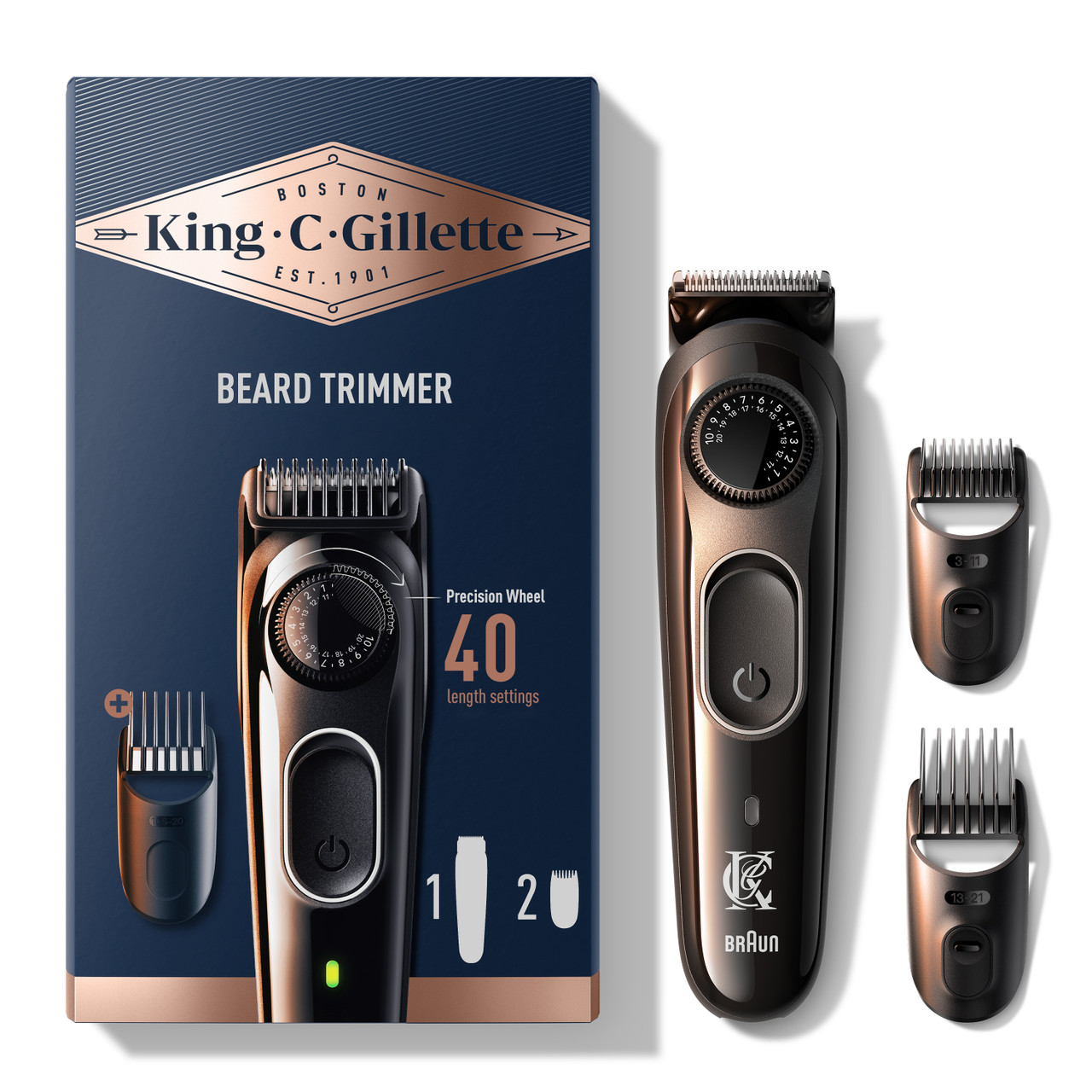
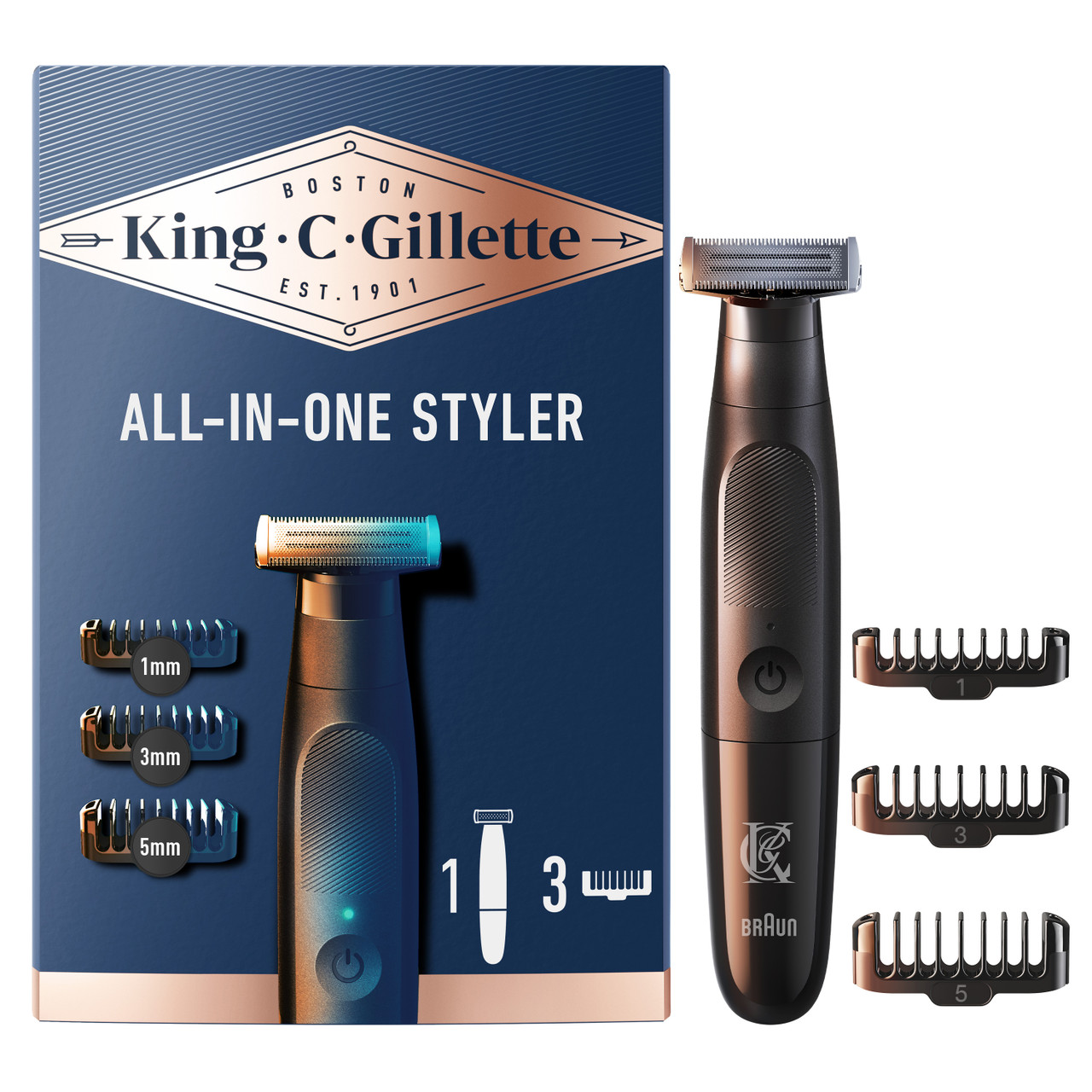
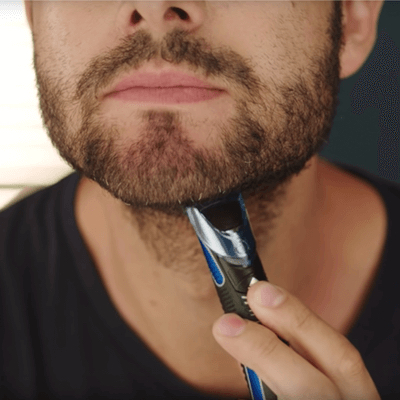
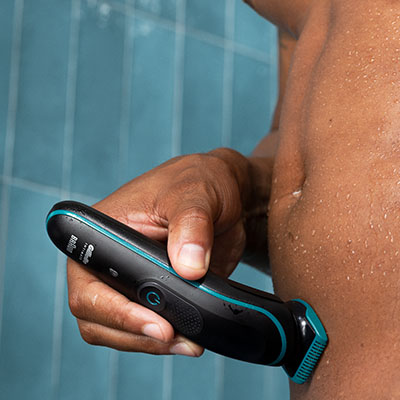
Trim or shave? If your facial hair is sparse or fine, start with a guarded electric trimmer. For thicker growth, use a manual multi-blade razor for a closer shave.
Sensitive or acne-prone skin? Begin gently with protective shave gel. If breakouts are active, consider an electric shaver to reduce irritation.
Need guidance? Ask a parent or experienced shaver for tips on safe technique.
Reality check: Most first shaves happen between ages 14-17, but readiness varies for everyone.
Myth-busting: Shaving does not make hair grow back thicker—stubble only feels blunt as it regrows.
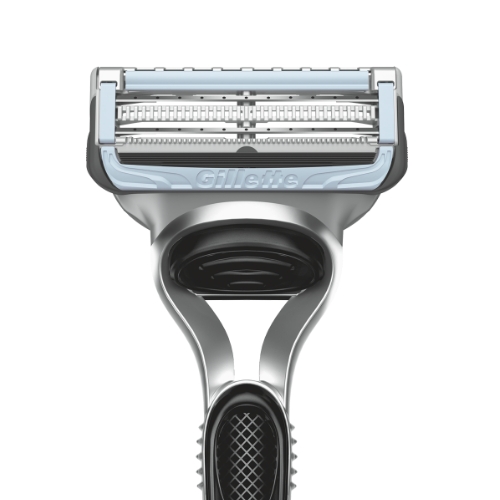
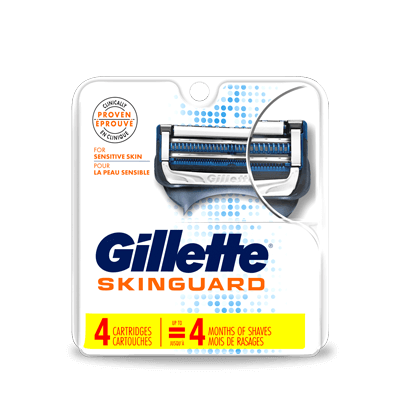
For younger, more sensitive skin, we recommend the Gillette SkinGuard Sensitive Razor, designed to protect against irritation and certified by the Skin Health Alliance as suitable for sensitive skin. So even if you’re worried about problem skin, you can shave confidently.
Beginner Face Shaving Kit: What Do You Need?
Starting your first shave? Here’s everything you need for a smooth, irritation-free experience:
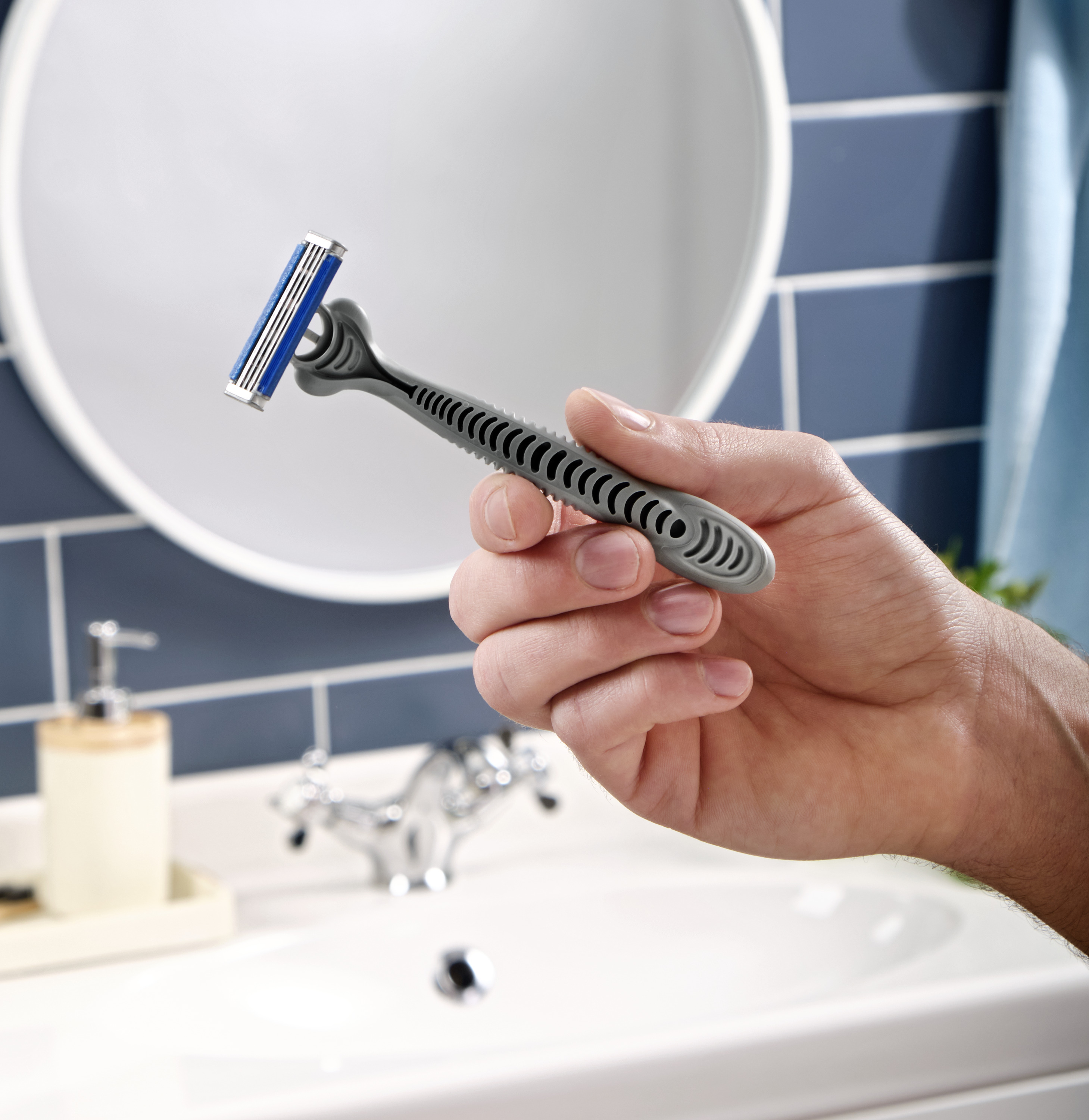
- Clean, Sharp Razor for Sensitive Skin: Choose a razor designed for comfort and protection. The Gillette SkinGuard Sensitive Razor is ideal for beginners with sensitive skin. Prefer a gentler start? An electric shaver is a great alternative.
- Shaving Preparation: Always prepare your skin with warm water and a gentle facial cleanser to soften hair and remove excess oils. This step ensures a closer, safer shave.
- Protective Lather: Use GilletteLabs Rapid Foaming Shave Gel or cream—look for alcohol-free and fragrance-free formulas for sensitive skin. This reduces friction and prevents irritation.
- Post-Shave Care: Finish with an alcohol-free aftershave or a gentle moisturizer containing soothing ingredients like aloe, glycerin, or niacinamide. This helps calm and hydrate your skin.
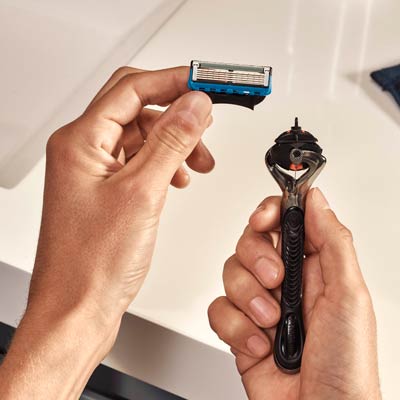
- Hygiene Matters: Keep your razor clean and replace the blade when it begins to tug, feels dull, or when the lubrastrip fades. Most shavers typically replace blades every 5–10 shaves.
How to Shave for the First Time in 5 Simple Steps
A simple, step‑by‑step routine helps first‑time shavers avoid cuts and irritation.
Follow these five steps on your first few attempts at shaving, and you’ll have soon mastered your shaving technique:
Step 1
Wash Your Face
Have a shower just before you start shaving to hydrate, clean and soften your facial hair – this will make it much easier for your razor blade to cut through.
Why it matters: Soft hair is easier to cut, which helps prevent tugging and irritation.
Step 2
Prepare Your Skin
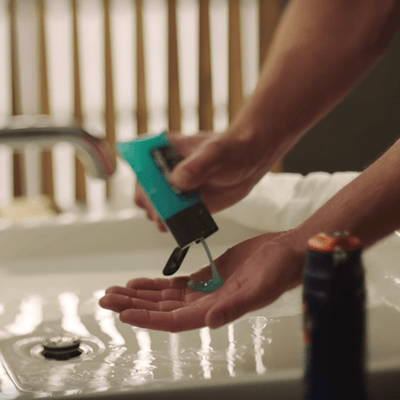
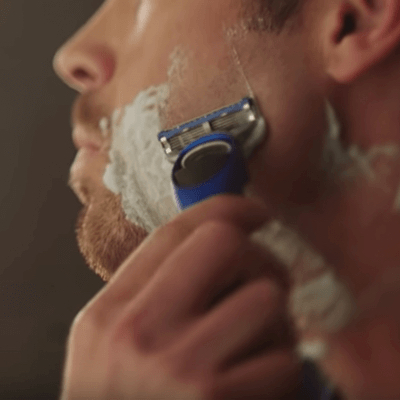
Get your skin ready for the razor by applying shaving gel or foam all over the area you’re going to shave, making sure you work up a really good lather. Shaving gel tends to be richer than foam, so use our GilletteLabs Rapid Foaming Shave Gel for your first shave and see how you get on. It doesn’t contain any dyes or alcohols, so it’s ideal for sensitive skin.
Why it matters: A protective lather lets the razor glide smoothly, reducing nicks and razor burn.
Step 3
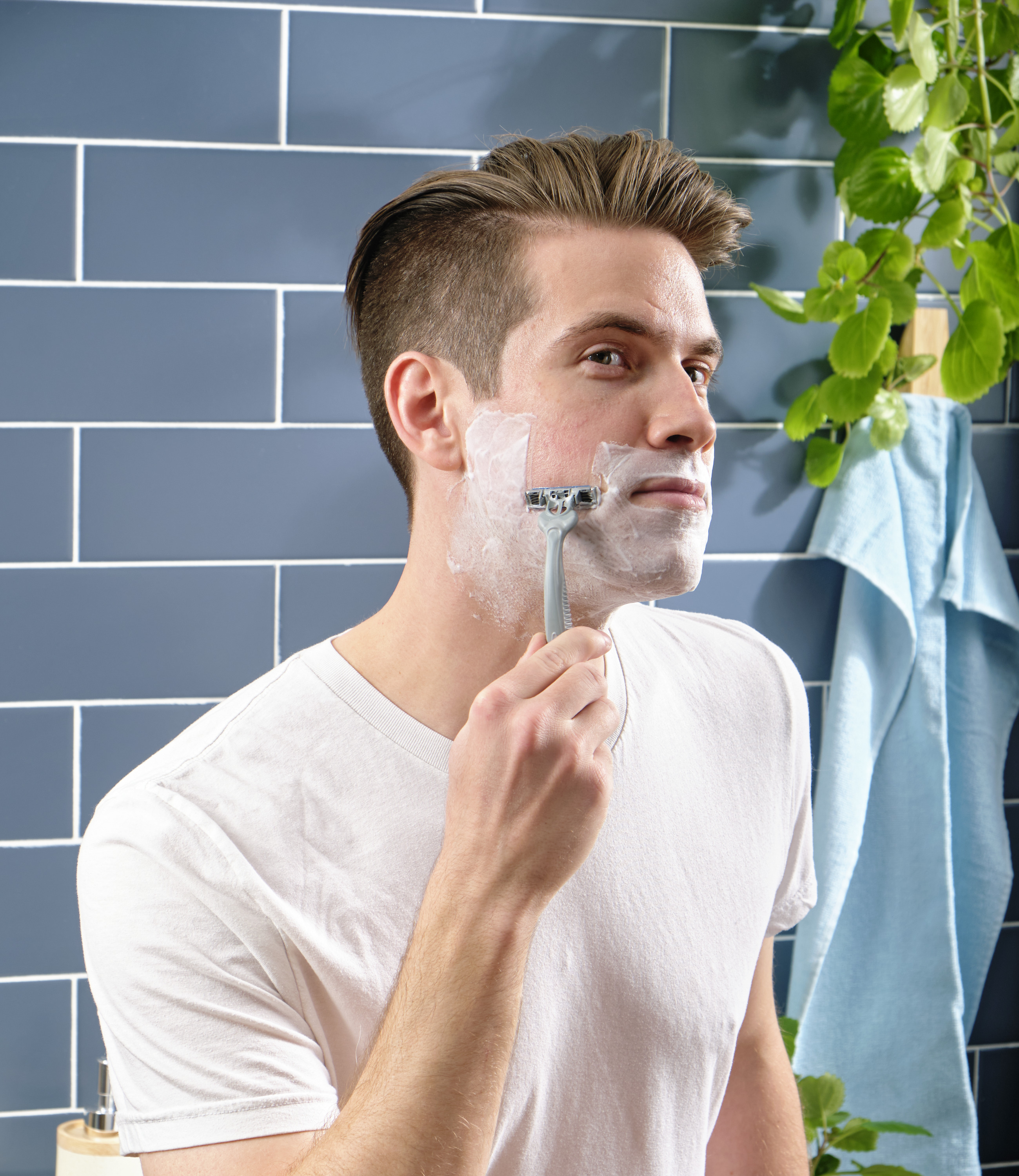
Get Shaving
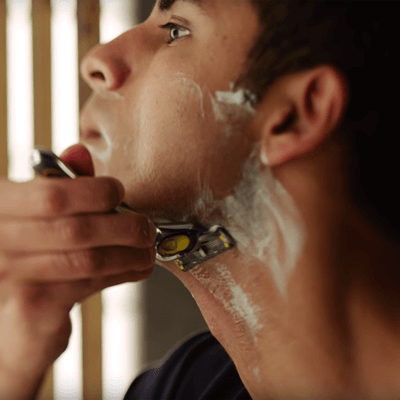
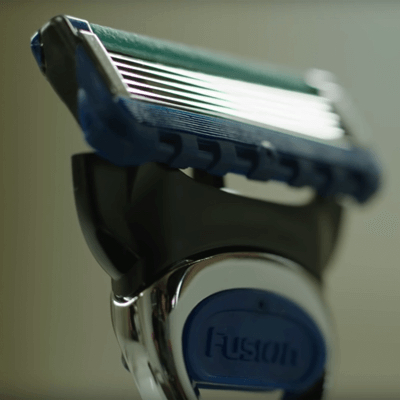
Use your razor to take light, gentle strokes down your face. Our SkinGuard Sensitive Razor has a little bridge between the blades to minimize pressure, so blades press less on sensitive skin.
Why it matters: Gentle strokes prevent cuts and protect skin that’s new to shaving.
Step 4
Rinse Your Face as You Go
Rinse your razor after every few strokes to keep blades clean and effective. This helps maintain smooth gliding and reduces irritation.
Why it matters: Clean blades cut better, helping you avoid clogging and irritation.
Step 5
Moisturize Your Face
Give your face and neck a final rinse, then moisturize to soothe and hydrate your skin. A moisturizer can do both of these jobs, and you can learn more about what makes the perfect post-shave routine here.
Why it matters: Moisturizing calms the skin after shaving and helps prevent dryness or redness.
Pro Tip:
“Always Check Your Blade Before You Start”
How Do You Prevent Irritation During Your First Shave?
Shaving for the first time can feel tricky, but following the right techniques and using the right products will help you avoid razor burn and discomfort.
- Techniques to Follow: Apply light pressure, use unhurried strokes, and always shave with fresh blades to reduce tugging and razor burn. Avoid rushing; patience ensures a smoother shave.
- Take Proper Blade Care: Replace cartridges regularly and keep your razor clean. After each shave, rinse thoroughly and air-dry in a ventilated spot to prevent bacteria buildup. Read the article on How Often Should You Change Razor Blades for more information.
- Shaving Sensitive Zones: Areas like the upper lip and neck need extra care. Use short, gentle strokes and avoid going over the same spot repeatedly to minimize irritation. Read this article on Tips for Shaving Sensitive Skin.
- Post-Shave Products: Choose alcohol-free, fragrance-free lathers and post-shave care products designed for sensitive skin. Look for soothing ingredients like aloe, glycerin, and niacinamide to calm and hydrate.
Make Getting into Shaving Hassle-Free
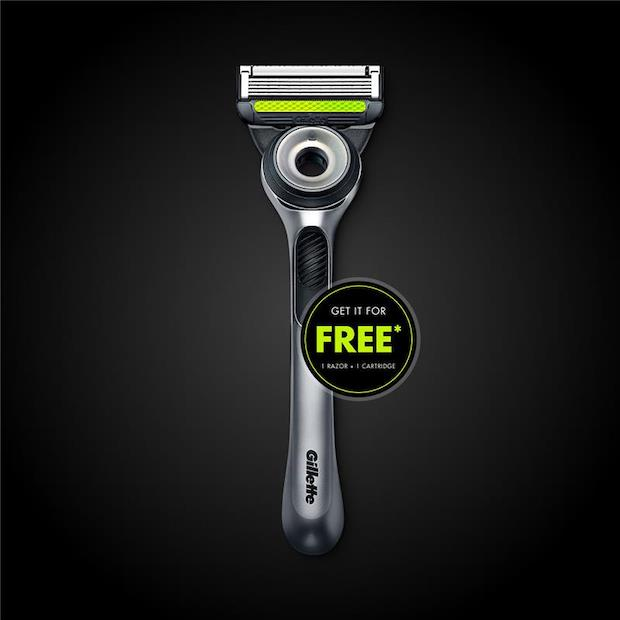
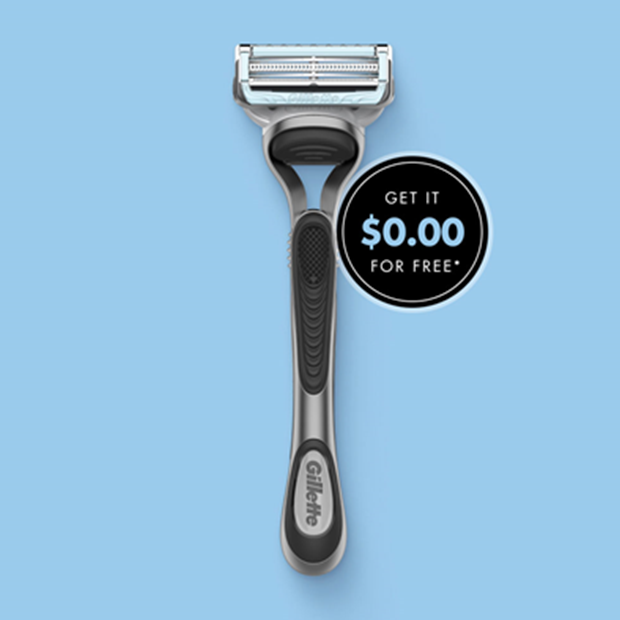
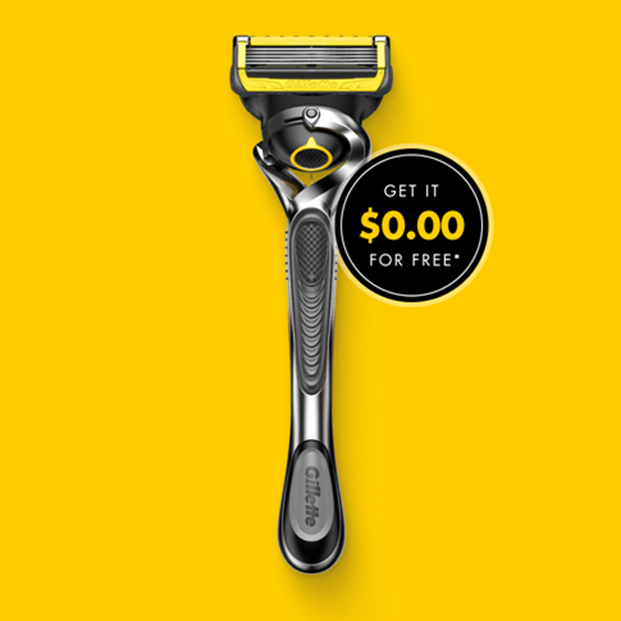
Make shaving completely hassle-free by subscribing to Gillette’s shave club, and you’ll get everything you need to get into shaving properly delivered to your door in a handy starter kit.
Give it a go and you won’t have to worry about remembering to buy fresh blades. And you’ll also get access to exclusive offers too.
GET YOUR FREE STARTER KITTroubleshooting: How Should Beginners Shave with Acne or Very Sensitive Skin?
Shaving with acne or sensitive skin requires extra care. Adjusting tools and technique helps protect the skin while maintaining hygiene and comfort.
Follow this simple if–then guide:
What Are Some Common First-Time Mistakes to Avoid
Most first‑time shaving problems come from rushing, using dull blades, or skipping prep and aftercare. Avoiding these beginner mistakes helps protect your skin and build long‑term shaving confidence.
-
Shaving Too Early (Before Visible Facial Hair Appears)
Starting before you have noticeable facial hair can lead to unnecessary skin irritation. Wait until you see darker, coarser hairs on your upper lip, chin, or jawline. -
Using Dull Blades That Tug and Irritate
A dull blade increases friction, causing nicks, razor burn, and ingrown hairs. Use a fresh, sharp blade for your first shave, and replace it when it starts to tug, feels dull, or when the lubrastrip begins to fade—most beginners typically replace blades every 5–10 shaves. -
Skipping Prep and Aftercare Steps
Skipping warm water prep and post-shave care is a recipe for irritation. Prepping softens hair and opens pores, while aftercare calms and hydrates skin. -
Shaving Against the Grain on Sensitive Areas
Going against the grain might feel closer, but it’s harsh on sensitive skin and can cause razor bumps and redness. Always shave with the grain, especially on the neck and upper lip.
Conclusion
Your first shave should be comfortable and safe. Wait until facial hair is visible, prepare properly, shave gently, and finish with soothing aftercare. With the right tools and technique, you’ll start your grooming journey with confidence.
FAQs on When to Shave for the First Time
-
What age should you start to shave?

Most guys typically start shaving between 14–17, but timing varies for everyone. Wait until you see visible facial hair and feel comfortable grooming.
-
Does shaving make facial hair grow faster?

No, shaving does not affect hair growth speed or thickness. Regrown hair may feel blunt because of the cut, but it’s just an illusion.
-
Is it better to shave or trim first?
If your facial hair is sparse or fine, start with a guarded electric trimmer. If it’s thicker, go for a manual razor for a closer shave.
-
Should I shave my mustache first?
Yes, the upper lip is usually the first area to show noticeable hair, making it a good starting point for beginners.
-
In which direction should I shave?
Always shave with the grain (in the direction of hair growth) for comfort. Avoid shaving against the grain initially to prevent irritation.
-
What’s the best razor for beginners?
The Gillette SkinGuard Sensitive Razor is ideal for first-time shavers. For extra gentleness, consider an electric shaver.
-
How do I avoid irritation on my first shave?
Prep with warm water and shave gel, use light strokes, and finish with alcohol-free aftercare to keep skin calm.
-
Can I shave if I have acne?
Yes, but be careful. Use an electric shaver or shave gently around breakouts to avoid aggravating the skin.
-
What products should I use for sensitive skin?
Choose alcohol-free shave gel and a soothing moisturizer with ingredients like aloe or glycerin for hydration and comfort.
-
How often should I shave after my first time?
Shave as needed, usually every few days depending on your hair growth and personal preference.
Was this article helpful?

