










Introduction
TL;DR / Quick Answer – What’s the Fastest Way to Prevent and Treat Razor Burn?
Prevent irritation with smart shaving habits, and treat it quickly if it happens:
Quick Steps:
- Use fresh blades for a smooth glide
- Apply quality shave gel for protection
- Shave with the grain using light pressure
- Rinse often and finish with cool water
- Apply alcohol-free aftershave or fast absorbing moisturizer
- If razor burn occurs then pause shaving, apply a cool compress, and use hydrating, fragrance-free products until skin calms
What Tools and Products You’ll Need That Help Prevent Razor Burn
The right combination of fresh blades, protective shave gel, and soothing aftercare helps dramatically reduce friction—the main cause of razor burn. To keep irritation at bay, stock up on these essentials:
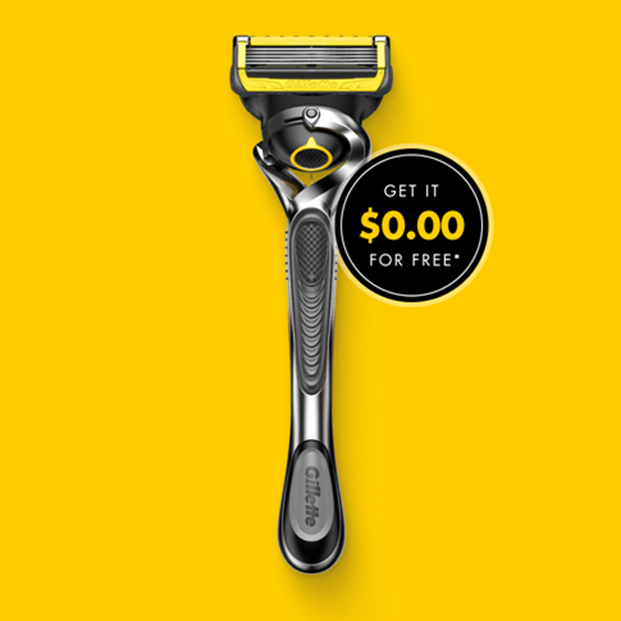
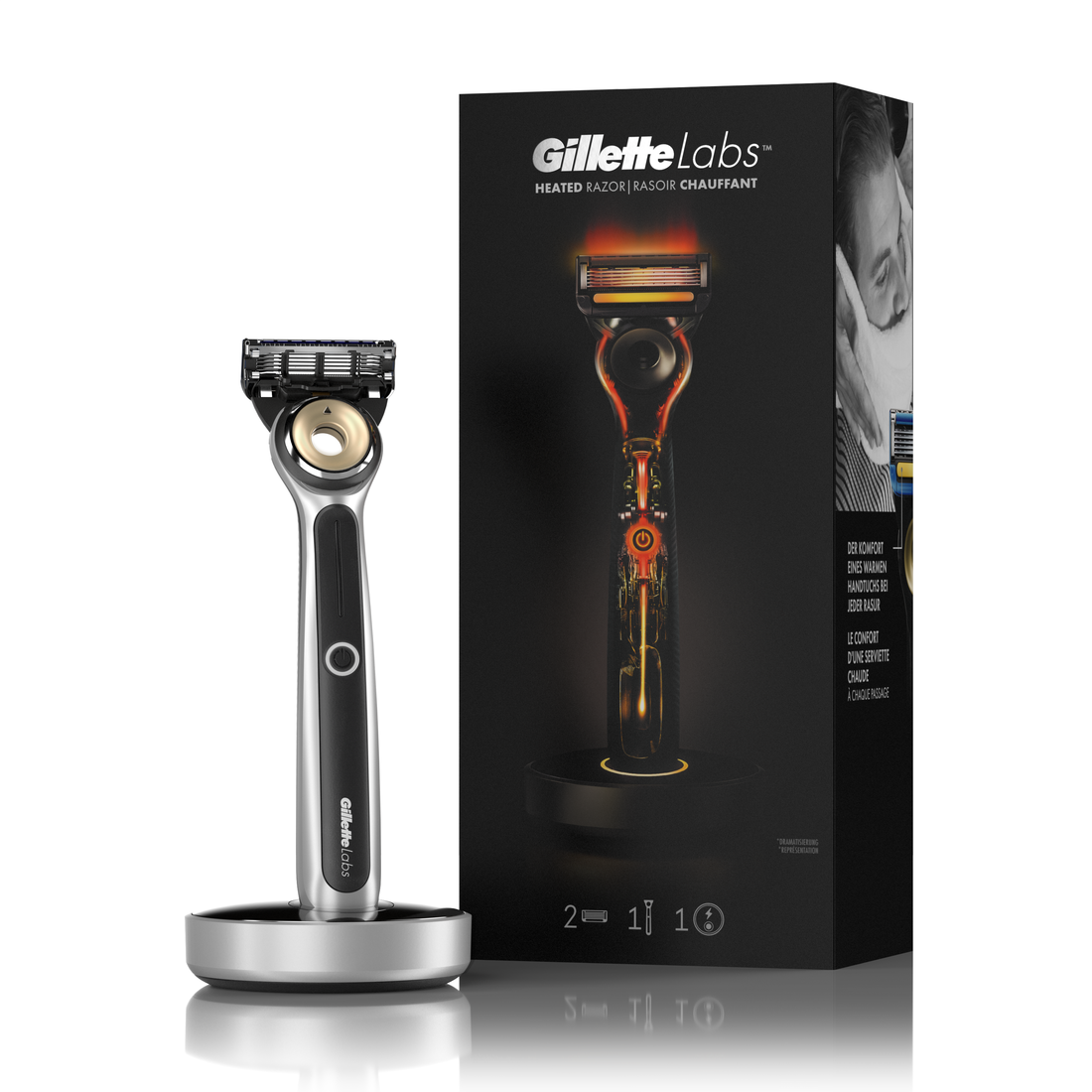
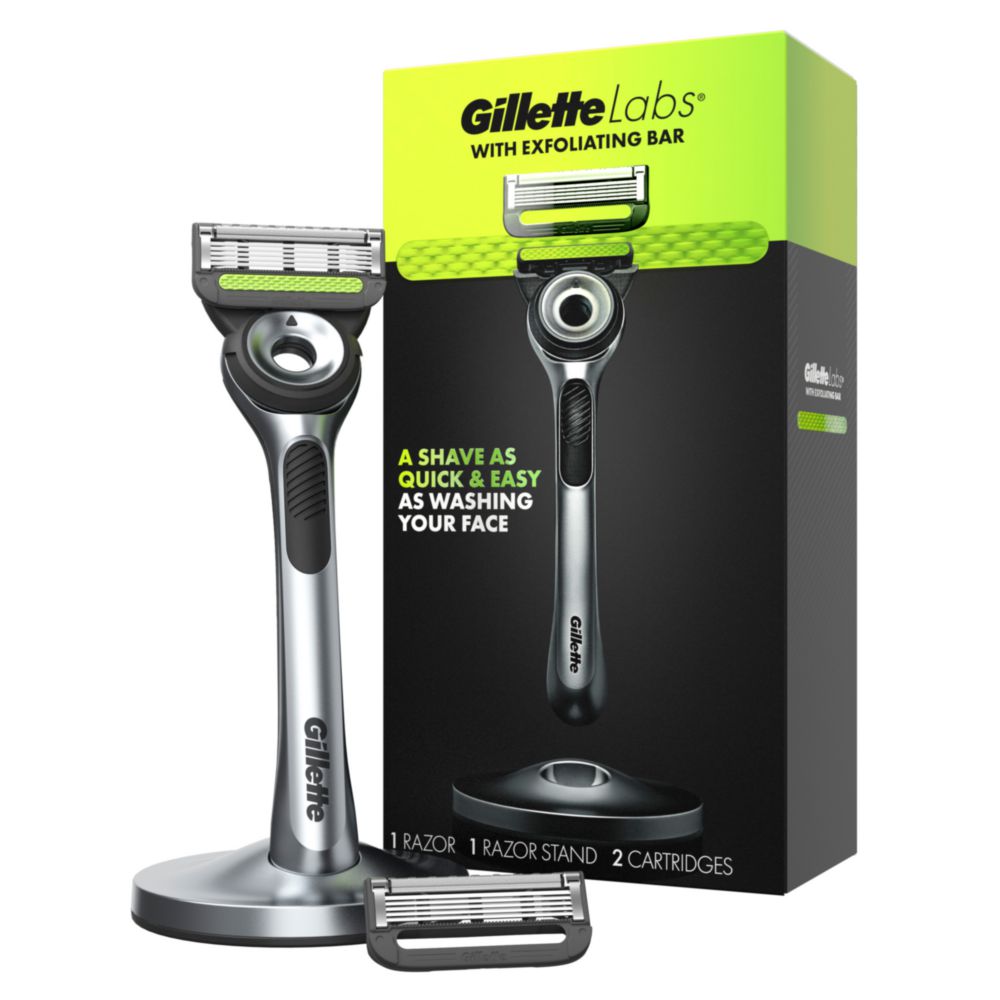
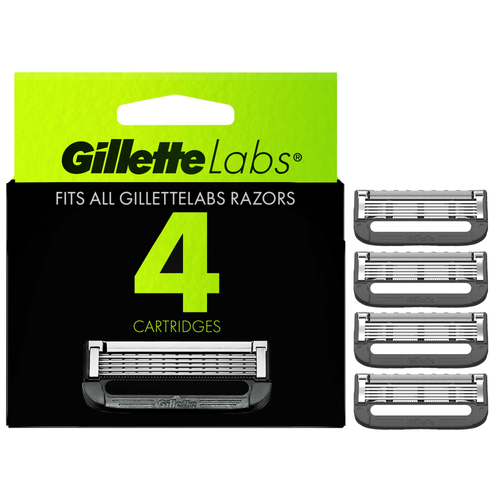
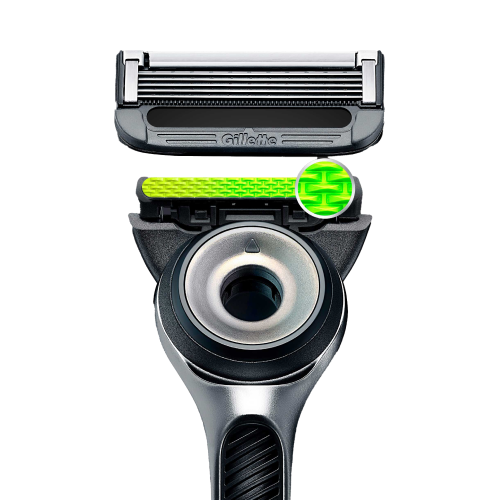
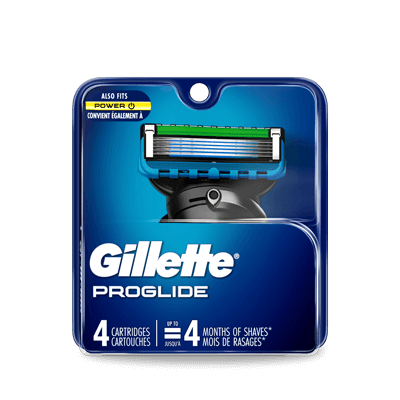
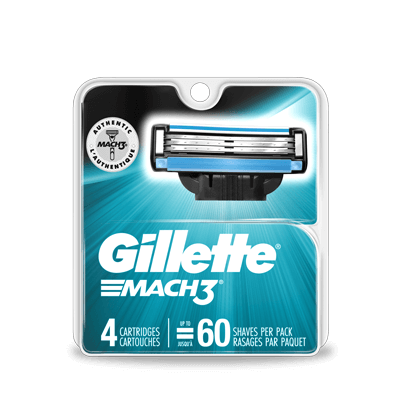
- Fresh Razor Blades – Prevent tugging and friction. Replace regularly for a smooth glide.
- GilletteLabs Rapid Foaming Shave Gel – Cushions and protects skin for a comfortable shave.
- Mild Aftershave - Soothes and hydrates without the sting.
- Fast Absorbing Moisturizer – Provides cooling hydration and comfort post-shave.
What Is Razor Burn and How Is It Different from Razor Bumps?
Razor burn is a temporary irritation caused by friction, while razor bumps result from ingrown hairs curling back into the skin. Understanding the difference helps you choose the right treatment and prevent future shaving discomfort.
- Razor Burn: A temporary skin irritation caused by friction, dull blades, or aggressive shaving. Common symptoms include redness, stinging, and sensitivity.
- Razor Bumps: Small, inflamed bumps caused by ingrown hairs curling back into the skin, often linked to curly or coarse hair.
Can They Appear Together? Yes—especially on sensitive skin or when shaving without proper prep and technique.
What Are the Symptoms of Razor Burn?
Razor burn typically shows up within minutes after shaving and can vary from mild redness to a persistent stinging sensation. Knowing the symptoms helps you take quick action to soothe and protect your skin.
- Redness and Inflammation – Skin appears irritated and flushed after shaving
- Burning or Hot Sensation – Feels like a mild sting or heat on the skin
- Itchiness or Tenderness – Persistent discomfort that worsens with touch
- Small Red Bumps – Sometimes mistaken for razor bumps, but usually flat and temporary

How Do You Treat Razor Burn?
Treat razor burn by giving your skin time to recover, cooling the irritated area, and applying hydrating, fragrance‑free products. Gentle care helps reduce inflammation and speeds up healing. If razor burn strikes, follow these quick steps to calm and restore your skin:
- Pause Shaving – Give your skin time to recover before your next shave.
- Apply a Cool Compress – Helps reduce redness and soothe irritation.
- Hydrate with Fragrance-Free Moisturizers – Use fast absorbing moisturizer for lightweight hydration and comfort.
- Consider Mild Anti-Inflammatory Options – For severe cases, consult a dermatologist for approved treatments.
How Do You Prevent Razor Burn? Step-by-Step Guide
Preventing razor burn starts with sharp blades, proper hydration, and gentle technique. Following a structured routine helps minimize friction and keeps your skin smooth after every shave.
Step 1
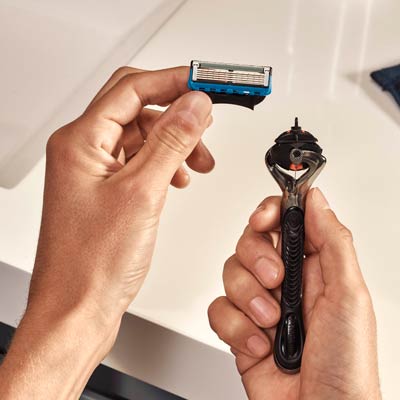
Swap Your Blades
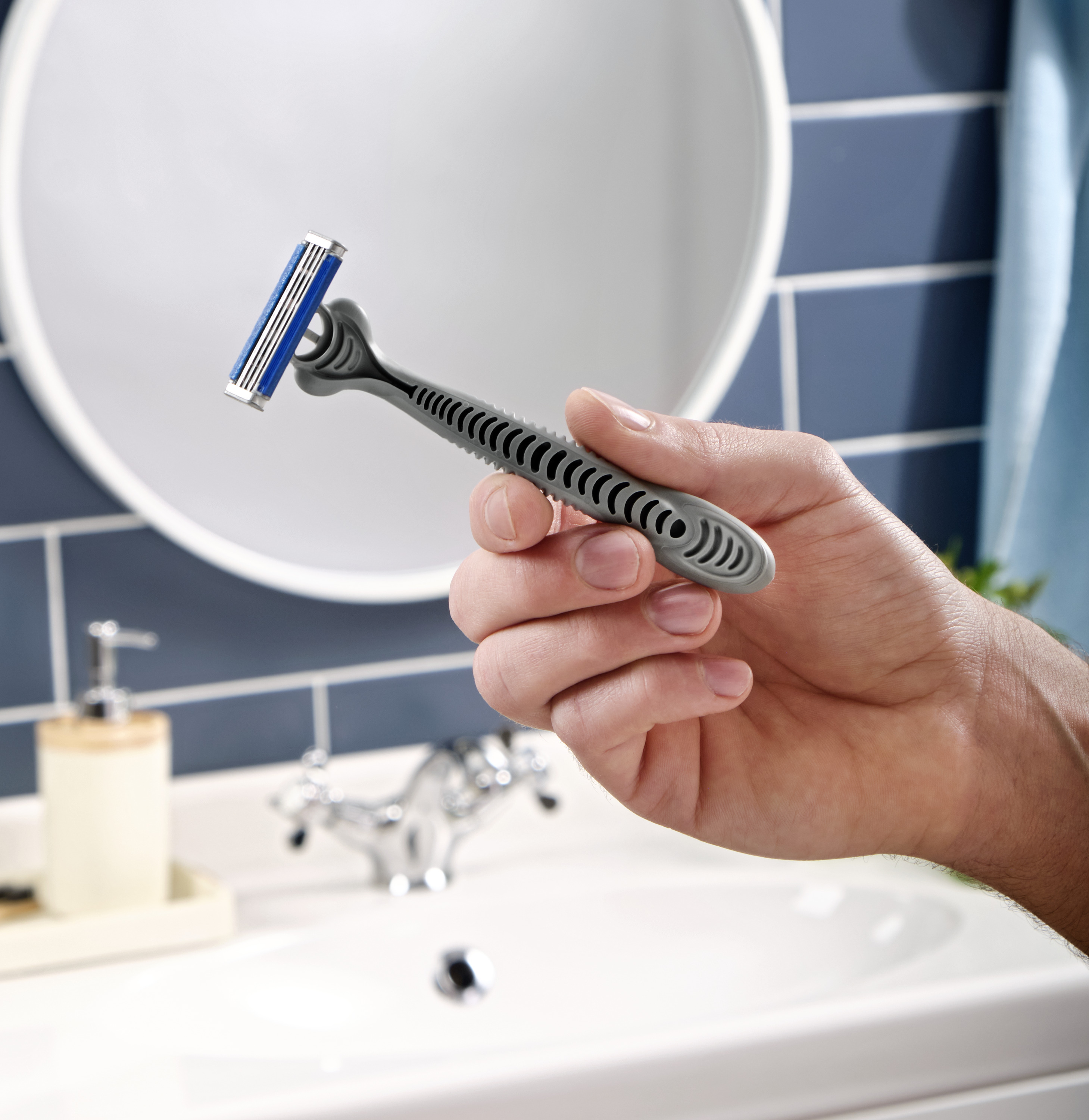
Don’t get burned by bad blades. When you begin to feel discomfort, swap out dull blades to reduce tug and pull.
Why it matters: Dull blades drag across the skin instead of cutting cleanly. This creates irritation, and micro‑abrasions that lead directly to razor burn.
Step 2
Prepare your Skin
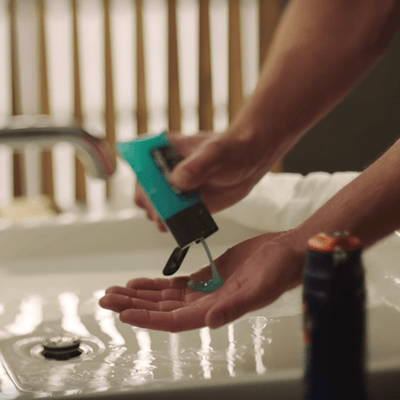
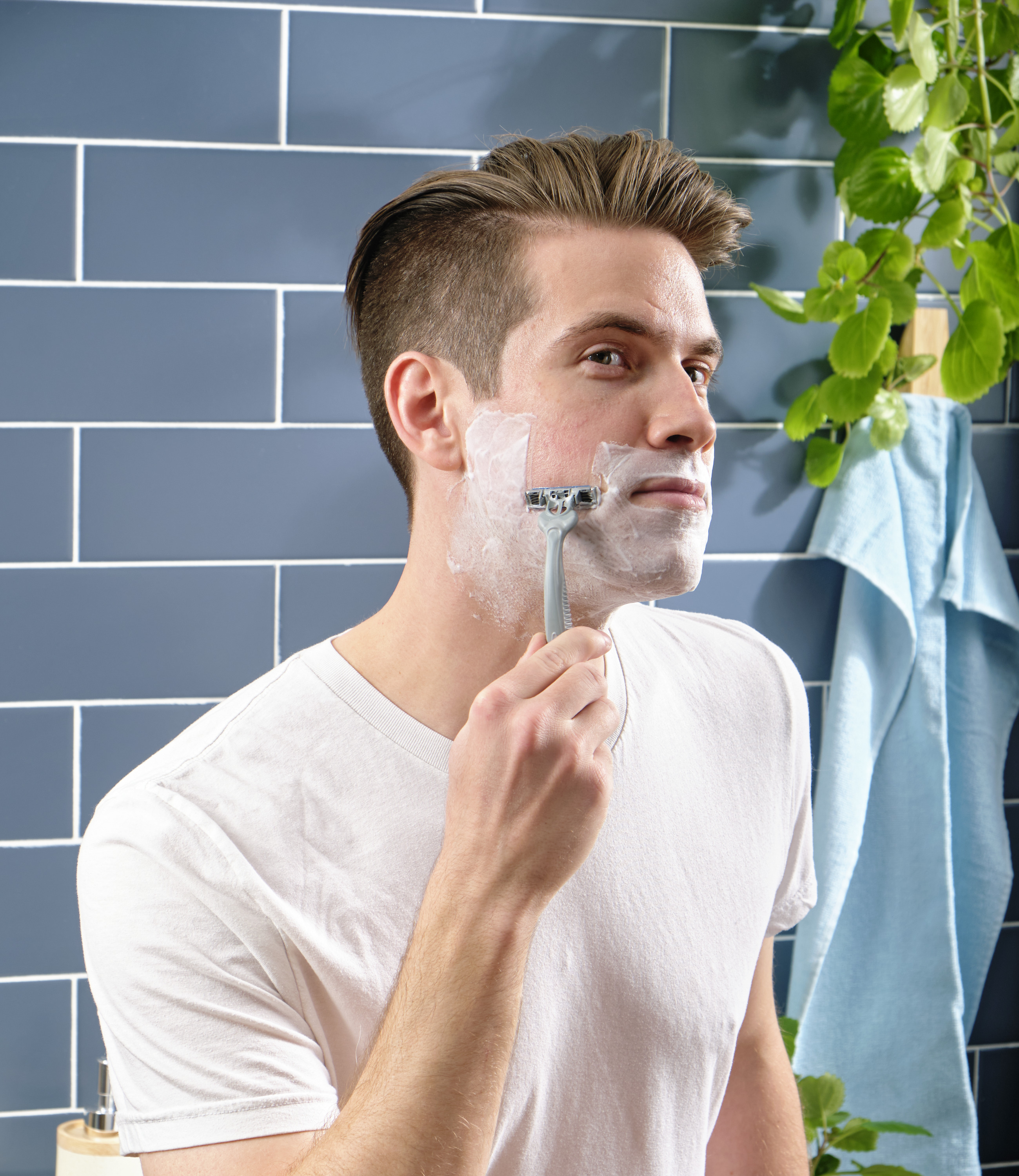
Hydrate with warm water and apply a quality shave gel for cushion and glide.
Why it matters: Softened hair requires less force to cut, which reduces pulling. Shave gel adds a protective barrier to minimize friction — one of the main causes of razor burn.
Pro Tip:
“Shave after a warm shower when your hair is softened."
Step 3
Don’t Get Burned by Re-Strokes
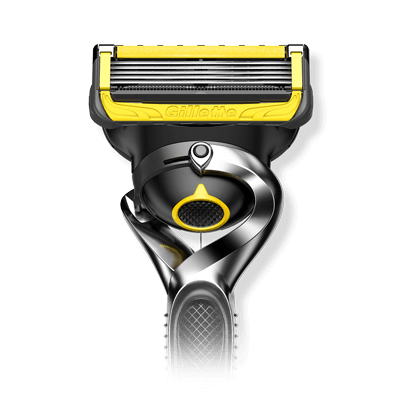
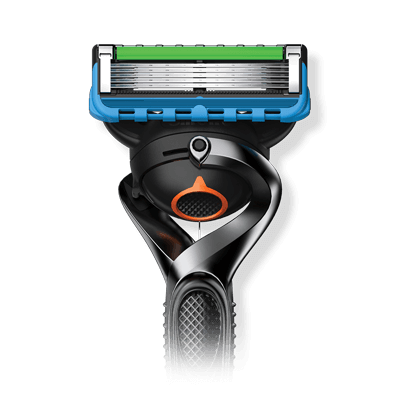
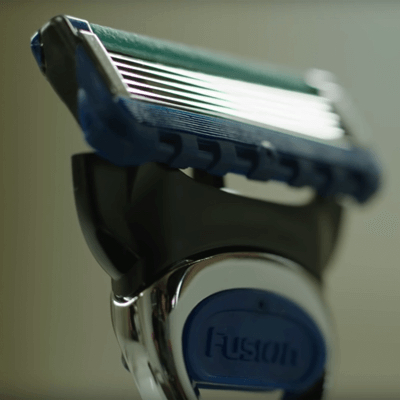
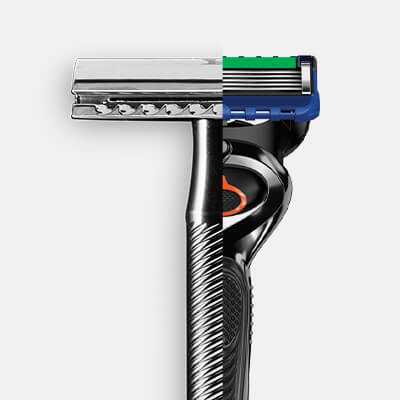
Men average about 170 strokes while shaving, and almost 120 of these are re-strokes. Once you scrape off the shave cream, be mindful of repeating strokes, as this decreases lubrication, which can lead to shaving irritation. Luckily, the Fusion® ProGlide Shield™ razor provides shielding from irritation, with lubrication before and after the blades.
Why it matters: Every extra pass without gel strips moisture from the skin and increases the risk of redness, burning, and post-shave sensitivity.
Step 4
Tread Lightly
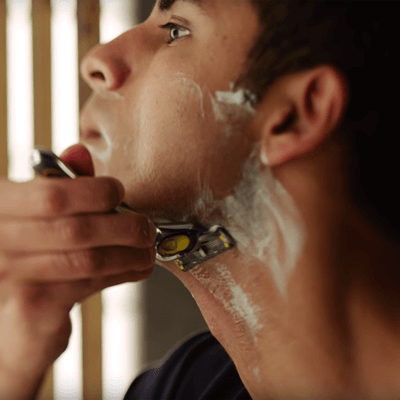
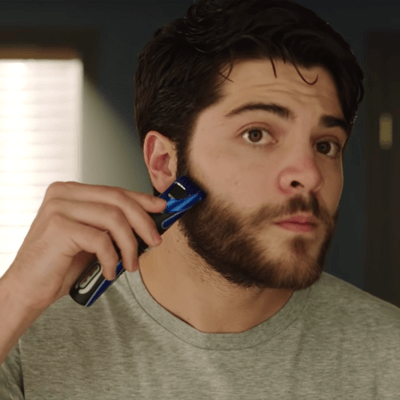
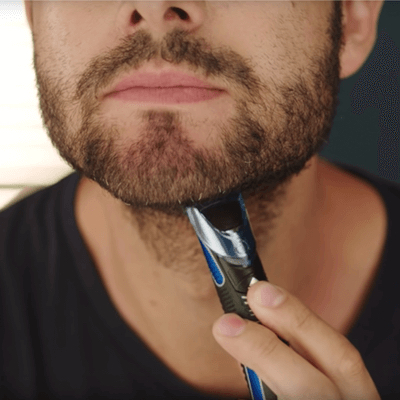
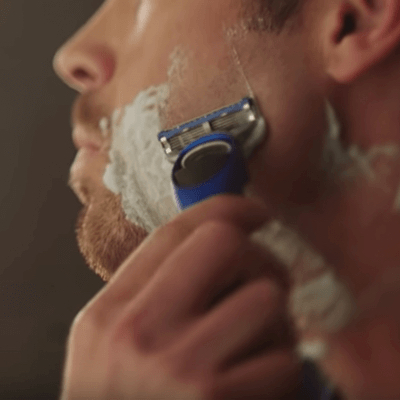
The skin on your face is sensitive. Shave with the grain and a light amount of pressure to help avoid razor burn, irritation, and cuts.
Why it matters: Pressing too hard scrapes the skin instead of gliding over it. Shaving with the grain also reduces friction and prevents hairs from cutting too short — lowering irritation and ingrown hair risk.
Step 5
Finish Cool
Rinse with cool water and apply aftershave or soothing balm.
Why it matters: Cold water calms the skin and tightens pores, while alcohol-free aftercare hydrates and reduces inflammation without stinging — essential for preventing lingering razor burn.
What Mistakes Should You Avoid To Prevent Razor Burn?
Avoid these common shaving errors that lead to irritation and discomfort:
- Using Dull Blades – Old blades tug at hair and scrape skin, causing friction and redness.
- Skipping Shave Gel – Dry shaving increases irritation; always use a protective layer like GilletteLabs Rapid Foaming Shave Gel.
- Shaving Too Aggressively – Pressing hard or rushing can damage skin and trigger razor burn.
- Ignoring Post-Shave Care – Skipping hydration leaves skin vulnerable. Finish with fast absorbing moisturizer for soothing relief.
Troubleshooting Razor Burn: Quick Fixes for Common Issues
Most razor burn issues can be eased quickly by adjusting your technique or switching to gentler tools. Targeted fixes help calm irritated skin and prevent lingering discomfort. Even with good technique, problems can happen. Here’s how to handle them:
- If Burning Persists: Apply a cool compress and use a soothing gel or moisturizer; avoid shaving for at least 48 hours.
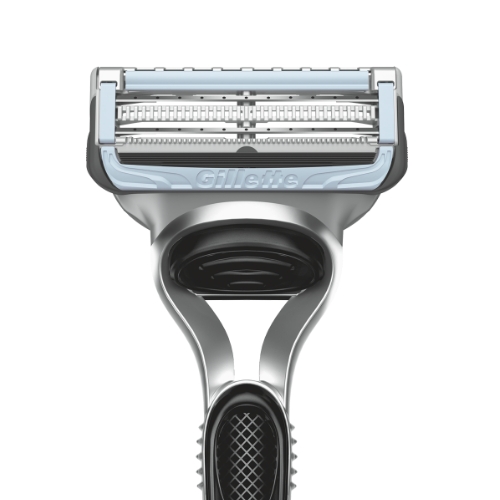
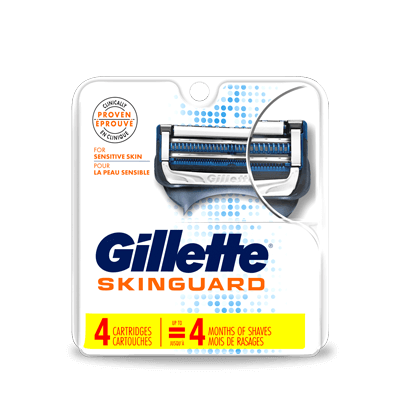
- If Bumps Appear: Switch to a SkinGuard Razor for sensitive-skin and hydrate with fragrance-free products to calm irritation.
- If Redness Lasts More Than 3 Days: Consult a dermatologist for professional care and anti-inflammatory options.
Post-Shave Care That Helps Reduce Irritation
Proper aftercare is essential for soothing skin and avoiding irritation after shaving:
- Apply Cooling Gel or Alcohol-Free Aftershave – Reduces redness and refreshes skin without the sting.
- Use Fragrance-Free Moisturizers for Sensitive Skin – Hydrates and calms irritation; try fast absorbing moisturizer for lightweight comfort.
- Avoid Harsh Scrubs Immediately After Shaving – Give your skin time to recover before exfoliating.
FAQs: Common Razor Burn Questions
-
How do you treat razor burn quickly?

Apply a cool compress, use an alcohol-free aftershave or SkinGuard Face Moisturizer, and pause shaving until skin heals.
-
How long does razor burn last?

Typically 24–72 hours, depending on skin sensitivity and care. Severe cases may take longer—avoid shaving during recovery.
-
What makes razor burn worse?
Dull blades, aggressive strokes, skipping shave gel, and ignoring post-shave care. Always use fresh blades and GilletteLabs Rapid Foaming Shave Gel for protection.
-
How do you get rid of razor burn down there fast?
Apply a soothing gel, avoid shaving for at least 48 hours, and wear breathable fabrics to reduce friction.
-
What can be mistaken for razor burn?
Razor bumps, folliculitis, or allergic reactions—razor burn is flat and red, while bumps are raised and inflamed.
-
What should you apply after shaving to help soothe skin?
Use alcohol-free aftershave or fast absorbing moisturizer for cooling hydration and comfort.
-
Does shaving against the grain cause razor burn?
Yes—especially on sensitive skin. Shave with the grain for comfort and fewer irritations.
-
Can certain shaving creams help prevent razor burn?
Absolutely—choose high-glide, alcohol-free gels like GilletteLabs Rapid Foaming Shave Gel for maximum protection.
-
Is razor burn more common on sensitive skin?
Yes—use gentle products, limit passes, and hydrate post-shave to reduce risk.
-
What’s the best way to prevent razor burn on the neck?
Shave with the grain, apply light pressure, and finish with fast absorbing moisturizer for soothing relief.
Was this article helpful?

