













Introduction
This guide walks you through how to grow, shape, cut, style, and maintain a mullet from any starting point buzz cut, straight hair, curly hair, or anything in between.
TL;DR / Quick Answer - What's the Fastest Way to Grow a Mullet?
The fastest way to grow a mullet is to let the back grow freely while keeping the top and sides shaped so the style looks intentional even before the full length develops.
To grow a mullet fast:
- Let the back grow out without cutting it
- Keep the top around 1-3 inches
- Fade or taper the sides for a modern silhouette
- Use texture clay, paste, or sea-salt spray for stylings salt spray for styling
- Maintain shape every 6-8 weeks
Expect 4-12 months depending on your starting length and hair type.
How Long Does It Take to Grow a Mullet?
Most people need 4-12 months to form a clear mullet silhouette. You'll start seeing a defined shape once the back hits 2-6 inches.
- Straight hair: Shows length earlier.
- Wavy/curly hair: Needs more growth because curls shrink.
- Regular shaping helps the mullet look intentional sooner.

What Tools & Products You Need Before Growing a Mullet
Growing a mullet becomes much easier when you have the right tools and styling products at hand. These essentials help keep the front and sides clean, the top textured, and the back healthy as it grows.
Here Are the Essential Tools:
- Clippers with guards - For trimming the sides, maintaining a taper, and keeping the front structured while the back grows out.
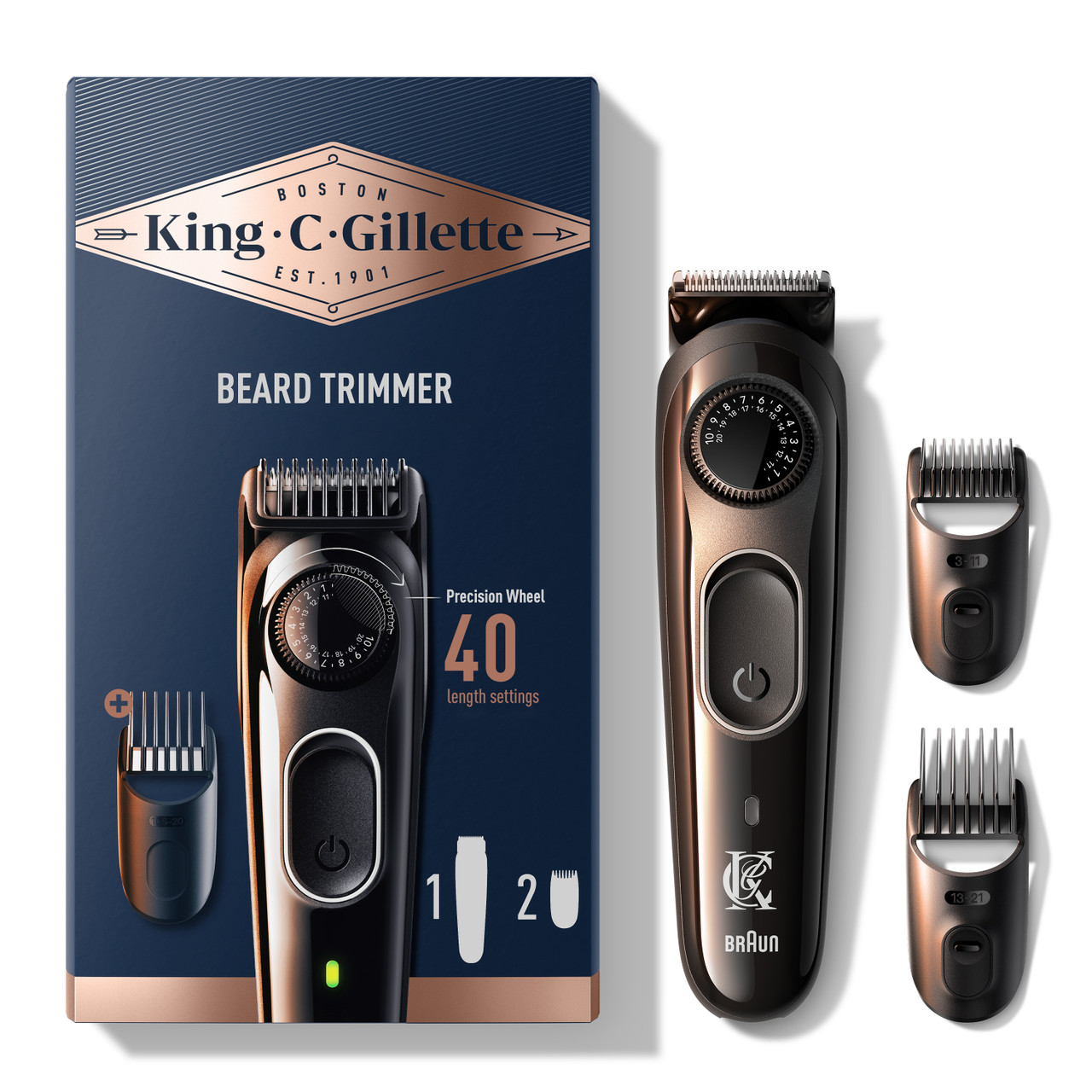
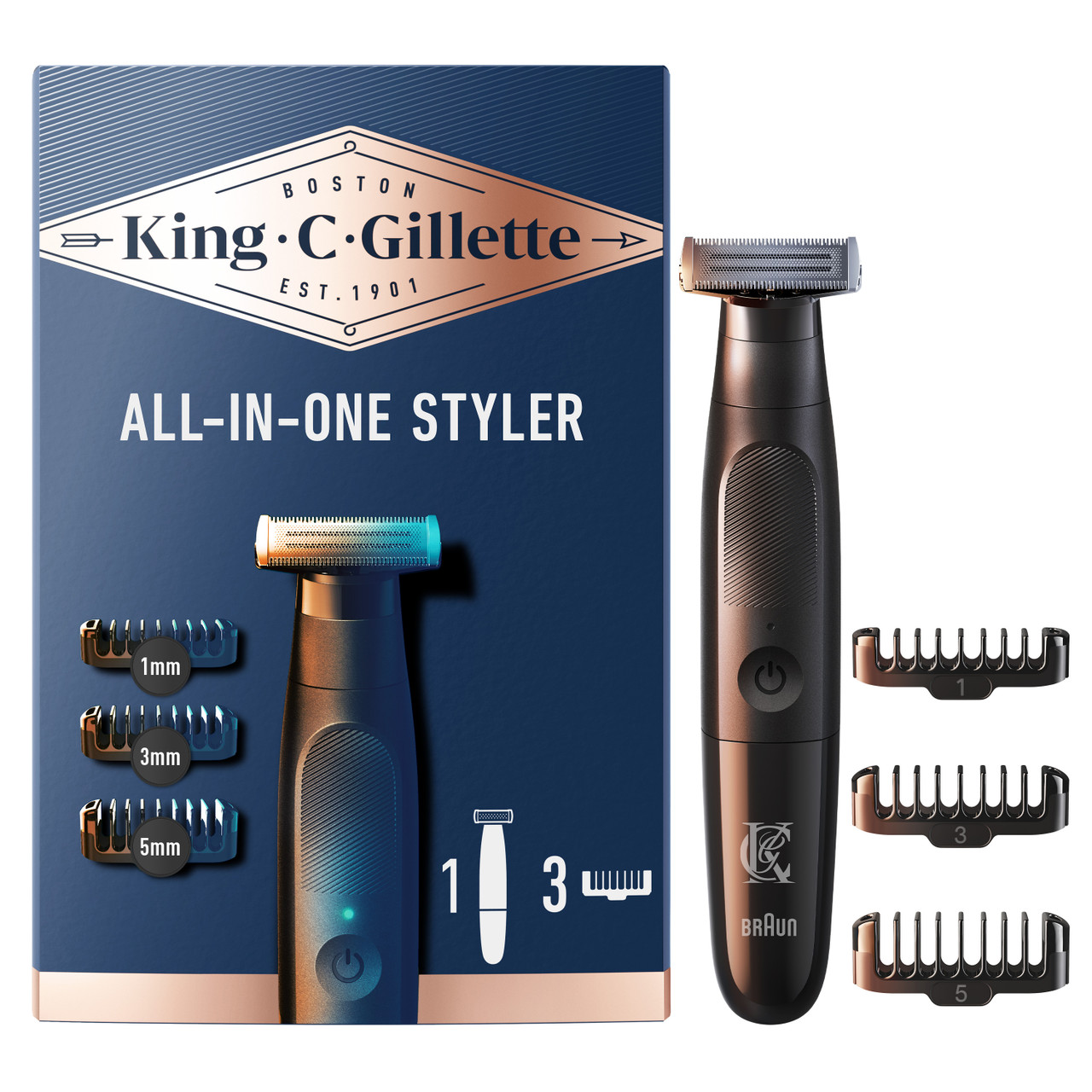
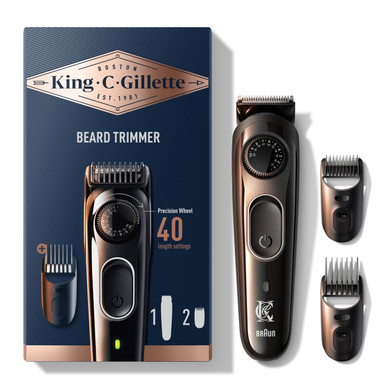
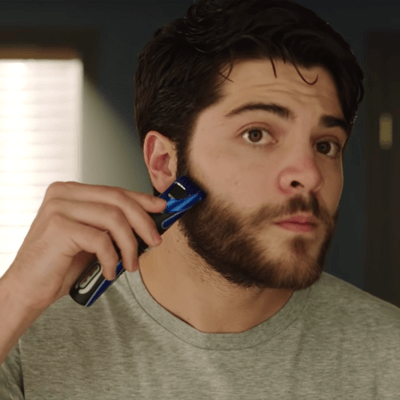
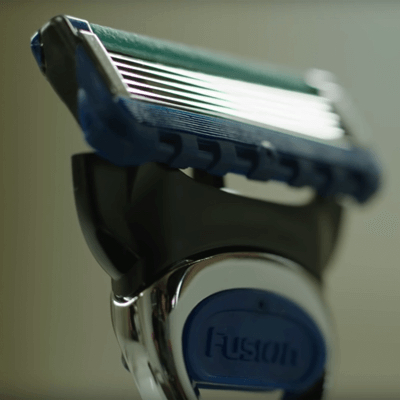
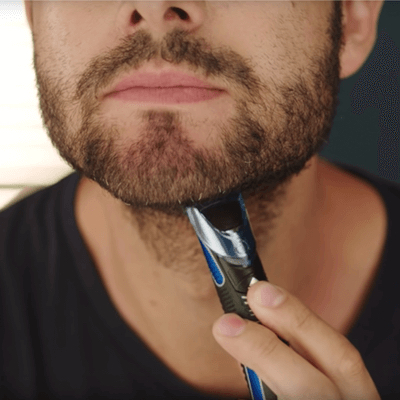
- King C. Gillette All-in-One Styler - A versatile trimmer ideal for shaping short lengths, cleaning edges, and keeping the keeping the front looking clean and structured.
- Texturizing scissors - Helps remove bulk from the top and add natural movement without losing length.
- Comb + blow dryer or diffuser - Used for lifting the roots, enhancing texture, and defining curls or waves during styling.
- Moisturizing shampoo + conditioner - Keeps hair soft and reduces breakage, which is essential during long growth phases.
Here Are the Styling Products:
- Clay (matte finish) - Commonly used to add natural texture and volume without shine, making it well suited for modern mullet styles.
- Paste (natural hold) - Provides flexible control while keeping the top styled yet touchable throughout the day.
- Sea salt spray - Often used to add lift and enhance natural waves for a relaxed, effortless mullet look.
- Curl cream - Helps define and soften curls, allowing curly mullets to maintain shape with reduced frizz.
And Growth Supporting Products:
- Rosemary oil - Often included in haircare routines as part of general scalp care during longer growth phases.
- Peppermint oil - Commonly used in scalp products for its refreshing feel and to support a healthy scalp environment.
- Biotin (optional) - A widely used supplement that some people include in their routine to support overall hair health.
Note:
These products are commonly used as part of general haircare routines. Results can vary based on individual hair type and consistency of care.
How to Grow a Mullet: Step-by-Step Guide

Growing a mullet isn't just about letting your hair grow, it's about shaping the right areas at the right time. These steps can help you keep the front clean, the sides intentional, and the back growing strong toward that classic mullet silhouette.
Step 1
Stop Trimming the Back
The foundation of every mullet is the length at the back. Let the back grow freely, trimming only split ends if necessary. The more length you allow here, the sooner the mullet shape will start to appear.
Step 2
Shape the Top
Keep the top between 1-3 inches so it stays textured and manageable while the back grows. Light trimming every few weeks prevents bulk and keeps the "business in the front" looking neat.
Step 3
Fade or Taper the Sides
A clean taper or fade on the sides creates the modern mullet outline even before the back is fully grown. Using a tool like the King C. Gillette All-in-One Styler helps maintain short, sharp sides while your back length develops.
Step 4
Blend the Crown
Blend the top into the growing back to avoid a harsh "shelf." This keeps your mullet smooth and intentional, especially during the awkward middle stages of growth.
Step 5
Maintain the Shape
Every 6-8 weeks, refresh the sides, tidy the top, and reshaping the crown helps keep your mullet look styled not accidental while the back continues to gain length.
Pro Tip:
Bring 2-3 reference photos to your appointment - mullet silhouettes vary widely.
What Are the Stages of Growing a Mullet?
Growing a mullet happens in stages and knowing what to expect makes the process easier to manage. Here's how your mullet typically develops from the first month to the full silhouette.
Stage 1 - Even Growth (Weeks 1-8)
During this phase, everything grows out evenly with little shaping. The mullet won't be visible yet, but this foundational growth is important before you start tapering or texturizing.
Stage 2 - Top & Sides Shaping (Months 2-4)
As your hair gains length, you can begin trimming the top for texture and shaping the sides with a taper or fade. This is when the early outline of the mullet starts to appear.
Stage 3 - Transition Cut (Months 3-6)
The mullet silhouette starts becoming recognizable. The crown is blended, the sides are controlled, and the back begins to separate visually from the front. This is the first point where your mullet looks intentional.
Stage 4 - Final Shape (Months 6-12)
By now, the back has reached enough length - usually 2-6 inches - for a defined mullet style. You can choose your final look: short, modern, tapered, wolf cut, or long rocker style.
Tips for the Awkward Phase
The awkward phase is the middle stage of growth when your hair hasn't formed a full mullet yet but no longer looks like a regular haircut.
- Try messy, textured, or wolf cut styling for added shape
- Use sea-salt spray to lift the roots and reduce flatness
- Add a light taper on the sides to control puffiness and keep the style intentional
Pro Tip:
Sea-salt spray is "hatproof" - perfect if you wear caps or helmets.
Growing a Mullet from Different Hairstyles
From Short Hair to Mullet
If your hair is short, focus on building enough length before shaping.
- Grow your hair evenly to 2-3 inches.
- Start adding a taper or fade around months 4-6.
- Begin shaping the back once enough length develops at month 6+.
From a Buzz Cut to Mullet
Buzz cuts require patience while early length builds.
- Let everything grow evenly until reaching 2-3 inches.
- Once you have enough length on top and sides, begin tapering, blending, and shaping the mullet outline.
For Curly or Wavy Hair to Mullet
Curly and wavy hair creates a fuller, more textured mullet but needs moisture and control.
- Use curl cream with a diffuser to define natural texture.
- Avoid heavy layering early to prevent unwanted shrinkage.
- Keep curls hydrated with conditioners and leave-ins to maintain healthy growth.
How to Cut a Mullet: Barber Tips and At-Home Guide
What to Ask Your Barber
Tell your barber you want a clean, modern mullet with length at the back and structure in the front.
- "Keep the back long and trim only the ends."
- "Add a low, mid, or high fade/taper on the sides."
- "Leave 1-3 inches on top and add texture for movement."
- "Blend the crown smoothly into the back for a seamless transition."
How to Cut a Mullet at Home
The goal is to maintain structure in the front and sides while keeping the back longest.
- Dampen and detangle your hair.
- Section the top from the back.
- Fade the sides using the All-in-One Styler.
- Trim the top to 1-3 inches for texture.
- Shape the back, keeping it longest at the nape.
- Blend crown transitions carefully.
Common Mistakes to Avoid When Growing a Mullet
Avoid cutting the back too early and neglecting the sides.
- Don't remove back length - You'll slow down the mullet shape from forming.
- Maintain the top and sides consistently - Keeps the haircut looking balanced and intentional.
- Avoid heavy or waxy products - They weigh the hair down and reduce natural texture.
- Don't skip transition blending - Harsh lines or a bulky crown can ruin the silhouette.
How to Handle Common Mullet Problems
Quick fixes may help keep your mullet on track through growth changes.
- If the back grows uneven → Trim only the ends to even out the length without losing progress.
- If the sides puff out → Add a light taper or fade to reduce bulk and create structure.
- If the top looks flat → Use a matte texture paste to add lift and definition.
- If curls frizz → Apply conditioner and curl cream to smooth and define the texture.
- If the shape looks bulky → Debulk the crown area lightly with thinning scissors for a cleaner blend.
How to Style a Mullet
Styling a mullet focuses on adding texture on top, keeping the sides controlled, and giving the back natural movement.
- Use sea-salt spray for volume and lift
- Apply matte clay or paste for texture and separation
- Finger style the back for a natural, effortless flow
- Use curl cream to define curls or waves
- Blow dry with a diffuser for fullness and shape
Different Mullet Styles to Choose From
Modern mullet: Clean faded sides with a textured top.
Short mullet: A subtle, beginner-friendly option.
Taper fade mullet: A polished look with gradually tapered sides.
Burst fade mullet: A rounded fade around the ears for added shape.
Wolf cut mullet: A messy, high-texture mullet with lots of movement.
Long rocker mullet: A bold mullet with dramatic length in the back.
Best styles for each hair type:
- Straight hair: Modern or short mullet
- Wavy hair: Wolf cut or taper fade
- Curly hair: Burst fade or long mullet
Haircare Routine for Growing & Maintaining a Mullet
Daily & Weekly Routine
- Use a hydrating shampoo and conditioner to keep longer sections healthy.
- Apply a weekly deep conditioner for moisture.
- Reduce heat styling to avoid frizz and breakage.
Maintenance After Shaping
- Refresh your fade or taper every 6-8 weeks.
- Use leave-in products to control frizz and add softness.
- Lightly oil the ends to prevent dryness and split ends.
FAQs on How to Grow a Mullet
-
What's the best way to grow a mullet quickly?

The fastest way is to let the back grow freely while keeping the top and sides regularly shaped. Consistent trims on the front help the mullet take shape earlier, even before the back reaches full length.
-
What should I ask my barber for?

Ask for long length in the back, textured 1-3 inches on top, and faded or tapered sides. Clear blending around the crown will give your mullet a smooth, modern silhouette.
-
Can anyone grow a mullet?
Yes - mullets work with straight, wavy, curly, thick, or fine hair. The key is adjusting the style to your hair's texture so the shape looks intentional.
-
Which mullet style suits beginners?
A short mullet or a taper-fade mullet is easiest to maintain and grow into. These styles require less back length and stay neat with minimal upkeep.
-
Is a mullet high maintenance?
A mullet is moderately low-maintenance since most shaping happens in the front and sides. The back requires little cutting, making it easier to manage than many other long styles.
-
How do I grow a mullet from a buzz cut?
Grow everything evenly until the hair reaches 2-3 inches, then begin shaping the top and tapering the sides. Once the back grows longer, you can define your mullet style.
-
Fade or no fade Mullet Style - which is better?
A faded mullet looks modern, clean, and sharp, making it the preferred choice for most men today. A no-fade mullet gives a classic rocker look with a more dramatic contrast.
-
What products help during awkward stages?
Sea-salt spray, matte clay, paste, and curl cream help give shape and control when the hair length is uneven. These products add texture and make the mullet look intentional during growth.
-
How long should the back be for a mullet?
Most mullet styles need at least 2-6 inches of back length for the shape to appear. Longer styles may require 5-6+ inches for maximum impact.
-
How do I maintain a mullet once it reaches the ideal length?
Keep the sides and top refreshed every 6-8 weeks while trimming the ends of the back for health. Use lightweight styling products to maintain texture and prevent frizz.
Was this article helpful?

