








Introduction
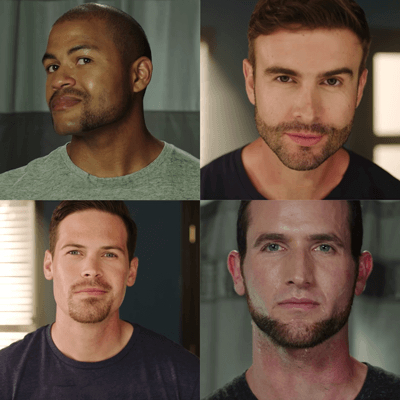
Many men find the Van Dyke attractive for its sharp lines and confident look. It's ideal for patchy cheek growth, suits most face shapes, and allows both bold and subtle styling.
TL;DR / Quick Answer - What's the Fastest Way to Shape a Van Dyke Beard?
Shape a Van Dyke by growing the mustache and chin hair, shaving the cheeks clean, and trimming with precision to keep the mustache fully separated from the goatee while sharpening the chin point and neckline.
Quick steps
- Grow mustache and chin hair while keeping cheeks clean shaven
- Trim the mustache into the style you prefer natural curled or handlebar
- Shape the chin into a pointed or rounded goatee
- Maintain a clear gap between the mustache and chin
- Sharpen cheek lines and the neckline
- Style the mustache with beard wax for hold
What Makes the Van Dyke Beard Unique?
The Van Dyke beard is unique because it uses clean separation, defined lines, and intentional contrast to draw attention to the mustache and chin while keeping the cheeks completely clean. This creates a sculpted style that stands out more than fuller or connected beard styles.
A Distinct Shape with High Contrast: A Van Dyke is built around two main elements: a detached mustache and a focused chin tuft. The space between them is what gives the look its character. Clean shaven cheeks amplify the contrast, making the mustache and chin shape appear sharper and more deliberate.
A Style That Works Even with Patchy Growth: Because the cheeks remain clean, the Van Dyke is ideal for men who do not grow full facial hair. It shifts the visual weight to the upper lip and chin, letting you highlight areas with stronger growth.
Flexible Mustache and Chin Variations: The mustache can be worn natural, curled, or styled into a subtle handlebar. The chin tuft can be shaped into a sharper point or softened into a rounded form. These adjustments allow a subtle or bold interpretation without losing the signature Van Dyke structure.
A Clean and Expressive Look: The defined lines and separation give the Van Dyke an expressive character. It feels artistic and intentional rather than casual or overgrown, which is why men often choose it when they want a polished but distinctive appearance.
What Tools Do You Need to Style a Van Dyke Beard?
The Van Dyke beard requires precise trimming, sharp detailing, and clean separations between the mustache and chin. The right grooming tools help you maintain accuracy, sculpt sharper lines, and keep the cheeks smooth for the high contrast finish this style is known for.
Below are the tools needed:
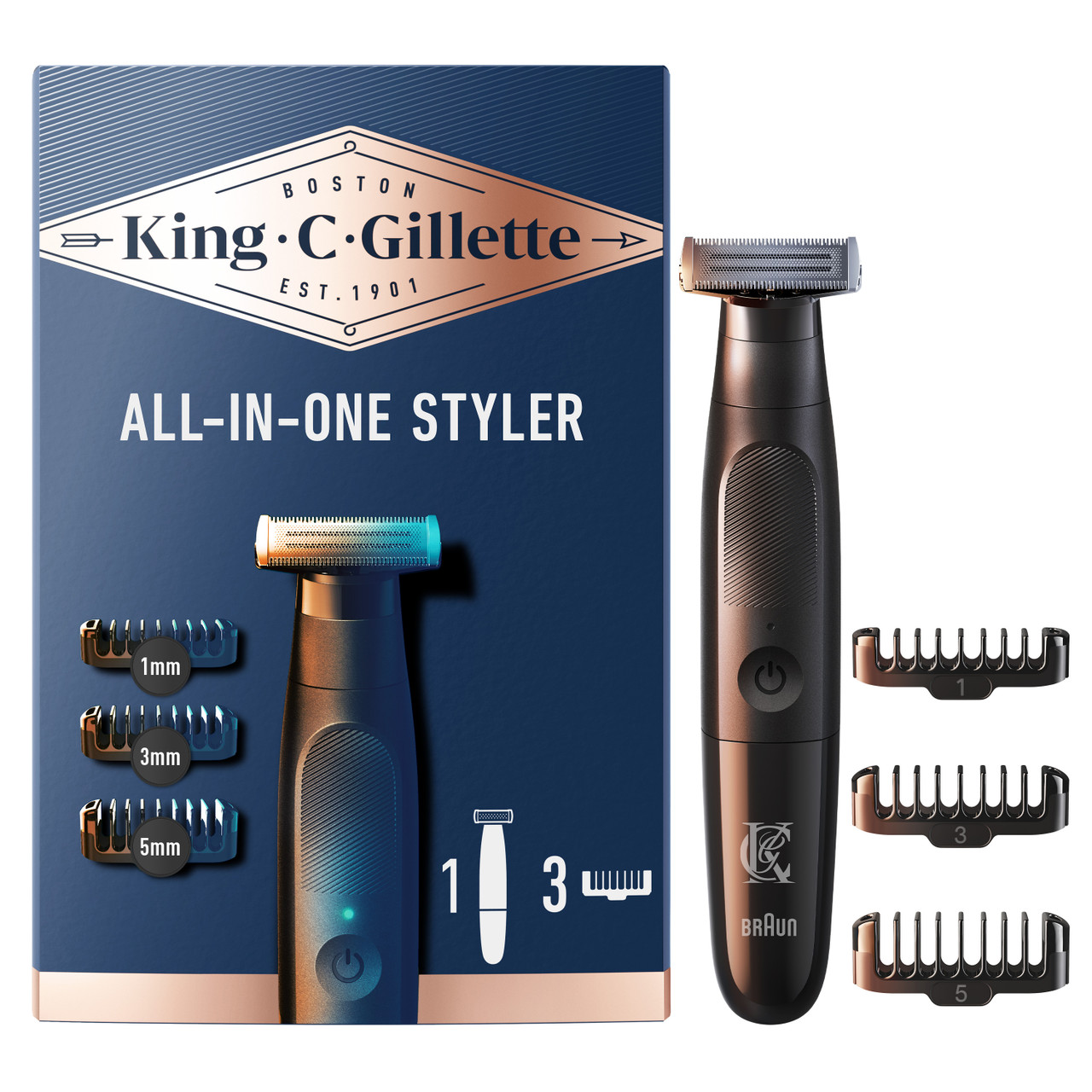
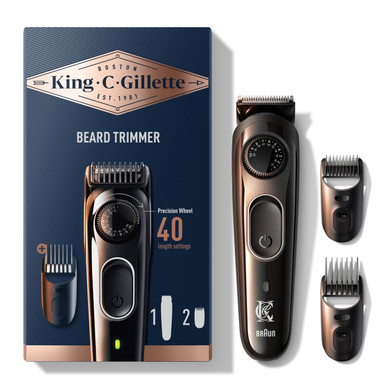
King C. Gillette All-in-One Styler:
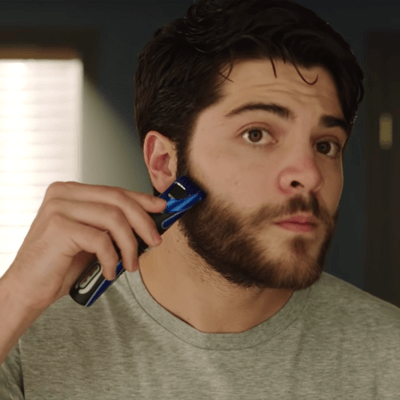
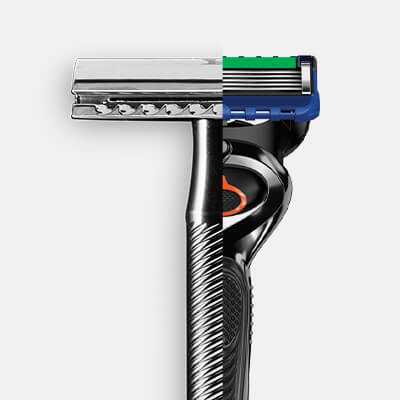
Your all-purpose tool for trimming, shaping, and edging. Its interchangeable combs help you set an even base length, while the precision blade makes it easy to separate the mustache from the chin and sculpt the pointed goatee.
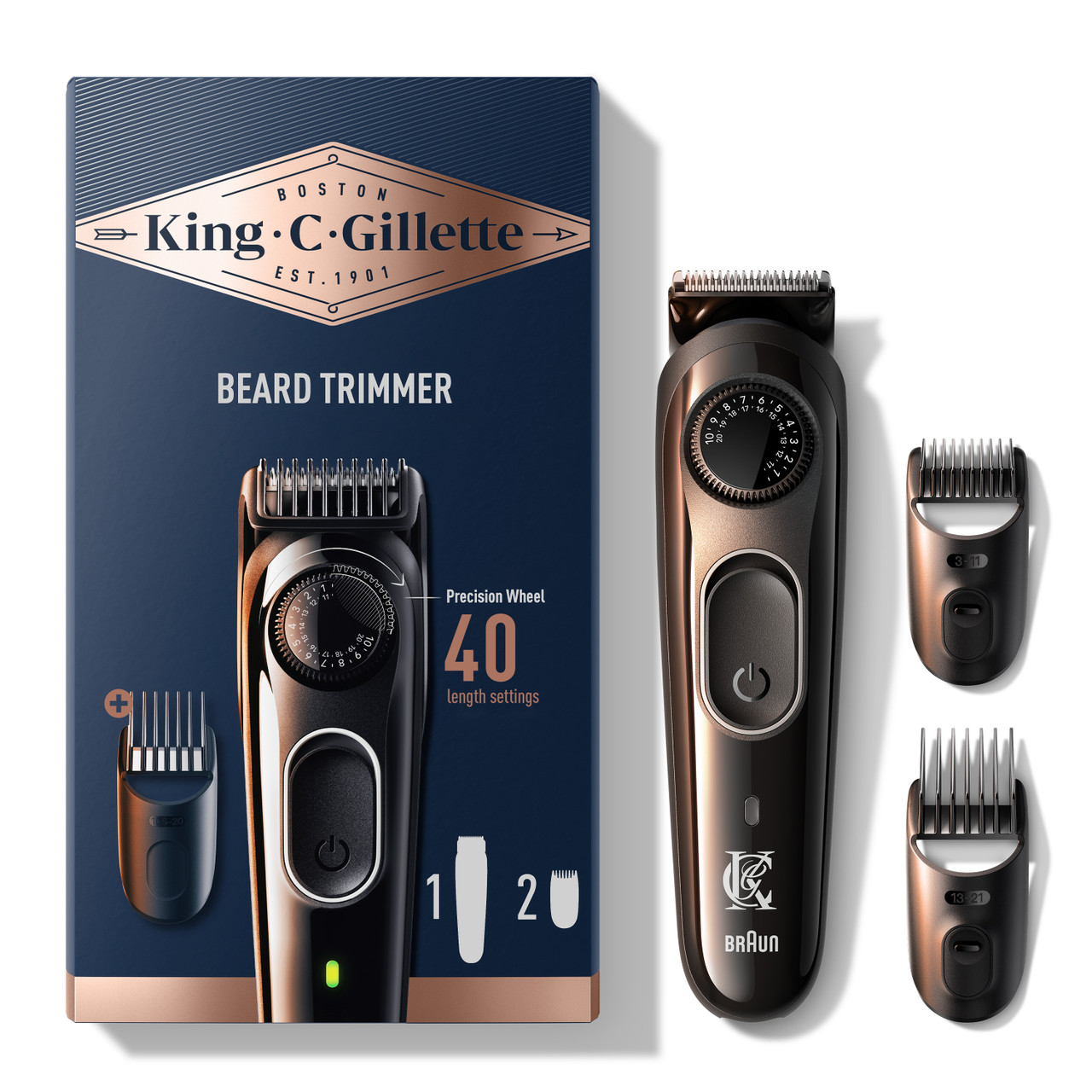
Beard Trimmer With Adjustable Guards:
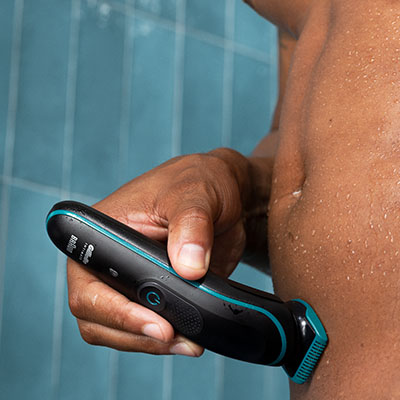
Use a beard trimmer to control bulk on the mustache and chin before defining the details. Even trimming gives you a clean foundation for sculpting the Van Dyke silhouette.
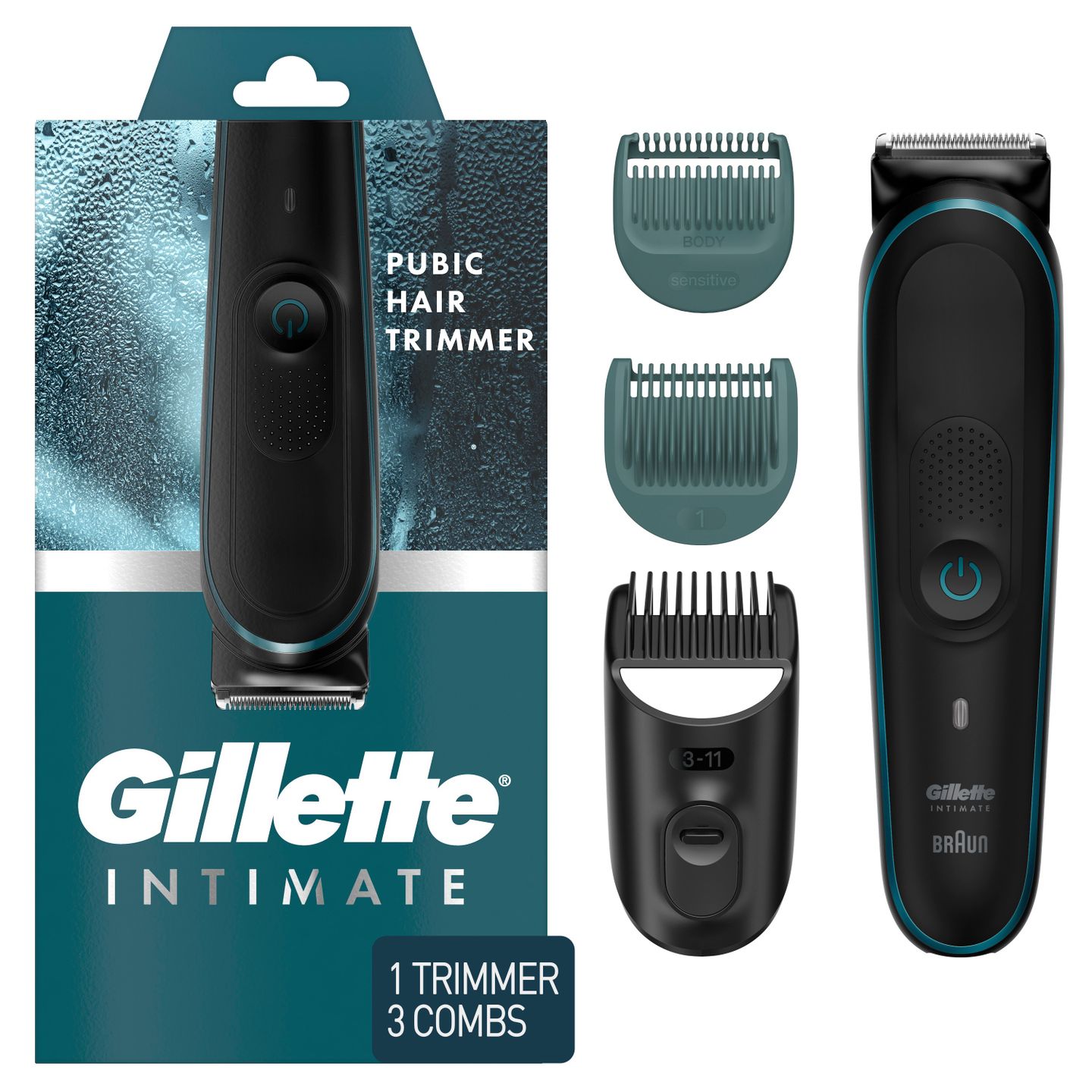
Precision Trimmer:
A precision trimmer helps you work in tight areas under the nose and around the chin point. It allows you to maintain the gap between the mustache and chin without overcutting.
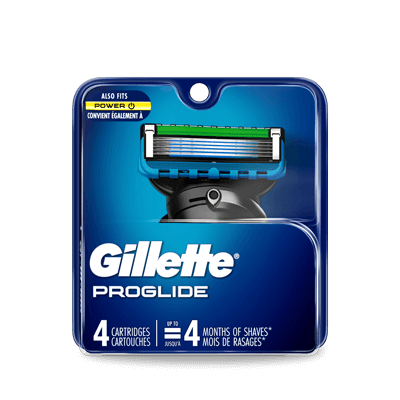
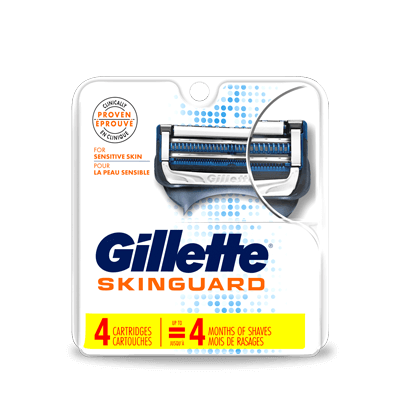
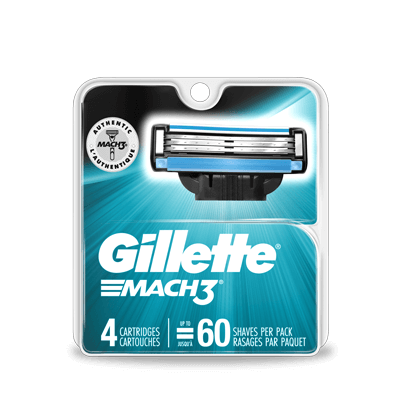
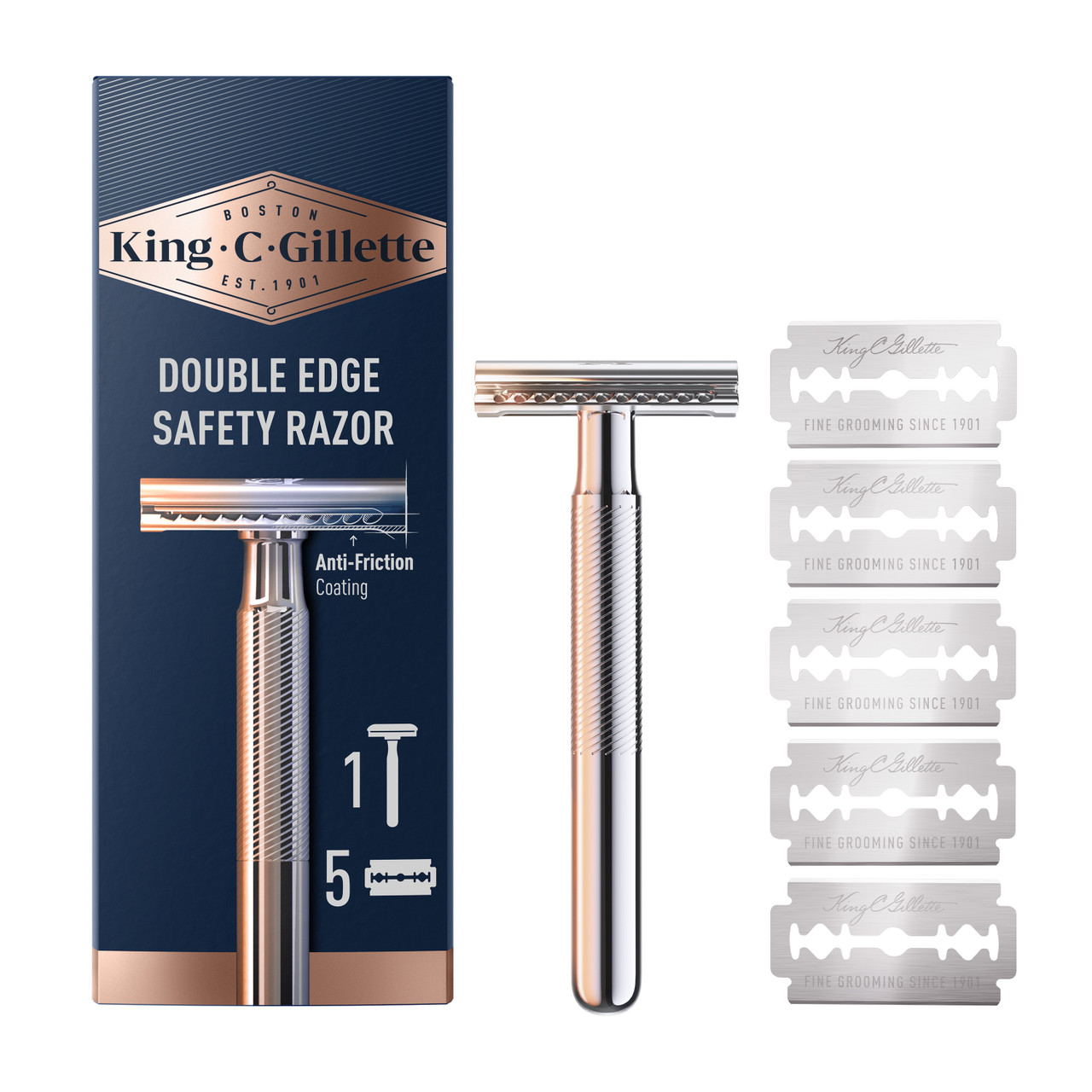
Sharp Razor:
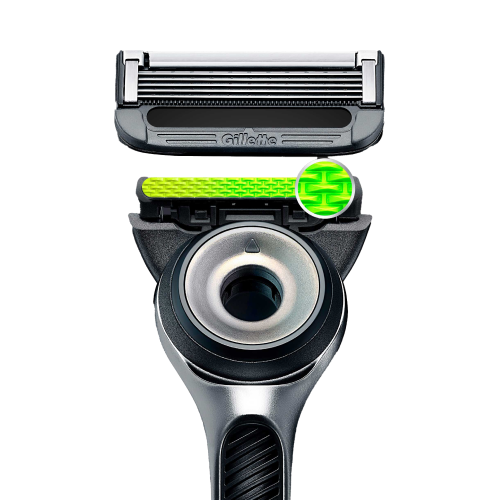
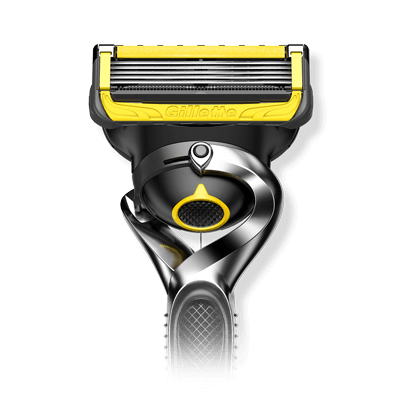
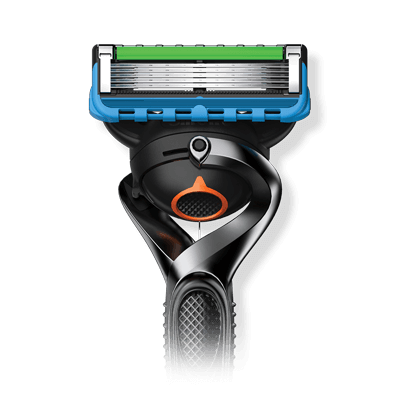
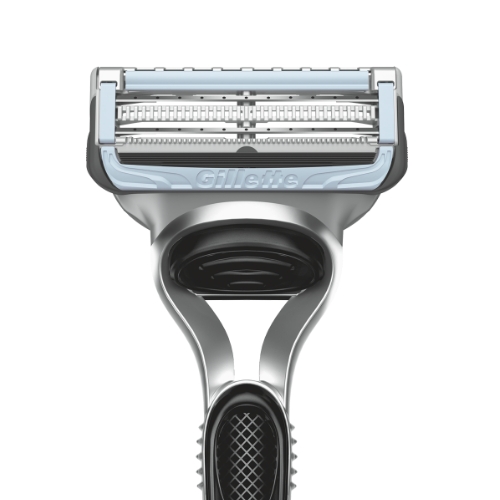
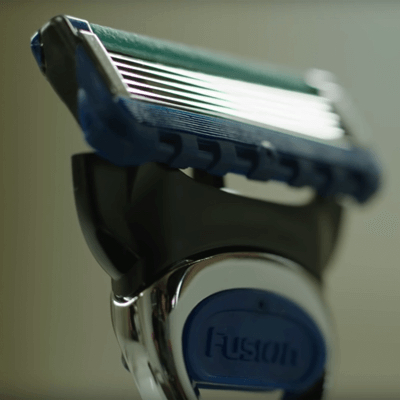
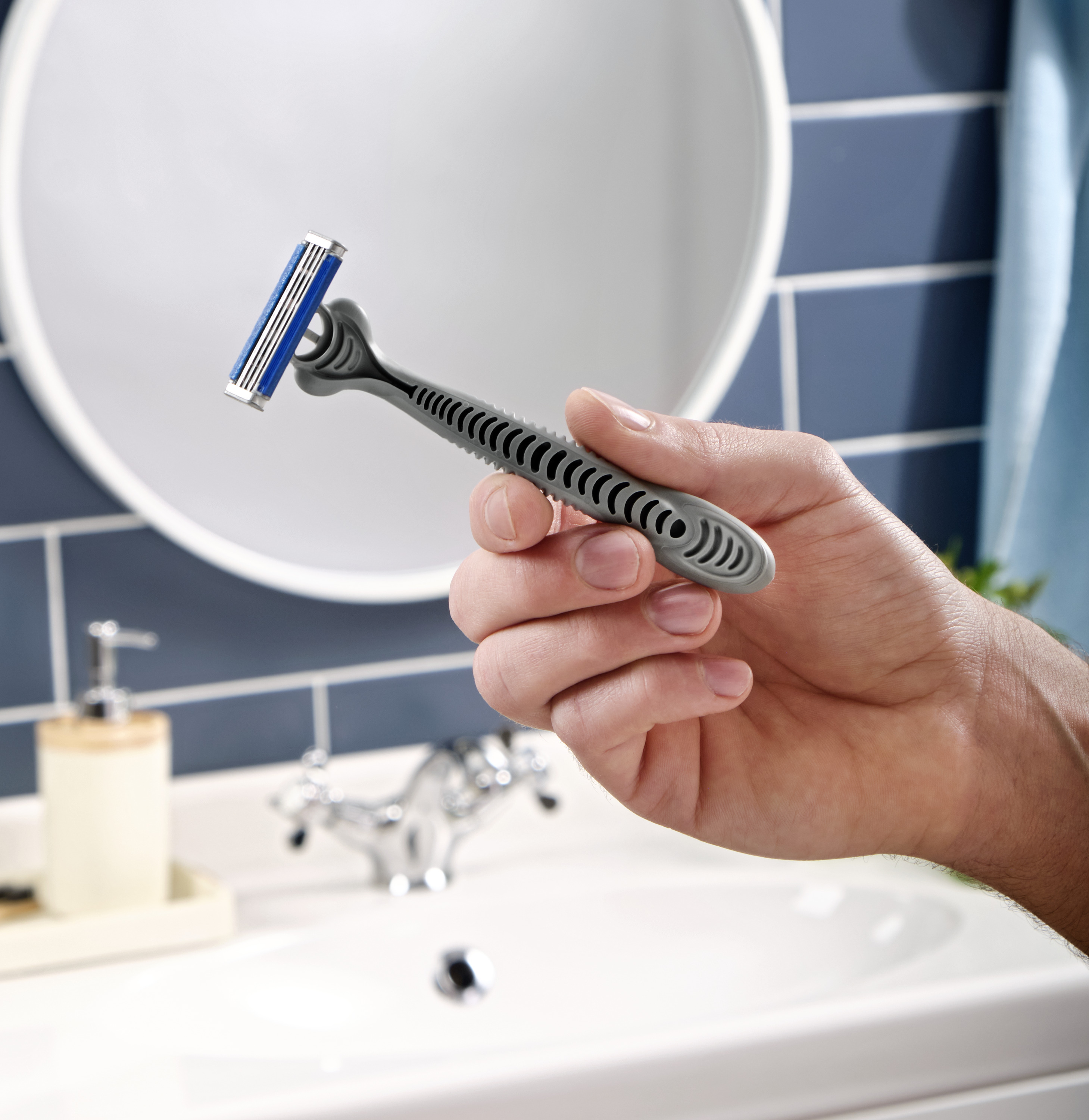
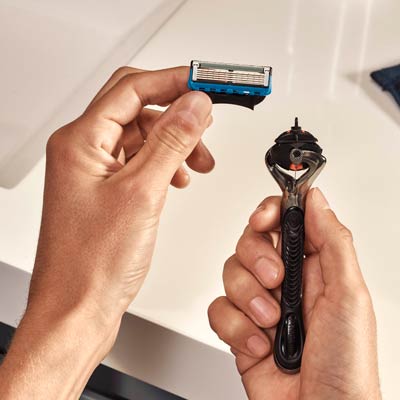
A sharp manual razor keeps the cheeks clean shaven. Smooth cheeks enhance the contrast between bare skin and the defined mustache and goatee, which is essential for the Van Dyke.
Clear Shave Gel:
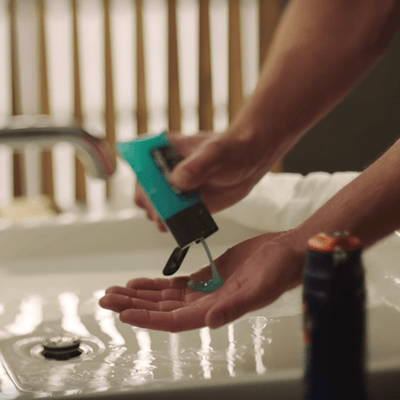
A lightweight clear shave gel, such as King C. Gillette Transparent Shave Gel or GilletteLabs Rapid Foaming Shave Gel, softens hair and lets you see your lines clearly while shaving.
Beard Scissors:
Use small grooming scissors to snip stray mustache hairs and maintain a clean lip line without removing fullness.
Comb for Mustache Alignment:
A fine comb helps align mustache hairs before trimming and makes uneven growth easier to spot.
Mirror With Good Lighting:
Proper lighting ensures you see both sides clearly when checking symmetry or refining the chin point.
Alcohol-free Moisturizer or Aftershave Balm:
A gentle moisturizer soothes freshly shaved cheeks and reduces post-shave irritation.
How Do You Shape a Van Dyke Beard? Step-by-Step Guide
Powerful men have worn it—and continue to wear it. There are countless facial hair styles for men , but this doesn't mean that trimming a beard will be complicated. Here's a simple step-by-step guide to get you on your way to the popular Van Dyke beard style:
Step 1
Select a Fixed-Length Comb
Choose one of the interchangeable combs on the King C. Gillette All-in-One Styler and trim your mustache and chin to a uniform length.
Why it matters: This creates an even base that makes sculpting easier and prevents uneven patches later.
Step 2
Trim Your Facial Hair Evenly
Trim the mustache and chin area to reduce bulk. Lightly shorten any surrounding facial hair to keep the focus on the Van Dyke shape.
Why it matters: Pre-trimming improves visibility and creates a clean foundation for defining the style. trimming improves visibility and creates a clean foundation for defining the style.
Step 3
Define the Van Dyke Shape
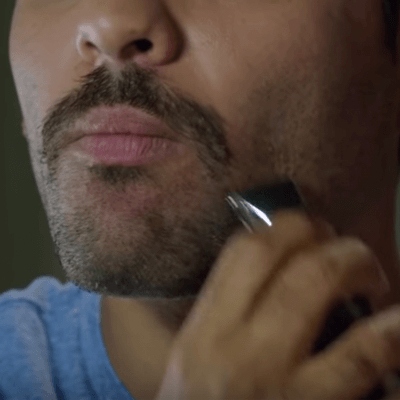
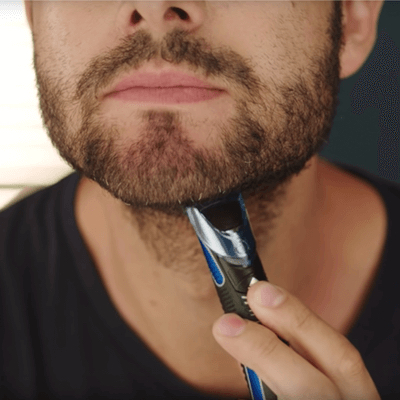
Remove the comb and use the bare metal blade of the All-in-One Styler to separate the mustache from the goatee. Clear the cheeks completely and sculpt the chin tuft into a pointed or rounded shape.
Why it matters: This step creates the classic Van Dyke structure with a detached mustache and a sculpted chin.
Pro Tip:
Always define the chin shape first before refining the mustache. A centered chin point makes the entire Van Dyke look more balanced.
Step 4
Check for Symmetry as You Go
Look at your face from different angles and compare both sides. Trim gradually to keep the mustache edges even and the chin point centered.
Why it matters: Small adjustments help prevent over‑trimming and keep the style balanced.
Step 5
Prep Skin for Shaving
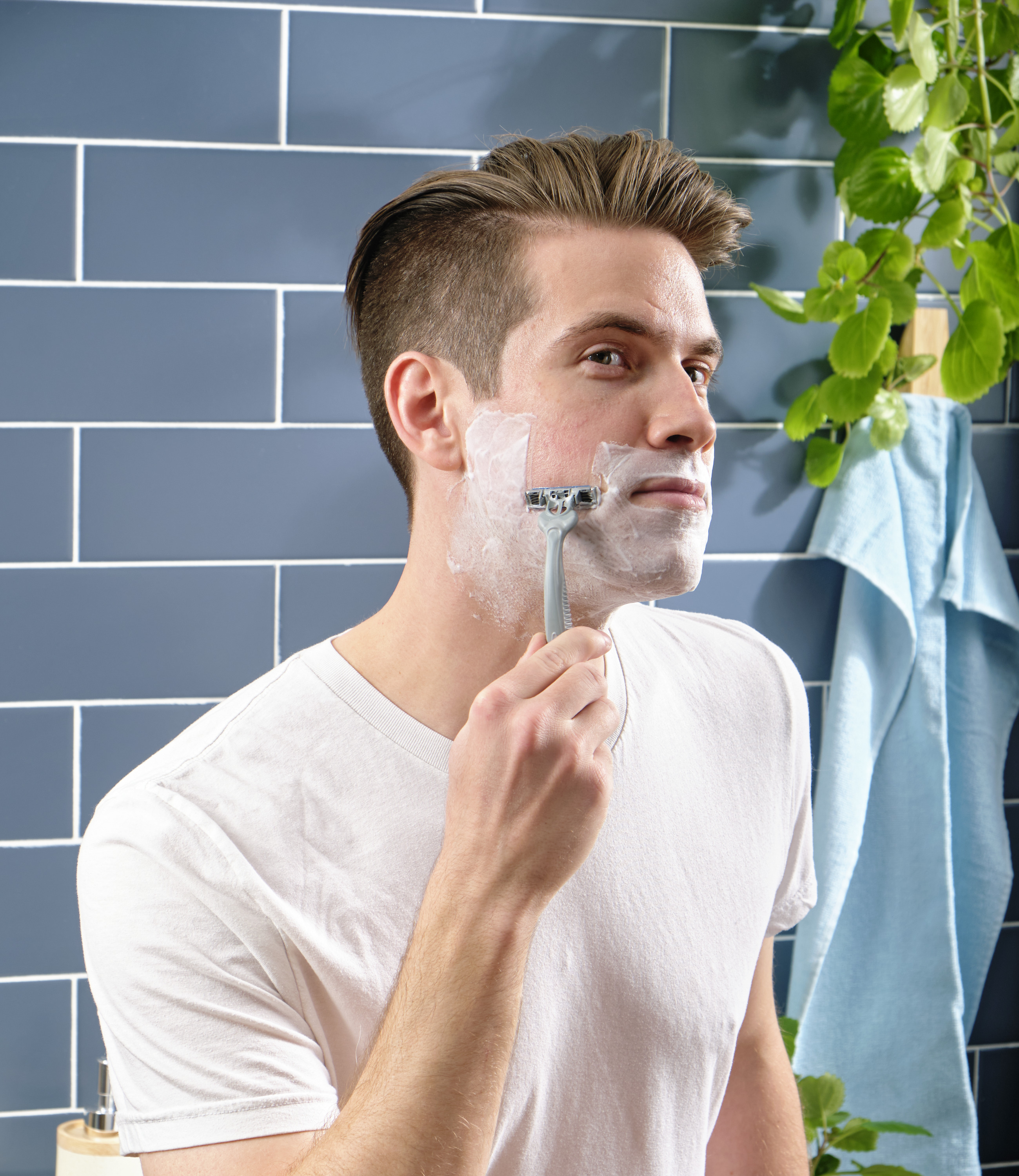
Rinse with warm water and apply a clear shave gel to the cheek and neck areas.
Why it matters: Warm water softens hair, and clear shave gel protects the skin while allowing you to see your lines clearly.
Pro Tip:
Use a clear shave gel on the cheeks so you can see exactly where the beard lines end while shaving.
Step 6
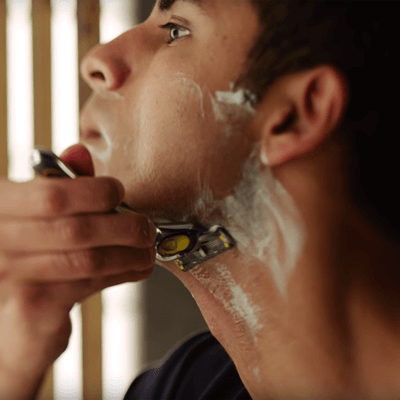
Shave With Light, Gentle Strokes
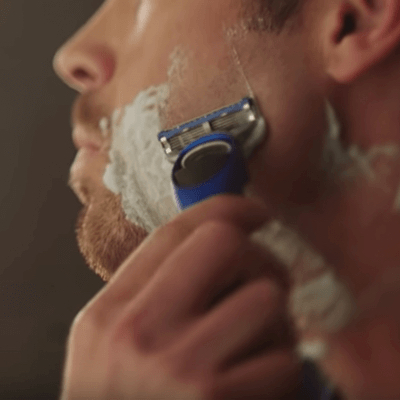
Shave the gelled areas using light, controlled strokes with the King C. Gillette All-in-One Styler's metal blade.
Why it matters: Light pressure reduces irritation and keeps the cheek and neck areas clean for maximum contrast.
Step 7
Rinse Blades Frequently
Rinse the blade under warm water throughout your shave to remove hair and gel buildup.
Why it matters: Clean blades maintain glide and help you achieve sharper cheek lines.
Step 8
Edge With Precision
Use the bare blade of the All-in-One Styler to refine the mustache shape, sharpen the chin point, and clean up the separation gap.
Why it matters: Precision edging defines the angles and gives the Van Dyke its sharp, sculpted finish.
Step 9
Rinse, Towel Dry & Moisturize
Rinse with cool water, pat dry, and apply a soothing aftershave or moisturizer.
Why it matters: This calms the skin and keeps the clean‑shaven areas comfortable.
What Mistakes Should You Avoid When Creating a Van Dyke Beard?
When shaping a Van Dyke beard, small trimming mistakes can quickly ruin the style’s sharp definition. Avoiding common errors helps preserve the clean separation between the mustache and chin, maintain symmetry, and keep the overall look polished and intentional.
Letting the Mustache Connect to the Goatee: One of the most common Van Dyke beard mistakes is allowing the mustache to grow into the chin beard. The defining feature of a Van Dyke is the clear separation between these two areas. If they connect, the style loses its identity and starts to resemble a standard goatee.
Leaving Cheek Stubble: Cheek stubble weakens the contrast that makes a Van Dyke stand out. Even light regrowth on the cheeks can make the style look unfinished. Keeping the cheeks clean shaven is essential for maintaining sharp definition.
Over trimming the Chin Tuft: Trimming the chin hair too aggressively can flatten the shape or remove the pointed or rounded structure entirely. Once the length is gone, it is difficult to restore the Van Dyke’s signature chin profile without regrowth.
Ignoring Symmetry: Uneven trimming on either side of the face can throw off the balance of the mustache or chin point. The Van Dyke relies on symmetry to look intentional, so trimming gradually and checking both sides often is critical.
Using the Wrong Guard Length: Choosing a guard that is too short at the start can reduce control and limit styling options. Starting longer allows you to refine the shape without committing too early to a shorter length.
Neglecting Mustache Lip Line Trimming: Failing to trim mustache hairs that hang over the lip can make the style look messy. A clean lip line keeps the mustache defined and prevents the Van Dyke from appearing unkempt.
What Should You Do If Your Van Dyke Doesn't Look Symmetrical or Sharp?
A Van Dyke beard depends on symmetry, clean separation, and sharp edges. If the style starts to look uneven or loses definition, small corrective adjustments can restore balance without needing to start over.
If the Mustache Looks Uneven: Trim along the natural lip line and comb the mustache downward before cutting. Work in small increments to even out both sides rather than removing too much length at once.
If the Goatee Looks Too Round: Narrow the sides of the chin beard and refine the center point. A slightly shorter, more tapered chin shape creates a sharper Van Dyke profile.
If the Gap Between Mustache and Chin Is Disappearing: Clean shave the area between the mustache and goatee. Maintaining this separation is essential for preserving the Van Dyke's distinct identity.
If Cheek Stubble Returns Too Quickly: Increase cheek shaving frequency to every one to two days. Regular upkeep keeps the contrast clean and prevents the style from looking unfinished.
If the Mustache Will Not Hold Its Shape: Apply a small amount of mustache wax and comb into place. This helps control flyaways and keeps styled mustaches looking intentional throughout the day.
If Chin Hair Grows Patchy: Shape the goatee slightly shorter and more pointed. A tighter chin shape minimizes the appearance of patchiness and improves definition.
How Do You Maintain a Van Dyke Beard Daily?
Maintaining a Van Dyke beard requires regular touch‑ups to preserve its sharp separation, clean cheeks, and balanced shape. Consistent upkeep keeps the mustache and chin defined while preventing the style from blending into a standard goatee.
Shave the Cheeks Clean Every One to Two Days
The clean‑shaven cheeks are essential to the Van Dyke look. Shaving them every one to two days maintains contrast and prevents the style from looking overgrown or unfinished.
Trim the Mustache Weekly
Regular mustache trimming keeps hairs from hanging over the lip and helps maintain a neat outline. Weekly touch‑ups prevent uneven growth and make styling easier.
Keep the Chin Point Sharp with Precision Trimming
Use a precision trimmer to refine the chin tuft every few days. Light trimming helps maintain the pointed or rounded shape without removing too much length.
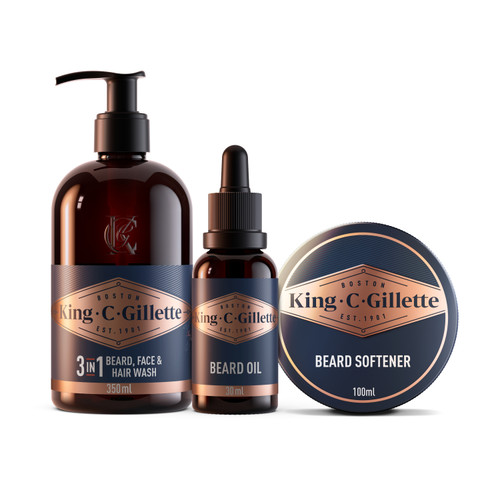
Use Beard Oil or Moisturizer on the Chin Hair
Applying beard oil or a lightweight moisturizer softens chin hair and improves texture. Well‑hydrated hair looks fuller, neater, and easier to shape.
Style the Mustache Regularly
If you wear a styled mustache, use a small amount of wax or balm to control flyaways and hold the shape throughout the day. Regular styling keeps the mustache looking intentional rather than messy.
Check Symmetry in Natural Lighting
Step back from the mirror and check your beard in natural light. This makes it easier to spot uneven edges or an off-center chin point before small issues become noticeable.
Which Face Shapes Look Best with the Van Dyke Beard?
The Van Dyke beard adds structure and visual length to the face, making it a versatile style that works well across multiple face shapes. Its detached mustache and defined chin help balance proportions rather than widen the face.

Van Dyke Beard for Round Faces
On round faces, the Van Dyke creates angles and adds vertical length. The pointed or tapered chin helps elongate the face, while clean cheeks prevent extra width.
Van Dyke Beard for Square Faces
For square faces, the Van Dyke softens strong jawlines while maintaining definition. The focused chin shape adds refinement without making the face appear boxy.
Van Dyke Beard for Oval Faces
Oval faces naturally suit most beard styles, and the Van Dyke is no exception. Its balanced proportions enhance facial symmetry without overpowering natural features.
Van Dyke Beard for Diamond Faces
Diamond face shapes benefit from the Van Dyke’s chin emphasis. The style balances a narrower forehead and jaw by drawing attention to the center of the face.
Van Dyke vs Goatee — What's the Difference?
The main difference between a Van Dyke beard and a goatee is separation. A Van Dyke features a detached mustache paired with a pointed or rounded goatee, while a goatee keeps the mustache and chin hair connected as one continuous shape.
What Defines a Van Dyke Beard?
A Van Dyke beard keeps the mustache completely separate from the chin beard. The cheeks are clean shaven, and the chin is shaped into a defined point or rounded tuft. This separation creates a sharp, artistic look with strong contrast and structure.
What Defines a Goatee?
A goatee connects the mustache directly to the chin beard, forming a single unit around the mouth. While it can still look clean and professional, it lacks the distinct separation that defines the Van Dyke style.
Which Style Should You Choose?
Choose a Van Dyke if you want a bold, expressive beard style with clear definition and visual contrast. Choose a goatee if you prefer a simpler, connected look that requires less separation and detailing.
FAQs about the Van Dyke Beard
-
Is a Van Dyke beard attractive?

Yes. The Van Dyke beard is widely seen as attractive because its sharp lines and clean separation create a refined, confident look. The style appears intentional and well‑groomed rather than casual or overgrown.
-
How often should I trim my Van Dyke beard to keep the shape sharp?

You should do light touch‑ups every few days and a more detailed trim about once a week. Regular trimming helps you keep the separation clean, maintain symmetry, and prevent the style from blending into a goatee.
-
Why is it called a Van Dyke beard?
The Van Dyke beard is named after the painter Anthony Van Dyke, whose portraits often featured a similar mustache and pointed chin style. The name reflects the beard’s historical and artistic roots.
-
How long does it take to grow a Van Dyke beard?
Most men can grow enough mustache and chin hair to shape a Van Dyke in two to four weeks. Growth time depends on how quickly and densely hair grows on your upper lip and chin.
-
Which face shapes suit a Van Dyke beard best?
A Van Dyke beard suits round, square, oval, and diamond face shapes. The focused chin shape adds structure and length, while clean cheeks prevent the face from looking wider.
-
Can I wear a Van Dyke with stubble?
Yes. A Van Dyke can be worn with light stubble as long as the mustache and chin remain clearly defined and the separation between them stays visible. The style should still look intentional, not blended.
-
How do I keep the mustache from connecting to the goatee?
Clean shave the gap between the mustache and chin every one to two days. Regularly maintaining this separation is the most important step in preserving a true Van Dyke shape.
-
How do I keep the chin point symmetrical?
Trim slowly and check both sides often, ideally in natural light. If the chin looks uneven, narrow the sides slightly instead of cutting length from the front to keep the point centered.
Was this article helpful?

