









Introduction
This guide explains what exactly a mutton chops beard is, how it differs from other sideburn styles, and how to trim, shape, and maintain mutton chops using this step‑by‑step method.
TL;DR / Quick Answer: What Are Mutton Chops?
Mutton chops are a facial hair style where thick sideburns extend down the cheeks, while the chin remains clean shaven. The look emphasizes contrast and width rather than chin coverage.
- Sideburns are the focal point
- Chin and neck are shaved clean
- Can be worn classic (no mustache) or friendly (connected to mustache)
- High contrast style with a bold visual impact
- Best suited to men comfortable with statement facial hair
The Evolution of the Mutton Chops Beard: From Classic to Modern
The mutton chops beard history goes back to the early 19th century, when the look was worn by military leaders and well-groomed elites as a symbol of confidence and authority. Over time, the style evolved from classic chops (chin clean) into variations like the friendly mutton chops beard (connected to a mustache), and later into pop culture versions many people associate with "Wolverine style" facial hair.
- Early 1800s: Symbol of status and refinement
- Late 1800s: Rise of friendly mutton chops connected to a mustache
- 20th century: Decline as clean shaven looks gained popularity
- Modern era: Revival through subcultures, performers, and retro inspired grooming
Note:
The word “sideburns” originates from Ambrose Burnside, a U.S. Civil War general known for his distinctive facial hair.
What Tools and Preparation Do You Need Before Shaping a Mutton Chops Beard?
Shaping mutton chops sideburns requires even trimming, clean shaving, and precise edging to maintain symmetry and strong contrast.
Tools Checklist
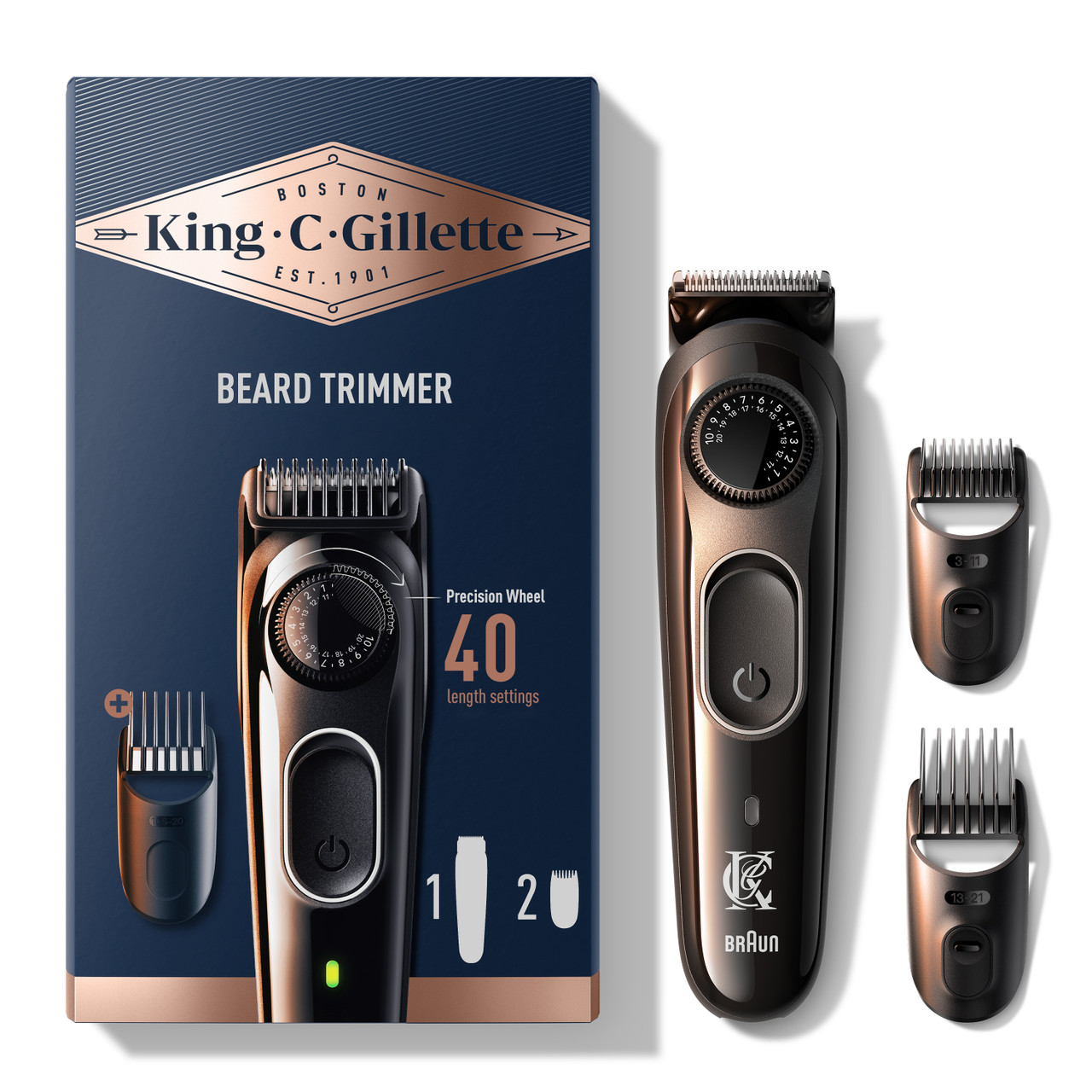
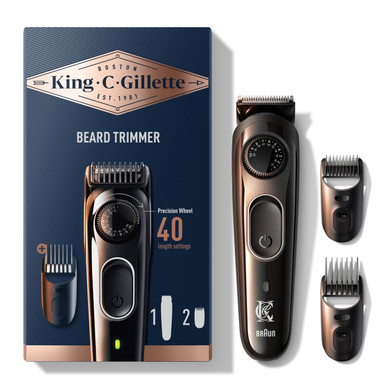
- King C. Gillette Beard Trimmer: Helps set an even base length for thick sideburn growth, making it easier to shape balanced mutton chops from the start.
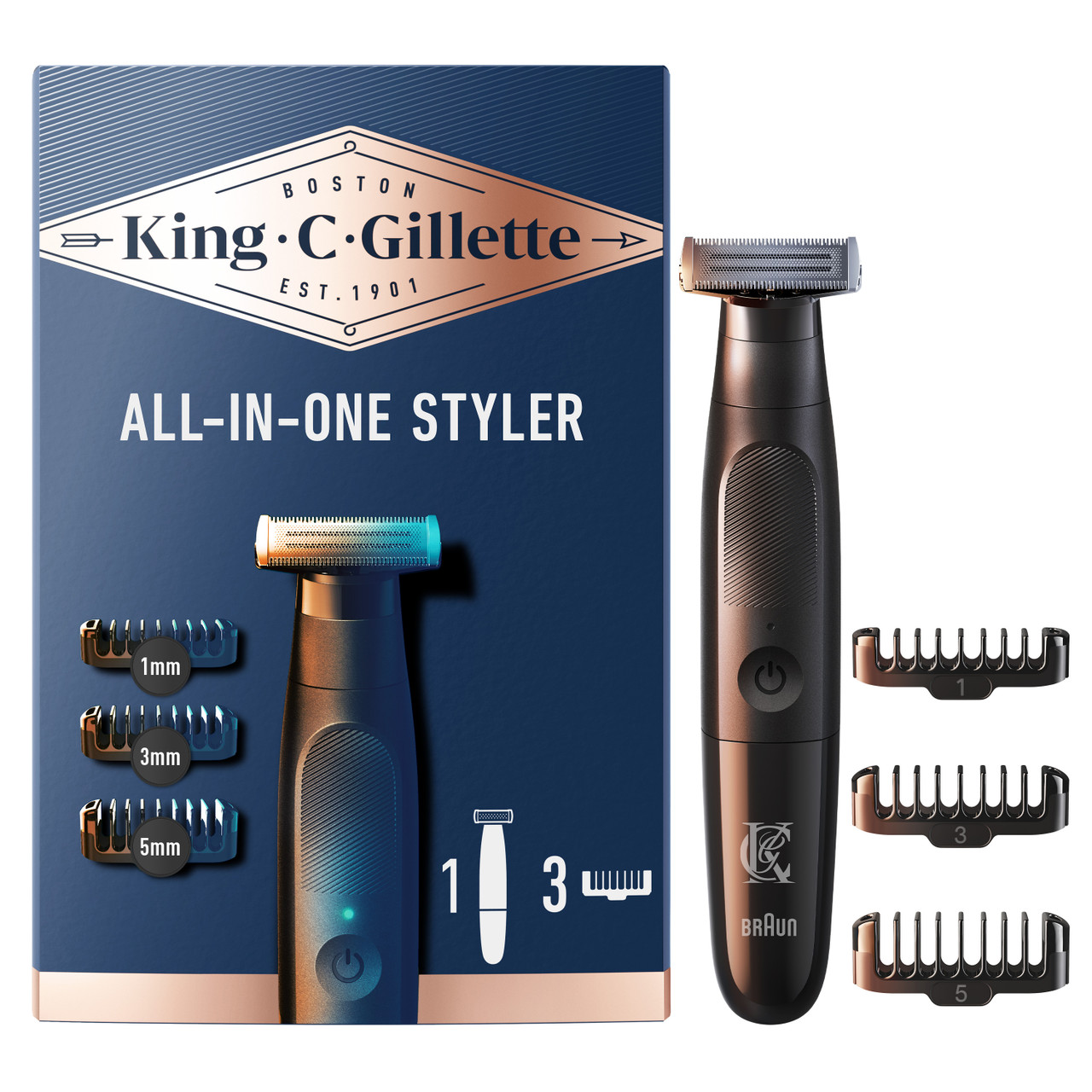
- King C. Gillette All-in-One Styler: Ideal for detailing cheek borders, temple lines, and optional mustache connections, as well as cleaning up tight areas.
- Fine tooth comb: Aligns hair in the same direction before trimming and makes uneven growth or bulk easier to spot.
- Small grooming scissors: Useful for refining stray hairs and making small adjustments without changing the overall shape.
- GilletteLabs Rapid Foaming Shave Gel: Provides smooth glide and cushioning when shaving the chin and neck, helping reduce irritation in frequently shaved areas.
- Mirror with strong lighting: Essential for checking balance, edge sharpness, and symmetry on both sides of the face.
- Moisturizer or alcohol-free aftershave balm: Soothes freshly shaved skin, restores hydration, and helps prevent dryness or irritation.
Preparation Tips
- Grow cheek and sideburn hair before shaping
- Trim on dry hair for length control
- Rinse chin and neck with warm water before shaving
- Apply shave gel only to areas meant to stay clean shaven
How Do You Trim & Shape to Achieve the Mutton Chops Beard Look – Step-by-step Guide?
Mutton chops depend on balance and contrast. The goal is to trim to an even base, outline the sideburns clearly, shave the chin and neck clean, then refine edges for a sharp, intentional finish. Trim to an even base, outline the mutton chops shape, shave chin and neck clean, then edge precisely and moisturize.
There are countless facial hair styles, but this doesn’t mean that trimming a beard is complicated. Here’s a simple set of steps to get you on your way to the popular mutton chops beard style:
Step 1
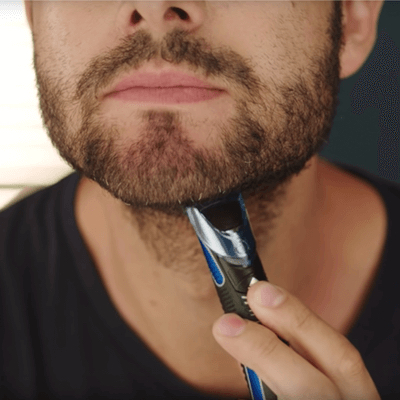
Select a Fixed Length Comb for Trimming
Using the right comb length on your trimmer can help you style your look.
The King C. Gillette All-in-One Styler comes with interchangeable combs for different lengths you can choose from, depending on how bold you want your mutton chops beard style to be.
Why it matters: Consistent length prevents uneven bulk and makes shaping easier.
Step 2
Trim Your Facial Hair
Trim your sideburns and cheek hair to level out excess growth before shaping.
Why it matters: Creates uniform length, reduces irritation, and avoids clogged blades.
Step 3
Define Your Beard Shape
Remove the comb attachment and carefully outline the mutton chops shape by defining the sideburn edges down the cheeks while keeping the chin area clean.
Why it matters: Mutton chops beard depends on strong cheek framing and a clean chin contrast.
Step 4
Check for Symmetry as You Go
After each shaping pass, step back from the mirror and compare both sides. Adjust gradually if one side appears wider, longer, or higher than the other.
Why it matters: Even small asymmetries disrupt the bold, balanced look.
Step 5
Prep Your Face
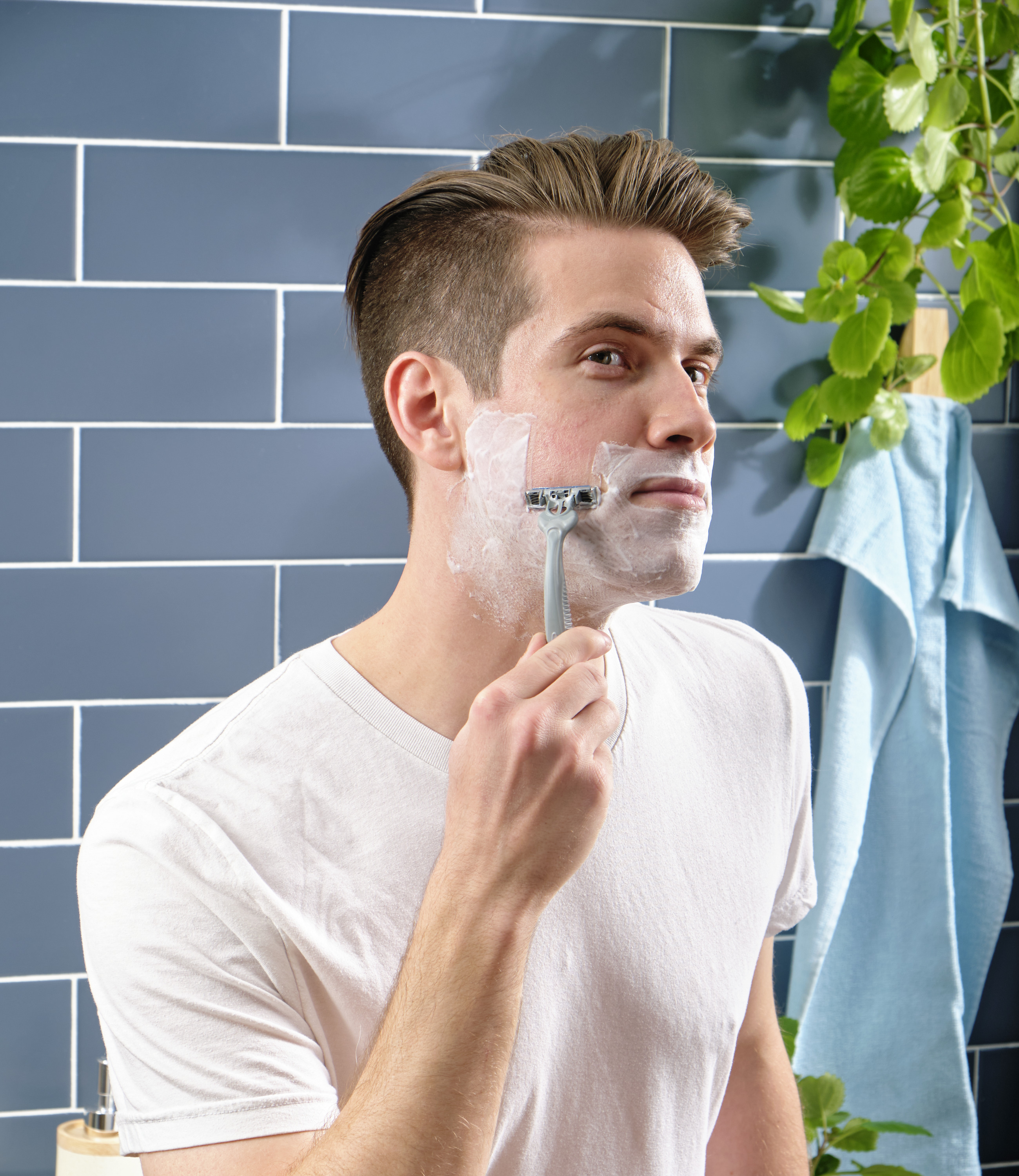
Rinse your face with warm water, then apply shaving gel to the chin and neckline (and any areas you want fully clean).
Why it matters: Prepping reduces irritation and allows closer shaving.
Step 6
Shave with Light, Gentle Strokes
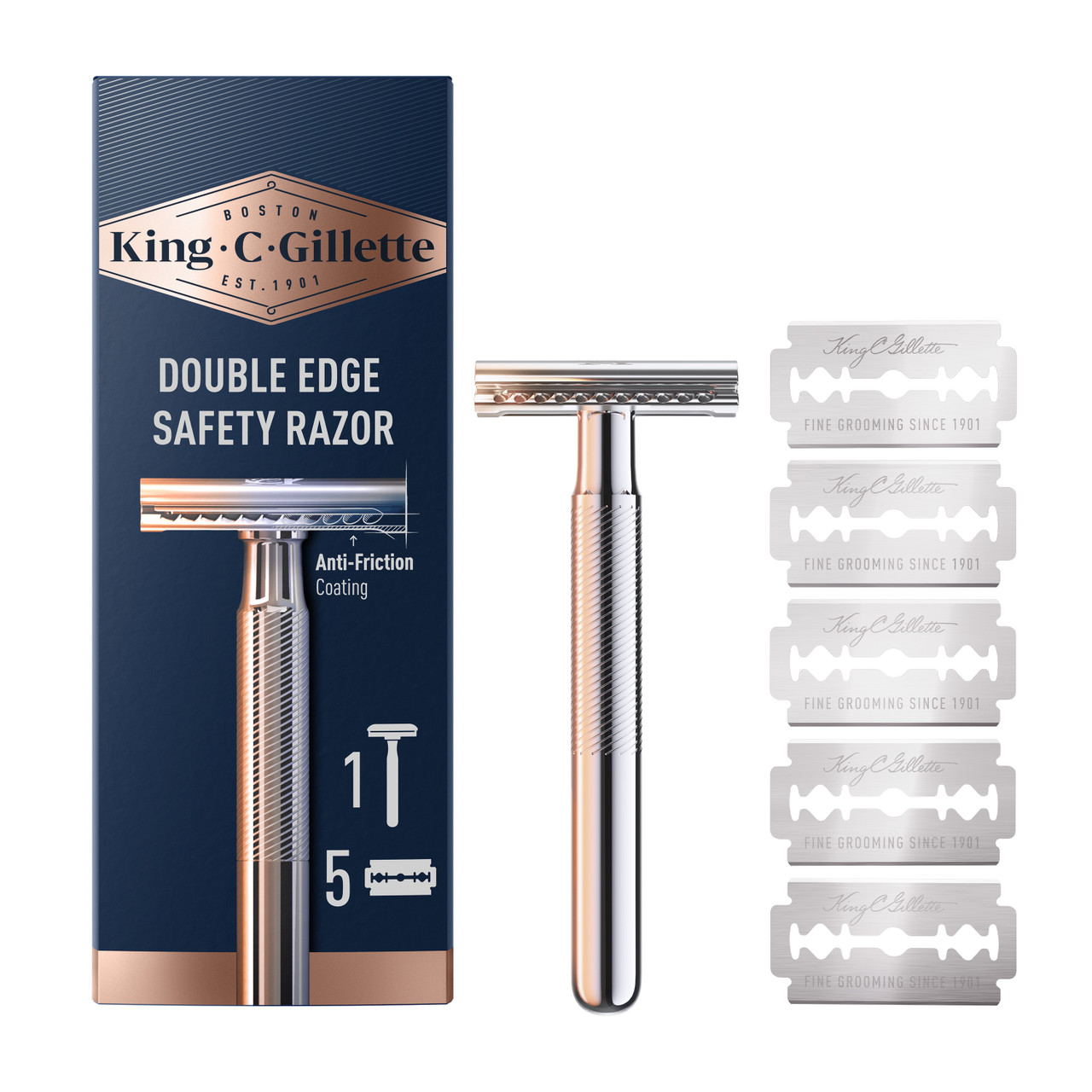
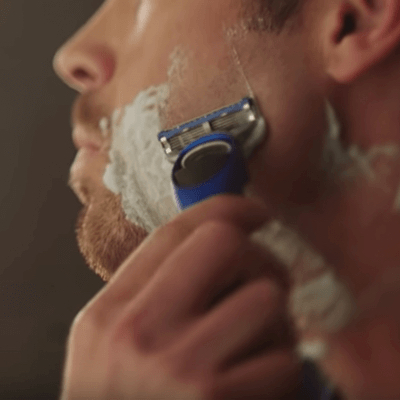
Use a sharp razor and shave the chin, jawline center, and neck using minimal pressure. Follow the natural direction of hair growth on your first pass.
Why it matters: Reduces friction and irritation while maintaining sharp contrast.
Step 7
Rinse Your Blades Often
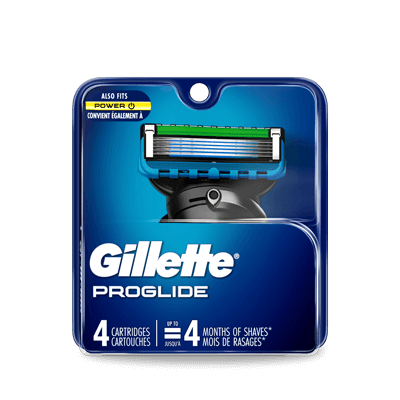
Rinsing the blades often throughout your shave helps to prevent buildup of hairs and shaving cream on the blade edges and cartridge; this helps keep your razor performing at its best.
Why it matters: Prevents clogging and ensures smoother passes.
Step 8
Refine the Edges
Use the bare blade to refine and sharpen the edges of the sideburns and neckline.
Why it matters: Crisp edges elevate the beard from casual to groomed.
Step 9
Rinse, Towel, and Moisturize
Rinse with cool water to calm the skin, pat dry gently, and apply a soothing, alcohol‑free moisturizer.
Why it matters: Soothes skin and keeps shaved areas comfortable.
Pro Tip:
Start with a longer guard and reduce gradually—over-trimming removes the “chops” effect quickly.
How to Grow Mutton Chop Beard Sideburns Successfully?
To grow mutton chops properly, allow your cheek and sideburn hair to grow uninterrupted for 4–6 weeks while keeping the chin clean‑shaven from the start. To ensure the hair fills in evenly, avoid trimming the sides too early.
Comb daily to monitor direction and density, then set an even base length before outlining borders. Continue shaving the chin and neck regularly to maintain contrast throughout the growth phase.
Are Mutton Chops the Right Beard Style for Your Face Shape?
Mutton chops can suit a wide range of face shapes because they add width through the cheeks while keeping the chin clean. If you’re wondering “are mutton chops attractive,” the answer usually comes down to symmetry and choosing the right width for your face.
- Oval face shapes: Maintains balance while adding definition.
- Square face shapes: Complements strong structure without adding bulk to the chin.
- Oblong face shapes: Adds width that helps shorten the appearance of length.
- Round face shapes: Works best when trimmed slightly narrower and tapered.
How Do Mutton Chops Beard Differ from Similar Beard Styles?
When compared to similar beard styles, mutton chops stand out for their bold sideburns and clean‑shaven chin. The styles below are often mistaken for mutton chops but differ in how they connect and how much facial hair they cover.
Mutton Chops vs Other Styles

What Common Mutton Chops Beard Styling Mistakes Should You Avoid?
Many men try mutton chops because it can work even if cheek growth is uneven, but the style depends on symmetry and clean contrast. Avoid these mistakes:
- Over trimming one side of the chops: Removing too much creates visible imbalance and breaks symmetry.
- Letting the chin shadow show through: Any chin stubble reduces the high-contrast effect mutton chops need.
- Setting the neckline too high or leaving it fuzzy: A messy neckline weakens definition and makes the style look accidental.
- Uneven cheek borders: Soft or mismatched cheek lines make one side look heavier than the other.
- Skipping gradual length adjustments: Trimming too much at once can flatten the width and change the silhouette.
How Do You Fix Common Mutton Chops Beard Styling Problems?
Most mutton chops beard issues can be corrected with small adjustments rather than starting over.
- If one side looks thicker: Step back from the mirror and trim gradually in small passes, checking symmetry frequently.
- If the chin looks shadowed: Increase shave frequency and keep the chin fully clean for contrast.
- If the neckline looks messy: Reset a clean neckline and shave below it consistently.
- If edges look soft: Redefine borders with short, incremental edging rather than one heavy trim.
- If friendly chops look uneven: Rebalance angles first, then connect to the mustache gradually.
How To Maintain Mutton Chops Daily and Weekly.
Maintaining mutton chops sideburns is about consistency—small touch-ups prevent the style from drifting into messy sideburns.
- Daily: Comb, hydrate, and spot edge if needed
Comb hair downward and moisturize shaved skin to keep the look clean. - Every 3–4 days: Shave chin and neck clean
Maintaining contrast is essential for mutton chops. - Weekly: Check symmetry and refresh the shape
Step back, compare both sides, and lightly refine edges.
Regular, minimal maintenance keeps mutton chops looking intentional and well groomed.
What Are the Popular Mutton Chops Beard Variations?
Today’s mutton chops beard styles range from subtle and office-friendly to bold and expressive. Choose your variation based on your comfort level, face shape, and how much maintenance you want.
-
Classic Mutton Chops
Traditional mutton chops feature thick sideburns that extend down the cheeks with a clean-shaven chin and neck. This timeless version emphasizes contrast and works well for men who want a bold look without a mustache.
-
Friendly Mutton Chops
Friendly mutton chops connect the sideburns to a mustache while keeping the chin clean. This variation feels fuller and more approachable, making it a popular modern option for balanced facial framing.
-
Short Mutton Chops
Short mutton chops are trimmed closer to the face for a cleaner, lower‑maintenance look. They’re easier to maintain and often suit professional or everyday grooming preferences.
-
Full / Long Mutton Chops
Full or long mutton chops add more length and density for a strong, statement making appearance. This bold variation requires consistent trimming and symmetry checks to avoid looking overgrown.
-
Wolverine Style Chops
Wolverine style mutton chops are thick, exaggerated sideburns inspired by pop culture styles. They make a dramatic impact and are best for men comfortable with high maintenance, standout facial hair.
FAQs on How to Shave Mutton Chops Beard Style
-
What’s the difference between mutton chops and friendly mutton chops?

Classic mutton chops feature thick sideburns that extend down the cheeks while the chin stays completely clean-shaven, and they do not connect to a mustache. Friendly mutton chops follow the same sideburn structure but connect to a mustache, creating a continuous frame around the mouth while still keeping the chin clean.
-
How often should I shave the chin/neck to keep contrast?

To maintain the sharp contrast that defines a mutton chops beard style, the chin and neck should typically be shaved every 2–4 days, depending on your hair growth rate. Regular shaving prevents shadowing that can blur the line between the chops and the clean‑shaven areas.
-
What’s the right cheek top line for mutton chops?
The cheek top line should follow your natural cheek contour rather than cutting too high or too low. A natural line keeps the chops looking intentional and balanced, while overly sharp or dropped lines can make the style look uneven or outdated. Subtle definition works best for modern mutton chops.
-
Which face shapes suit mutton chops?
Mutton chops work particularly well on oval, square, and oblong face shapes because the sideburn width adds structure and visual balance. Round faces can also wear mutton chops successfully by keeping them slightly narrower and more tapered to avoid adding excess width.
-
Can mutton chops be office‑friendly?
Yes. Short, neatly trimmed mutton chops with clean edges and a consistently shaved chin can be office‑appropriate, especially in workplaces with relaxed grooming standards. Keeping the width controlled and the edges sharp helps the style look polished rather than extreme.
-
How do I keep both sides symmetric?
Trim gradually and switch between sides often, using landmarks like the mouth corners or jawline to keep both mutton chops even in width and length.
-
Can I pair mutton chops with a mustache?
Yes. When mutton chops are paired with a mustache, the style is known as friendly mutton chops. The mustache should connect smoothly to the sideburns while the chin remains clean-shaven, creating a unified but still high‑contrast look.
-
Do mutton chops work if my cheek hair is patchy?
Yes. Mutton chops focus on sideburn growth rather than full cheek coverage, making them a good option even if cheek density is uneven. Keeping the chin and neck clean‑shaven helps the sideburns stand out and maintain a sharp, intentional look.
-
How long does it take to grow mutton chops?
Most men need 4–6 weeks of facial hair growth before shaping mutton chops, though thicker or longer variations may take longer. Many guides recommend growing a fuller beard first, then shaving back to the mutton chops shape to achieve better density and symmetry.
Was this article helpful?

