


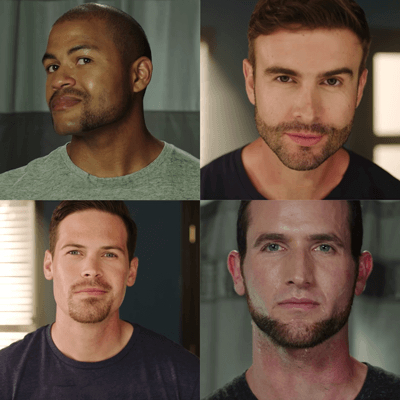






Introduction
TL;DR / Quick Answer: What Is a Chevron Mustache?
A Chevron mustache is a thick, full mustache with strong diagonal sides forming an inverted “V” shape that covers the upper lip and ends at or just past the corners of the mouth.
- Dense, natural fullness is key
- Strong diagonal edges define the shape
- Bottom edge sits at or just above the lip line
- Works best when kept symmetrical and clean
- Classic style that pairs well with stubble or short beards
What Tools and Preparations Do You Need Before Shaping a Chevron Mustache?
Achieving a clean Chevron mustache requires even trimming, precise edging, and proper preparation—especially around the upper lip and under the nose, where visibility and control matter most.
Tools Checklist
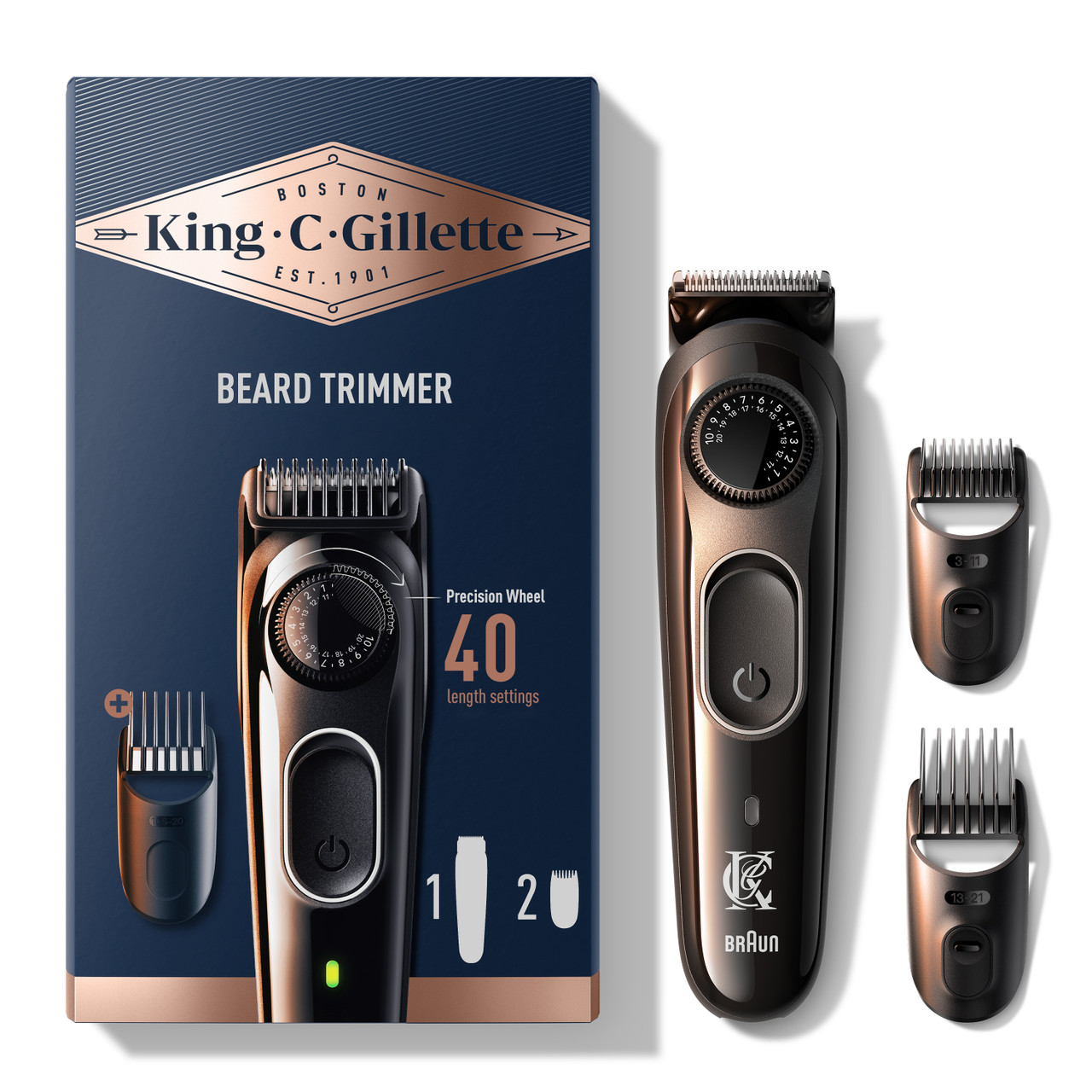
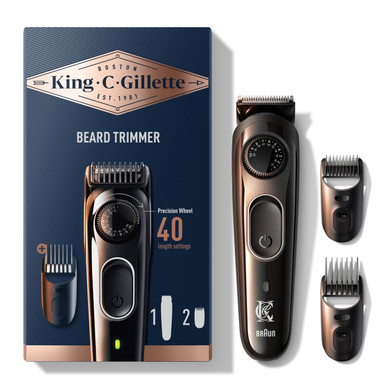
- King C. Gillette Beard Trimmer: Ideal for setting an even base length across a fuller mustache using adjustable length settings.
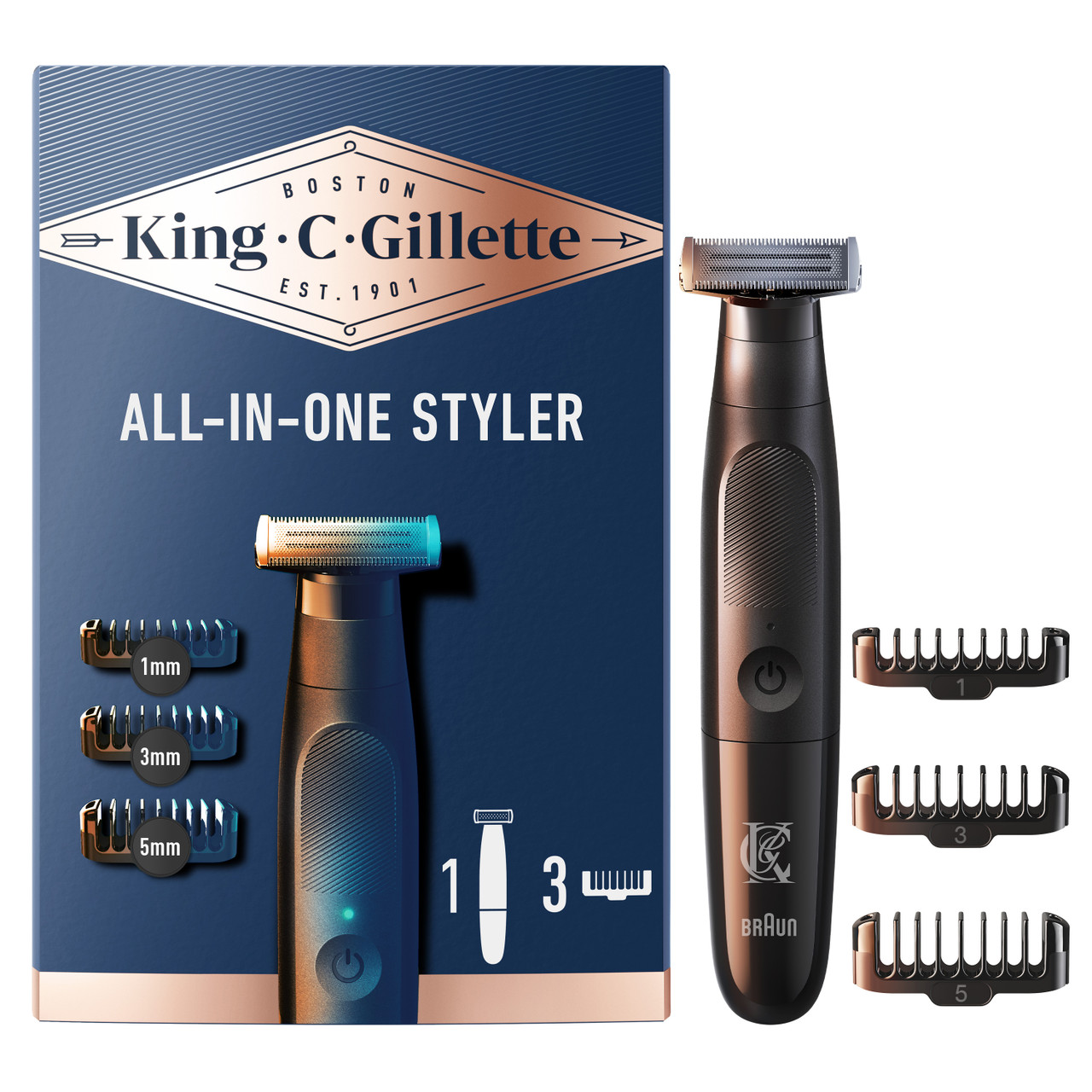
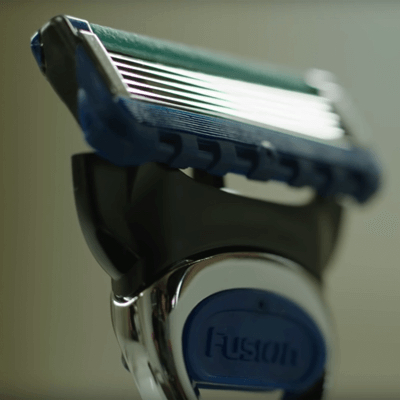
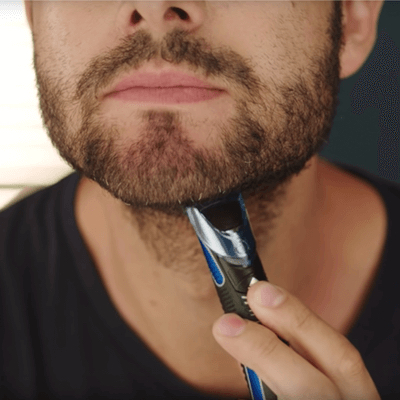
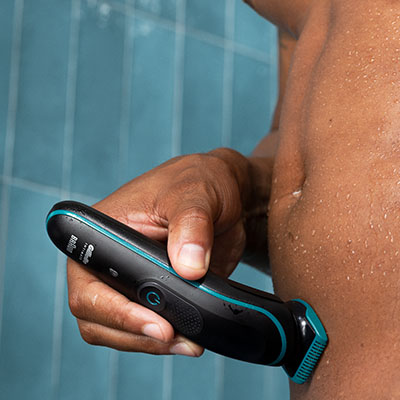
- King C. Gillette All-in-One Styler: Used for detailed shaping, edging under the nose, refining diagonals, and shaving nearby non-mustache areas.
- Fine tooth mustache comb: Helps align hairs straight down before trimming and reveals uneven growth.
- Small grooming scissors: Useful for fine control when trimming stray hairs along the lip line.
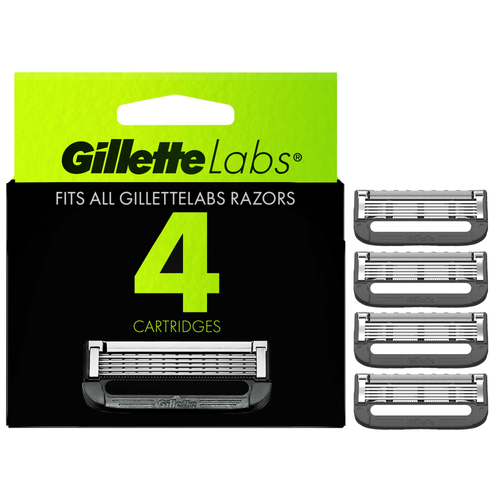
- GilletteLabs Rapid Foaming Shave Gel: Provides cushioning and glide when shaving non-mustache areas.
- Mirror with good lighting: Critical for visibility under the nose and for checking symmetry.
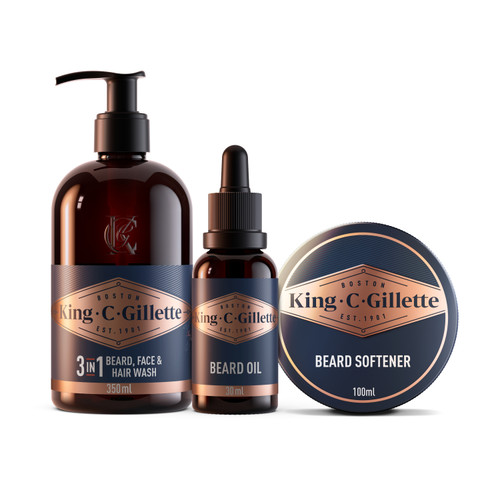
- Moisturizer or alcohol-free aftershave balm: Soothes shaved skin around the mouth and upper lip.
Preparation Tips
- Trim mustache hair dry to avoid over cutting
- Comb the mustache straight down to reveal true length
- Apply shave gel only to non-mustache areas
- Use strong lighting, especially under the nose
How Do You Get the Chevron Mustache Look - Step-by-Step Grooming Guide
Start with a full mustache, trim it to an even base, then shape strong diagonals and a clean lip line while maintaining fullness.
It’s deceptively simple, making it all the more enticing to add to your daily shaving ritual. There are countless facial hair styles, but this doesn’t mean that trimming a mustache will be complicated. Here’s a simple set of steps to get you on your way to the popular chevron mustache style:
Step 1
Select a Fixed Length Comb for Trimming
Using the right comb length on your trimmer helps you style your look. The King C. Gillette All-in-One Styler comes with 3 interchangeable combs for different lengths you can choose from.
Why it matters: The Chevron relies on fullness—starting too short makes the mustache look thin or incomplete.
Step 2
Trim Your Facial Hair
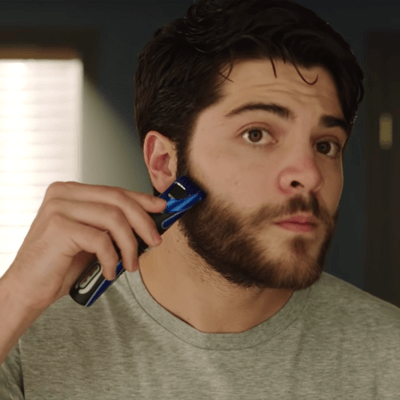
Trim evenly across the mustache using the King C. Gillette Beard Trimmer, following the natural direction of hair growth.
Why it matters: Uniform length prevents patchy density and keeps the Chevron looking intentional.
Step 3
Define Your Mustache Shape
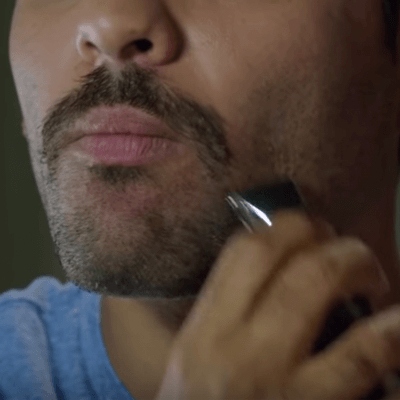
Switch to the King C. Gillette All-in-One Styler and remove any comb attachment. Shape the Chevron diagonals and outline the mustache.
Why it matters: Strong diagonals are what visually define the Chevron silhouette.
Step 4
Check for Symmetry as You Go
Step back from the mirror and compare both sides. But be careful not to trim too much off in an effort to look even.
Why it matters: Even minor asymmetry becomes obvious with bold mustache styles.
Step 5
Prep Your Face
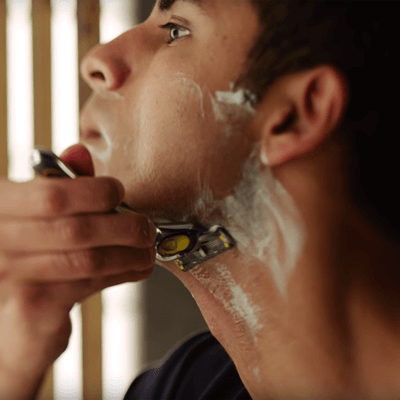
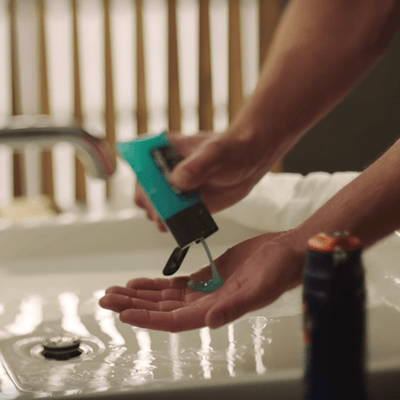
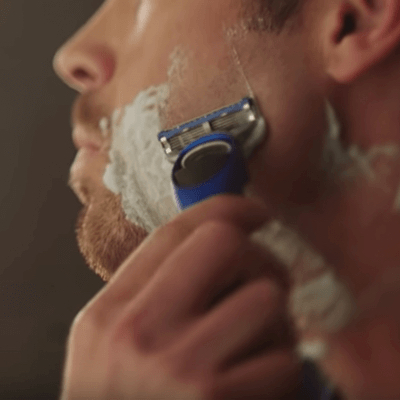
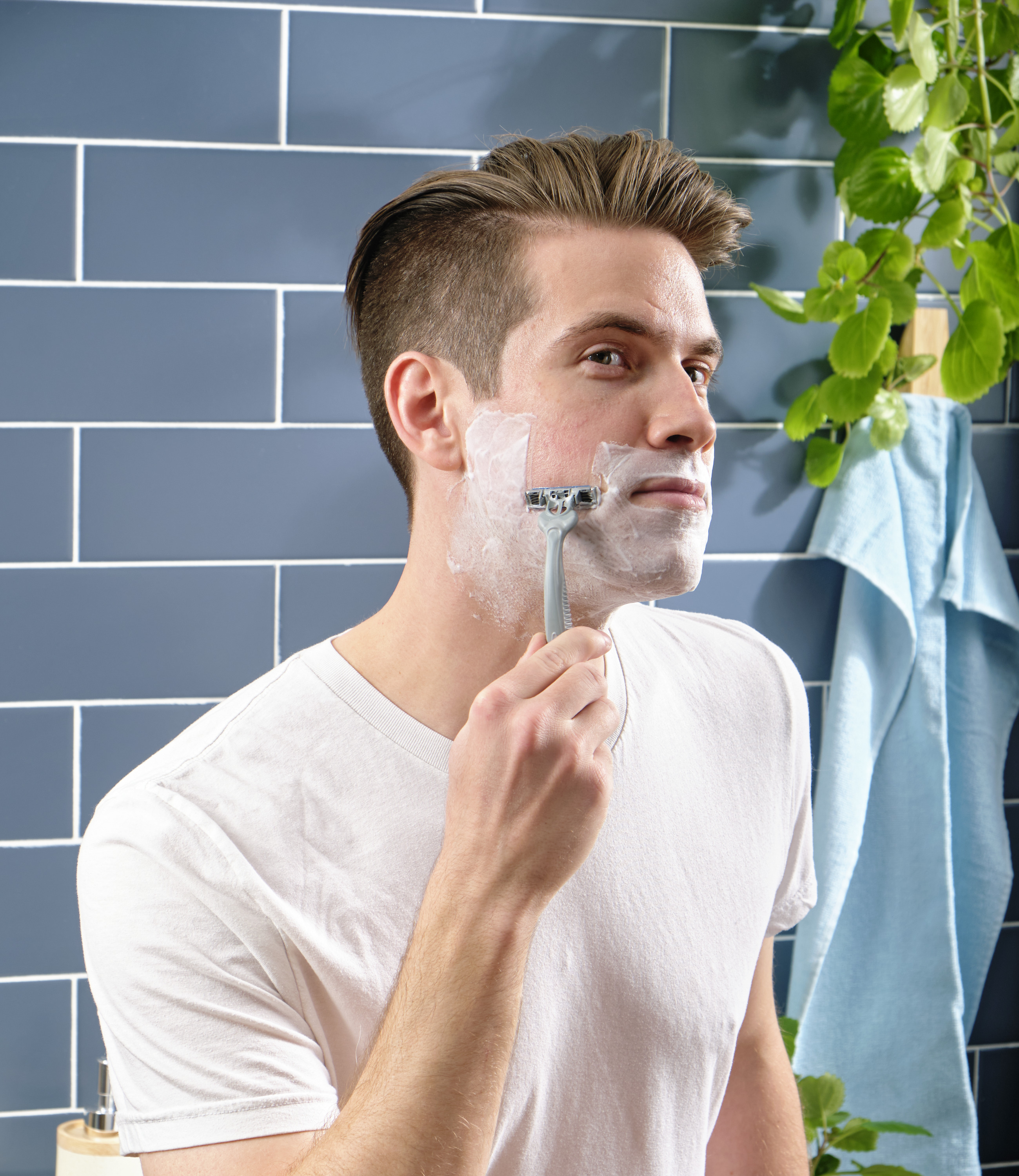
Rinse your face with warm water to help hydrate your hair in preparation for shaving. Then, lather up the parts of your face that you want to shave completely bare—the non-chevron parts—with GilletteLabs Rapid Foaming Shave Gel. Using a shave gel can help prevent nicks, cuts, and irritation.
Why it matters: Prepping reduces irritation and improves razor glide.
Step 6
Shave with Light, Gentle Strokes
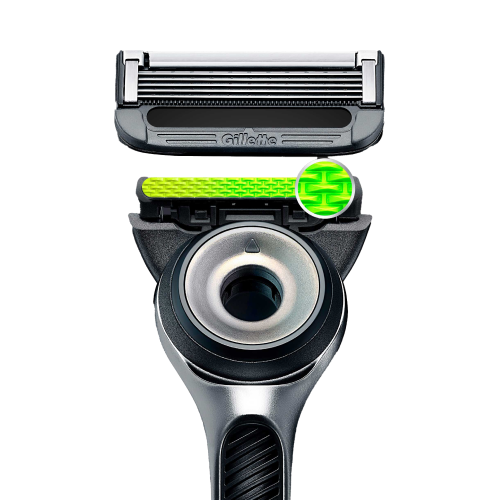
Using the King C. Gillette All‑in‑One Styler without a comb, carefully shave nearby non‑mustache areas to keep edges clean.
Why it matters: Clean surrounding skin makes the Chevron stand out.
Pro Tip:
When trimming under the nose, slightly lift both your nose and upper lip. This exposes hidden hairs and helps keep the top boundary sharp and even.
Step 7
Rinse Your Blades Often
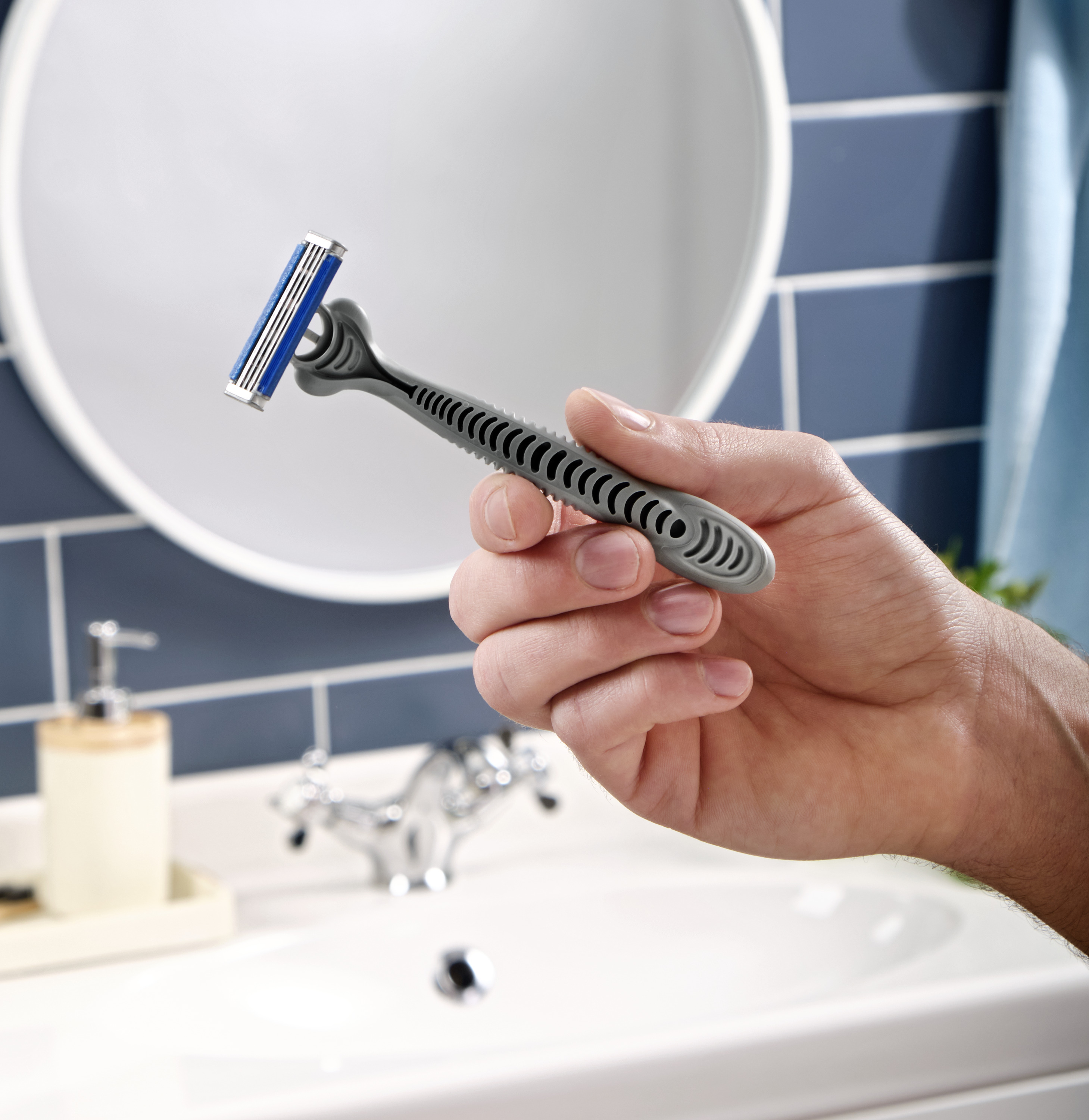
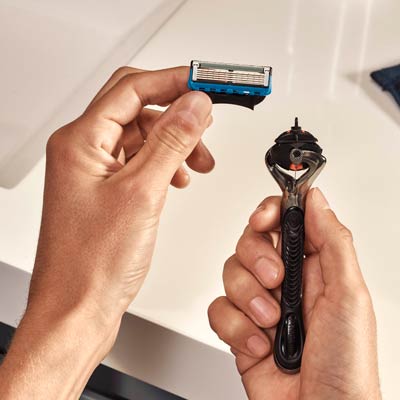
Rinse frequently during shaving or edging. Rinsing the blades often throughout your shave helps to prevent buildup of hairs and shaving cream on the blade edges and cartridge; this helps keep your razor performing at its best.
Why it matters: Prevents tugging and maintains control near sensitive areas.
Step 8
Edge with the Precision
Define the top boundary under the nose and the bottom lip line. Use the King C. Gillette All-in-One Styler to refine the top boundary under the nose and sharpen the lip line.
Why it matters: Clean, sharp edges are what make a Chevron mustache look polished—without them, it can quickly look messy.
Step 9
Rinse, Towel, and Moisturize
Rinse off your face with cool water. Towel off and then apply a hydrating aftershave lotion to help your skin feel soft and comfortable.
Why it matters: Soothes skin and keeps the area comfortable.
Does the Chevron Mustache Suit Your Face Shape?
The Chevron mustache works best for oval and square face shapes and is generally beginner friendly friendly.
- Oval faces: Adds classic definition without overpowering features
- Square faces: Complements strong jawlines and facial structure
- Beginners: Straightforward upkeep with weekly trimming
How Does the Chevron Mustache Differ from Similar Mustache Styles?
The Chevron mustache is defined by its thick, full growth, strong diagonal lines, and clean coverage of the upper lip. Unlike thinner or highly stylized mustaches, the Chevron emphasizes natural density and a structured silhouette rather than sharp sculpting or heavy styling. The styles below are often confused with a Chevron but differ in shape, coverage, and overall visual impact.
Chevron Mustache vs Other Popular Mustache Styles
What Common Chevron Mustache Style Mistakes Should You Avoid?
The Chevron mustache depends on fullness, symmetry, and clean boundaries. Small grooming mistakes can quickly make the style look uneven or unintentional. Avoid these common errors to keep the Chevron looking bold and well defined:
- Over trimming the center, which removes the density that gives the Chevron its signature strength.
- Trimming while the mustache is wet, leading to uneven length once it dries.
- Dropping the bottom edge below the lip line, which turns the style into a horseshoe.
- Ignoring under nose detailing, allowing hairs to blur the top boundary.
- Losing patience during early growth, before the mustache has time to fill in properly.
How Do You Fix Common Chevron Mustache Problems?
Most Chevron mustache issues are easy to correct with small adjustments and a bit of patience.
- If the center looks thin → Stop trimming and allow 1–2 weeks of regrowth, trim only when dry
- If you trimmed the mustache wet → Switch to dry trimming and reshape gradually over time
- If the bottom edge is too low → Reset the line to at or just above the lip and maintain it there
- If under nose hair looks messy → Use a precision trimmer and lift the nose slightly for visibility
- If patchiness is a concern → Follow an 8–12 week growth period and condition lightly to support healthy hair
How Should You Maintain a Chevron Mustache Daily and Weekly?
Consistent, light maintenance keeps the Chevron mustache looking intentional rather than overgrown.
Aftercare & Maintenance Tips
- Daily: Comb the mustache downward and apply a small amount of balm or conditioning oil if needed
- Weekly: Tidy the diagonal edges and clean the lip line to maintain shape
- As needed: Edge under the nose to keep the top boundary sharp
With regular upkeep, the Chevron stays bold, structured, and easy to manage without demanding daily styling.
Pro Tip:
If the mustache feels unruly, condition lightly instead of trimming more. Over trimming is the most common reason Chevrons lose fullness.
What Are the Popular Chevron Mustache Variations?
The Chevron mustache may look straightforward, but it comes in several subtle variations depending on length, width, and how it’s paired with other facial hair. While all Chevron styles share thick growth and strong diagonal lines, these variations allow you to adapt the look to your face shape, grooming routine, and personal style.
Classic Chevron Mustache
The traditional Chevron features full, dense growth across the upper lip with clean diagonal edges that end at or just past the mouth corners. This is the most recognizable and timeless version of the style.
Short Chevron Mustache
A shorter Chevron retains its signature diagonal shape while reducing length for a neater, more professional look. It’s ideal for first-time mustache growers or men who prefer a low-maintenance style.
Extended Chevron Mustache
The extended Chevron slightly lengthens the diagonal edges beyond the mouth corners without dropping downward. This variation adds visual width and pairs well with stubble or a short beard.
Chevron Mustache with Stubble or Beard
Pairing a Chevron mustache with stubble or a closely trimmed beard softens the contrast and creates a more modern look. This variation is popular for balancing bold upper lip coverage with overall facial harmony.

FAQs About Chevron Mustache Style
-
Is a Chevron mustache beginner‑friendly?

Yes. Once the mustache has grown in, the Chevron requires only light weekly trimming, making it one of the easiest bold mustache styles for beginners to maintain.
-
Can I pair a Chevron mustache with stubble?

Yes. Pairing a Chevron mustache with light stubble or a short beard creates a balanced, modern look.
-
How often should I trim a Chevron mustache?
Most men only need to trim a Chevron mustache once a week to maintain clean diagonals and a sharp lip line.
-
Should I trim my Chevron mustache wet or dry?
Always trim a Chevron mustache when dry. Wet trimming can remove too much length and reduce the fullness the style depends on.
-
How do I groom a Chevron mustache daily?
Comb the mustache downward each morning and use a small amount of balm or conditioning oil if needed to keep hairs neat and comfortable.
-
How long does it take to grow a Chevron mustache?
Most men need about 8 to 12 weeks of uninterrupted growth to achieve the thickness required for a full Chevron mustache.
-
How low should a Chevron mustache go?
The bottom edge should sit at or just above the lip line and end at or just past the mouth corners to maintain a true Chevron shape.
-
Which face shapes suit a Chevron mustache best?
Chevron mustaches work best on oval and square face shapes, as the diagonal edges complement balanced or angular features.
Was this article helpful?

